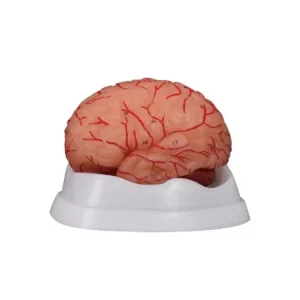
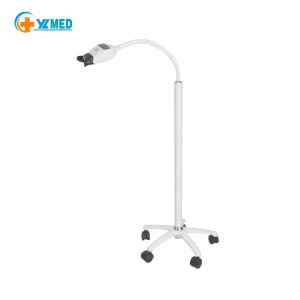
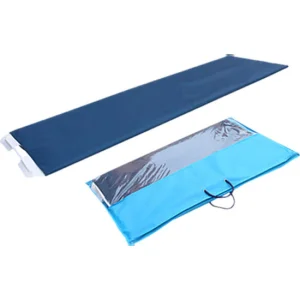
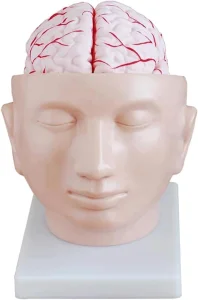
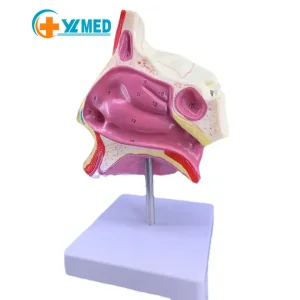
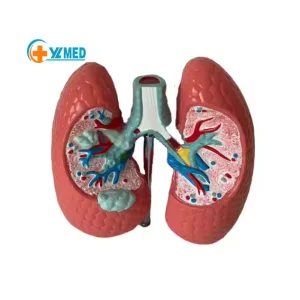
Eight OEM Products for Immediate Sourcing Review
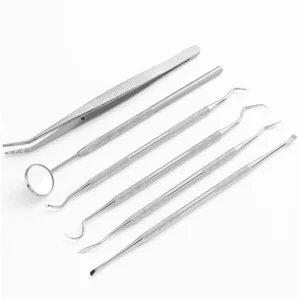
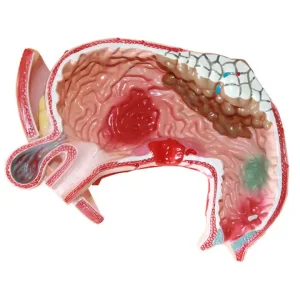
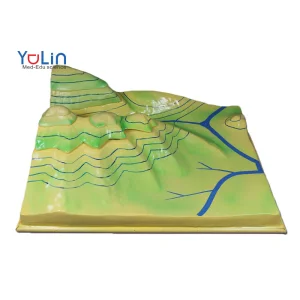
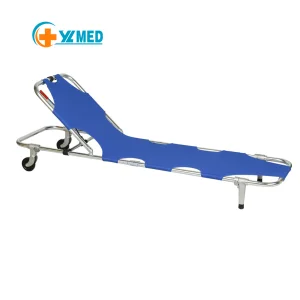
The original catalogue entries below are retained with their product URLs and images. They represent the wider factory ecosystem around injection arm models: anatomy teaching, dental tools, emergency transfer, veterinary learning, reproductive health, hospital furniture and classroom demonstration.
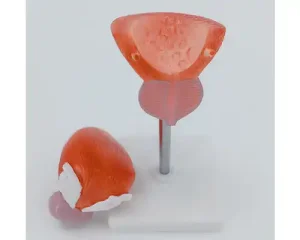
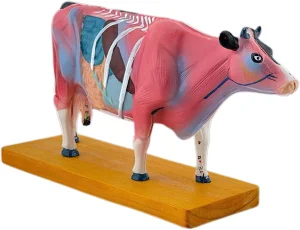
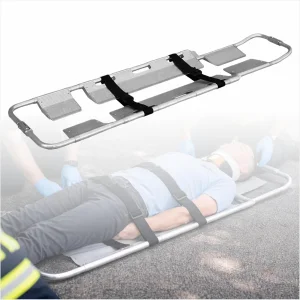
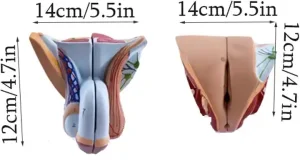
What Buyers Really Mean by “OEM Injection Arm Model Factories & Service”
The query combines supplier discovery, product verification, manufacturing capability, private-label feasibility, clinical fidelity and after-sales confidence. A serious answer must address each layer of intent.
Search demand around the keyword OEM Injection Arm Model Factories & Service is highly composite. A distributor may need a factory that can produce a contraception arm model under its own brand; a medical school may need a durable subcutaneous implantation arm for family-planning skills; a tender team may need documentation, packing lists and batch consistency; a hospital simulation centre may need replacement skins, training guides and responsive after-sales support. The winning supplier is therefore not simply the lowest-cost moulding factory. It is the partner that can connect clinical realism, ISO-controlled production, private-label design, export packaging and service-level responsiveness.
In this white paper, Yulin Medical — Henan Yulin Edu. Project Co., Ltd. — shares its OEM/ODM perspective as a manufacturer founded in 1958 and ISO 9001 certified since 2008. The factory operates from No. 8, Daoqing Road, Industry Park, Hongqi District, Xinxiang, Henan, China, with more than 200 professional staff and RMB 120 million registered capital. Its portfolio covers 10 product lines, from anatomy and nursing models to dental tools, hospital furniture, emergency transfer equipment and general teaching models. For international buyers, this breadth matters because one purchase order can combine an injection arm model with anatomy models, CPR trainers, hospital furniture or classroom products, reducing supplier risk and consolidation cost.
From a semantic-search point of view, the query also contains procurement intent. Users often search for “factory”, “manufacturer”, “service”, “OEM”, “custom”, “private label”, “wholesale”, “price list”, “tender” and “supplier” together. Content must therefore answer questions about manufacturing origin, quality certification, customisation limits, sample evaluation, MOQ, lead time, export packing and after-sales support — not only product dimensions. The sections below map those intent layers into a practical sourcing framework.
The most important conclusion is that an Injection Arm Model should be evaluated as a clinical training system, not a decorative anatomical item. Buyers should look for correct arm landmarks, realistic skin layers, a replaceable implantation pocket, cleanable surfaces, stable colour and moulded detail, plus packaging that protects the model during international transport. When these details are combined with ISO 9001 process control and responsive OEM service, the model becomes a repeatable revenue product for distributors and a dependable teaching asset for institutions.
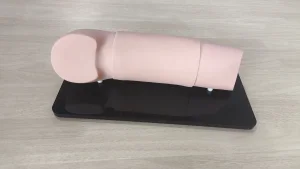
Inside the Contraception Arm Model / Subcutaneous Implantation Arm Trainer
This is the product family behind the main keyword: an arm-form training manikin used to practise subdermal contraceptive implant insertion and removal, counselling, aseptic technique and complication recognition.
Clinical Training Value
The model helps learners understand arm positioning, skin tension, insertion angle, depth control, implant placement and removal. It is useful for family-planning counselling rehearsals because the trainer can be handled in front of a learner without exposing a patient, and it supports repeated practice of aseptic technique and sharps awareness.
- Landmark recognition and patient counselling
- Insertion and removal rehearsal
- Complication discussion and remediation
- Objective structured clinical examination preparation
OEM Service Fit
For distributors, the value is not only the moulded arm. It is the ability to localise packaging, instructions, language, replacement skins, kit contents and product presentation. A factory with in-house design support can help build a private-label line that fits local curricula and tender specifications while keeping quality documentation consistent.
- Private-label packaging and manuals
- Replacement skin and consumable planning
- Mixed-category order consolidation
- Tender documentation and export packing
How the Injection Arm Model Category Is Evolving Worldwide
Demand is shifting from single-product purchases to programme-level procurement, with greater emphasis on clinical fidelity, documentation and localised presentation.
Globally, the injection arm model category is moving from a niche family-planning teaching aid to a broader procedural simulation component. Ministries of health, non-governmental training programmes, nursing colleges, midwifery schools, obstetrics and gynaecology residency programmes, and medical device distributors increasingly treat subdermal implant training as part of a competency pathway. That changes the specification discussion: buyers ask not only “does the arm look realistic?” but also “can it withstand repeated training sessions?”, “are replacement skins available?”, “does the insertion pocket behave consistently?”, and “can the product be branded for our market?”
China remains a major manufacturing base for these products because of mature mould-making, silicone and PVC processing, painting, assembly, packaging and export logistics ecosystems. However, the competitive advantage is no longer only cost. International buyers are differentiating factories by material consistency, documentation discipline, sample reproducibility and OEM service depth. A factory that can provide clear specifications, batch control, packaging artwork support and rapid answers to tender questions is more valuable than a supplier that only quotes a unit price.
Regional localisation is also accelerating. Middle East and African tender programmes often emphasise durable construction, complete packing lists and training support. Southeast Asian distributors seek private-label packaging and flexible order mixes. Latin American buyers frequently request Spanish or Portuguese manuals and consolidated shipments. European procurement teams place greater weight on material declarations, traceability and responsible manufacturing evidence. North American institutions tend to focus on curriculum alignment, replacement consumables and compatibility with simulation centre workflows. These differences do not necessarily require a different core arm model, but they do require a factory that can adapt presentation and documentation.
Another industrial shift is the bundling of models with consumables and teaching resources. A contraception arm model may be offered with replacement skins, implant demonstration rods, aseptic technique packs, counselling cards, cleaning instructions and competency checklists. This creates an opportunity for distributors to move from low-margin unit sales to programme-based supply. It also raises the bar for the factory: packaging, kit assembly, labelling and after-sales support must be planned before the first order, not after the first complaint.
Clinical Fidelity
Correct landmarks, realistic skin feel, replaceable implantation pockets and stable colour are now baseline expectations, not premium options.
Private Label Demand
Distributors want local language manuals, own-brand packaging and product photography that can be used in catalogues and tenders.
Documentation Weight
ISO 9001 evidence, specifications, packing lists and product declarations increasingly decide whether a quotation can enter a tender shortlist.
Consolidated Sourcing
Buyers prefer one accountable supplier for arm models, anatomy models, hospital furniture and teaching accessories to reduce risk and freight complexity.
Seven Trends Reshaping OEM Injection Arm Model Supply
These trends are visible in quotation requests, sample evaluations and tender specifications across medical education and reproductive health programmes.
From Realism to Procedural Fidelity
Buyers increasingly ask whether the arm supports a realistic insertion plane, controlled depth and repeatable removal practice. Visual realism matters, but procedural behaviour matters more.
Modular Consumables
Replaceable skins, implant pads and repair parts extend lifecycle value. Distributors can build recurring revenue while institutions reduce long-term replacement cost.
Sensor-Ready Simulation
Digital feedback is not necessary for every course, but a modular design that allows future sensor integration protects the buyer’s investment as curricula become more data-driven.
Localised Branding
Language, packaging, curriculum notes and catalogue imagery are now part of the product. OEM factories must coordinate design, printing and production without delaying shipment.
One-Stop Procurement
Institutions and distributors prefer consolidated orders. An injection arm model can ship with reproductive anatomy, CPR trainers, hospital furniture and classroom models.
Compliance and Traceability
ISO 9001 process control, clear material descriptions, batch references and consistent packing are becoming normal expectations in international procurement.
Where Injection Arm Models Create Practical Training Value
Localisation is not only translation. It is the fit between the model, the curriculum, the learner group, the procurement process and the after-sales support model.
Medical Schools and Nursing Colleges
Injections, implant insertion, removal, counselling and aseptic technique can be rehearsed before learners enter clinical settings. The arm model supports repeated practice without patient involvement and helps standardise assessment across groups.
Family Planning and Reproductive Health Clinics
Subdermal contraceptive implant training benefits from a dedicated arm model that allows learners to practise insertion and removal while discussing side effects, follow-up and informed consent with the patient or counsellor.
Obstetrics, Gynaecology and Residency Programmes
Residency programmes can use the model for decision-making around difficult removals, complication recognition and escalation. It also supports simulation-based assessment before supervised clinical practice.
Distributors and Private-Label Brands
Local distributors need catalogue-ready product photography, packaging artwork, user manuals and consistent supply. An OEM factory with design support can help build a market-specific product line rather than a generic imported item.
Public Health and NGO Training Programmes
Large-scale training programmes require durable models, train-the-trainer guidance and predictable replacement parts. Standardised arm models help maintain teaching quality across regions and partner organisations.
Hospital Simulation Centres and OSCE
Simulation centres can integrate arm models into objective structured clinical examinations, competency reviews and interprofessional training. Replaceable consumables and clear cleaning instructions are essential for high-throughput use.
A Practical Five-Phase Roadmap for OEM Buyers
The future of injection arm models is likely to combine better materials, modular consumables, optional digital feedback and stronger lifecycle service. Procurement should plan for that evolution without over-specifying every order.
Material and Anatomy Refinement
Multi-layer skin feel, tear resistance, colour stability and correct arm landmarks remain the foundation. The goal is repeatable procedural practice, not just visual display.
Modular Skin and Pocket Design
Replaceable skins, insertion pads and repair components lower lifecycle cost and create recurring revenue for distributors. Modules should be easy to fit and clean.
Sensor-Ready Interface
Optional feedback for depth, angle and placement can support assessment. Buyers should request a sensor-ready architecture only when the curriculum requires it.
Localised Kitting and Content
Language-specific manuals, counselling cards, packaging and training checklists improve adoption. OEM factories must coordinate design and production without adding complexity.
Lifecycle Service and Traceability
Batch references, spare parts planning, cleaning guidance and responsive after-sales support turn a one-off product into a dependable training asset.
Factory-Level Solutions for Distributors, Tender Teams and Institutions
OEM service should reduce procurement friction across product selection, branding, documentation, consolidation and delivery.
OEM / Private-Label Factory Solution
Product selection, private-label packaging, manual adaptation, replacement-part planning and catalogue imagery support for distributors building their own brand.
Tender and Compliance Package
Specifications, packing lists, ISO 9001 evidence and product documentation can be prepared to support tender submissions and import registration requests.
Mixed-Category Consolidation
Combine injection arm models with anatomy, nursing, dental, emergency or hospital furniture products in one shipment with one point of contact.
Global Logistics and After-Sales
Export packing, delivery coordination, replacement-part advice and a 24/7 response commitment help buyers manage stock, tenders and training schedules.
Why the Manufacturer Behind the Model Matters
Yulin Medical combines a long manufacturing history with ISO 9001 process control, in-house design support and a broad product portfolio for international buyers.
Founded in 1958, Henan Yulin Edu. Project Co., Ltd. has grown into a well-known educational and medical equipment supplier integrating scientific research, production and sales. With registered capital of RMB 120 million and more than 200 professional employees, the company manages product development, manufacturing, inspection and export from its base at No. 8, Daoqing Road, Hongqi District, Xinxiang, Henan, China. The quality management system has been ISO 9001 certified since 2008, and the operating motto is simple: quality first, service first.
For OEM buyers, this matters in practical ways. A factory with decades of category experience can anticipate material, packaging and documentation issues before they reach the port. An in-house design team can adapt private-label packaging and product presentation for distributors. A broad product portfolio supports one-stop orders, while a stable partner supply chain helps meet mixed-category requirements and keep lead times predictable on repeat orders.
Our export team is online 7 days a week and typically replies within 24 hours with catalogues, specifications and shipping options. Whether you need a catalogue request, a sample discussion, a tender package or a mixed-category quotation, the first step is to share your target market, quantities, certification requirements and expected use case. From there, the factory can recommend suitable models and propose an economical shipping plan.
For the Injection Arm Model category specifically, buyers should confirm the intended learner group, whether insertion and removal both need rehearsal, how often the model will be used, whether replacement skins are required, what language the manual should use, and whether packaging must carry the distributor’s brand. Clear answers at the quotation stage reduce revisions later and improve the reliability of tender submissions.
Share Requirements
Send product types, quantities, target market, clinical use case and any tender or certification needs.
Catalog and Proposal
Receive matched models, specifications, packaging options and shipping suggestions.
Sample Evaluation
Test samples with instructors or clinicians before confirming bulk production and branding.
Production and QC
Manufacturing and inspection follow the ISO 9001 quality management system.
Export and Support
Protective export packing, delivery coordination and responsive after-sales service.
Talk to the OEM Export Team
Tell us your target market, quantities, packaging language and certification requirements. Our product specialists will recommend suitable models and share specifications, packing options and shipping suggestions.
Frequently Asked Questions from OEM Buyers
Straight answers to the questions procurement managers, distributors and training institutions ask most often before placing an order.
What is an OEM Injection Arm Model?
It is an arm-form training manikin, often called a contraception arm model or subcutaneous implantation arm model, used to practise subdermal implant insertion and removal. OEM means the factory can produce it under the buyer’s brand with custom packaging, manuals and kit contents.
Is Yulin Medical a manufacturer or a trading company?
Yulin Medical is a manufacturer. Henan Yulin Edu. Project Co., Ltd. was founded in 1958 and operates its own factory in Xinxiang, Henan, China, with more than 200 professional staff. For one-stop orders, the company also coordinates a stable network of long-term partner factories.
Can you customise the arm model and packaging?
Yes. OEM and private-label support can include packaging artwork, language adaptation, catalogue presentation, kit configuration and replacement-part planning. The in-house design team helps distributors build a market-specific product presentation while maintaining production consistency.
What quality documents support tenders?
The quality management system has been ISO 9001 certified since 2008. Product-specific documentation, specifications and packing information can be provided on request to support tender submissions and import registration enquiries.
Should I choose a standard or sensor-ready arm model?
Choose a standard model when the primary need is repeated procedural practice and anatomical familiarisation. Consider sensor-ready design only when the curriculum requires data on depth, angle, placement or assessment. Over-specifying electronics can add cost without improving basic training.
What are the MOQ, sample and lead-time considerations?
MOQ and lead time depend on model selection, custom packaging, order quantity and mixed-category content. Buyers should confirm sample evaluation, artwork approval, production schedule and shipping method early. The export team typically replies within 24 hours with catalogues, specifications and options.
Can I combine injection arm models with other product lines?
Yes. The factory portfolio covers 10 product lines, including anatomy models, nursing models, skeleton models, dental tools, hospital furniture, emergency equipment and teaching models. Mixed-category orders can be consolidated into one shipment with one point of contact.
What after-sales service is available?
Support can include replacement-part advice, cleaning and handling guidance, packaging clarification and responsive communication with the export team. The team is online 7 days a week and typically replies within 24 hours.
How do I start an OEM project?
Send your target market, required model type, quantity, packaging language, certification needs and expected delivery schedule. The factory will recommend suitable models, share specifications and propose a practical production and shipping plan.
Eight More Original Catalogue References
These retained product entries show the broader factory range that supports consolidated sourcing, including the core contraception arm model, brain and head anatomy, dental equipment, patient transfer, classroom demonstration and respiratory pathology teaching.