
OEM Hospital, Emergency and Clinical Training Product Range
The first eight supplied product entries are displayed beneath the banner with their original images, titles and product URLs. Each product link is button-styled for fast distributor review, quotation and sample planning.
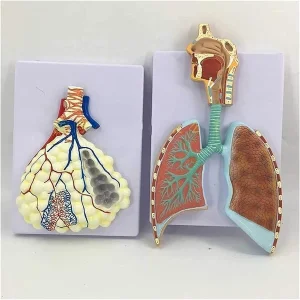
ODM Medical teaching with human respiratory system human alveolar enlargement model Manufacturer, Service
View Product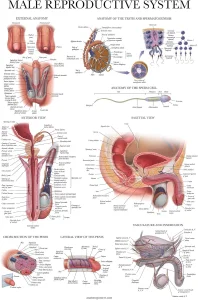
ODM Palace Learning Ligaments of the Joints Anatomical Poster - LAMINATED - Ligament Anatomy Chart Manufacturers, Pricelist
View Product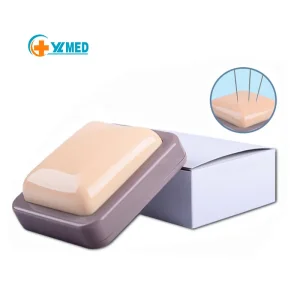
China Medical Student Exercises Beginner Acupuncture Training Model Simulation Human Skin Silicone Training Pad Manufacturer, Factories
View Product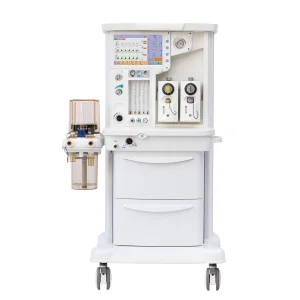
OEM Human Multifunctional Icu Anesthesia Machine General Anesthesia Machine Mobile Anesthesia Trolley Cart Manufacturer, Quotes
View Product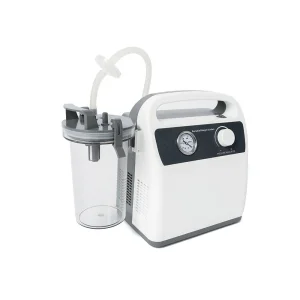
OEM Medical Sputum Aspirator Suction Unit Pump Portable Phlegm Suction Unit Manufacturer, Quotes
View Product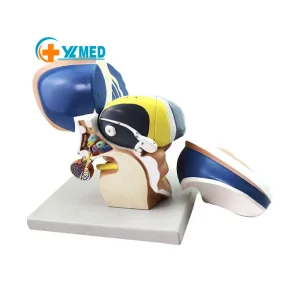
China 3X Human Diencephalon End Thalamus Model, Human Interbrain Intuitive Brain Nervous System Medical Teaching Factories, Pricelist
View Product
OEM Hospital Suction Equipment: A White-Paper View for Global Buyers
Hospital suction equipment is not a commodity accessory. It is a clinical utility used to clear blood, mucus, vomit and secretions from the airway, maintain a dry surgical field, support closed-suction ventilation and protect patients and staff from cross-contamination. In an OEM program, the product definition must begin with the clinical job to be done: peak vacuum, free-air flow, duty cycle, noise, canister volume, overflow protection, filter efficiency, battery runtime, alarm logic, cleanability and service access. A portable phlegm suction unit sold into a district hospital may share a brand with an ICU surgical suction system, but the two products should never share the same technical specification.
For procurement teams, the search intent behind “OEM hospital suction equipment manufacturer and service” is usually commercial and technical at the same time. Buyers want a factory that can supply a reliable unit, document it for a tender, customize it for a private label, and support it after installation. That is why a credible OEM page should answer four questions: what the equipment does, how it is specified, how it is manufactured and controlled, and how the supplier supports the product over its service life. This white-paper-style guide addresses those questions from a manufacturer’s perspective and connects them to the broader product ecosystem available from Henan Yulin Edu. Project Co., Ltd.
Clinical value comes before price
In the operating room, suction removes blood and irrigation fluid so the surgeon can see. In the ICU, it supports airway management and secretion clearance. In emergency departments and ambulances, it must work immediately after a rough transfer. In dental and ENT clinics, it protects the treatment field and reduces aerosol risk. In home care, it must be simple enough for a family caregiver to operate safely. Each scenario changes the importance of vacuum level, flow rate, canister design, noise and portability. A mature OEM specification therefore starts with use-case mapping, not with a catalogue price.
Information gain for distributors
Distributors add the most value when they stop comparing only unit prices and start comparing total cost of ownership. A low-cost aspirator with limited spare-part availability can become expensive after the first year. A better approach is to evaluate the supplier’s design-for-service record, the availability of tubing, filters, seals and canisters, the clarity of the manual, and the response time for technical questions. This is the kind of information gain that helps a distributor win hospital trust and defend margin against pure price competition.
Global Trends Reshaping Hospital Suction Equipment Demand
Between 2025 and 2030, hospital suction equipment demand will be shaped by clinical capacity, aging populations, infection prevention, emergency preparedness and the shift of care into the home. These trends do not simply increase unit volume; they change the mix of products and the documentation that buyers expect.
1. Aging populations and chronic respiratory care
Longer life expectancy and the growing burden of chronic respiratory disease increase demand for secretion clearance in hospitals, rehabilitation centres and home care. Portable phlegm suction units and lightweight aspirators are becoming everyday equipment rather than emergency-only devices. For OEM buyers, this creates opportunities for discreet home-care designs with quiet operation, simple controls, low power consumption and easy cleaning.
2. Emergency preparedness and ambulance readiness
Ambulance services, field hospitals and disaster-response programmes require battery-powered suction that can operate where mains power is unreliable. Specifications must include battery runtime, charge time, impact resistance, weight and accessories. A suction unit that performs well in a ward but fails in a vehicle is not a suitable emergency product.
3. Infection prevention and closed systems
Cross-contamination is one of the most important risks in suction. Hospitals increasingly ask for closed suction systems, single-use canisters, bacterial filters, overflow protection and clearly validated cleaning procedures. OEM manufacturers must be able to support both reusable and disposable configurations without compromising safety.
4. Digital monitoring and smarter alarms
Modern suction systems are moving toward vacuum sensors, filter-life indicators, usage logs and diagnostic alarms. These features help biomedical engineering teams plan maintenance and help clinical staff notice blocked tubing or canister overflow earlier. The benefit is not gadgetry; it is lower downtime and better risk control.
5. Quiet operation, serviceability and sustainability
Noise reduction is now a clinical and patient-experience issue. Modular assemblies, replaceable seals, standard motors and accessible filters reduce service time and electronic waste. Buyers are also asking for packaging that survives long ocean freight while using less material. A manufacturer that designs for service, not only for assembly, has a clear advantage in repeat orders.
6. Localized regulatory pathways
Every market is different. The European Union, the United States, the Middle East, Latin America and Southeast Asia have different registration pathways and documentary requirements. Suction equipment may be evaluated against IEC 60601-1, IEC 60601-1-2 electromagnetic compatibility, ISO 10079 for medical suction equipment and local medical device rules. Not every model is pre-certified for every market, so a responsible manufacturer confirms the exact pathway before a distributor commits to a tender.
What Global Distributors and Hospital Groups Actually Procure
Procurement behaviour differs by market, but the underlying requirements are consistent. Public tender buyers need documented specifications, test reports, spare-parts lists, training material and warranty terms. Private distributors need MOQ flexibility, private-label packaging, stable lead times and responsive technical support. Hospital groups need standardisation across departments and a clear total cost of ownership.
In developed markets, the emphasis is often on regulatory compliance, infection prevention and service documentation. In emerging markets, buyers may prioritise ruggedness, ease of maintenance, voltage stability, local service access and value for money. A factory that only offers one standard model will struggle. A factory that can configure a common platform into basic, clinic and ICU variants can cover multiple price bands without multiplying spare-parts complexity.
What to ask an OEM suction equipment supplier
- What is the intended clinical use, and which risks have been considered?
- What are the tested vacuum, flow, noise and duty-cycle values?
- Which canister, tubing, filter and overflow protections are compatible?
- What spare parts are recommended for a three-year service plan?
- Which certificates, test reports and labelling are available for my market?
- Can the product be private-labelled with my manual, packaging and accessories?
- What is the realistic sample lead time and production lead time?
These questions turn a price negotiation into a risk-management conversation. They also help distributors compare suppliers on evidence rather than claims.
China Factory 4.0: Supply-Chain Resilience and Efficiency
China’s medical equipment supply chain is no longer only a low-cost option. It is an integrated manufacturing ecosystem. Across Henan, Zhejiang, Jiangsu and Guangdong, suppliers for motors, diaphragms, valves, printed circuit boards, injection moulding, tubing, filters, connectors and packaging are connected by mature logistics. A well-managed factory can move from concept to validated sample faster than many buyers expect, while keeping documentation and traceability under control.
Factory 4.0 in this context means digital work instructions, incoming inspection, in-process checks, end-of-line vacuum and flow testing, change control and batch traceability. It also means flexible changeover between models. When a motor, valve or plastic part changes, the factory can validate the alternative, update the bill of materials and protect lead times. Efficiency comes from modular product architecture, standard subassemblies and mixed-model assembly, not from cutting inspection steps.
For suction equipment, supply-chain resilience has three practical benefits. First, critical components can be dual-sourced without losing performance. Second, production can be scaled for tender orders while spare parts remain available for the installed base. Third, packaging and consolidation can combine suction units with hospital furniture, training models and other medical products, reducing freight complexity for distributors.
Why mixed-category sourcing matters
Many distributors do not buy suction equipment alone. They also source hospital furniture, emergency devices, rehabilitation aids, teaching models and clinical training products. A manufacturer with a broad product ecosystem can consolidate mixed orders into one shipment and provide one point of contact for specifications, inspection and after-sales. This reduces administrative load and improves stock planning.
OEM and ODM Service Scope: From Specification to After-Sales
A real OEM service is more than printing a logo on a carton. It starts with a clear specification and ends with a service plan. A typical programme covers product configuration, mechanical and electronic engineering, label and manual localisation, packaging design, accessory selection, spare-parts kits and training material. The best OEM partners also help distributors build a sensible SKU ladder: an entry model for price-sensitive markets, a clinic model for routine use, and an ICU or surgical model for high-demand departments.
Private label without sacrificing clinical credibility
Private-label packaging should look professional and support the distributor’s brand, but it must not obscure essential safety information. Labels, warnings, symbols, language and traceability must remain compliant. A responsible factory reviews artwork and manual content before production, rather than treating packaging as a last-minute print job.
Design for service
Serviceability should be designed in. Easy access to filters, tubing, fuses, seals and canisters lowers downtime. Modular subassemblies allow local technicians to replace parts instead of shipping entire units back to the factory. A spare-parts kit and a clear service manual are often more valuable to a distributor than a small discount.
Quality, Compliance and Documentation: The E-E-A-T Baseline
Experience, expertise, authoritativeness and trust matter in medical equipment. Buyers should look for a manufacturer with a real factory history, a quality management system, traceable production records and the ability to answer technical questions in writing. Henan Yulin Edu. Project Co., Ltd. has operated since 1958 and has held ISO 9001 certification since 2008. The company is based in Xinxiang, Henan, China, with more than 200 professional staff and registered capital of RMB 120 million. Its motto is quality first, service first.
For suction equipment projects, the quality discussion should cover risk analysis, incoming component inspection, assembly control, end-of-line performance testing, packaging validation and change control. Depending on the target market and product classification, the buyer may also need IEC 60601-1 safety testing, EMC testing, ISO 10079 suction performance evidence, biocompatibility information for patient-contact parts, and local registration documents. The exact pathway must be confirmed per model and per country; a credible supplier will state clearly what is available and what is not.
Documentation that supports tenders
Tender-ready documentation often includes technical specifications, performance test reports, packing lists, spare-parts lists, warranty statements, user manuals, maintenance schedules and certificates. A supplier that understands public procurement can prepare these documents in a structured package and reduce the risk of disqualification.
Localized Application Scenarios: Where Suction Equipment Proves Its Value
A suction unit should be selected by setting, not by appearance. The same technology can be configured very differently for an ICU, an ambulance, a dental clinic, a veterinary hospital or a home-care patient.
ICU and operating room
High vacuum, stable flow, dual canisters, surgical tubing and overflow protection are common requirements. Biomedical teams value clear alarms, service access and compatibility with wall vacuum systems.
Emergency department and ambulance
Portability, battery runtime, rugged housing and fast setup matter more than large canister capacity. Accessories should be secured and easy to replace during field use.
Ward, nursing and long-term care
Quiet operation, simple controls, low maintenance and easy cleaning are essential. A lightweight unit that can move between beds is often preferred.
Dental, ENT and outpatient clinics
Compact suction with low noise and effective filtration supports a comfortable treatment environment and helps control aerosols.
Home care and rehabilitation
Discreet design, clear instructions, low power consumption and reliable performance are the priorities. Caregiver training and service access should be part of the purchase decision.
Veterinary and medical teaching
Durability and cost-effectiveness matter. Teaching institutions may also combine suction training with anatomy models, CPR manikins, nursing simulators and suture kits, which is why a broad product ecosystem is useful.
Selection Guide: Matching Suction Equipment to Clinical Workflow
Before requesting a quotation, define the workflow in writing. This reduces sample iterations and helps the factory recommend the right platform.
- Define the clinical task: airway clearance, surgical suction, dental suction, wound drainage or emergency field use.
- Specify vacuum and flow: thick secretions and surgical procedures may need different performance from routine ward suction.
- Choose the canister system: reusable or disposable, 1 L, 2 L, 4 L or larger, with overflow protection and easy measurement.
- Select power mode: mains electric, battery, dual power or manual backup.
- Check noise and duty cycle: continuous operation in an ICU is different from intermittent home use.
- Plan infection control: filters, tubing, closed systems and cleaning procedures should be defined at the start.
- Plan service: spare filters, seals, tubing, fuses and canisters should be available for the warranty period and beyond.
This selection discipline is especially important for OEM buyers because every configuration change affects packaging, manuals, spare parts and registration documents.
Henan Yulin Edu. Project Co., Ltd.: A Six-Decade Manufacturing Base
Founded in 1958 and ISO 9001 certified since 2008, Yulin Medical combines manufacturing, product development, inspection and export from its base in Xinxiang, Henan, China.
Henan Yulin Edu. Project Co., Ltd. (Yulin Medical) has grown into a well-known educational and medical equipment supplier that integrates scientific research, production and sales. With registered capital of RMB 120 million and more than 200 professional employees, the company manages product development, manufacturing, inspection and export from No. 8 Daoqing Road, Industry Park, Hongqi District, Xinxiang. Its stated goal is to fully satisfy every customer through dependable quality and attentive service while continuously developing the skills of its team.
For overseas buyers, this means one accountable manufacturer for anatomy models, nursing simulators, laboratory slides, hospital furniture, medical apparatus, dental teaching equipment and hospital machine and tools. Mixed-category orders can be consolidated into one shipment with one point of contact. Private-label packaging and product presentation can be developed to increase shelf appeal and resale value. The company’s long history and ISO 9001 system provide a practical foundation for distributors who need consistent quality across repeat orders.
Factory gallery and export readiness



Ten Specialized Product Lines for Medical Education and Clinical Use
Procurement teams can source simulation, laboratory and hospital equipment from one accountable manufacturer instead of managing multiple suppliers.
Anatomy Models
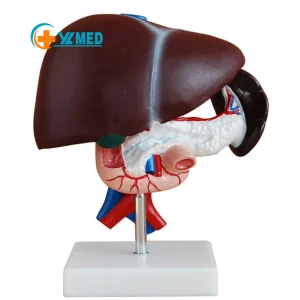
Torso, organ, heart, brain and muscle models with numbered structures for lectures and patient education.
View range →Biology Prepared Slides and Accessories
Histology, botany and zoology prepared slides plus storage and microscope accessories for biology labs.
View range →Dental Tools and Equipment
Dental teaching models, clinic lights, LED whitening units and endodontic instruments for training and practice.
View range →General Teaching Models
Science demonstration models for primary schools, secondary schools and education equipment tenders.
View range →Hospital Furniture and Equipments
Stainless steel examination couches, stretchers, walkers and shower chairs built for daily clinical use.
View range →Hospital Machine and Tools
Diagnosis and treatment devices and practical tools for wards, clinics and emergency departments.
View range →Medical Apparatus and Instruments
Emergency splints, extrication devices, cervical traction and rehabilitation instruments.
View range →Medical Nursing Model
Adult, child and neonatal CPR manikins, ACLS simulators and AED trainers for skills assessment.
View range →Skeleton Models
Life-size and desktop skeletons, skulls, spines and joint models for osteology teaching.
View range →Suture Pads and Kits
Realistic skin suture pads and complete instrument kits for surgical and wound-closure practice.
View range →Emergency, CPR and Rehabilitation Products for Mixed OEM Orders
These original featured products remain available for distributors who need to consolidate hospital suction, training, emergency and rehabilitation equipment in one programme.












Why Distributors and Institutions Partner with Our Factory
Four strengths overseas buyers consistently cite when they move long-term orders to our manufacturing base.
24/7 Responsive Service
Our team is online 24 hours a day, 7 days a week. Whatever your time zone, you receive a detailed answer as quickly as possible, typically within 24 hours.
Design & Packaging Team
In-house specialists deliver professional product design and private-label packaging that strengthens your brand and increases the added value of every unit you sell.
Professional Expertise
Our vision is to provide professional educational and medical training products from mainland China, built under ISO 9001 process control and decades of category knowledge.
60+ Years of Supply Stability
A factory with more than 60 years of history and a deeply integrated partner supply chain lets us meet one-stop demands and keep lead times predictable on repeat orders.
A Transparent 5-Step Process for Overseas Buyers
From first conversation to delivery, every stage has a named contact and clear documentation, so you can plan stock, tenders and training schedules with confidence.
Share Requirements
Send product types, quantities, target market and any tender or certification needs.
Catalog & Proposal
Receive matched models, specifications, packaging options and shipping suggestions.
Sample Evaluation
Test samples with your instructors, clinicians or biomedical team before confirming bulk production.
Production & QC
Manufacturing and inspection follow our ISO 9001 quality management system.
Export & Support
Protective export packing, delivery coordination and responsive after-sales service.
Updates and Buyer Guidance from Our Specialists
Exhibition updates and hands-on guidance written by the team that designs, manufactures and supports our products.

Do You Really Know How to Observe Biological Prepared Slides?
Many plant and animal cell structures can only be studied under a microscope, which makes prepared biological slides essential in every biology lab. Our specialists explain how to handle, focus and store slides correctly so students see clearer detail and your slide sets last for years.

The 5th Henan Provincial Educational Equipment Expo Concludes Successfully
Themed “Digital Leading Innovation and Development”, the expo reached a record 50,000 m² with 600+ brands and 10,000+ products on display, showcasing the latest educational equipment.

Inside Our Product Showroom
A look at the medical teaching models and training equipment buyers can inspect in person when visiting our Xinxiang facility.
Frequently Asked Questions from Importers
Straight answers to the questions procurement managers ask most before placing a first OEM suction equipment order.
QIs Yulin Medical a manufacturer or a trading company?
We are a manufacturer. Henan Yulin Edu. Project Co., Ltd. was founded in 1958 and operates its own factory in Xinxiang, Henan, China, with more than 200 professional staff. For one-stop orders, we also coordinate a stable network of long-term partner factories.
QWhat quality certification does Yulin Medical hold?
Our quality management system has held ISO 9001 certification since 2008. Product-specific documentation can be provided on request for tenders and import registration.
QDo you support OEM, private label and custom packaging?
Yes. Our in-house design team develops private-label packaging and product presentation for distributors to increase shelf appeal and resale value. Manuals, labels, accessories and packaging can be localised for your market.
QHow do I choose the right hospital suction equipment?
Start with the clinical use: airway clearance, surgical suction, dental suction, emergency field use or home care. Then specify vacuum, flow, canister volume, power mode, noise, duty cycle, infection-control accessories and service requirements. A factory should help you match the specification to the real workflow.
QCan you provide samples before bulk production?
Yes. Sample evaluation is a standard step in our 5-step process. We recommend testing the unit with the people who will use or service it, then confirming the final configuration, packaging and accessories before mass production.
QWhat documentation can support a public tender?
Depending on the model and market, we can prepare technical specifications, performance test reports, packing lists, spare-parts lists, warranty statements, user manuals, maintenance schedules and available certificates. The exact package should be confirmed against the tender requirements.
QHow do you support spare parts and after-sales service?
We recommend a spare-parts kit for every order and can supply filters, tubing, seals, fuses, canisters and other service items. Modular product design helps local technicians replace parts quickly and reduce downtime.
QHow quickly will I receive a reply?
Our export team is online 7 days a week and typically replies within 24 hours with catalogs, specifications and shipping options. For urgent tender projects, include your deadline, target market and required documents in the first message.
Need Specifications, a Price List or a Tender Package?
Tell us your target market, quantities, suction equipment configuration and certification requirements. Our product specialists will recommend suitable models, share detailed specifications and propose an economical shipping plan for your order.
Henan Yulin Edu. Project Co., Ltd. · No. 8, Daoqing Road, Industry Park, Hongqi District, Xinxiang, Henan, China
Additional OEM Products for Hospital, Rehabilitation and Training Projects
The remaining eight supplied product entries are displayed at the bottom of the page with their original product images, titles and URLs. All product links retain the original destination and button styling.
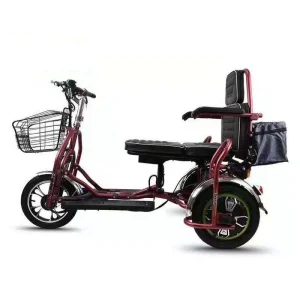
China China Foldable Electric Wheelchair for Adults Elderly Disabled 2-Passenger 30km/h 100-200kg Payload Manufacturers, Pricelist
View Product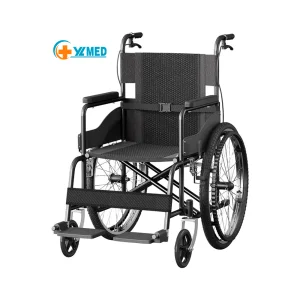
ODM Medical wheelchair elderly folding portable small multi-functional elderly travel disabled hand-pushed scooter Manufacturers, Quotes
View Product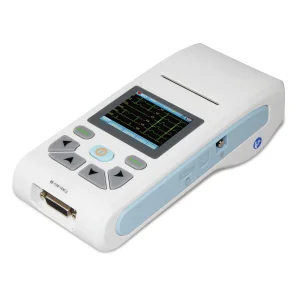
Wholesale New Handheld 2.8'' Display 3/6/12 Lead Electrocardiograph ECG90A ECG Machine Manufacturer, Pricelist
View Product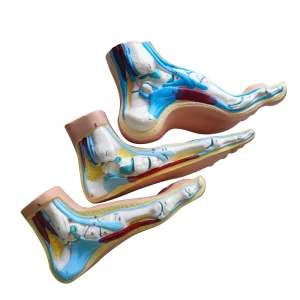
ODM PVC flat foot and arch model foot structure teaching display model for medical science education Factories, Pricelist
View Product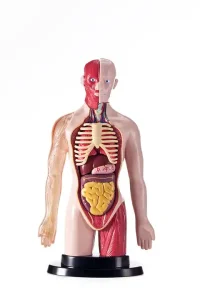
OEM Plastic assembled anatomical model children's toys education human anatomy science experiment human toys for kids Manufacturers, Quotes
View Product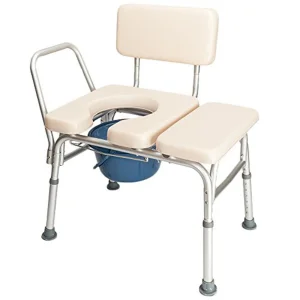
Explore the full catalogue or contact our export team for suction equipment specifications, private-label options, spare-parts planning and mixed-category shipments.