OEM Hospital Centrifuge Factories & Pricelist
A practical buyer’s guide for distributors, hospital groups, laboratories and tender teams comparing factory-direct OEM hospital centrifuge programs, pricing logic, compliance documentation and one-stop medical equipment supply.
Hospital, Laboratory & Medical Education Products for OEM Pricelists
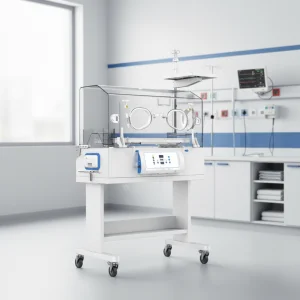
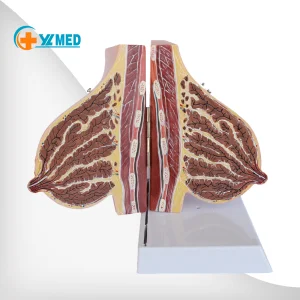
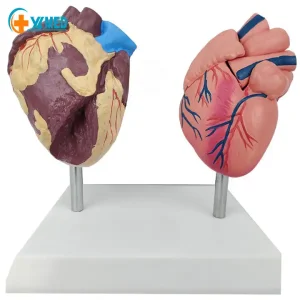
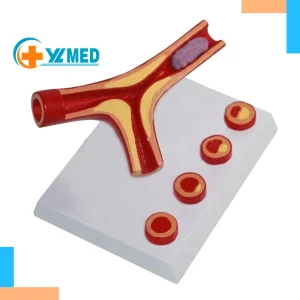
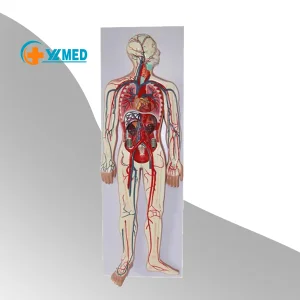
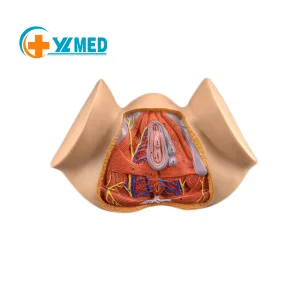
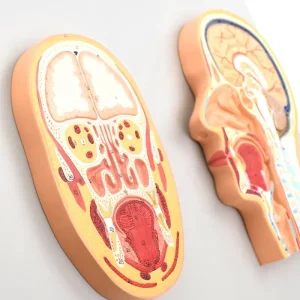
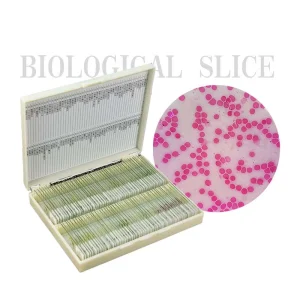
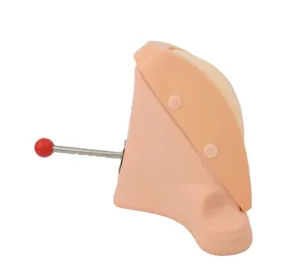
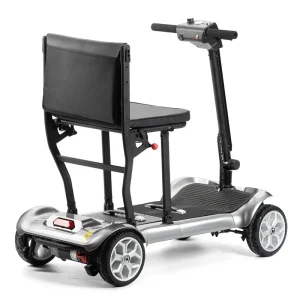
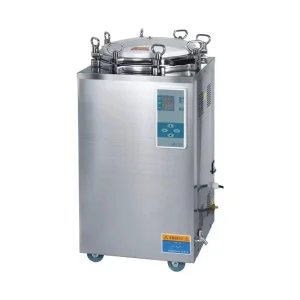
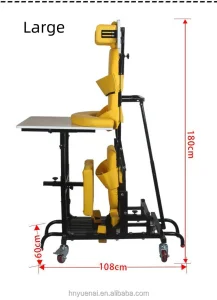
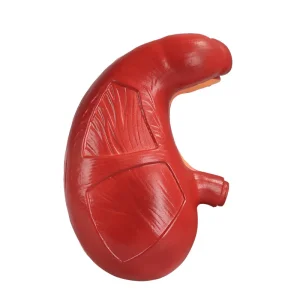
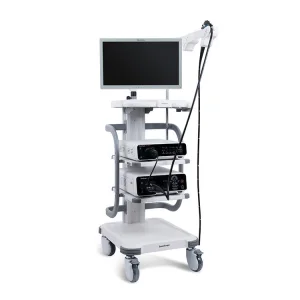
These eight factory-range products are shown exactly with their original images and product links. They support distributors, medical schools, hospitals and training centres that are building a consolidated hospital equipment catalogue alongside a hospital centrifuge sourcing programme.

A Six-Decade Medical Equipment Manufacturer for Serious OEM Buyers
Henan Yulin Edu. Project Co., Ltd. has manufactured educational and medical training equipment in Xinxiang, China, since 1958. Our quality management system has been ISO 9001 certified since 2008, supporting distributors, medical universities, nursing colleges and hospitals with documented, repeatable production.
For overseas buyers, the practical value is not simply a factory list. It is the ability to align product specification, packaging, inspection evidence, export documentation and after-sales communication around one accountable supplier relationship.
Why Hospital Centrifuges Are Becoming a Strategic OEM Category
A hospital centrifuge is one of the most frequently used instruments in pre-analytical sample preparation. When it stops, laboratory workflow slows immediately. That operational reality is changing how procurement teams evaluate factory-direct OEM programmes, pricelists and service contracts.
Across hospitals, independent laboratories, blood banks, fertility clinics, research institutes and veterinary diagnostics, demand is being shaped by an ageing population, growth in chronic disease testing, expanded diagnostic capacity, biosafety requirements and decentralised testing. Buyers increasingly want more than a low unit price: they want verified rotor life, imbalance protection, traceable service history, local voltage configuration, multilingual labelling and documentation that can support tenders and import registration.
For distributors, an OEM hospital centrifuge factory can create a durable private-label line because the product sits inside routine clinical workflow. Yet the category is technically sensitive. Speed and relative centrifugal force (RCF) must match the application, refrigeration must hold temperature under load, and safety systems must protect operators when tubes fail. A credible factory pricelist therefore separates the base unit, rotor options, adapters, certification support, packaging, warranty and spare parts.
This article is written from the perspective of a manufacturer and export team that has served global distributors, schools and hospitals since 1958. The checklist below is deliberately practical: use it to audit any OEM hospital centrifuge factory, including qualified partner factories where a project falls outside a supplier’s in-house range.
Information gain: five questions that reveal factory maturity
- Can the factory show a rotor lifecycle test method, not simply a declaration?
- Does the pricelist state speed, RCF, temperature range, noise and power consumption under load?
- Are tube adapters, buckets and spare rotors quoted separately with part numbers?
- Is the certification file aligned to the exact target market and intended clinical use?
- Will the factory provide packaging drop-test evidence, multilingual labels and a warranty matrix?
Low-speed clinical centrifuge
Commonly used for serum, plasma, urine and routine sample preparation. Buyers should verify actual RCF, bucket capacity, timer accuracy, lid interlock and noise level at the bench.
Refrigerated high-speed centrifuge
Used in molecular, cytology, research and specialised clinical workflows. Temperature recovery, compressor quality, rotor identification and imbalance detection are key cost and safety factors.
Blood bank and capillary centrifuge
Often purchased with reader compatibility, validated spin protocols and traceable maintenance records. The pricelist should clearly show capillary rotor configuration and expected tube compatibility.
PRP, cytology and speciality centrifuge
Private-label distributors need repeatable protocols, low vibration, easy cleaning and optional swing-out rotors. Application training and protocol documentation add real resale value.
Indicative cost-driver weighting in an OEM centrifuge pricelist
The percentages below are a comparison framework, not a quotation. Use them to interrogate supplier pricing and avoid comparing base units while ignoring mandatory accessories.
What buyers usually underestimate
- Rotor economics: the first rotor may not be the rotor the hospital actually needs.
- Service access: a low price is expensive if spare buckets and lids are unavailable.
- Documentation: tender teams often need declarations, test reports and labels, not just a CE mark image.
- Validation: clinical protocols should be confirmed by the laboratory before purchase.
What China Factory Efficiency Really Means for OEM Hospital Centrifuges
China’s medical device ecosystem offers deep component supply, fast tooling and mature export logistics. The advantage is real, but it is not automatic. Professional buyers separate genuine factory capability from trading-layer presentation.
Deep supplier clusters
Motors, rotors, refrigeration modules, PCBs, injection-moulded housings, labels and packaging can be sourced within a mature industrial radius, shortening development cycles when the factory has genuine engineering control.
Rapid customisation
Private-label housings, voltage configuration, language interfaces, tube adapters and export cartons can be adapted faster when tooling and QC are managed in-house rather than passed between intermediaries.
Flexible order structures
Serious factories support pilot orders, mixed-model containers and staged production for distributors. The pricelist should show MOQ by model and by accessory, not only a headline unit price.
Export documentation discipline
Commercial invoice, packing list, test report, certificate of origin, warranty statement and product labels should be prepared consistently. This is especially important for hospital tenders and customs clearance.
Hospital Centrifuge Applications by Department and Market
Centrifuge requirements change by department, tube type, protocol, voltage, climate and service environment. The same model name can hide very different configurations, so buyers should localise the specification before approving a pricelist.
Clinical chemistry and haematology
Routine serum and plasma separation requires stable RCF, easy loading and low noise. High-throughput laboratories value fast lid cycles and simple cleaning.
Blood bank and transfusion services
Configuration should match blood grouping, cross-matching and component processing protocols. Traceability, maintenance logs and validated spin settings matter.
Molecular diagnostics and PCR
Refrigerated models and microplate or microtube rotors are common. Temperature stability, aerosol containment and reproducible acceleration are key buyer questions.
Microbiology and research
Sample diversity demands adaptable buckets and clear rotor compatibility charts. Documentation should state maximum density and tube limits to protect operators.
IVF, andrology and fertility
Low vibration, temperature control and protocol consistency are essential. Private-label clinics may request local language instructions and application support.
PRP and orthopaedic clinics
Small-batch PRP preparation needs a clear protocol, compatible tubes and a stable swing-out or fixed-angle rotor. Training materials improve distributor resale value.
Veterinary diagnostics
Compact footprints, simple operation and low maintenance are important for clinics. Voltage and plug configuration should be fixed before production.
Point-of-care and district hospitals
Operators may not be laboratory specialists. Clear controls, lid interlocks, imbalance protection and local service access matter more than advanced research features.
What Hospital Buyers and Distributors Need in Different Regions
Global demand for OEM hospital centrifuge factories is not uniform. Regulatory route, tender documentation, service expectations and payment terms vary considerably by market.
North America
Buyers typically expect detailed technical files, clear warranty terms, traceable service support and robust product liability documentation. Distributors often compare total cost of ownership rather than unit price alone.
Europe
CE-related documentation, language requirements, WEEE/RoHS considerations and post-market support are common evaluation points. Public tenders may require declared performance, safety standards and spare-parts availability.
Middle East and Africa
Heat, dust, voltage variation and service distance influence configuration. Distributors value durable models, long warranty options, training materials and consolidated shipments with hospital furniture and teaching equipment.
Latin America
Spanish and Portuguese labelling, flexible Incoterms and spare-parts planning are practical requirements. Tender teams may need legalised documents, certificate of origin and detailed packing lists.
Asia-Pacific
Demand spans high-volume hospital laboratories and cost-sensitive district facilities. Suppliers need a product ladder from essential models to advanced refrigerated units, with clear model differentiation.
Hospital groups and IDNs
Multi-site buyers prioritise standardisation, service coverage, spare-parts pools, calibration intervals and consistent documentation across every batch and every delivery site.
How to Read an OEM Hospital Centrifuge Pricelist
A professional OEM hospital centrifuge pricelist should be structured enough for finance, regulatory, laboratory and service teams to evaluate the same offer. If a quotation only contains a model name and a price, the buyer cannot compare risk.
Model and configuration
State the exact model, voltage, plug type, frequency, interface language, colour, private-label marking and whether the quoted price includes a rotor.
Speed, RCF and capacity
List maximum speed, maximum RCF, tube capacity, bucket options, adapter part numbers and compatible tube dimensions by application.
Temperature and performance
For refrigerated units, show temperature range, recovery time, control accuracy under load, ambient operating range and defrost method.
Safety and compliance
Include lid interlock, imbalance detection, over-speed protection, rotor identification, electrical safety references, EMC references and available declarations.
MOQ and private label
Separate MOQ for base units, spare rotors and packaging. Define artwork approval, label languages, manual revisions and private-label liability.
Incoterms and packing
Quote EXW, FOB, CIF or DDP clearly. Add carton dimensions, gross weight, pallet quantity, drop-test evidence and container-loading plan where relevant.
Spare parts and warranty
Attach a spare-parts price list with part numbers, warranty period by component, recommended service kit and response process for warranty claims.
Lead time and payment
State production lead time after artwork and deposit approval, inspection milestones, payment terms, quotation validity and shipment booking window.
Quality and Compliance Checklist for OEM Hospital Centrifuge Factories
Regulatory obligations vary by country and intended use. The buyer must confirm the applicable route. The checklist below is a practical audit structure, not a substitute for local regulatory or legal advice.
Quality management system
Request the current certificate, scope, certification body, expiry date and audit history. Confirm whether the factory’s quality system covers the actual production site.
Electrical and mechanical safety
Ask for the applicable test reports and declarations. For laboratory centrifuges, IEC 61010-2-020 is a common reference; the exact requirement depends on the market and use.
Rotor lifecycle and materials
Review rotor material, manufacturing method, maximum speed derating, inspection interval and documented lifecycle testing. Aluminium, carbon fibre and stainless-steel rotors have different care requirements.
Imbalance and containment
Check imbalance tolerance, lid interlock, aerosol containment options and emergency stop behaviour. Ask how the factory tests a tube breakage scenario.
Temperature validation
Refrigerated models should be tested at multiple speeds and loads. Ask for evidence of temperature stability at the sample position, not only the chamber display.
Traceability and labelling
Serial numbers, production batch, label content, manual revision and packaging markings should be traceable. This supports recalls, service and tender audits.
Service and training
Ask who handles technical questions, how spare parts are shipped, what training materials exist and what response time is offered during warranty and post-warranty periods.
Packaging and transport
Review export carton strength, moisture protection, shock indicators where needed and loading plan. Centrifuges and rotors should be packed to prevent movement and rotor damage.
A 6-Step OEM Sourcing Process for Hospital Centrifuge Projects
From first specification to repeat order, a controlled process keeps technical, regulatory and commercial decisions visible to all stakeholders.
Define the clinical use
State department, tube type, throughput, required RCF, temperature, voltage, language and target market. This prevents later rework.
Request a structured pricelist
Ask for base unit, rotor options, adapters, spare parts, packaging, certification support and Incoterms in one comparison sheet.
Audit samples and documents
Test the sample with representative tubes and protocols. Review the manual, label, safety features and declaration files together.
Approve private label and packaging
Lock artwork, label content, manual revision, carton configuration and inspection points before bulk production begins.
Monitor production and QC
Request inspection milestones and keep a golden sample. For repeat orders, verify that components and firmware have not changed without notice.
Ship, train and review
Coordinate export documents, spare parts, training files and after-sales contacts. Review field feedback to improve the next batch.
Yulin Medical: A One-Stop Manufacturing Base for Hospitals, Laboratories and Educators
Founded in 1958, Henan Yulin Edu. Project Co., Ltd. integrates scientific research, production and sales of educational and medical equipment. Our base is at No. 8, Daoqing Road, Industry Park, Hongqi District, Xinxiang, Henan, China.
Established manufacturer
Registered capital of RMB 120 million, more than 200 professional staff and a manufacturing history that began in 1958. Our quality management system has been ISO 9001 certified since 2008.
Export-oriented service
Our export team is online 7 days a week and typically replies within 24 hours with catalogues, specifications, pricelist requests and shipping options.
OEM and consolidated supply
We support private-label packaging and product presentation for distributors. Mixed-category orders can be consolidated into one shipment with one accountable point of contact.
Medical Teaching, Laboratory and Hospital Equipment Product Lines
Use these specialist categories to build a consolidated distributor catalogue or to combine purchases with a hospital centrifuge programme. All links below are retained from the original product category structure.
OEM Hospital Centrifuge Factories & Pricelist FAQ
Straight answers to the questions procurement managers, distributors and hospital engineering teams ask before requesting a factory pricelist.
Is Yulin Medical a manufacturer or a trading company?
We are a manufacturer. Henan Yulin Edu. Project Co., Ltd. was founded in 1958 and operates its own factory in Xinxiang, Henan, China, with more than 200 professional staff. For one-stop orders, we also coordinate a stable network of long-term partner factories.
Can Yulin Medical supply an OEM hospital centrifuge pricelist?
Our core in-house range covers medical teaching models, simulation products, hospital equipment and laboratory-related supplies. For centrifuge-specific programmes, we apply the same OEM/private-label and documentation discipline through qualified partner factories. The exact model, certification file and target-market requirements must be confirmed before quotation.
What quality certification does Yulin Medical hold?
Our quality management system has been ISO 9001 certified since 2008. Product-specific documentation can be provided on request for tenders and import registration. For hospital centrifuges, buyers should also verify electrical safety, EMC, rotor lifecycle and any market-specific medical device requirements.
How do I compare two hospital centrifuge pricelists correctly?
Normalise the offer by model, voltage, rotor, buckets, adapters, maximum RCF, refrigeration, certification support, packaging, warranty, spare-parts package and Incoterm. Compare the total landed cost and service plan, not only the base-unit price.
What should be included in a centrifuge technical specification?
Include application, sample tube type, required RCF, maximum speed, capacity, temperature range if refrigerated, noise expectation, voltage and plug type, interface language, safety features, dimensions, weight, warranty and required documentation for the destination market.
Do you support OEM, private label and custom packaging?
Yes. Our in-house design team develops private-label packaging and product presentation for distributors to increase shelf appeal and resale value. For regulated products, label content and claims must be reviewed against the destination market before production.
How long does a quotation and sample take?
Our export team is online 7 days a week and typically replies within 24 hours. Sample and production lead times depend on model, configuration, certification documents and whether custom packaging artwork is required. A written schedule should be confirmed in the quotation.
Can hospital centrifuges be consolidated with other medical products?
Yes, where supplier and shipping requirements allow. We can coordinate mixed-category orders across approved product lines, including medical teaching models, hospital furniture, laboratory supplies and training equipment, to reduce supplier-management workload and shipping complexity.
More Hospital, Laboratory and Medical Teaching Products
The final eight products below complete the original product list, with every image and product URL retained. These items help distributors and institutions build a broader hospital and medical education catalogue alongside centrifuge sourcing.