OEM First Aid Training Manikin Pricelist & Service
Factory-direct CPR, AED, nursing and emergency simulation manikins for distributors, training centres, hospitals and tender suppliers—built with documented quality control in Xinxiang, Henan, China.
OEM First Aid Training Manikin Pricelist – Featured Product Set A
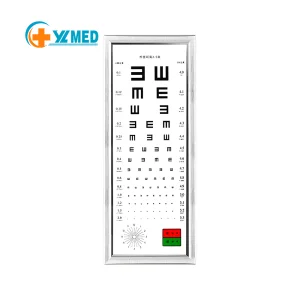
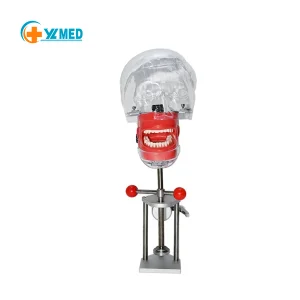
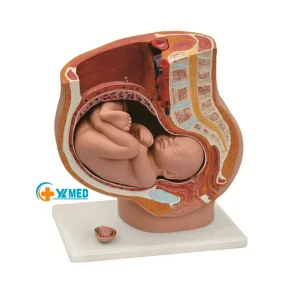
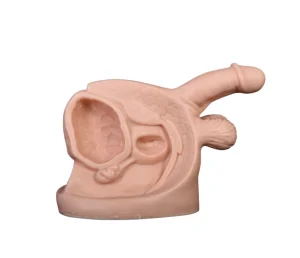
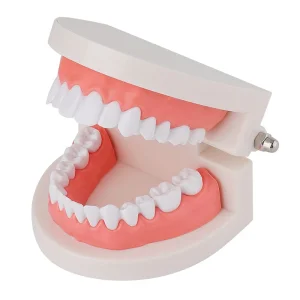
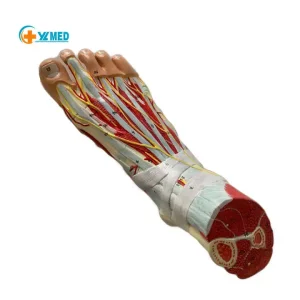
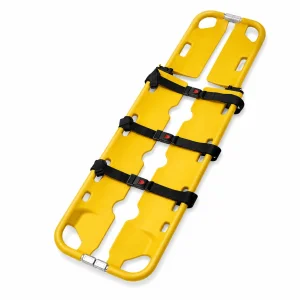
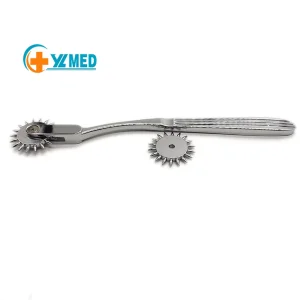
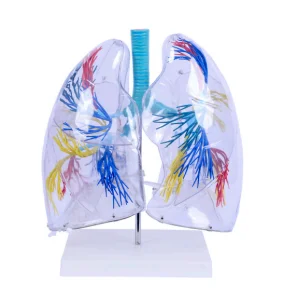
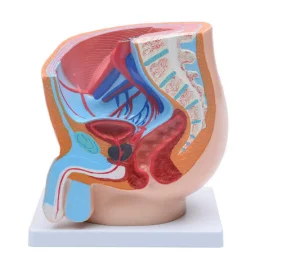
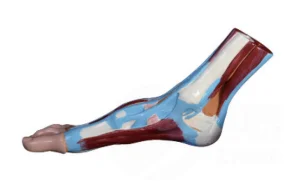
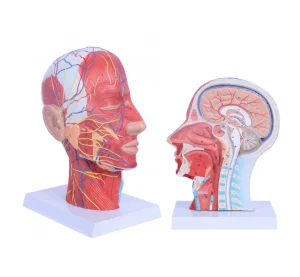
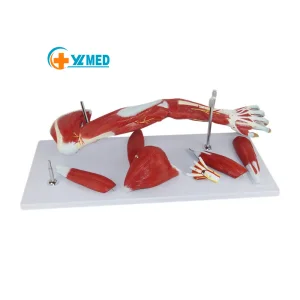
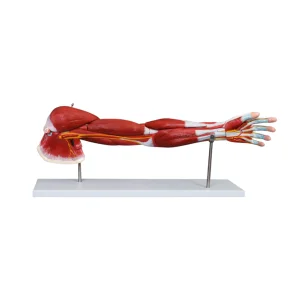
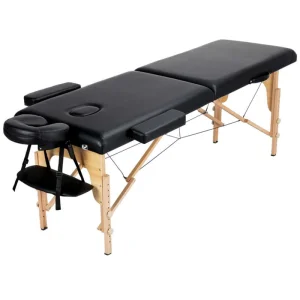
The eight references below preserve the original product images and URLs. They illustrate the wider medical teaching and emergency-care ecosystem that supports OEM first aid manikin programmes.

First Aid Training Manikins Have Become Programme Infrastructure
Buyers no longer purchase a “practice torso” in isolation. They buy a repeatable training capability: feedback accuracy, hygiene protocols, spare-part availability, multilingual packaging, documentation and local training outcomes.
Across North America, Europe, the Gulf, Southeast Asia, Africa and Latin America, the commercial status of first aid training manikins is being reshaped by regulation, litigation risk, accreditation and public expectations. CPR and AED familiarisation is moving into schools, workplaces, hotels, airports, sports clubs and community groups. At the same time, hospitals and EMS services require simulation tools that support in-situ drills, team communication, AED integration and measurable compression quality. This shifts demand from a single low-cost torso to modular manikins with feedback, replaceable lungs and faces, sanitary airway systems, and consistent spare parts.
The industrial reality is equally clear. Buyers need a manufacturer that can match medical teaching models with emergency stretchers, diagnostic instruments, anatomy models and hospital equipment in one procurement plan. OEM programmes must cover private label, packaging, manuals, barcodes, tender photos, sample validation and mixed-category containers. Because the purchase is often audited by educators, clinicians and procurement officers, a credible supplier must provide information gain: the specifications, limitations, maintenance routines and local compliance documents that help the buyer defend the decision.
Semantic search reflects this. A procurement officer may type “OEM first aid training manikin pricelist”, while an educator asks “which CPR manikin gives compression feedback for nursing students?” and a distributor searches “custom first aid manikin supplier ISO 9001 China”. The content on this page is structured around these intents: product references, factory capability, localisation scenarios, service scope and FAQ answers.
What serious buyers search for
- Pricelist clarity — model code, configuration, included consumables, MOQ, lead time and packaging data.
- OEM evidence — private-label artwork, manual languages, barcodes, carton marks and sample approvals.
- Training realism — compression depth and rate feedback, airway handling and AED trainer compatibility.
- Programme durability — face skins, lung bags, carrying bags and electronic modules available as repeat parts.
- Local suitability — climate, storage, cleaning routines, instructor capacity and language of instruction.
Compliance-led demand
Training providers want manikins that align with recognised resuscitation guidance and can be documented for audits, tenders and internal quality reviews.
Feedback & realism
Compression depth, rate and ventilation feedback reduce instructor guesswork. Realistic anatomy improves learner confidence before live clinical exposure.
Hygiene & lifecycle
Replaceable faces, disposable airways and cleanable surfaces are now cost-of-ownership factors, especially in high-throughput training centres.
Localisation & training
Packaging, manuals, labels and spare-part kits must suit local language, climate, instructor habits and distributor service expectations.
Why Henan Yulin Is Built for Repeat OEM Orders
A low unit price is not an efficiency advantage if samples are slow, spare parts change, packaging fails or documentation is incomplete. Repeat OEM supply depends on process discipline.
Henan Yulin Edu. Project Co., Ltd. (Yulin Medical) was founded in 1958 and operates from No. 8 Daoqing Road, Industry Park, Hongqi District, Xinxiang, Henan. Its quality management system has been ISO 9001 certified since 2008. Registered capital is RMB 120 million, with more than 200 professional staff and 10 product lines covering anatomy models, nursing models, skeleton models, suture pads, dental tools, laboratory slides, hospital furniture, medical apparatus and general teaching models. That breadth is relevant to first aid manikin buyers because a distributor can build a complete quotation—CPR training, AED familiarisation, anatomy teaching, emergency transfer and hospital equipment—without splitting responsibility across several factories.
China’s efficiency advantage is not only labour cost. In mature medical-education manufacturing clusters such as Henan, suppliers work with established moulding, silicone and PVC processing, electronic feedback modules, printed packaging, carton engineering and export documentation partners. This ecosystem shortens sampling cycles, makes replacement parts more predictable, and allows OEM buyers to localise packaging and manuals without rebuilding the entire supply chain. For a first aid manikin programme, that translates into better control of airway bags, face skins, compression springs, feedback sensors, carry bags and consumable kits.
Yulin Medical’s stated operating principle is quality first, service first. In practice, that means private-label design support, mixed-category consolidation, consistent inspection routines and a single export contact who can answer technical and commercial questions together. For distributors, this reduces coordination risk. For hospitals and schools, it makes tender documentation and after-sales planning easier to manage.
Factory profile at a glance
- Founded: 1958, with decades of educational and medical equipment experience.
- Quality system: ISO 9001 certified since 2008; product-specific documents available on request.
- Scale: 200+ professional employees and RMB 120 million registered capital.
- Portfolio: 10 product lines supporting one-stop medical teaching and hospital sourcing.
- OEM capability: in-house design and packaging support for private-label distributors.
- Service rhythm: export team online 7 days a week, typically replying within 24 hours.



Engineering-to-production discipline
Clear specifications at quotation stage reduce later changes to airway design, feedback modules, packaging and manual content.
One accountable supplier
Manikins, anatomy models, emergency equipment and teaching accessories can be consolidated into one order and one inspection trail.
Design & packaging team
Private-label artwork, colourways, instruction manuals and carton presentation help distributors strengthen local brand value.
Supply stability & export packing
Long-term partner factories and protective packing support repeat orders, mixed containers and multi-market delivery schedules.
One Manikin Platform, Many Training Environments
The right specification changes with the learner group, cleaning routine, instructor workflow and local compliance expectations. These scenarios show where OEM programmes create practical value.
Medical & nursing schools
Skills labs use adult, child and neonatal manikins for BLS, OSCE preparation and clinical assessment. Consistent feedback and replaceable consumables matter more than decorative detail.
Hospitals & simulation centres
In-situ drills and code-team training require durable manikins that can be moved between wards, checked quickly and cleaned between sessions.
EMS, fire & rescue
Field-oriented training benefits from rugged construction, realistic extrication scenarios and compatibility with stretchers, splints and airway accessories.
Workplace first aid
Factories, construction sites, oil and gas operations and offices need simple, repeatable CPR and AED familiarisation for non-clinical staff.
Schools & universities
Bystander CPR programmes require lightweight manikins, clear hygiene routines and packaging that helps teachers transport kits between classrooms.
Hotels, airports & venues
Public venues need staff readiness around AED deployment, compression quality and coordinated response. OEM manuals can reflect local emergency protocols.
Community & NGO programmes
High-volume, low-resource training benefits from durable parts, simple maintenance and language-localised instructions for volunteer instructors.
Distributors & tender suppliers
Private-label packaging, mixed-category containers and specification sheets help distributors respond to school, hospital and government tenders.
A Practical Pricelist for Serious First Aid Manikin Programmes
A credible OEM pricelist is a specification document, not a single number. It should make the offer comparable, auditable and easy for your sales team to explain.
Product selection & configuration
We help match adult, child, neonatal, CPR, AED and nursing simulation requirements with suitable models, feedback options and consumable kits.
Private label & packaging
Logo, colour, packaging, manuals, labels and barcodes can be adapted to distributor branding and local market expectations.
Tender documentation
Specification sheets, packing details, model photos and product-specific documents can be supplied on request to support procurement.
Sample evaluation
Instructors and biomedical teams can review feedback, airway handling, cleaning routines and replacement-part fit before bulk production.
Mixed-category consolidation
CPR manikins can be shipped with anatomy models, suture pads, hospital furniture and emergency equipment to reduce supplier management.
Export packing & after-sales
Protective export packing, spare-part planning and responsive service help distributors maintain local customer confidence.
What a complete pricelist should state
- Model code, learner type and core configuration.
- Included consumables, accessories and carrying solutions.
- MOQ, production lead time and sample lead time.
- Packaging dimensions, carton quantity and gross weight.
- Available documentation and product-specific certificates.
- Spare-parts list, warranty terms and shipping terms.
What we verify before production
- Sample approval and golden-sample retention.
- Artwork proof, label text and manual language.
- Airway and face-skin fit, plus cleaning accessibility.
- Feedback module function and battery configuration.
- Packaging protection for multi-leg freight.
- Final inspection before shipment.
What Global Buyers Are Prioritising Now
The percentages below are illustrative buyer-priority signals drawn from typical OEM RFQ discussions, not a claim about a single global market study.
Digital feedback
Instructors want clear compression depth, rate and ventilation feedback that shortens correction cycles and improves assessment consistency.
Hygiene systems
Replaceable faces, disposable airways and easy-clean surfaces are central to high-throughput training and infection-prevention routines.
Localised documentation
Tender packs, manuals, labels and declarations need to match the buyer’s language, procurement format and import registration needs.
Modular service life
Distributors prefer platforms with predictable spare parts, consumable ladders and upgrade paths rather than short-lived one-off models.
Price remains important, but total cost of ownership now dominates serious procurement. Buyers ask about the unit price, but also about how many face skins and lung bags are included, how long electronic modules are expected to last, how quickly replacements can ship, and whether packaging will survive multi-leg freight. A low unit price becomes expensive if the manikin cannot be cleaned, calibrated or repaired. For distributors, margin is protected by a clear accessory ladder: hygiene consumables, carry bags, AED trainers, replacement parts and private-label packaging.
Regional differences matter. European buyers often request detailed declarations and consistent batch marking; Gulf buyers may prioritise heat resistance and multilingual manuals; African and Southeast Asian distributors often need flexible MOQ and mixed containers; North American training centres focus on feedback realism and consumable costs. A manufacturer with a broad product portfolio can adapt without forcing every market into one specification.
Global procurement needs we see in RFQs
- Flexible MOQ for trial orders and tender quantities.
- Private-label packaging with barcodes and local-language manuals.
- Consolidated shipments across categories to lower logistics friction.
- Evidence of ISO 9001 process control and product-specific documents.
- Spare parts and consumables available after the first order.
- Fast, technically competent replies across time zones.
Source First Aid Training Manikins Alongside Medical Teaching Models
The original product category links below are retained for sourcing convenience. They help distributors, schools and hospitals consolidate related teaching and clinical equipment with one supplier.
For OEM first aid training manikin programmes, these categories can be combined into mixed quotations, sample sets and distributor catalogues.
Frequently Asked Questions from Importers and Training Providers
Straight answers to the questions procurement managers, distributors and instructors ask before placing a first OEM order.
Is Yulin Medical a manufacturer or a trading company?
Yulin Medical is a manufacturer. Henan Yulin Edu. Project Co., Ltd. was founded in 1958 and operates its own factory in Xinxiang, Henan, China, with more than 200 professional staff. For one-stop orders, we also coordinate a stable network of long-term partner factories.
What quality certification does Yulin Medical hold?
Our quality management system has been ISO 9001 certified since 2008. Product-specific documentation can be provided on request to support tenders, import registration and internal quality reviews in your market.
Do you support OEM, private label and custom packaging?
Yes. Our in-house design team develops private-label packaging and product presentation for distributors, helping increase shelf appeal, tender presentation quality and resale value in the target market.
How do I choose the right first aid training manikin?
Start with the learner group: adult, child or neonatal. Then check that real-time feedback covers compression depth, compression rate and ventilation volume; confirm alignment with current resuscitation guidelines used in your market; and decide whether AED trainer integration is required. For advanced life-support programmes, an ACLS simulator with embedded scenarios offers more assessment value than a basic torso.
What should a complete OEM pricelist include?
A complete pricelist should show model codes, included accessories and consumables, MOQ, lead time, packaging dimensions, carton quantity, available documentation, spare-parts options, warranty terms and shipping terms. This makes quotations comparable and reduces misunderstandings between sales teams and procurement departments.
How quickly can I receive a reply or sample plan?
Our export team is online 7 days a week and typically replies within 24 hours with catalogues, specifications and shipping options. Sample timing depends on the model, customisation and artwork requirements; once details are confirmed, we provide a practical sample and production schedule.
Need a tender-ready OEM pricelist or a private-label sample plan?
Tell us your target market, learner groups, quantities, packaging language and documentation requirements. Our export team will recommend suitable manikin configurations and propose a practical supply route for your first or repeat order.
OEM First Aid Training Manikin Pricelist – Featured Product Set B
The final eight references preserve the original product images and URLs, completing the full set of 16 featured items.