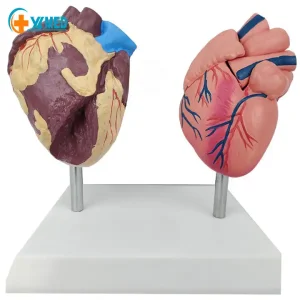
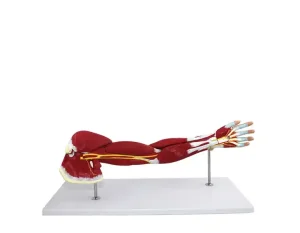
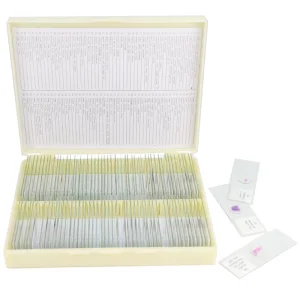
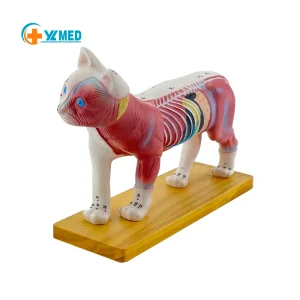
8 Factory-Listed Models for Immediate Pricelist Review
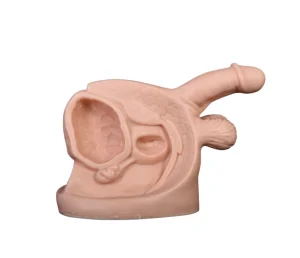
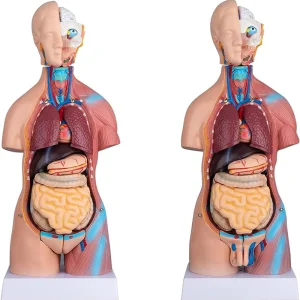
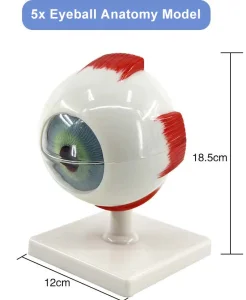
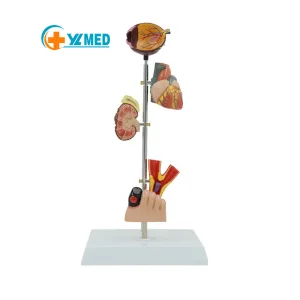
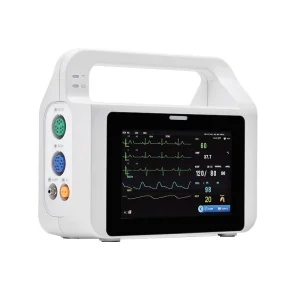
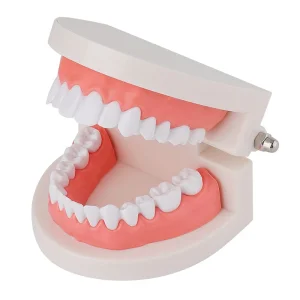
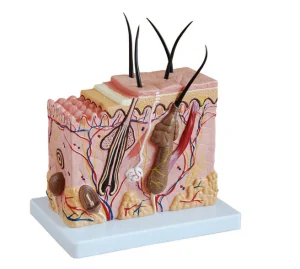
The following eight products are frequently bundled with simulation, anatomy and clinical-skills projects when distributors compare OEM female mannequin-with-face programs. Every product URL is preserved exactly, and each product title is displayed as a quote-ready button for fast buyer review.
OEM Female Mannequin With Face: A Specification-Led Purchase, Not a Catalog Commodity
Use this guide to compare quotes on total cost, compliance risk, repeatability and local-market fit — not only the lowest unit price.
In global B2B sourcing, the search phrase “OEM female mannequin with face” covers several end uses. A buyer may need a life-size female training manikin for nursing simulation, a detailed anatomy mannequin for patient education, a realistic female figure for retail visual merchandising, or a custom-branded display mannequin for exhibitions and showrooms. The shared requirement is facial realism, stable body proportions, durable surface finishing, repeatable OEM quality and a quotation that reflects the exact specification.
A pricelist becomes genuinely useful only after the specification is locked. Two offers that appear 20–30% apart in unit price often differ in material grade, face sculpt, joint articulation, surface coating, packaging, documentation and after-sales support. For procurement teams, the more important question is not “Who has the cheapest female mannequin?” but “Which supplier can repeat this approved sample across multiple batches without creating returns or compliance delays?”
This is where experience matters. Yulin Medical, operated by Henan Yulin Edu. Project Co., Ltd., has manufactured educational and medical equipment since 1958. Our quality management system has been ISO 9001 certified since 2008, and our factory in Xinxiang, Henan, China, employs more than 200 professional staff. With registered capital of RMB 120 million and ten product lines, we support distributors who need a female mannequin-with-face program to sit alongside anatomy models, nursing simulators, dental teaching tools, hospital furniture and biology lab supplies.
Information gain for buyers: before approving an OEM female mannequin quotation, request four evidence points: a face-detail photograph under 45° lighting, a written joint-articulation range, a material-safety declaration for skin and body components, and a drop-test packaging specification. These four data points reveal more about long-term resale risk than a generic one-page pricelist.
What Global Buyers Mean by OEM Female Mannequin With Face
The same keyword can lead to very different purchase specifications. Aligning the use case first prevents expensive sample revisions.
Medical & Nursing Simulation
For clinical-skills labs, the mannequin must support realistic patient positioning, cleaning protocols and repeatable training. Buyers typically specify skin texture, joint range, oral/nasal detail, detachable parts and a neutral expression suitable for assessment scenarios.
Anatomy & Patient Education
When used for patient communication, facial realism matters less than durable anatomy access, cleanable surfaces and clear presentation. A female face can improve emotional connection in public-health demonstrations without making the product unnecessarily fragile.
Retail Display & Visual Merchandising
For retail and exhibition use, the specification shifts toward face sculpt, makeup-ready finish, pose stability, crown and hand durability, and freight-efficient packaging. Oversized or fragile mannequins create hidden landed-cost penalties even when the FOB price looks attractive.
Custom Brand & Exhibition Programs
Distributors and brands may request OEM face sculpts, skin tones, hair, logo placement, custom bases and packaging. For these projects, approval should happen on a physical sample — not only on a digital rendering — because lighting, paint and material gloss can change the perceived quality dramatically.
Global Procurement Demand: Four Forces Reshaping Female Mannequin Sourcing
Demand is not one single curve. It is a set of procurement cycles across healthcare education, distribution, public tenders and commercial display.
Simulation-Lab Expansion
Medical schools, nursing colleges and hospital training centres are expanding simulation capacity and refreshing assessment equipment. Buyers increasingly ask for products that align with scenario-based training, including realistic facial detail, replaceable components and easy cleaning between learners.
Private-Label Distributor Growth
Distributors want differentiation beyond generic catalog images. A private-label female mannequin program can include custom packaging, localized instructions, branded base plates and a dedicated SKU set that supports higher resale value and repeat ordering.
Tender-Driven Education Procurement
Government and institutional tenders often require documentation, consistent dimensions, packing lists and predictable delivery. In tender-led markets, the winning supplier is usually the one that can combine a compliant quotation with a factory-controlled production schedule.
Retail & Exhibition Recovery
Retail brands, event organizers and showroom contractors continue to source display figures with faces for fashion, beauty, healthcare and public-awareness campaigns. These buyers prioritize visual impact, repeatable paint finish, quick assembly and economical carton dimensions.
Macro Industry Solutions: From a Single Mannequin to a Turnkey Simulation Lab
OEM buyers rarely purchase one isolated item. The strongest quotations connect the mannequin to the wider training, education or display ecosystem.
Nursing School Starter Lab
Combine a female mannequin-with-face program with injection arm models, anatomical torsos, CPR trainers, prepared slides and nursing demonstration models. A single mixed-category shipment reduces supplier administration and helps the school equip multiple classrooms from one purchase order.
Hospital Clinical-Skills Refresher
Hospitals often refresh training equipment before accreditation cycles. A practical package may include patient-positioning mannequins, airway and injection models, anatomy references and patient-education aids. Documentation and cleaning guidance become as important as the product itself.
Distributor Private-Label Catalog
For distributors, the goal is a coherent catalog rather than a single low-price item. OEM packaging, consistent color language, localized manuals and a stable specification sheet allow the distributor to build a repeatable brand experience across multiple product categories.
Patient Education & Public Health
Clinics, insurers, public-health teams and NGOs use realistic female figures for demonstrations involving women’s health, diabetes care, hygiene, rehabilitation and preventive screening. The best products balance visual clarity with durability for repeated handling at exhibitions and community events.
Technical Roadmap and Future Outlook: 2025–2030
Female mannequin procurement is moving toward modularity, documentation and sensor-ready design. Buyers who plan ahead can avoid re-tooling when training standards change.
Compliance-First Sourcing
Expect more requests for material declarations, restricted-substance data, stable color matching and batch traceability. A supplier with an ISO 9001 process and clear documentation workflow can shorten tender review and customs preparation.
Modular Face & Skin System
Buyers will increasingly prefer replaceable face, hand and skin components. Modularity extends product life, reduces after-sales cost and allows distributors to offer localized skin-tone and hairstyle options without creating entirely new molds.
Smart Training Integration
Simulation labs are expected to request QR-linked training content, sensor-ready cavities and optional feedback modules. The mannequin itself remains mechanical and cleanable, while digital content supports assessment, record-keeping and instructor guidance.
Circular Materials & Localized Production
Material recovery, repairable joints and lower-packaging-volume designs will become differentiators. Regional warehousing and localized assembly support can reduce lead time while keeping core tooling and quality control at the factory.
Global Commercial and Industrial Status: What Buyers Should Expect in 2025
Manufacturing depth remains important, but the real competitive advantage is specification control and supply reliability.
China remains one of the deepest sources for flexible OEM mannequin programs because it combines model-making, mold production, painting, packaging and export consolidation in one supply ecosystem. However, factory capacity alone does not guarantee a smooth program. In practice, face sculpting, skin-finish painting, joint assembly and protective packaging are often the bottlenecks that determine whether a sample can be replicated at scale.
The market is also shifting from low-price generic mannequins toward specification-led, documentation-backed procurement. Distributors that publish clear dimensions, materials, care instructions and compliance statements see fewer returns and stronger repeat orders. Hospitals, schools and tender authorities increasingly expect a supplier to explain not only what the product is, but how it is inspected, packed and supported after delivery.
For OEM female mannequin-with-face projects, a realistic quotation should consider total landed cost. That means unit price, mold or tooling amortization, sample cost, packaging volume, carton strength, compliance documentation, shipping mode and after-sales spare parts. Without these elements, a low quotation can hide costs in reshipment, damage claims or delayed tender acceptance.
Pricelist and Quote Intelligence: How to Read an OEM Female Mannequin Quote
A reliable quotation should be structured enough for comparison. If two suppliers cannot present the same cost elements in the same order, the buyer is comparing assumptions rather than prices.
Face Sculpt & Skin Finish
Face detail, eyelash application, makeup style, skin-tone matching and gloss level can change labor time and reject rates. Ask for close-up photos of the approved face under neutral light and confirm whether the production face uses the same mold and painting standard.
Body Material & Articulation
PVC, silicone-like blends, fiberglass, resin and TPE alternatives behave differently in weight, repair, cleaning and drop resistance. Joint design also affects carton size and assembly time. Specify the articulation range and whether hands, arms or heads must be replaceable.
MOQ, Tooling & Packaging
Custom molds, base plates, printed cartons and private-label manuals may require a minimum order quantity. Ask whether tooling is charged once, amortized into unit price, or refundable after a target volume. Packaging dimensions directly affect container utilization and landed cost.
Compliance, Testing & Freight
Material declarations, labeling, testing reports and shipping documents should be listed separately. For tender projects, confirm document language, validity dates and whether the supplier can support pre-shipment inspection. Freight mode should match the buyer’s deadline, not only the lowest rate.
Quote checklist for procurement teams
- Unit price at the required MOQ, with price breaks at higher volumes.
- Sample cost, sample lead time and whether sample charges are refundable.
- Mold, tooling, logo plate and custom packaging costs stated separately.
- Carton dimensions, gross weight, CBM and container-loading estimate.
- Material and safety documentation available for tender or import review.
- Warranty terms, spare-part availability and response time for after-sales issues.
Localization Support and Compliance Assurance for Global Distribution
OEM export success depends on more than manufacturing. Buyers need documents, labels, packaging and support that match the destination market.
Private Label & Language
We support private-label packaging and product presentation for distributors. Language options can be discussed during quotation, including English and project-specific buyer requirements. A clear label system reduces training errors and improves the resale value of the SKU.
Tender Documentation
Our ISO 9001 quality management system has been certified since 2008. Product-specific documentation can be provided on request to support tenders, import registration and internal procurement review. Buyers should confirm the exact document list required by their tender before order confirmation.
Material & Safety Declarations
For skin-contact, cleaning and handling requirements, buyers may request material declarations for body, face and coating components. Where destination-market testing is required, the specification should be agreed before sampling so that materials and packaging can be selected correctly.
Packaging & Logistics
Export packaging should protect the face, hands and joints during multi-stage handling. We can discuss carton testing, inner supports, moisture protection and container-loading plans. For mixed orders, consolidation can reduce total freight and simplify customs documentation.
OEM Customization Workflow: From Brief to Repeatable Batch
A structured workflow protects the approved face, skin tone, material and packaging from changing between sample and mass production.
Requirement Workshop
Share the end use, target market, dimensions, material preference, face style, skin tone, MOQ, packaging and required documents. For mixed orders, list all adjacent product categories so that consolidation can be assessed early.
Sample & Face Approval
Approve the face sculpt, skin finish, joint range and base stability on a physical sample. Record the approval in writing with photos and a specification sheet. This step is essential for distributors who need repeat orders months later.
Production & In-Process QC
Production follows the approved specification. Checks cover material appearance, face painting, joint function, surface cleanliness, dimensions and packaging fit. Batch records support traceability and help resolve any after-sales question efficiently.
Export Packing & Support
Protective packing, carton marking and shipping coordination are arranged for the destination. After delivery, our export team supports spare-part questions, reorder specifications and documentation requests so the product remains serviceable in the market.
One Accountable Manufacturer for Adjacent Product Lines
Female mannequin programs rarely ship alone. Schools, hospitals and distributors often combine simulation, anatomy, dental and hospital products in one order. Use these category pages to consolidate sourcing.
Anatomy Models
View range 02Biology Prepared Slides and Accessories
View range 03Dental Tools and Equipment
View range 04General Teaching Models
View range 05Hospital Furniture and Equipments
View range 06Hospital Machine and Tools
View range 07Medical Apparatus and Instruments
View range 08Medical Nursing Model
View range 09Skeleton Models
View range 10Suture Pads and Kits
View rangeExperience, Expertise, Authority and Trust: The Yulin Medical Manufacturing Base
A quotation is only as reliable as the factory system behind it. Buyers should verify history, quality management and export experience before placing a private-label program.
Henan Yulin Edu. Project Co., Ltd. was founded in 1958 and has grown into a well-known educational and medical equipment supplier that integrates scientific research, production and sales. With registered capital of RMB 120 million and more than 200 professional employees, the company manages product development, manufacturing, inspection and export from its base at No. 8, Daoqing Road, Industry Park, Hongqi District, Xinxiang, Henan, China.
Our quality management system has been ISO 9001 certified since 2008. The motto is simple: quality first, service first. Every order is produced and inspected so that distributors, medical universities, nursing colleges and hospitals receive consistent, documented products on every batch. For buyers sourcing an OEM female mannequin with face, this manufacturing discipline matters because face painting, skin finish and packaging repeatability are often where lower-quality suppliers fail after the first sample.
24/7 Responsive Service
Our export team is online 7 days a week and typically replies within 24 hours with catalogs, specifications, packing details and shipping options. This supports distributors working across different time zones.
Design & Packaging Team
In-house specialists support private-label packaging and product presentation. For OEM mannequin projects, this can include label design, instruction layout and packaging structures that improve shelf appeal and resale value.
Professional Category Expertise
Ten product lines cover anatomy models, nursing simulators, prepared slides, dental teaching tools, hospital furniture, medical apparatus, skeleton models and suture kits. Mixed-category orders can be consolidated under one point of contact.
60+ Years of Supply Stability
A factory with more than six decades of history and a stable partner supply network supports predictable lead times on repeat orders. For importers, that continuity is often more valuable than a one-time low quotation.
Quality Control, Documentation and After-Sales: What a Reliable Quotation Should Include
The best suppliers make quality visible before shipment. Ask for evidence, not assurances.
Incoming Material Check
Body materials, pigments, joint components and packaging are checked against the approved specification before production. Color and texture consistency should be verified under controlled lighting.
Face & Finish Inspection
Face symmetry, eye placement, paint adhesion, skin gloss and surface cleanliness are inspected on finished units. For OEM face sculpts, the approved sample remains the reference standard.
Packaging Validation
Carton fit, internal supports, face protection and drop resistance are reviewed before bulk shipment. Buyers shipping by less-than-container load should pay particular attention to outer carton strength and moisture protection.
Traceability & Support
Batch records, packing lists and product photos support traceability. After delivery, our team can assist with spare-part questions, reorder specifications and documentation requests for tender or import follow-up.
Frequently Asked Questions: OEM Female Mannequin With Face Pricelist & Quotes
Direct answers for procurement managers comparing suppliers, samples and total landed cost.
Is this mannequin suitable for medical training or retail display?
What is the MOQ and sample lead time?
How is the OEM female mannequin price calculated?
Can you customize face, skin tone, hair and packaging?
What documentation can be provided for tenders and imports?
How quickly will I receive a reply and quotation?
Request a Pricelist, Sample Photo Set or Tender-Ready Quotation
Tell us your target market, quantity, end use and documentation requirements. Our product specialists will recommend suitable models, share detailed specifications and propose a practical shipping plan for your order. We typically reply within 24 hours.
Bottom 8 Product Selections for Complete Project Procurement
These eight additional factory-listed products support mixed orders for rehabilitation, anatomy, biology, veterinary and clinical education projects. Product URLs and images remain preserved exactly for direct quotation requests.