OEM Digital Infant Incubator Manufacturers & Factories
A procurement-grade guide for distributors, hospital groups, tender teams, and private-label neonatal brands comparing digital infant incubator factories, OEM engineering capability, regulatory documentation, local service support, and long-term supply stability.
OEM Medical Equipment & Training Products from the Yulin Medical Ecosystem
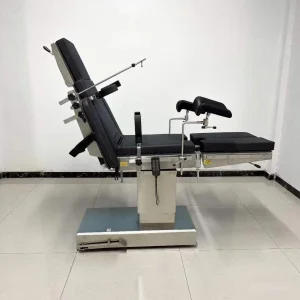
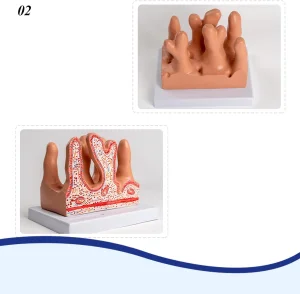
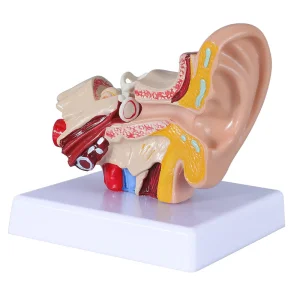
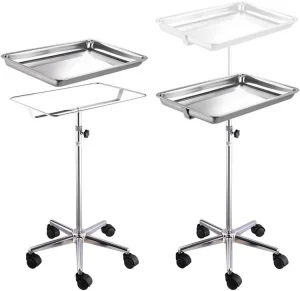
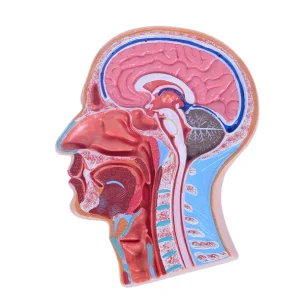
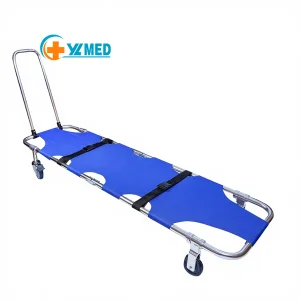
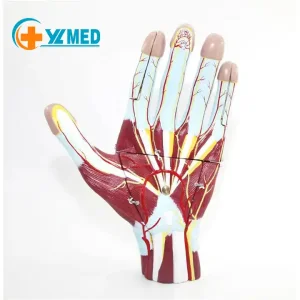
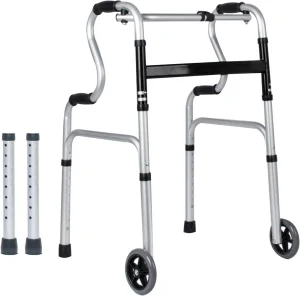
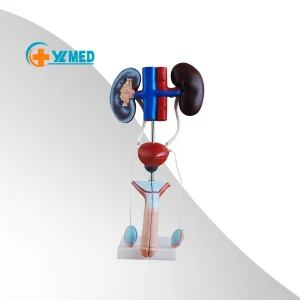
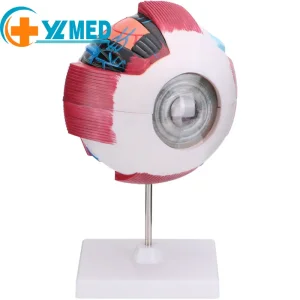
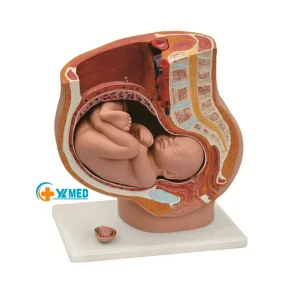
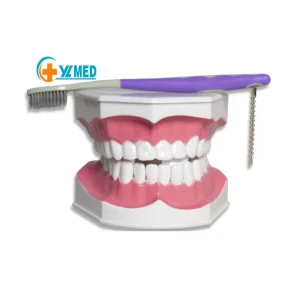
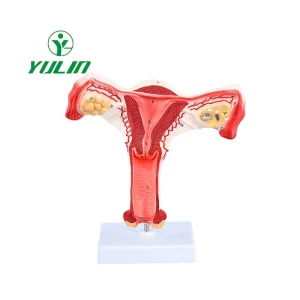
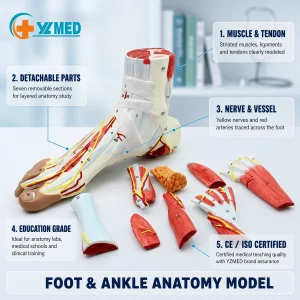
Buyers often begin with a focused neonatal equipment inquiry but later consolidate anatomy models, hospital furniture, nursing training items, dental teaching products, and emergency equipment into the same sourcing program. The products below preserve the original Yulin Medical product links and images, giving distributors a practical starting point for mixed-category OEM orders.
What Buyers Really Want from OEM Digital Infant Incubator Manufacturers
Most B2B searches for OEM digital infant incubator manufacturers and factories are not early-stage research. They come from distributors building a neonatal portfolio, procurement teams preparing a tender, private hospital groups replacing aging equipment, or brand owners looking for a manufacturing partner who can support a complete product lifecycle.
The strongest inquiries combine three evaluation layers: clinical performance, regulatory readiness, and commercial continuity. A low unit price cannot compensate for unstable temperature control, incomplete technical files, or a supplier that changes a critical component after registration.
At the clinical layer, digital infant incubators are expected to deliver stable air and skin temperature, precise humidity, controlled oxygen enrichment, low acoustic noise, easy cleaning, clear alarm logic, and workflow-friendly access for neonatal staff. At the regulatory layer, buyers ask for technical files, electrical safety and EMC reports, biocompatibility information for patient-contact materials, software verification evidence, labeling, traceability, and change-control records.
At the commercial layer, serious buyers compare tooling ownership, minimum order quantity, lead time, spare-parts strategy, clinical training, firmware maintenance, and the supplier’s ability to keep the same configuration available after the first order. This is why an information-rich OEM factory page should answer engineering, compliance, and lifecycle questions together — not simply list product photographs.
Procurement questions behind the keyword
Search intent note: OEM, ODM, private label, factory-direct, manufacturer, supplier, and tender-ready are different intents. A credible page must distinguish them clearly and provide verifiable documentation pathways.
Digital Infant Incubator Trends: From Simple Warmth to Connected Neonatal Care
The category is moving from isolated warming devices toward connected, modular, serviceable neonatal care platforms. For OEM buyers, the winning roadmap is not the most complicated feature list; it is the most reliable combination of clinical stability, regulatory clarity, manufacturing discipline, and local serviceability.
Servo-Controlled Microclimate
Digital control loops now manage air and skin temperature with tighter stability, trend logging, and alarm escalation. Buyers increasingly expect dual-sensor logic, self-diagnostics, and documented calibration procedures rather than basic thermostat control.
Humidity, Oxygen & Phototherapy Convergence
NICU teams prefer modular platforms that combine humidification, oxygen control, and jaundice therapy without crowding the neonatal workspace. OEM designs must balance clinical function, cleaning access, and electrical safety in a compact enclosure.
Interoperability & EMR Data
HL7/FHIR-ready gateways, device dashboards, and remote service data help hospitals integrate incubators into neonatal informatics. The factory that can supply structured data interfaces and cybersecurity documentation gains a clear tender advantage.
Transport & Modular NICU Networks
Compact transport incubators, docking systems, and lightweight modules support regional referral networks. Procurement teams increasingly evaluate the whole transfer chain, not just the incubator inside the NICU.
Human-Centered NICU Design
Lower noise, rounded edges, clear access ports, tool-free cleaning, and family-centered visibility are becoming tender requirements. Design details that reduce staff fatigue and improve infection control are commercial advantages, not cosmetic preferences.
Cybersecurity & Post-Market Surveillance
Connected devices need access control, signed updates, audit logs, incident response, and long-term software lifecycle planning. OEM contracts should define who maintains firmware, how vulnerabilities are reported, and what happens after the warranty period.
Global Procurement Demand: What Distributors, IDNs and Tender Teams Evaluate
Global demand for digital infant incubators is shaped by birth volume, neonatal mortality reduction targets, hospital modernization, and local registration requirements. The same product can be evaluated very differently in a fast-growing market, a mature regulated market, and a donor-funded tender program.
Middle East & Africa
Projects often prioritize robust basic performance, dust and heat tolerance, voltage compatibility, spare-parts availability, and distributor training. Procurement teams may request extended service intervals and simplified maintenance documentation.
Asia-Pacific
High-volume public tenders demand value engineering, stable lead times, local documentation, and after-sales support. Distributors often look for modular configurations that can cover tertiary NICU and district hospital requirements.
Europe & North America
Mature markets emphasize regulatory readiness, clinical evidence, interoperability, cybersecurity, sustainability, and long-term service contracts. Technical files and post-market processes must be planned before commercial launch.
Latin America
Spanish and Portuguese documentation, registration timelines, voltage compatibility, and distributor support strongly influence supplier selection. Buyers value factories that can adapt manuals, labels, packaging, and spare-parts kits efficiently.
Typical sourcing weightings in neonatal equipment evaluation
These weightings illustrate common procurement priorities discussed in neonatal equipment sourcing. Actual weighting varies by country, tender specification, hospital level, and financing program.
Matching Digital Infant Incubator Platforms to Care Settings
A single incubator model rarely fits every market. OEM factories should help distributors and hospital groups build a portfolio that covers different clinical levels, infrastructure realities, and service capabilities.
Tertiary NICU
Advanced thermal control, humidity management, oxygen monitoring integration, phototherapy options, trend review, and connectivity are more important than minimal cost. These units require careful clinical validation and lifecycle support.
District & General Hospitals
Robust core functions, simple operation, easy cleaning, stable spare-parts supply, and training materials matter most. A lean configuration reduces maintenance burden while preserving essential neonatal safety features.
Transport & Referral Networks
Compact incubators must tolerate vehicle vibration, temperature swings, and variable power. Battery performance, securing systems, alarm visibility, and interoperability with ambulance equipment are critical design inputs.
Telehealth & Remote Service
Connected service platforms can support remote diagnostics, maintenance reminders, firmware coordination, and training. Buyers should define data ownership, cybersecurity responsibilities, and service escalation paths before launch.
OEM, ODM and Private-Label Incubator Programs
Not every buyer needs the same manufacturing model. The right choice depends on how much product definition, tooling investment, regulatory responsibility, and brand control the buyer wants to retain.
Private-Label Manufacturing
The buyer selects an existing platform and applies brand identity, manual language, packaging, voltage, plug type, and selected accessory kits. This is usually the fastest route for distributors who need a market-ready neonatal product range without new tooling.
OEM Customization
The buyer defines specifications while the factory supports industrial design, electronics integration, enclosure changes, labeling, testing, and documentation. Clear change-control and ownership of tooling, drawings, software, and packaging artwork must be agreed early.
ODM Platform Development
The factory contributes a proven platform plus engineering adaptation for new clinical features or market requirements. ODM programs require stronger validation planning because clinical claims, software behavior, and regulatory classification may change.
From Product Brief to Serial Production
A disciplined five-stage path keeps a digital infant incubator OEM project commercially realistic and audit-ready.
Clinical & Market Brief
Define clinical level, target market, regulatory route, voltage, language, accessories, and service model.
Design & Electronics
Confirm enclosure architecture, sensor strategy, alarm logic, user interface, cleaning access, and key components.
Prototype & Validation
Build functional prototypes, review usability, run thermal and electrical tests, and freeze the configuration baseline.
Documentation & Registration
Prepare technical files, labels, manuals, test evidence, software documentation, and market-specific submission support.
Production & Lifecycle
Serial manufacture, inspection, packaging, spare-parts planning, training, change control, and post-market support.
Compliance Is Not a Certificate Added at the End — It Is an Architecture Decision
For digital infant incubators, regulatory readiness must shape the product from the first drawing. Electrical safety, software behavior, alarm design, materials, labeling, and change control all affect whether a factory can support registration and long-term market access.
Documentation and standards pathway
Regulatory classification and evidence requirements depend on intended use, claims, software functions, and market. Final registration strategy should be confirmed with the manufacturer and a qualified local regulatory professional.
Localization that reduces distributor risk
For distributors, localization is a profit-protection feature: fewer installation errors, faster service response, lower downtime, and stronger tender compliance.
Technology Roadmap for Digital Infant Incubator OEM Programs
The next generation of neonatal incubators will be judged by how well it combines precise microclimate control with serviceability, interoperability, and lifecycle security. A practical roadmap should separate proven clinical functions from features that still require validation.
2025–2026: Precision & Serviceability
Focus on dual-sensor temperature validation, humidity stability, self-test routines, modular electronic boards, tool-free cleaning, and faster spare-parts replacement. These improvements directly reduce training time and service cost.
2027–2029: Connected NICU
Expand EMR integration, remote diagnostics, fleet analytics, configurable alarm profiles, and secure software update workflows. Hospitals will expect clear data ownership and documented cybersecurity controls.
2030+: Predictive & Sustainable Care
Explore model-based thermal control, AI-assisted early-warning features with rigorous clinical validation, lower-energy components, recyclable materials, and modular upgrades that extend device life instead of forcing early replacement.
Inside an OEM Digital Infant Incubator Factory: Quality by Process
A credible OEM factory demonstrates quality through process evidence, not slogans. For neonatal equipment, every critical component and every software change should be traceable to a validation record and a controlled configuration.
Incoming Material Traceability
Sensors, PCBA assemblies, polymers, metal parts, power supplies, and patient-contact materials are checked against approved specifications and lot records.
PCBA & Sensor Validation
Control boards, displays, alarm circuits, and temperature sensors are tested before assembly. Calibration fixtures and software checks reduce batch-to-batch variation.
Mechanical & Polymer Fabrication
Enclosure tolerances, access ports, sealing surfaces, and cleaning accessibility are inspected to support infection-control procedures and long-term durability.
Calibration & Safety Testing
Temperature stability, humidity response, alarm limits, electrical safety, and EMC-related checks are performed according to the approved product specification.
Burn-In & Final Inspection
Finished units run through functional cycles, alarm simulations, and visual inspection. Final release requires documentation, accessories, labels, and packaging verification.
Export Packaging & Documentation
Protective packaging, manuals, certificates, spare-parts lists, and shipping marks are checked against the destination market and distributor requirements.
A Six-Decade Medical Equipment Manufacturer for Mixed-Category OEM Sourcing
Henan Yulin Edu. Project Co., Ltd. (Yulin Medical) has built educational and medical training equipment in Xinxiang, China, since 1958. Our quality management system has been ISO 9001 certified since 2008, and our operating motto is simple: quality first, service first.
With registered capital of RMB 120 million and more than 200 professional employees, Yulin Medical manages product development, manufacturing, inspection, and export from our base at No. 8, Daoqing Road, Industry Park, Hongqi District, Xinxiang, Henan. Our ten product lines support distributors, medical universities, nursing colleges, hospitals, and training centers that prefer one accountable manufacturing partner for mixed-category orders.
For digital infant incubator OEM programs, the same principles apply: define the clinical and regulatory requirements clearly, design for manufacturability and serviceability, validate critical controls, document every change, and protect the distributor’s brand with private-label packaging and localized documentation. Where a project requires specialized neonatal subsystems, the manufacturing plan should identify qualified technology partners, validation responsibilities, and product-specific certification pathways before the commercial offer is finalized.
Yulin Medical also offers in-house design and packaging support, factory-direct supply across multiple product lines, and consolidated export coordination. Buyers can combine anatomy models, nursing training products, dental teaching equipment, hospital furniture, and emergency products with OEM neonatal equipment inquiries, reducing supplier-management overhead.
Factory facts that matter to OEM buyers
FAQ: OEM Digital Infant Incubator Manufacturers & Factories
Procurement teams ask similar questions before moving from catalog research to a factory audit or sample order. These answers reflect the sourcing logic of a medical equipment manufacturer with long-term export experience.
Is Yulin Medical a manufacturer or a trading company?
We are a manufacturer. Henan Yulin Edu. Project Co., Ltd. was founded in 1958 and operates its own factory in Xinxiang, Henan, China, with more than 200 professional staff. For one-stop orders, we also coordinate a stable network of long-term partner factories.
Which certifications can be provided?
Our quality management system has been ISO 9001 certified since 2008. For digital infant incubator OEM projects, product-specific documentation — such as IEC 60601 test reports, software evidence, material information, and technical files — must be confirmed according to the final configuration and target market.
What can be customized for private label?
Typical customization includes brand identity, packaging, manuals, labels, voltage and plug type, selected accessories, language versions, user-interface text, spare-parts kits, and service documentation. Tooling and firmware ownership should be documented before development begins.
What is the typical OEM process?
A practical process covers clinical and market definition, industrial design and electronics planning, prototype validation, documentation and registration support, pilot production, serial production, and lifecycle service. The exact sequence depends on whether the project is private label, OEM customization, or ODM platform development.
How is intellectual property protected?
Projects should begin with an NDA, clear ownership of tooling, drawings, firmware, packaging artwork, and approval rights for engineering changes. Controlled documentation and restricted access to product files are essential for distributors investing in private-label neonatal equipment.
How is after-sales support handled?
Support planning should include spare-parts recommendations, calibration guidance, technical escalation, return workflow, training materials, firmware update policy, and change notification. For connected models, cybersecurity incident response and data responsibilities must also be defined.
Request an OEM Digital Infant Incubator Proposal
Tell us your target market, clinical level, expected quantities, certification requirements, language needs, and preferred service model. Our export team can recommend suitable product configurations, prepare a specification discussion, and coordinate factory documentation for distributor and tender reviews.
More OEM Medical, Hospital and Teaching Equipment Products
These additional product links preserve the original images, URLs, and product titles for buyers building a consolidated medical equipment order alongside neonatal equipment inquiries.