OEM Diagnostic Ultrasound System Manufacturers & Service
A white-paper sourcing guide for distributors, hospital groups, private-label brands and procurement teams—covering clinical localization, ultrasound technology roadmaps, China supply-chain resilience, global commercial context, compliance evidence and responsive OEM service.
First 8 Reference Products for OEM Diagnostic Ultrasound & Clinical Sourcing
The original product references supplied for this page are preserved below with their image assets, product URLs and button-style links. These items also illustrate the broader medical-equipment sourcing environment in which ultrasound OEM buyers require dependable documentation, packaging and mixed-category consolidation.
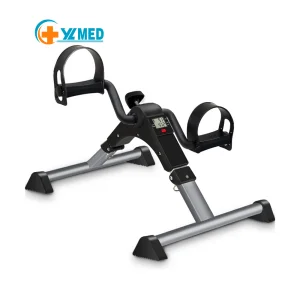
Wholesale Medical Rehabilitation Training Office Fitness, Trainings arm-und Bein übungen, Rehabilitation strain ings roller Manufacturers, Service
View Product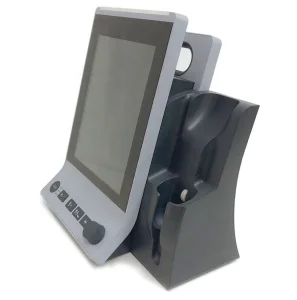
China Hot Selling Hospital Equipment Clinic for Hospital Monitoring Equipments Manufacturer, Quotes
View Product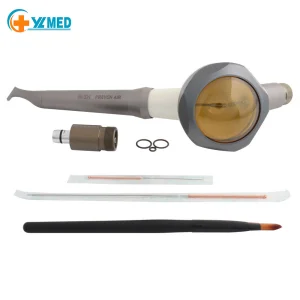
ODM Oral medical equipment can be sterilized at high temperature Dental sandblasting gun supragingival whitening cleaning machine Factory, Pricelist
View Product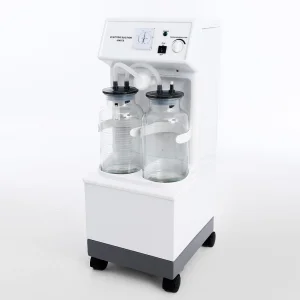
ODM Medical Electric Aspirator Suction Machine: Double Bottles with Vacuum Suction Trolley Unit Manufacturers, Service
View Product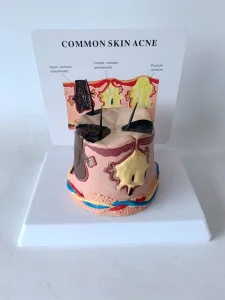
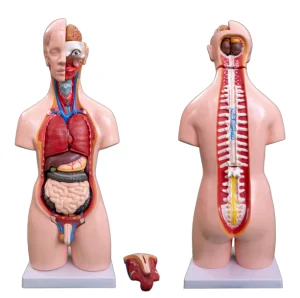
Wholesale Best Selling Anatomical Human Structure Skin Model for Teaching Model Quotes, Service
View Product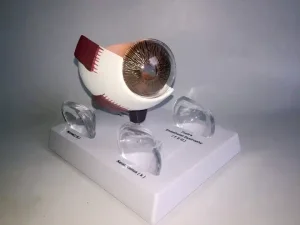
ODM Human eye structure teaching model Eye anatomy model Ocular lens disease demonstration teaching Factory, Quotes
View Product
What a Reliable OEM Diagnostic Ultrasound Partner Must Prove
Demand for diagnostic ultrasound is expanding beyond radiology departments into primary care, emergency medicine, women’s health, musculoskeletal assessment, mobile outreach and veterinary use. For an OEM buyer, the harder question is not whether a supplier can show a catalogue image; it is whether the supplier can document image-chain consistency, probe traceability, software validation, regulatory scope, spare-parts planning and localized service.
Clinical Fit, Not Just Hardware
Probe mix, image presets, measurement packages, report templates, language packs and workflow design must match the intended clinical environment. A portable system used in triage has different ergonomic and durability priorities from a cart-based system used in a radiology suite.
Evidence-Based Quality System
ISO 9001 discipline is a starting point, but ultrasound programmes also require device-specific quality controls, component traceability, software change control, verification records, cybersecurity review and post-market surveillance processes that can be shown to distributors and regulators.
Market-Specific Compliance
CE MDR, FDA 510(k), NMPA registration and local import registrations are project-specific. Serious suppliers state clearly which products are cleared, which are in progress and which documents can be disclosed. Buyers should verify certificate scope, listed models and claims instead of requesting a logo wall.
Service That Survives Distance
Probe repair, calibration support, spare-parts kits, firmware updates, remote diagnostics, distributor training and escalation workflows determine total cost of ownership. A low unit price without service depth creates risk for tenders, hospitals and long-term distribution rights.
Where Localized Diagnostic Ultrasound Creates Clinical and Commercial Value
“Localization” is often misunderstood as translating a menu. In practice, it means adapting the system to local disease priorities, operator skill levels, power conditions, service infrastructure, language requirements, report conventions and regulatory expectations. These are the application scenarios that distributors and hospital groups most often ask OEM manufacturers to support.
Primary Care & Community Screening
Compact and portable systems can support abdominal, thyroid, breast, vascular and basic obstetric assessments where specialist radiology is limited. OEM specifications should prioritize fast boot, simple presets, durable probes, clear bilingual reporting and remote support for nurses and general practitioners.
Emergency & Point-of-Care
Emergency departments, ICUs and ambulance services need rapid assessment workflows for trauma, cardiac, lung, vascular-access and procedural guidance. Battery life, drop resistance, sterile probe covers, wipe-down surfaces, quick-start workflows and reliable image storage can matter as much as premium image features.
OB/GYN & Women’s Health
Obstetric and gynecological applications demand localized measurement tables, report templates, privacy controls and appropriate probe choices. Buyers should verify whether the intended market requires specific registrations, clinical claims, language packs and service capabilities before committing to a private-label configuration.
Cardiology & Vascular Access
Cardiac and vascular programmes require phased-array and linear probes, Doppler workflows, measurement consistency and operator training. For distributors, the commercial bundle often includes probe protection, ECG accessories where applicable, reporting software and a service plan for high-use departments.
Musculoskeletal & Sports Medicine
MSK users need high-frequency linear probes, clear tendon and joint imaging, ergonomic workflows and comparison views. Clinics and sports-medicine teams often prefer portable systems that can move between examination rooms, training facilities and outreach events without losing image quality.
Mobile Outreach & Rural Clinics
Mobile clinics require rugged transport cases, wide-voltage power adaptation, image export, cloud or USB archiving, local-language UI and a practical spare-parts kit. For OEM buyers, these scenarios create opportunities for differentiated bundles rather than price-only competition.
From Image Quality to Connected Clinical Intelligence
A credible ultrasound OEM roadmap balances hardware, software, regulatory strategy and service economics. Buyers should avoid evaluating only today’s image quality; they should ask how firmware, probes, cybersecurity and clinical applications will be supported after installation.
0–24 Months: Reliable Core Performance
Near-term priorities include stable digital beamforming, high-channel architectures, robust transducer portfolios, fast boot times, touch-friendly interfaces, DICOM connectivity and practical measurement packages. For local markets, language packs, report customization and service diagnostics should be validated before launch.
2–5 Years: AI Assistance & Connected Workflow
The market is moving toward AI-assisted measurements, automatic Doppler tracing, image-quality guidance, cloud PACS integration, tele-ultrasound and wireless probes. These features must be supported by validation plans, privacy controls, version control and clear clinical claim boundaries.
5+ Years: Quantitative & Predictive Imaging
Longer-term differentiation is expected in matrix and single-crystal probes, quantitative biomarkers, edge AI, predictive maintenance, cybersecurity-by-design and sustainable packaging. OEM buyers sourcing for multi-year tenders should require a documented upgrade path instead of accepting a closed, static platform.
Clinical Validation
Define intended use, users, environments and claims before choosing probes and software. Do not let marketing copy outrun regulatory clearance.
Interoperability
Confirm DICOM, report export, worklist integration, image formats and network behavior in the actual hospital IT environment.
Cybersecurity
Review access control, encryption, update handling, vulnerability response and device data flows during technical due diligence.
Lifecycle Service
Plan probe repair, battery replacement, software updates, spare parts and training from the first quotation to year five.
Supply-Chain Resilience and Efficiency—Without Overclaiming
China’s medical-device supply chain benefits from deep component clusters, experienced engineering talent, mature export logistics and rapid iteration between design and production. However, resilience is not automatic. It depends on supplier qualification, dual sourcing, process control, inventory strategy and transparent communication when component lead times shift.
Cluster Depth & Component Access
Transducers, cables, connectors, displays, batteries, boards and mechanical parts can be sourced through specialized clusters. A disciplined OEM programme qualifies multiple suppliers for critical components and documents alternates before volume production.
ISO 9001 Discipline in Practice
Henan Yulin Edu. Project Co., Ltd. has operated an ISO 9001 quality management system since 2008. Incoming inspection, in-process checks, final inspection, packing verification and corrective-action records help keep mixed-category orders consistent.
Flexible NPI & Volume Ramp
OEM buyers need a path from sample evaluation to pilot production and then volume supply. Clear specifications, golden samples, packaging approval, pilot-run inspection and change-control gates reduce rework and protect launch dates.
Logistics & Continuity Planning
Export cartons, palletization, drop protection, humidity control and documentation should be designed for long-distance shipping. For ultrasound equipment, battery shipping rules, fragile optics, probe protection and calibration records require specific handling plans.
Yulin Medical’s factory base in Xinxiang, Henan, was founded in 1958 and has grown with more than 200 professional staff and registered capital of RMB 120 million. The company integrates production, inspection, sales and export coordination across 10 product lines. For OEM ultrasound projects, the same principles—specification control, supplier qualification, packaging discipline and one point of contact—are applied through qualified manufacturing partners. Resilience is proven by documentation and contingency plans, not by slogans.
What Distributors Should Understand About the Global Ultrasound Market
The global ultrasound market spans premium cart-based systems, mid-range shared-service platforms, portable point-of-care devices and handheld or wireless probes. High-end image quality remains concentrated among leading global brands, while the mid-range, portable and local-service segments offer realistic opportunities for OEM and ODM programmes. The commercial winner is rarely the supplier with the lowest quotation; it is the partner that helps the distributor build a repeatable local business.
Demand Is Shifting Toward Access
Ageing populations, chronic disease management, emergency decentralization and primary-care expansion continue to create demand for affordable, portable and easy-to-train ultrasound systems. Buyers should segment the market by clinical environment rather than by price alone.
Probes Drive Revenue & Loyalty
Probe portfolios, probe protection, repair and replacement are central to lifetime value. Distributors should negotiate probe-level documentation, serial-number tracking, warranty terms and local repair or exchange pathways.
Software & Training Are Differentiators
AI assistance, reporting templates, cloud export and language packs make a system easier to sell and support. Training packages for application specialists, biomedical engineers and sales teams can protect the brand after installation.
Local Registration Shapes Strategy
Entry strategy must follow market registration reality. A product may be acceptable in one jurisdiction and require substantial additional work in another. OEM manufacturers should provide honest timelines, technical files and change-notification processes for regulatory maintenance.
For distributors, the strongest commercial model usually combines a clearly positioned clinical segment, a compact probe portfolio, a service agreement, accessories and consumables, and a training pathway. For hospital groups, the priority is interoperability, cybersecurity, uptime and procurement documentation. For private-label brands, the priority is packaging, documentation, stable firmware releases and a manufacturer who can keep the product identity coherent across markets. These requirements define the real meaning of OEM service.
Localized Support and Compliance: The Non-Negotiable Layer
Compliance is not a static certificate to place in a brochure. It is a continuing process that includes intended use, risk management, technical documentation, software lifecycle control, labeling, post-market surveillance and change notification. Buyers should request evidence that matches the exact model, probe, accessory and market.
Regulatory Evidence
Confirm whether the exact system is registered or cleared for the target market. For ultrasound OEM projects, relevant evidence may include NMPA registration, CE MDR documentation, FDA clearance where applicable, ISO 13485 scope and product-specific test reports. Not every product holds every certification.
Clinical & Language Localization
Localization should cover user interface, measurement tables, report templates, alarms, warnings, manuals, training materials and service menus. Validate translations with clinical users; poor terminology can create usability and safety risks even when the underlying technology is sound.
Service, Spares & Probe Care
Define warranty terms, response targets, spare-parts lists, probe repair options, calibration expectations and return procedures. For remote markets, a local service partner, troubleshooting guide and remote diagnostics can reduce downtime and protect distributor reputation.
Cybersecurity & Data Governance
Review access control, network configuration, encryption, data export, update delivery, UDI traceability and post-market surveillance. Hospitals and tenders increasingly ask cybersecurity questionnaires before accepting connected medical devices.
Six Decades of Manufacturing Discipline for Medical Equipment Programmes
Henan Yulin Edu. Project Co., Ltd. (Yulin Medical) was founded in 1958 and has grown into a well-known educational and medical equipment supplier that integrates scientific research, production and sales. With registered capital of RMB 120 million and more than 200 professional employees, the company manages product development, manufacturing, inspection and export from its base at No. 8 Daoqing Road, Hongqi District, Xinxiang, Henan, China.
The quality management system has been ISO 9001 certified since 2008, and the company motto remains quality first, service first. Its vision is to provide professional educational and medical training products from mainland China, backed by process control and category knowledge. For buyers, the practical value is one accountable manufacturing and sourcing team for anatomy models, nursing simulators, laboratory slides, hospital furniture and mixed-category shipments, supported by private-label design and packaging resources.



One-Stop Product Categories Retained from the Original Range
Yulin Medical’s established range covers ten specialised product lines. These category links remain available for distributors, schools and hospitals that need consolidated sourcing alongside an OEM ultrasound project.
Clinical Training & Hospital Equipment Range Retained
These featured CPR, emergency, rehabilitation and hospital items are retained from the original page. They demonstrate the adjacent clinical supply ecosystem that distributors often combine with ultrasound accessories, training and hospital equipment in one purchase plan.












Manufacturing, Product and Export Visuals Retained
Complete images from the original page are retained here for visual due diligence. Images are displayed with proportional scaling so that product and facility details are not cropped or compressed.
 Medical teaching models and training equipment
 Anatomy and skeleton models for education
 CPR manikins and nursing simulation
 Hospital furniture and medical equipment
 Global export service for distributors
 Anatomy and medical teaching model collection
 Nursing and clinical skills training models
 Hospital equipment and medical instruments
Why Distributors and Institutions Partner with Yulin Medical
Four strengths overseas buyers consistently cite when they move long-term orders to our factory, and four reasons the same discipline matters for OEM diagnostic ultrasound service planning.
24/7 Responsive Service
Our team is online 24 hours a day, 7 days a week. Whatever your time zone, you receive a detailed answer as quickly as possible—typically within 24 hours.
Design & Packaging Team
In-house specialists deliver professional product design and private-label packaging that strengthens your brand and increases the added value of every unit you sell.
Professional Expertise
Our vision is to provide the most professional educational and medical training products from mainland China, built under ISO 9001 process control and decades of category knowledge.
60+ Years of Supply Stability
A factory with over 60 years of history and a deeply integrated partner supply chain lets us meet one-stop demands and keep lead times predictable on repeat orders.
A Transparent 5-Step Process for Overseas Buyers
From first conversation to delivery, every stage has a named contact and clear documentation, so you can plan stock, tenders and training schedules with confidence.
Share Requirements
Send product types, quantities, target market and any tender or certification needs.
Catalog & Proposal
Receive matched models, specifications, packaging options and shipping suggestions.
Sample Evaluation
Test samples with your instructors or clinicians before confirming bulk production.
Production & QC
Manufacturing and inspection follow our ISO 9001 quality management system.
Export & Support
Protective export packing, delivery coordination and responsive after-sales service.
News and Practical Guidance from Our Specialists
Exhibition updates and hands-on guidance written by the team that designs, manufactures and supports our medical equipment range.

Do You Really Know How to Observe Biological Prepared Slides?
Many plant and animal cell structures can only be studied under a microscope, which makes prepared biological slides essential in every biology lab. Yet many users never get the full value from them. Our specialists explain how to handle, focus and store slides correctly so students see clearer detail and your slide sets last for years.

The 5th Henan Provincial Educational Equipment Expo Concludes Successfully
Themed “Digital Leading Innovation and Development”, the expo reached a record 50,000 m² with 600+ brands and 10,000+ products on display, showcasing the latest educational equipment.

Inside Our Product Showroom
A look at the medical teaching models and training equipment buyers can inspect in person when visiting our Xinxiang facility.
Frequently Asked Questions from Importers
Straight answers to the questions procurement managers ask most before placing a first order or evaluating an OEM diagnostic ultrasound project.
Is Yulin Medical a manufacturer or a trading company?
What quality certification do you hold?
Do you support OEM, private label and custom packaging?
How do I choose the right CPR training manikin?
How quickly will I receive a reply?
What should an OEM diagnostic ultrasound buyer verify before signing?
How do you localize a diagnostic ultrasound system for different markets?
How are regulatory compliance and product claims controlled?
What is included in service, spare parts and probe management?
How does Yulin Medical support mixed-category and one-stop orders?
What is the difference between OEM and ODM for diagnostic ultrasound?
Which probes and applications should be specified first?
Bottom 8 Reference Products for Hospital, Education & OEM Sourcing
The remaining original product references are displayed below with their complete image assets and product URLs preserved in button-style links.
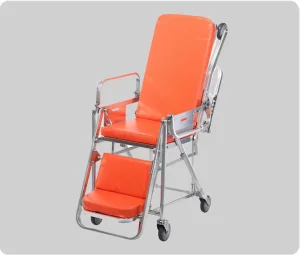
ODM Ambulance Loading Stretcher Aluminum Alloy Foldable Transfer Trolley Emergency Lifting Stretcher Factory, Service
View Product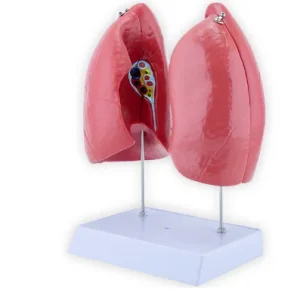
OEM The four-part model of human lung anatomy was demonstrated in medical teaching Manufacturer, Factory
View Product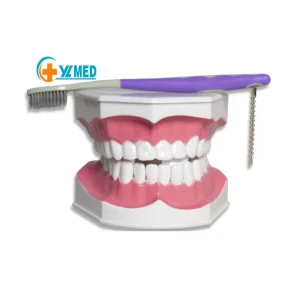
China 2 Times Large Teeth Teaching Model Advanced General Configuration and Basic Configuration of Dental Medicine Model Manufacturers, Factories
View Product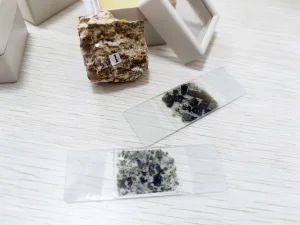
ODM Microscope slides prepared by grinding mineral slides for teaching experiments Manufacturer, Pricelist
View Product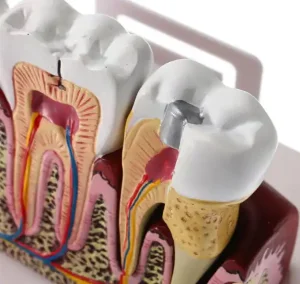
China Dental student jaw model teaching tooth models for dentistry student teeth model Manufacturers, Service
View Product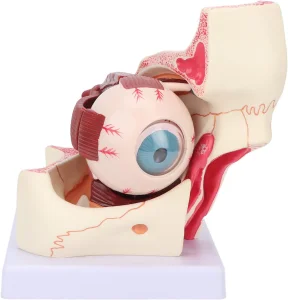
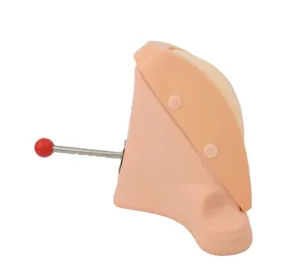
Wholesale Factory Supply High Quality and Best Price Episiotomy Incision and Suture Skills Training and Teaching Models Medical Science Manufacturers, Pricelist
View Product
Request a Compliant OEM Ultrasound Proposal
Tell us your target market, intended clinical applications, probe requirements, quantities, branding needs and certification expectations. Our export team typically replies within 24 hours with a structured checklist, model recommendations and shipping options.

Henan Yulin Edu. Project Co., Ltd.
No. 8, Daoqing Road, Industry Park, Hongqi District, Xinxiang, Henan, China.
ISO 9001 certified since 2008. Founded in 1958. Registered capital RMB 120 million. More than 200 professional staff. Ten product lines. Export team online 7 days a week.