ISO 9001 · Since 1958 · OEM / ODM · Global Export
OEM CPR Manikin Factory & Factories
Factory-direct CPR training manikins, nursing simulators, anatomy models and hospital training equipment from Henan Yulin Edu. Project Co., Ltd. — built in Xinxiang, China, documented for distributors and tenders, and supported for local training markets worldwide.
Founded 1958
ISO 9001 since 2008
200+ professionals
24-hour reply target
Factory-Direct Product Portfolio: Eight Buyer-Ready Models
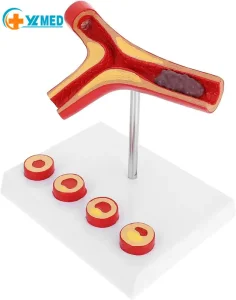
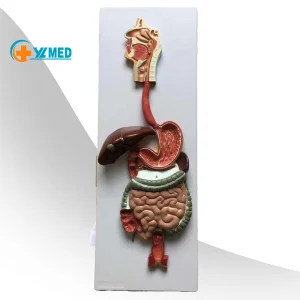
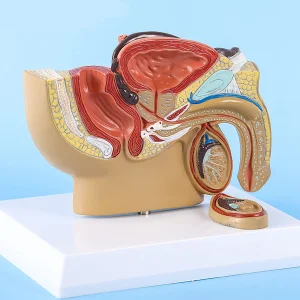
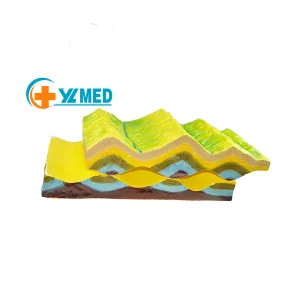
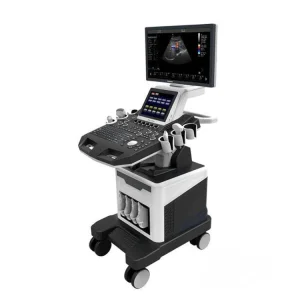
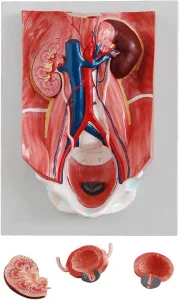
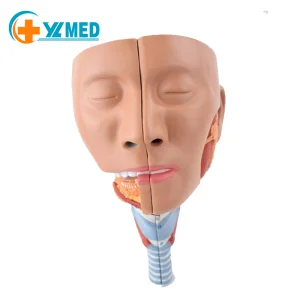
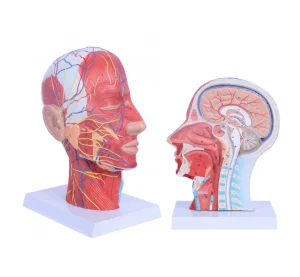
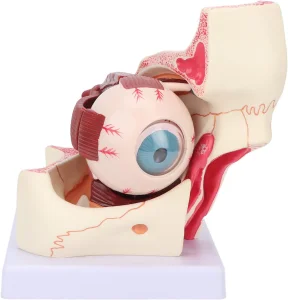
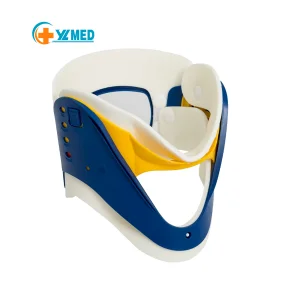
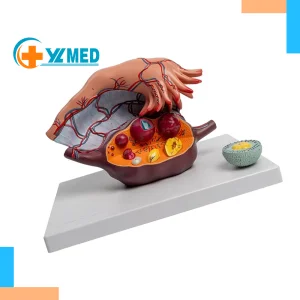
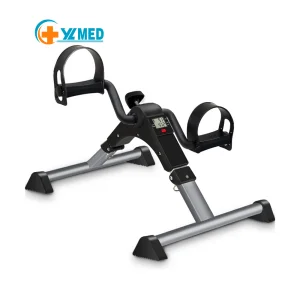
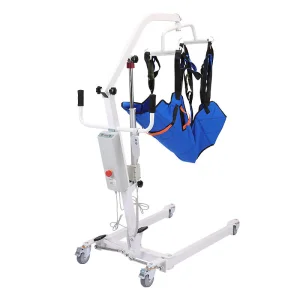
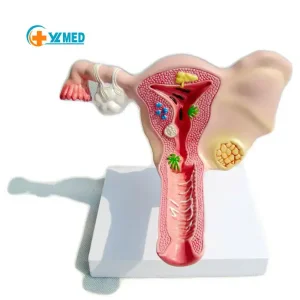
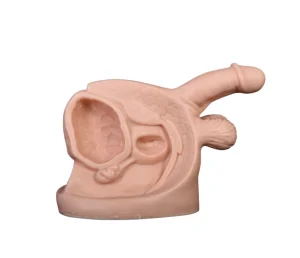
OEM and ODM buyers rarely purchase a single manikin in isolation. They need a repeatable portfolio: CPR trainers, anatomy references, emergency immobilisation tools, nursing models and hospital training items that can ship together, be documented consistently and be branded for local markets. The eight products below are retained from the supplied Yulin Medical reference range, with their original images and product URLs, and they show the adjacent categories that distributors, medical schools and hospitals often request in the same tender.
A CPR Manikin Factory Built on 60+ Years of Medical Teaching Manufacturing
Yulin Medical is not a trading-only label. It is an ISO 9001 certified manufacturer with a long operating history, a defined factory address and a documented quality process.
Henan Yulin Edu. Project Co., Ltd. was founded in 1958 and has grown into a manufacturer that integrates scientific research, production and sales. From its base at No. 8, Daoqing Road, Industry Park, Hongqi District, Xinxiang, Henan, China, the company manages product development, tooling coordination, manufacturing, inspection, packaging and export preparation. Registered capital is RMB 120 million, and the team includes more than 200 professional staff. The working motto — quality first, service first — is not a slogan used only at quotation stage; it is the operating standard behind repeat OEM orders.
For OEM CPR manikin programmes, the important question is not simply whether a factory can produce one sample. It is whether the factory can reproduce the same SKU, with the same feedback behaviour, colours, consumables, labels and packaging, after 6, 12 or 36 months. That is where a mature educational and medical equipment manufacturer adds value. Our quality management system has been ISO 9001 certified since 2008, and our export experience covers distributors, medical universities, nursing colleges, hospitals, training centres and government-linked procurement projects.
The supplied product range is broad — anatomy models, gynaecology and reproductive health models, emergency and rehabilitation equipment, hospital furniture, prepared slides, dental tools, nursing models, skeleton models and suture kits. This breadth is useful for CPR and nursing simulation buyers because a single purchase order can combine manikins, anatomy references, emergency immobilisation products and replacement consumables. Fewer suppliers mean cleaner documentation, fewer shipment splits, less administrative effort and more predictable landed cost.
Information gain for procurement teams: ask for the replacement-part BOM in the first quotation. A low unit price means little if face shields, lungs, airway seals, skin parts or feedback modules become unavailable after the pilot order. A serious OEM factory should be able to show how consumables, spare parts and packaging will be controlled over the life of the distributor relationship.
60+Years of Manufacturing
200+Professional Staff
¥120MRegistered Capital
2008ISO 9001 Certified
10Product Lines
24hReply Commitment
Why China Factory Supply Chains Still Win for OEM CPR Manikins
China’s advantage is not simply lower labour. For CPR manikins, it is the density of mould makers, medical-grade polymer suppliers, electronics assemblers, sewing and bag factories, printing houses, carton suppliers and export packers within a short distance of the factory. That density compresses iteration cycles and reduces coordination risk.
Component Ecosystem
PVC and silicone skin, airway bags, springs, recyclable chest structures, displays, batteries, carry bags, face shields and replacement lungs can be sourced and qualified as one integrated programme.
Tooling and Mould Iteration
Chest rise, compression recoil, airway sealing and facial geometry can be refined through rapid mould trials. Buyers get faster sample feedback before committing to private-label packaging.
Scalable Quality Control
Incoming material checks, in-process inspection, finished-product verification and pre-shipment review can be applied consistently across pilot batches and repeat container orders.
Packaging and Consolidation
Multilingual manuals, barcodes, carton marks, private-label colours, export cartons and palletisation can be planned together with CPR manikins, anatomy models and hospital equipment.
Customisation Without Chaos
Logo, language, skin tone, carry-bag design, feedback display, AED trainer pairing and packaging can be customised while keeping a controlled golden sample for repeat production.
Supply-Chain Risk Management
Dual sourcing of critical components, capacity buffers, pre-shipment inspection and spare-part kits reduce the risk of stock-outs and warranty disputes in overseas markets.
Localisation Support and Compliance Assurance
A CPR manikin is not only a model; it is a training system. In many markets it must align with local resuscitation guidance, infection-control protocol, labelling rules and tender documentation. An OEM factory should provide evidence, not just cartons.
Regulatory Documentation
ISO 9001 certification, product specifications, material lists, drawings, packing lists, country of origin and available test reports can be prepared for tender files. Product-specific claims must match the exact model and configuration shipped.
Multilingual Labelling and Manuals
English, Spanish, French, Portuguese, Arabic and other language versions can be planned with version control. Distributors can receive print-ready artwork, carton marks and barcode files for local market approval.
Resuscitation Alignment
Where required, feedback settings and training documentation can be discussed against AHA, ERC or ILCOR-style metrics. The importer remains responsible for confirming that local regulatory and training requirements are met.
Infection Control and Consumables
Disposable lungs, face shields, airway seals and cleanable surfaces should be specified at quotation stage. Distributors need a clear replacement schedule so training centres can budget consumables predictably.
Local Training Support
Quick-start guides, train-the-trainer content, unpacking videos, cleaning instructions and troubleshooting sheets help local instructors use the manikin consistently and reduce support tickets.
After-Sales and Traceability
Batch codes, inspection records, spare-part kits, warranty procedures and remote diagnostics for electronic feedback models make after-sales service more manageable for overseas distributors.
Compliance note: ISO 9001 is a quality-management-system certification, not automatic product approval. Where CE marking, RoHS, REACH, FDA or local registration is required, the importer should confirm the exact scope with a qualified regulatory specialist before shipment.
Global Procurement Requirements: An 8-Point OEM Evaluation Matrix
Procurement teams that compare CPR manikin factories only on unit price often discover hidden costs after delivery. Use this matrix to compare suppliers on total cost of ownership, documentation quality and local support readiness.
Training Objective Alignment
Define whether the SKU is for adult, child or infant training; lay-rescuer BLS, professional ACLS, AED integration, hospital orientation or community first aid.
Feedback Fidelity
Check compression depth, compression rate, recoil, ventilation volume, airway response and whether data export or printable feedback is required for assessment.
Material and Durability
Evaluate skin tear resistance, airway sealing, cleanability, cycle life, colour stability and replacement-part accessibility under heavy classroom use.
Consumables and Lifecycle
Price and availability of lungs, face shields, seals, batteries, cables and carry bags matter as much as the initial manikin price. Request a 12-month consumable forecast.
Certification and Tender File
Confirm ISO certificate scope, model specifications, test reports, declarations, packing list, country of origin, label artwork and any market-specific documentation.
Customisation and MOQ
Clarify logo placement, skin tone, language, display interface, carry bag, packaging, carton marks and the minimum order quantity for each customisation level.
Lead Time and Consolidation
Ask for sample lead time, production lead time, mixed-SKU consolidation rules, inspection windows and the cut-off for adding anatomy or hospital equipment to the same shipment.
Service and Distributor Support
Review manuals, training videos, spare-part stocking advice, warranty response, 24-hour communication commitment and support for local tender presentations.
Industry Trends Reshaping CPR Manikin Demand
Buyer demand is moving from simple torso trainers toward measurable, modular and locally adaptable training systems. These trends influence product selection, packaging and after-sales planning.
Competency-Based Training
Courses increasingly measure demonstrated competence rather than attendance. Manikins with clear feedback and assessment records help training centres prove learning outcomes.
Data-Driven Feedback
Compression depth, rate, recoil and ventilation data are becoming standard expectations in professional training, especially where instructors need consistent scoring.
Modular and Replaceable Design
Replaceable lungs, face shields, airways and skin parts extend service life and reduce total cost of ownership for busy training centres.
Infection-Control Priority
Disposable consumables, smooth cleanable surfaces and clear cleaning protocols are now part of product evaluation, not afterthoughts.
Blended Learning
Low-cost basic trainers for take-home practice and higher-fidelity simulators for skills labs are often purchased together to cover more learners.
Localised Content
Language, skin tone, regional protocols, packaging and instructor guides increasingly need to match the distributor’s market rather than remain generic.
Sustainability and Material Efficiency
Durable skins, recyclable packaging, fewer single-use components and efficient carton design help buyers meet sustainability expectations without sacrificing training quality.
Supply-Chain Resilience
Distributors are combining China direct supply with buffer stock, dual sourcing and China+1 planning. Clear BOMs and spare-part availability are central to resilience.
Localised Application Scenarios
Different buyer groups need different configurations. A CPR manikin that suits a hospital skills lab may be over-specified for a community programme, while a basic torso may be unsuitable for advanced life-support assessment.
Medical and Nursing Schools
Need durable manikins for repeated classes, replaceable consumables, clear feedback, instructor guides and documentation that supports curriculum audits.
Hospitals and Clinical Skills Labs
Often require adult, child and neonatal options, AED trainer integration, cleaning protocols and spare-part stock to keep scheduled training running.
EMS, Fire and Rescue
Focus on realistic field scenarios, rugged carry bags, rapid reset between learners and compatibility with immobilisation and extrication equipment.
Corporate First Aid
Need compact, easy-to-clean trainers, multilingual teaching materials and packaging suitable for distributed offices, factories and safety programmes.
Schools and Community Programmes
Benefit from basic, affordable trainers, clear visual feedback and lesson-friendly instructions that help non-specialist teachers run consistent sessions.
Aviation and Maritime
Require space-efficient kits, strong packaging for remote locations, training records and alignment with operator-specific first-aid procedures.
Hospitality and Travel
Value compact CPR trainers, AED trainer pairing and simple multilingual guides for staff in hotels, resorts, airports and transport hubs.
Home Care and Elderly Care
Need practical training on response, choking and emergency escalation, often with adjacent rehabilitation and patient-handling products from the same order.
Complete Sourcing for Medical Education & Clinical Use
Ten specialised product lines let procurement teams source simulation, laboratory and hospital equipment from one accountable manufacturer instead of managing multiple suppliers. Each category below preserves the original Yulin Medical reference link.
Anatomy Models
Torso, organ, heart, brain and muscle models with numbered structures for lectures and patient education.
Biology Prepared Slides and Accessories
Histology, botany and zoology prepared slides plus storage and microscope accessories for biology labs.
Dental Tools and Equipment
Dental teaching models, clinic lights, LED whitening units and endodontic instruments for training and practice.
General Teaching Models
Science demonstration models for primary schools, secondary schools and education equipment tenders.
Hospital Furniture and Equipments
Stainless steel examination couches, stretchers, walkers and shower chairs built for daily clinical use.
Hospital Machine and Tools
Diagnosis and treatment devices and practical tools for wards, clinics and emergency departments.
Medical Apparatus and Instruments
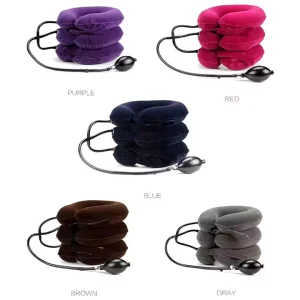
Emergency splints, extrication devices, cervical traction and rehabilitation instruments.
Medical Nursing Model
Adult, child and neonatal CPR manikins, ACLS simulators and AED trainers for skills assessment.
Skeleton Models
Life-size and desktop skeletons, skulls, spines and joint models for osteology teaching.
Suture Pads and Kits
Realistic skin suture pads and complete instrument kits for surgical and wound-closure practice.
CPR, Emergency & Rehabilitation Equipment from the Original Range
These best-selling simulation manikins, first-aid devices and mobility aids are requested by training centres, ambulance services and healthcare distributors. The original product images and product URLs are retained below.












A Transparent 5-Step Process for Overseas Buyers
From first conversation to delivery, every stage has a named contact and clear documentation, so you can plan stock, tenders and training schedules with confidence.
01
Share Requirements
Send product types, quantities, target market and any tender or certification needs.
02
Catalog & Proposal
Receive matched models, specifications, packaging options and shipping suggestions.
03
Sample Evaluation
Test samples with your instructors or clinicians before confirming bulk production.
04
Production & QC
Manufacturing and inspection follow our ISO 9001 quality management system.
05
Export & Support
Protective export packing, delivery coordination and responsive after-sales service.
Factory & Export Showroom Evidence
Original factory, showroom and product-display images are retained to support supplier verification, buyer due diligence and distributor training presentations.












Why Distributors and Institutions Partner with Yulin Medical
Four strengths overseas buyers consistently cite when they move long-term orders to our factory.
24/7 Responsive Service
Our team is online 24 hours a day, 7 days a week. Whatever your time zone, you receive a detailed answer as quickly as possible, typically within 24 hours.
Design & Packaging Team
In-house specialists deliver professional product design and private-label packaging that strengthens your brand and increases the added value of every unit you sell.
Professional Expertise
Our vision is to provide professional educational and medical training products from mainland China, built under ISO 9001 process control and decades of category knowledge.
60+ Years of Supply Stability
A factory with more than 60 years of history and a deeply integrated partner supply chain lets us meet one-stop demands and keep lead times predictable on repeat orders.
News & Practical Insights from Our Specialists
Exhibition updates and hands-on guidance written by the team that designs, builds and exports medical teaching equipment.

Do You Really Know How to Observe Biological Prepared Slides?
Many plant and animal cell structures can only be studied under a microscope, which makes prepared biological slides essential in every biology lab. Our specialists explain how to handle, focus and store slides correctly so students see clearer detail and slide sets last longer.

The 5th Henan Provincial Educational Equipment Expo Concludes Successfully
Themed “Digital Leading Innovation and Development”, the expo reached a record 50,000 m² with 600+ brands and 10,000+ products on display, showcasing the latest educational equipment.

Inside Our Product Showroom
A look at the medical teaching models and training equipment buyers can inspect in person when visiting our Xinxiang facility.
Frequently Asked Questions from Importers
Straight answers to the questions procurement managers ask most before placing a CPR manikin or mixed-category order.
Is Yulin Medical a manufacturer or a trading company?
We are a manufacturer. Henan Yulin Edu. Project Co., Ltd. was founded in 1958 and operates its own factory in Xinxiang, Henan, China, with more than 200 professional staff. For one-stop orders, we also coordinate a stable network of long-term partner factories.
What quality certification do you hold?
Our quality management system has been ISO 9001 certified since 2008. Product-specific documentation can be provided on request to support tenders and import registration in your country.
Do you support OEM, private label and custom packaging?
Yes. Our in-house design team develops private-label packaging and product presentation for distributors, helping increase shelf appeal and resale value in your market.
How do I choose the right CPR training manikin?
Start with the learner group: adult, child or neonatal. Then check that real-time feedback covers compression depth, compression rate and ventilation volume; confirm alignment with current resuscitation guidelines for your market; and decide whether your courses need AED trainer integration. For advanced life-support programmes, an ACLS simulator with embedded scenarios offers far more assessment value than a basic torso.
How quickly will I receive a reply?
Our export team is online 7 days a week and typically replies within 24 hours with catalogs, specifications and shipping options.
What is the MOQ for an OEM CPR manikin programme?
MOQ depends on the model, customisation level and packaging. Standard models can often be mixed with other product categories to support a pilot order. Custom colours, languages, display interfaces or packaging usually require a higher first order. Share your target SKU plan and market so we can recommend a practical starting quantity.
Can you support tender documentation and import registration?
We can provide the ISO certificate, product specifications, drawings, packing lists, country of origin and available test reports or declarations. Import registration and regulatory approval remain the responsibility of the importer, but we can supply the technical file material your local specialist requests.
How do you protect quality in repeat orders?
We recommend a signed golden sample, a controlled bill of materials, batch traceability, incoming material checks, in-process inspection, finished-product verification and pre-shipment photo or video review. For private-label orders, packaging artwork and label versions should be locked before mass production.
What spare parts should distributors stock?
A practical starter kit usually includes lungs, face shields, airway seals, skin parts, cleaning supplies, carry bags and manuals. For electronic feedback models, add batteries, chargers, cables and any replaceable display or sensor components. Stocking a small spare-part kit reduces downtime for training centres.
Can you consolidate CPR manikins with anatomy models and hospital equipment?
Yes. With ten product lines, we can consolidate CPR and nursing models, anatomy models, emergency devices, hospital furniture, prepared slides and other teaching products into one shipment with one point of contact and one packing plan.
What local support is available for distributors?
Support can include multilingual manuals, packaging artwork, training videos, quick-start guides, spare-part recommendations, tender presentation materials and responsive after-sales communication. The exact support package is agreed during quotation.
How do we start an OEM project?
Send the model or category, target quantity, destination market, certification needs, language requirements and any packaging ideas. Our team will reply with suitable models, specifications, a quotation path and a sample plan.
Talk to the OEM CPR Manikin Factory
Tell us your target market, quantities and certification requirements. Our product specialists will recommend suitable models, share detailed specifications and propose an economical shipping plan.

Email[email protected]
Phone0086-13503800666
WhatsApp+86 135 0380 0666
Factory AddressNo. 8, Daoqing Road, Industry Park, Hongqi District, Xinxiang, Henan, China
Complete Product Reference: Eight Additional Factory Items
The final eight supplied products are retained with their original images and product URLs. Together with the first eight items above, they give distributors a practical reference for mixed-category sourcing, private-label development and tender comparisons.