OEM Clinical Centrifuge Manufacturer & Quotes
Custom clinical centrifuges, rotors, control interfaces, branded packaging and export-ready documentation for hospitals, diagnostic laboratories, distributors and tender projects — supported by a 60+ year medical equipment manufacturing base and a 24-hour quote response commitment.
OEM Clinical Centrifuge & Laboratory Equipment Quote Showcase
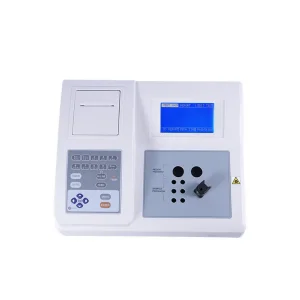
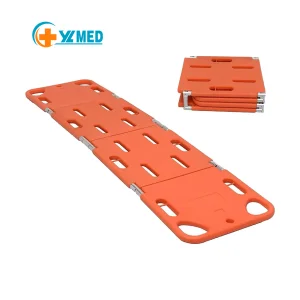
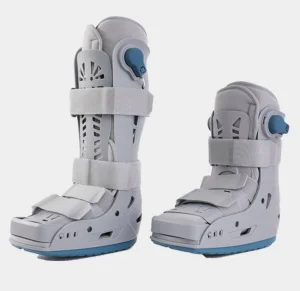
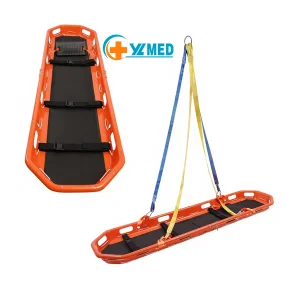
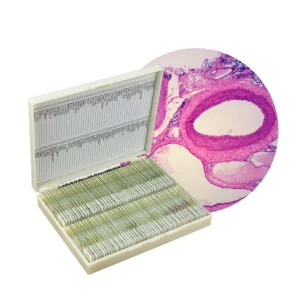
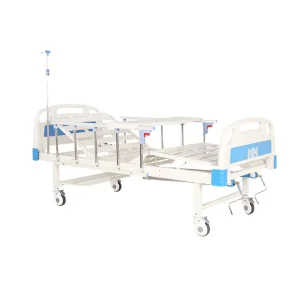
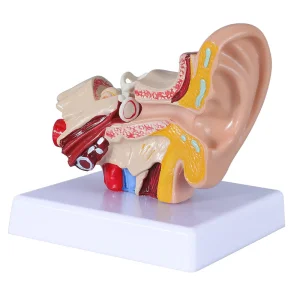
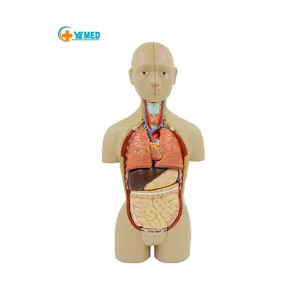
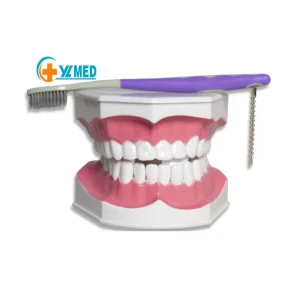
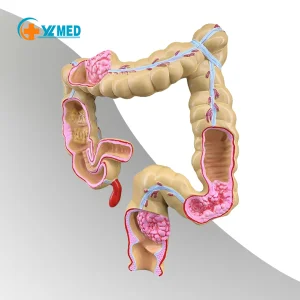
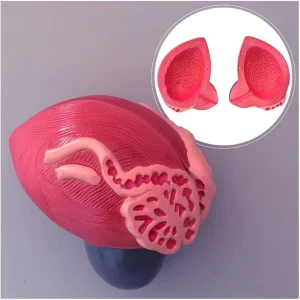
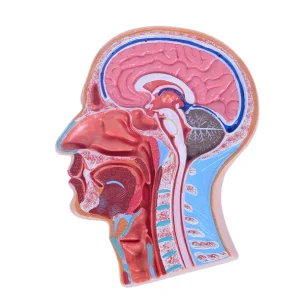
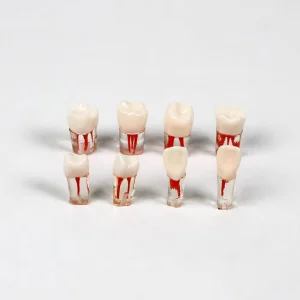
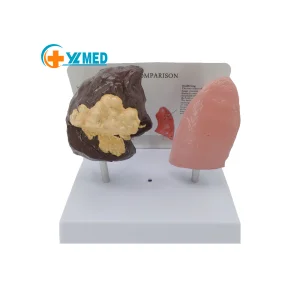
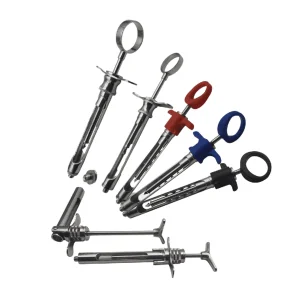
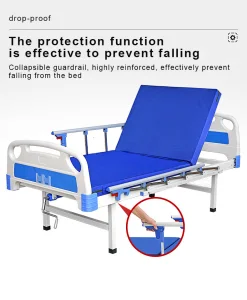
These eight OEM/ODM products reflect the wider Yulin Medical portfolio that distributors, hospitals and tender teams frequently consolidate with centrifuge procurement. Each product link is preserved so buyers can request specifications, private-label packaging, sample evaluation and integrated shipment planning from one accountable export team.
OEM Clinical Centrifuge Manufacturing & Quotes: What Serious Buyers Expect
A clinical centrifuge is not a commodity box. It separates serum, plasma, urine, blood components, cell cultures and diagnostic samples, so the purchasing decision affects sample integrity, laboratory safety, workflow continuity and regulatory review. A credible OEM clinical centrifuge manufacturer must define rotor compatibility, maximum speed and RCF, imbalance tolerance, lid interlock, aerosol containment, temperature control, noise level, serviceability and documentation before discussing price.
Henan Yulin Edu. Project Co., Ltd. (Yulin Medical) has operated from Xinxiang, Henan, China since 1958 and has held ISO 9001 certification since 2008. With more than 200 professional staff, RMB 120 million registered capital and a portfolio covering ten medical and educational equipment lines, Yulin Medical supports OEM/ODM buyers through structured project management, supplier qualification, inspection discipline, private-label packaging and export documentation. For clinical centrifuge programs, this manufacturing heritage is applied through application-led specification, transparent quotation and batch-level quality control.
A useful quote request should include the target market, intended application, required speed/RCF, tube or plate format, rotor type, refrigerated or ambient operation, voltage and frequency, plug standard, language of the user interface and manual, estimated annual quantity, branding requirements, certification documents and preferred Incoterms. The more precise the brief, the faster the OEM team can return a comparable quotation rather than a generic price list.
- Factory-direct supply across ten product lines, from laboratory and hospital equipment to medical teaching models.
- Private-label packaging, product presentation and manual customization for distributors and tender brands.
- Mixed-category orders consolidated into one shipment with one accountable export contact.
Clinical Centrifuge Technology Roadmap & Future Outlook
Procurement teams that plan three to five years ahead should evaluate more than current specifications. The next generation of clinical centrifuges will be judged on traceability, serviceability, energy use, digital integration and lifecycle cost. The roadmap below reflects the practical direction of laboratory equipment sourcing for hospitals, diagnostics groups and distributors.
Smart Control & LIMS Readiness
Touch interfaces, operator ID fields, cycle logs and exportable run records are becoming important for laboratories that need sample traceability. Future-ready OEM platforms should plan for data export, barcode workflows and integration with laboratory information management systems without compromising cybersecurity.
Brushless Drive & Energy Efficiency
Brushless motor platforms can reduce maintenance and improve speed stability. For refrigerated models, insulation, compressor control and airflow design have a direct effect on energy consumption, temperature recovery and laboratory heat load. Buyers should request realistic performance data, not only peak speed.
Rotor Safety & Traceability
Rotor identification, cycle counting, imbalance detection and lid interlock are core safety features. OEM buyers should define rotor service life, corrosion protection, autoclavability and maintenance intervals. A clear spare-rotor and calibration strategy protects uptime after installation.
Refrigerated & High-Speed Platforms
Molecular diagnostics, blood banking and cell preparation often require stable temperature and higher RCF. A phased OEM roadmap can cover ambient benchtop units first, then refrigerated platforms, then higher-speed configurations with reinforced rotor chambers and validated temperature recovery.
Automation & High-Throughput Workflow
For larger laboratories, the value of a centrifuge is increasingly tied to workflow: bucket loading, tube carriers, cycle scheduling, error alerts and service diagnostics. OEM programs should document interfaces and mechanical tolerances so future automation accessories can be developed without redesigning the base unit.
Sustainability & Lifecycle Design
Longer service life, replaceable wear parts, lower standby energy and recyclable packaging are becoming tender advantages. OEM buyers can ask for modular assemblies, clear troubleshooting codes and regional spare-part kits to reduce downtime and total cost of ownership.
Macro Industry Solutions: Where Clinical Centrifuges Create Value
Clinical centrifuge demand is shaped by healthcare infrastructure, diagnostic capacity, public health preparedness and laboratory accreditation. A manufacturer that understands these macro use cases can help distributors configure faster, reduce returns and build a more credible tender package.
Hospital & Clinical Laboratories
Routine serum, plasma and urine preparation requires repeatable speed, easy cleaning and low noise. Benchtop clinical centrifuges with simple rotor exchange and clear error codes are ideal for busy hospital labs and satellite clinics.
Diagnostics & Molecular Laboratories
PCR workflows, sample preparation and high-throughput diagnostics demand documented performance, contamination control and stable temperature options. OEM configurations can include aerosol-tight lids, plate carriers and cycle logging for traceability.
Blood Banks & Plasma Centers
Blood component separation requires robust rotors, validated cycle parameters and safety interlocks. Buyers should specify tube sizes, balance procedure, emergency lid release policy and service response expectations before selecting an OEM platform.
Public Health & Disease Control
Surveillance laboratories and mobile response units need reliable equipment that can operate under variable power conditions. Voltage flexibility, rugged packaging, operator manuals and rapid spare-parts supply are practical differentiators in public health tenders.
Veterinary, Food & Environmental Labs
Sample types outside human clinical testing often require wider tube compatibility and easier cleaning. OEM buyers can specify corrosion-resistant chamber finishes, sealed buckets and application-specific adapters for veterinary, food safety and water testing workflows.
Academic & Research Laboratories
Universities and research institutes value flexibility: multiple rotors, adapters and documented speed/RCF conversion. A modular OEM centrifuge platform helps distributors serve teaching, research and clinical training budgets with one product family.
Localization Support & Compliance Assurance for Global Markets
OEM localization is not only a plug change. It is a complete market-entry package: electrical configuration, language, labeling, user documentation, packaging, spare parts and a realistic compliance route. Buyers need a supplier that can separate confirmed facts from items that require project-specific certification.
Localization package for distributors and tender teams
- 110V / 220V options, 50Hz / 60Hz configuration and destination-specific plug types.
- English, Spanish, French, Arabic or other language manuals and control-panel labels subject to project review.
- Private-label cartons, product labels, quick-start guides and distributor brand presentation.
- Spare rotor, fuse, lid seal and accessory kits planned with the first order to reduce after-sales friction.
- Export packing designed for sea, air and multimodal shipment, with container-loading plans on request.
Compliance documentation and responsible claims
Yulin Medical’s quality management system has been ISO 9001 certified since 2008. Product-specific documentation can be prepared for tenders and import registration on request. Certification scope varies by product, destination and configuration, so the compliance route should be confirmed before the first production batch.
- ISO 9001 quality management certificate and project-specific inspection records where applicable.
- Commercial invoice, packing list, certificate of origin and shipping documents.
- Design review references such as IEC 61010-1 can be discussed for laboratory electrical equipment; the final standard applicable to a specific model must be verified with the destination regulator.
- CE, RoHS, local electrical safety and IVD registration support can be scoped project by project where required; buyers should avoid assuming a certification exists until the scope is documented.
China Factory 4.0: Supply Chain Resilience & Efficiency Advantages
The real advantage of a mature China manufacturing base is not simply lower cost. It is coordinated engineering, incoming material control, process discipline, export experience and the ability to keep repeat orders consistent. For OEM clinical centrifuge projects, a Factory 4.0 mindset means using digital planning, traceable inspection and redundant supply routes to reduce surprises.
Digital Production Planning
Project milestones, component readiness, inspection checkpoints and packing dates are tracked against the approved specification. Clear planning reduces rework when a buyer combines centrifuges with anatomy models, hospital furniture or emergency equipment in one order.
Incoming Material Verification
Housings, motors, lids, seals, displays and power components should be checked against agreed specifications. A robust incoming inspection process protects batch consistency and reduces the risk of field failures caused by invisible supplier changes.
In-Process Quality Control
Assembly checks, electrical safety verification, run tests, noise checks and final inspection should be documented. When a buyer needs tender evidence, batch-specific inspection records and product photos can be prepared on a project basis.
Supply Chain Redundancy
A long-established supplier network allows alternative sources for non-critical components while keeping critical parts controlled. This resilience matters during peak tender seasons, shipping disruptions and sudden demand for laboratory equipment.
Export Packaging Engineering
Centrifuges require protection against vibration, moisture and handling shock. Packaging should account for rotor weight, accessories, manuals and mixed-carton orders. Private-label packaging can be designed to support distributor branding and warehouse scanning.
Efficiency Without Cutting Corners
Efficiency should come from process control, not from unverified substitutions. Standard work instructions, approved samples and documented change control help protect product consistency when volumes increase.
Global Procurement Requirements: What Hospitals and Distributors Ask Before They Buy
Overseas buyers rarely purchase a clinical centrifuge in isolation. They compare technical fit, certification, serviceability, spare-parts availability, tender documentation and shipping reliability. A supplier that answers these questions early shortens the evaluation cycle and reduces project risk.
Total Cost of Ownership
Unit price is only one line. Rotors, adapters, spare seals, packaging, manuals, freight, duties, installation and service labour all affect the budget. Request a quotation that separates product, accessory, packaging and logistics costs.
Certification & Tender Documents
Public tenders may require ISO 9001, test reports, certificate of origin, product photographs, packing lists and compliance declarations. Confirm the exact document list before production, especially when the destination requires CE, RoHS or local registration evidence.
Voltage & Plug Variants
A single model may need 110V or 220V configuration, 50Hz or 60Hz operation and destination-specific plugs. Clear labeling and user manuals reduce installation errors and after-sales calls for distributors.
Spare Parts & Service Strategy
Ask for recommended spare parts, rotor replacement intervals, fuse specifications, lid seal part numbers and troubleshooting guides. For distributors, a starter spare-parts kit can protect local service response and improve customer confidence.
Batch Consistency
Repeat orders should match the approved sample in fit, finish, speed performance, noise level and packaging. Approved golden samples, change-control procedures and pre-shipment inspection photos help protect consistency across batches.
Delivery & Incoterms
Container loading, pallet dimensions, carton strength and shipping terms should be confirmed in the quotation. For mixed-category orders, consolidation reduces freight complexity and gives the buyer one shipment schedule.
OEM / ODM Workflow: From Application Brief to Batch Delivery
A transparent workflow helps distributors, hospitals and tender teams plan resources with confidence. Each stage should have a named contact, documented decisions and clear approval points.
Share Requirements
Send application, tube types, speed/RCF, voltage, quantity, target market, packaging and certification needs.
Catalog & Proposal
Receive matched models, specifications, accessory options, packaging suggestions and shipping guidance.
Sample Evaluation
Test samples with your laboratory, distributor team or clinical advisers before confirming volume production.
Compliance & Packaging
Lock the label, manual, plug, voltage, packaging artwork and document list before manufacturing begins.
Production & QC
Manufacturing and inspection follow the approved specification and ISO 9001 quality management discipline.
Export & Support
Protective export packing, document preparation, delivery coordination and responsive after-sales follow-up.
Why Distributors and Institutions Partner with Yulin Medical
OEM buyers value a supplier that combines product knowledge with dependable communication, documentation and export execution. Yulin Medical’s experience across medical education, hospital equipment and laboratory-adjacent products supports a practical, procurement-focused partnership.
24/7 Responsive Service
Our export team is online 24 hours a day, 7 days a week. Whatever your time zone, you receive a detailed answer as quickly as possible, typically within 24 hours.
Design & Packaging Team
In-house specialists support private-label packaging, product presentation and distributor branding to increase shelf appeal and resale value in local markets.
Professional Expertise
Our vision is to provide professional medical and educational training products from mainland China, built under ISO 9001 process control and decades of category knowledge.
60+ Years of Supply Stability
A factory with over 60 years of history and a deeply integrated partner supply chain helps meet one-stop sourcing demands and keep lead times predictable on repeat orders.




Henan Yulin Edu. Project Co., Ltd. (Yulin Medical)
Founded in 1958 · ISO 9001 certified since 2008 · 200+ professional staff · RMB 120 million registered capital
No. 8, Daoqing Road, Industry Park, Hongqi District, Xinxiang, Henan, China
Email: [email protected] · Phone: 0086-13503800666
Complete OEM Medical & Educational Equipment Portfolio
For distributors and institutions building a broader catalog, Yulin Medical provides ten specialized product lines. These categories can be combined with centrifuge inquiries to consolidate supplier management, quality documentation and international freight.
FAQ: OEM Clinical Centrifuge Quotes, Customization & Compliance
Straight answers for procurement managers, distributors and tender teams evaluating an OEM clinical centrifuge supplier.
Is Yulin Medical a manufacturer or a trading company?
What quality certification does Yulin Medical hold?
Do you support OEM, private label and custom packaging?
How do I request an OEM clinical centrifuge quote?
Can clinical centrifuges be customized for 110V/220V, 50/60Hz and local plugs?
What documentation can be supplied for tenders and import registration?
What is the typical MOQ and lead time for OEM centrifuge orders?
How are spare parts and after-sales support handled?
How do you protect quality across repeat batches?
How quickly will I receive a reply?
More OEM Medical Equipment for Consolidated Centrifuge Orders
These additional OEM/ODM products help distributors and hospitals build a complete medical equipment purchase around clinical centrifuge requirements. Product URLs and images are preserved for direct inquiry, specification confirmation and mixed-order quotation.
Request an OEM Clinical Centrifuge Quote
Send your target market, application, required speed or RCF, rotor type, voltage and plug, quantity, packaging preference, certification needs and tender deadline. Our product specialists will recommend suitable configurations, prepare a specification sheet and propose an economical shipping plan.
Direct Channels
Email: [email protected]
Phone: 0086-13503800666
WhatsApp: +86 135 0380 0666
Factory: No. 8, Daoqing Road, Industry Park, Hongqi District, Xinxiang, Henan, China
Company: Henan Yulin Edu. Project Co., Ltd. — ISO 9001 certified since 2008 and serving global distributors, schools and hospitals since 1958.