OEM Childbirth Nursing Model Manufacturers & Service
Factory-direct maternity and childbirth simulation models for distributors, midwifery schools, nursing colleges, hospitals and tender projects — backed by ISO 9001 quality management, private-label customization and export-ready documentation from Henan Yulin Edu. Project Co., Ltd.
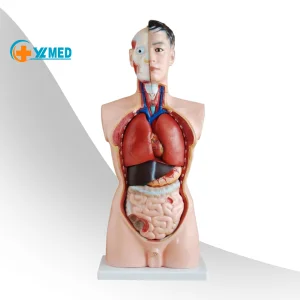
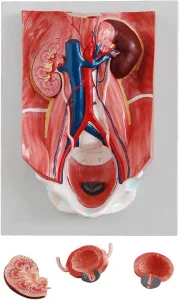
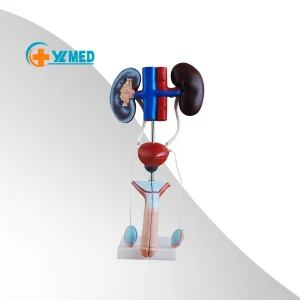
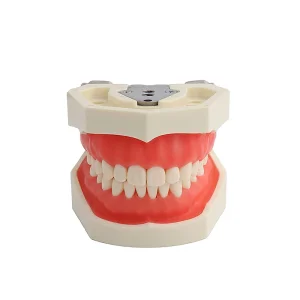
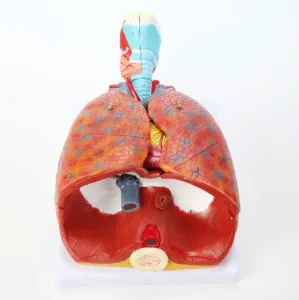
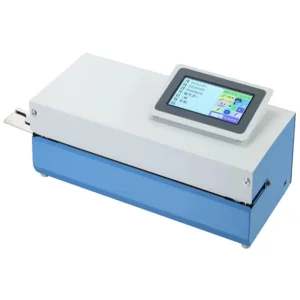
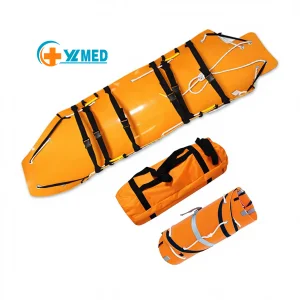
OEM Medical Education Products — First Eight Catalog Items
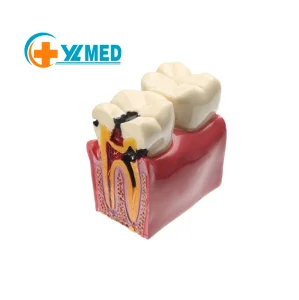
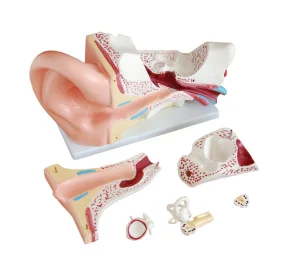
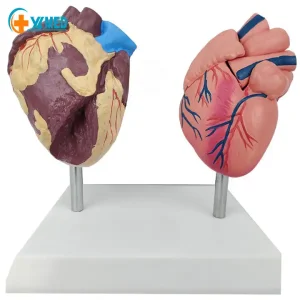
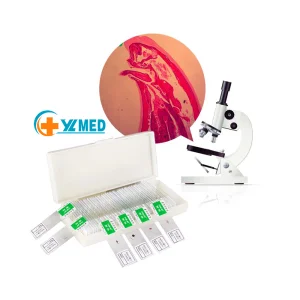
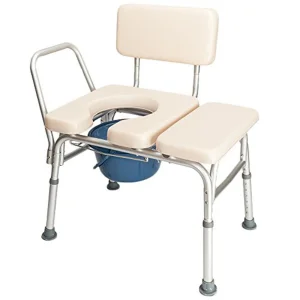
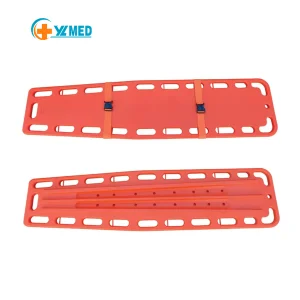
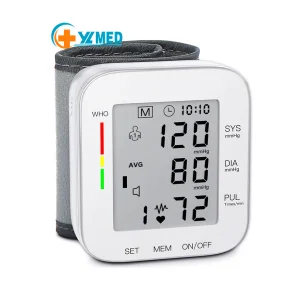
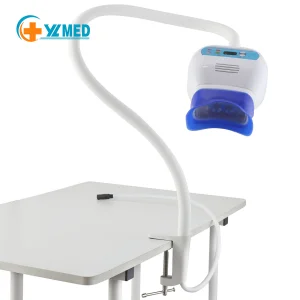
A selection of catalog items supplied for mixed-category OEM sourcing. Every original product image and product URL has been retained. Specifications, MOQ and customization scope are confirmed per SKU and per destination market.
OEM Childbirth Nursing Model Sourcing at a Glance
The phrase “OEM Childbirth Nursing Model Manufacturers & Service” combines two buying journeys: a clinical education product search and a supplier capability search. Procurement teams are not only comparing pelvic models or fetal skulls; they are evaluating anatomy accuracy, material durability, private-label capacity, regulatory documentation, packaging support and after-sales continuity.
A childbirth nursing model — also described as a childbirth education model, delivery mechanism model, maternity nursing simulator or labor and delivery training model — is a hands-on teaching aid used to explain the stages of labor, fetal positioning, placental delivery, perineal care and maternal-newborn nursing procedures. Depending on the SKU, it may include a pelvis, fetal skull, uterus, placenta, umbilical cord, perineum, detachable organs, replaceable soft-tissue sections and numbered anatomical structures.
For an OEM buyer, the product must be more than visually acceptable. It must match the curriculum, survive repeated classroom and hospital simulation use, and support the destination market’s labeling and procurement requirements. That is why service scope is as important as model design: design-for-manufacturing review, sample validation, material declarations, private-label packaging, language customization, tender documents, spare parts and export consolidation all influence the total cost of ownership.
Henan Yulin Edu. Project Co., Ltd. (“Yulin Medical”) is a manufacturer founded in 1958, with a factory in Xinxiang, Henan, China, more than 200 professional staff, registered capital of RMB 120 million and ISO 9001 certification since 2008. Its 10 product lines include anatomy models, nursing models, skeleton models, biology prepared slides, dental teaching equipment, general teaching models, hospital furniture, hospital machines and tools, medical apparatus and suture kits — a useful base for distributors that want one accountable supplier for mixed-category orders.
- ✓Start with curriculum fit: confirm which labor stages, procedures and complications the model must demonstrate.
- ✓Freeze the specification before quotation: scale, materials, detachable parts, paint, joints, packaging and labels.
- ✓Ask for a market-specific compliance review; do not assume a teaching model is a medical device in every country.
- ✓Compare landed cost, spare-part availability and training support — not only the unit price.
What an OEM Childbirth Nursing Model Should Include
A strong childbirth simulation model balances anatomical clarity, repeatable handling and repairability. The right specification depends on whether the buyer serves midwifery degree programs, nursing colleges, hospital obstetric drills, community health teams or distributor catalogs.
Labor Mechanism & Anatomy
Look for a clear pelvic inlet and outlet, articulated fetal head, uterine body, placenta, umbilical cord and perineal structures that support explanation of fetal descent, flexion, rotation and delivery. Numbers, color contrast and detachable parts should make teaching easier rather than create visual clutter.
Nursing Skills & Scenario Coverage
Map the model to local course outcomes: labor positioning, sterile technique, perineal assessment, placental inspection, cord care, newborn positioning and basic documentation. If advanced obstetric emergency modules are required, confirm which features the model can realistically simulate before claiming clinical equivalence.
Materials, Cleaning & Serviceability
PVC, silicone and reinforced polymer components should be selected for the intended handling frequency. Ask about paint adhesion, joint strength, replaceable inserts, cleaning instructions and spare-part kits. A model that cannot be maintained becomes a procurement liability after the first training semester.
Information-gain principle: the best childbirth nursing model is not automatically the most complex one. It is the model that matches the learner group, local curriculum, cleaning workflow, storage environment and budget — while remaining repeatable for every class and every batch.
Localized Support and Compliance: From Catalog Item to Market-Ready Program
International buyers increasingly ask for more than a product photo. They need language support, label control, tender documentation, packaging consistency and a clear understanding of how the product will be classified and supported in the destination market.
Regulatory Classification
In some markets, a childbirth teaching model may be treated as an educational aid; in others, claims, intended use or electrical accessories may change the classification. Buyers should confirm the status with a local regulatory consultant. A supplier should support the process with accurate product descriptions — not guarantee a particular market approval.
Documentation Package
Request drawings, specifications, material lists, product photos, packing lists, inspection records, instructions and available management-system certificates. Product-specific test reports must always be checked for the exact SKU, batch and destination-market scope.
Language & Label Localization
Localized support can include target-language manuals, warning labels, cleaning instructions, barcode labels, carton marks and tender-specific product descriptions. Translation quality matters: a weak manual can create user error even when the model itself is well made.
After-Sales Continuity
Confirm warranty terms, replaceable components, recommended spare-parts kits and remote troubleshooting channels. For repeat distributors, a documented after-sales routine is often more valuable than a one-time discount.
Compliance note: this guide is commercial and educational, not legal or regulatory advice. Market access requirements vary by country and product claims. Final classification, registration and import approval remain the responsibility of the importer or its appointed regulatory representative.
China Factory Supply Chain Advantages for Childbirth Model Buyers
China remains a deep supply base for medical education models because it combines mold development, skilled hand-finishing, component sourcing, packaging engineering and export logistics. For buyers, the advantage is not simply lower pricing; it is the ability to coordinate a customized, repeatable product program.
Integrated Tooling & Finishing
Anatomical models require sculpting, mold work, casting, painting, assembly and final inspection. A factory with in-house or closely coordinated production can control changes to pelvic shape, fetal head articulation, color schemes and detachable components.
Batch Consistency
ISO 9001-based process control helps maintain color, fit, labeling and packing standards across repeat orders. For distributors, consistent batches protect catalog credibility and reduce returns from schools and hospitals.
One-Stop Mixed Orders
A broad catalog can combine childbirth models with anatomy models, skeleton models, prepared slides, dental teaching products, hospital furniture and emergency equipment. Mixed-category consolidation reduces supplier management and shipping complexity.
Export Packing & Consolidation
Protective inner packing, carton marks, SKU labels and container planning matter for fragile teaching models. A manufacturer with export experience can coordinate bulk orders, samples and replenishment more predictably than multiple small suppliers.
Global Enterprise Procurement Requirements
Hospitals, universities, NGOs, tender agents and distributors evaluate suppliers through different lenses. High-performing OEM childbirth nursing model suppliers make the buying process transparent and documentable from inquiry to delivery.
Specification Freeze
Agree scale, anatomy, material, detachable parts, paint, joints, packaging, labeling, manual language and quality checkpoints before quoting. Ambiguous specifications are the most common source of later disputes.
Sample Validation
Test the sample with instructors, simulation technicians or clinical educators. Check handling, weight, articulation, cleaning access, visual clarity and storage. Document the approved sample so bulk production has a reference standard.
Tender Documentation
Prepare product descriptions, dimensions, materials, photographs, packing details, certificates, lead-time statements and quotation terms that align with tender schedules. Avoid claims that cannot be supported by product records.
Packaging & Labeling
Confirm inner protection, master carton strength, barcodes, market labels, warning text, storage instructions and whether private-label presentation is required. Packaging is part of the product experience, especially for distributor resale.
Quality Inspection
Define pre-shipment inspection criteria, sampling approach, photo records and corrective-action process. For educational models, inspect anatomy, paint, joint movement, detachable fit, accessory completeness and carton condition.
Logistics & After-Sales
Plan Incoterms, consolidation, spare-parts packing, warranty terms, replenishment cycles and training support. Total cost of ownership includes replacement cost, downtime and the value of a reliable contact when an order needs attention.
OEM and Private-Label Service Workflow
A clear workflow protects both buyer and factory. The process below is suitable for childbirth nursing models, maternity simulators and mixed-category educational equipment orders.
Requirements Brief
Share intended learner group, target market, product functions, reference images, quantities, packaging expectations and required documents.
Design & DFM Review
Review anatomy, materials, detachable parts, colors, logo placement, packaging structure and potential compliance sensitivity before sampling.
Sample Approval
Approve a pre-production sample or virtual specification sheet. Record any changes to structure, finish, labels and accessories in writing.
Production Planning
Confirm MOQ, lead time, inspection plan, carton marks, manual language and shipping coordination. Repeat orders can reference the approved standard.
Quality Check
Inspect workmanship, function, accessories, packing and labels. Keep photo records and batch references for future replenishment orders.
Export & Support
Arrange protective export packing, documentation, delivery coordination and after-sales follow-up, including spare parts where agreed.
Industry Trends Shaping Childbirth Nursing Models
Simulation education is moving toward competency-based learning, repeatable assessment and localized content. Childbirth models are following the same direction, with buyers asking for more modular, documented and serviceable products.
Competency-Based Midwifery Training
Programs increasingly assess observable skills rather than lecture recall. Models must support repeatable demonstrations of fetal positioning, delivery mechanics, perineal care and maternal-newborn procedures.
Hybrid and Remote Learning
Educators want models that can be filmed, annotated and combined with digital scenario packs. Clear color contrast, detachable structures and stable tabletop presentation help both in-person and recorded teaching.
Realism With Repairability
Higher realism is useful only when the model can be cleaned and maintained. Replaceable soft-tissue inserts, repaintable surfaces and accessory kits are becoming stronger purchasing criteria.
Modular Product Architecture
Buyers prefer one base platform with optional modules for normal delivery, placenta inspection, perineal repair or newborn care. Modularity reduces catalog complexity and improves spare-part management.
Localized Content & Inclusion
Language, skin-tone options, local curriculum terminology and scenario scripts are now part of product localization. These requests should be reviewed for manufacturing feasibility and educational validity.
Traceability & Documentation
Tenders and import reviews reward suppliers who can provide consistent product descriptions, batch references, inspection records and clear intended-use statements. Documentation is becoming a competitive product feature.
Localized Application Scenarios for Childbirth Nursing Models
The same childbirth model can serve different markets when the configuration, language and packaging are adapted to the local teaching environment. These scenarios help distributors and institutions define a more precise brief.
Midwifery Schools
Use pelvic and fetal models to explain engagement, descent, flexion, internal rotation and delivery. Detachable placenta and cord structures support normal and complicated labor discussions when the model is designed for those demonstrations.
Nursing Colleges
Support maternal-newborn nursing skills, patient positioning, perineal care, placenta inspection and documentation practice. Choose models that align with local nursing curriculum language and assessment rubrics.
Hospital Obstetric Simulation
For hospital training, confirm whether the model supports the specific drill objectives required. Some programs need normal labor demonstration; others require separate emergency modules. Avoid assuming one model covers every obstetric emergency.
Community Health Education
Durable, easy-to-clean models help health workers explain birth preparedness, hygiene, referral and newborn care in community settings. Lightweight storage and simple visual language are often more important than advanced articulation.
Distributor Private Label
Distributors can localize packaging, manuals, barcodes, product naming and catalog messaging. A private-label program should be supported by a written specification and approved sample to protect repeat-order consistency.
Low-Resource Training Programs
In field or low-resource settings, repairability, packing protection and clear cleaning instructions matter. Models should be selected for realistic handling conditions rather than display-room appearance alone.
Quality Assurance, Documentation and E-E-A-T
For medical education products, trust is built through verifiable process information. Buyers should see clear statements of what the supplier can prove, what requires product-specific testing and what the importer must validate locally.
What the Manufacturer Can Verify
Factory identity, production history, management-system certification, product specifications, approved sample details, inspection records and packing data. Yulin Medical’s published manufacturer profile states a founding year of 1958, ISO 9001 certification since 2008, more than 200 professional staff, registered capital of RMB 120 million, a factory in Xinxiang, Henan, and 10 product lines.
What the Buyer Should Verify
Intended-use classification, import requirements, labeling rules, tender eligibility, electrical safety requirements if accessories are powered, and local teaching suitability. A supplier’s ISO 9001 certificate supports quality management; it does not automatically equal CE marking, FDA clearance or approval in every jurisdiction.
What a Strong OEM File Contains
Specification sheet, material list, product images, packaging artwork, manual draft, inspection checklist, quotation assumptions, lead-time statement and after-sales terms. This file becomes the reference standard for repeat orders, distributor catalogs and tender submissions.
E-E-A-T in practice: experience means knowing how models perform in classrooms; expertise means understanding anatomy and manufacturing trade-offs; authority means maintaining consistent documentation; trust means being transparent about what is and is not certified for each SKU and market.
Frequently Asked Questions About OEM Childbirth Nursing Models
Direct answers to common sourcing, localization, compliance and service questions from distributors, medical schools and hospital procurement teams.
What is an OEM childbirth nursing model?
An OEM childbirth nursing model is a maternity and childbirth teaching model manufactured under a buyer’s specification or private label. It may demonstrate pelvic anatomy, fetal positioning, stages of labor, placental delivery, perineal care and maternal-newborn nursing procedures. OEM scope can include logo, colors, packaging, manuals, labels, accessories and mixed-category cartons.
Can the model be customized for my market?
Yes, subject to design review. Typical customization includes target-language manuals, private-label packaging, barcode and carton marks, color preferences, accessory kits and product naming. Buyers should approve a sample or detailed specification before bulk production, especially when anatomical structures or detachable parts are changed.
Are childbirth nursing models medical devices?
Not necessarily. Classification depends on the destination market, intended use, claims and product features. A product sold strictly as an educational teaching aid may be treated differently from a product promoted for clinical diagnosis or treatment. Buyers should confirm classification with a local regulatory professional before import or tender submission.
What materials are commonly used?
Materials may include PVC, silicone, ABS, reinforced polymer components, metal joints and painted anatomical surfaces. The right material depends on handling frequency, cleaning method, realism requirements, weight and budget. Ask for the exact material specification for the SKU rather than relying on a general catalog description.
What is the MOQ and lead time?
MOQ and lead time depend on the model, customization depth, packaging, order mix and production schedule. A standard catalog SKU may have a different MOQ from a private-label program with new tooling or bilingual manuals. Confirm both in writing after specification freeze, especially for tender deadlines.
How is quality controlled?
A practical quality plan covers incoming components, molding and finishing, anatomy and paint checks, joint movement, detachable-part fit, accessory completeness, labeling, packaging and pre-shipment inspection. The approved sample and written specification should be the reference standard. Product-specific test reports, where available, must match the exact SKU and market requirement.
Can you support tender documentation and distributor catalogs?
Yes. Typical support includes product descriptions, dimensions, material statements, packing data, product photos, quotation terms and available management-system certificates. For distributor catalogs, buyers can request private-label images, localized manuals, barcode data and packaging artwork. All claims should remain consistent with the approved product file.
How are spare parts and after-sales handled?
Spare-part availability, warranty duration, replacement components and remote troubleshooting should be agreed in the order contract. For repeat distributors, a recommended spare-parts kit can reduce downtime for schools and hospitals. Buyers should also confirm storage and cleaning instructions before placing the model into service.
More OEM Medical Education Products — Remaining Eight Catalog Items
The second eight-product showcase completes the original product list. These items support one-stop sourcing for anatomy, dental, emergency, hospital furniture and nursing education ranges. Every image and product URL is preserved for direct review.