OEM Anatomy Model Manufacturers & Factory
A procurement-grade guide to factory-direct anatomy models, private-label medical teaching resources, localization support, compliance documentation and export-ready supply from Henan, China.
8 OEM/ODM Models Buyers Request Most from a Factory-Direct Anatomy & Medical Teaching Range
The first eight buyer-requested products are shown below with their original factory images and product URLs. They reflect the mixed-category sourcing pattern common among distributors, medical schools, nursing colleges, emergency-training centres and hospital education departments.
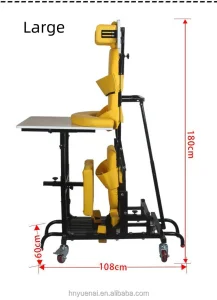
OEM Cerebral palsy rehabilitation training equipment, standing frame, adult multi-functional standing frame, emergency use Manufacturers, Pricelist
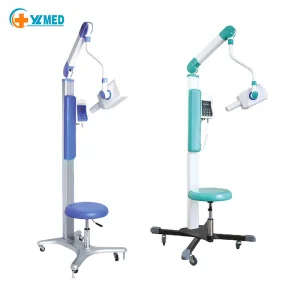
ODM Dental mobile X-ray machine dental radiography machine dental equipment Magnolia officinalis vertical X-ray machine Manufacturers, Factories
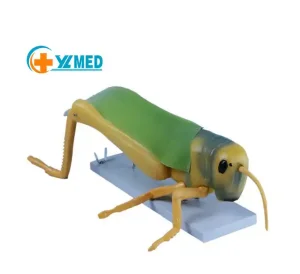
China Medical Science Enlarged Locust Structure Animal Model free 3d animal model life size animal model Factories, Service
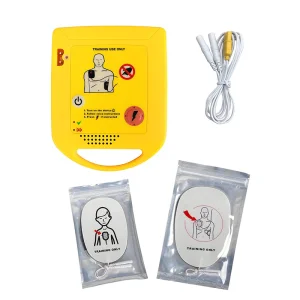
OEM Mini beginner Training AED trainer Manufacturers, Factory
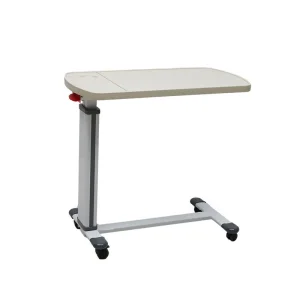
Wholesale Medical Adjustable Overbed Bedside Table With Wheels Home Care Adjustable Height OverBed Table Quotes, Service
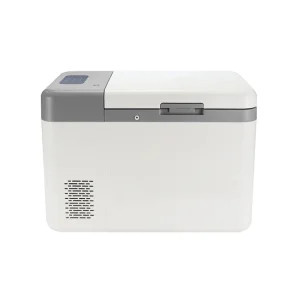
Wholesale Refport Portable Ultra Low Temperature Freezer Under Table Compact -86C Vaccine Transport Equipment 110/220V Manufacturer, Factory
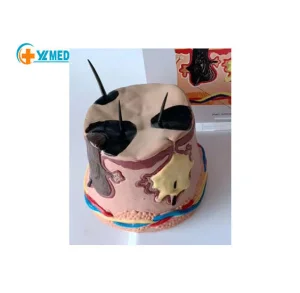
China Human Pathological Round Skin Model Abscess Inflamed Skin Enlarged Hair Growth Process Skin Pouch Construction Model Manufacturers, Pricelist
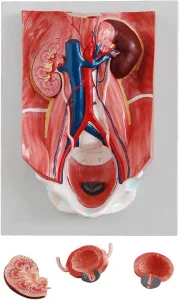
ODM Human Urinary System Model - Human Vesicoureteral Vascular Teaching Model - Kidney Organs Structure Anatomy Model for Medical Education and Learning Manufacturer, Factory
OEM Anatomy Model Sourcing: What Serious Global Buyers Evaluate Before Choosing a Factory
The search phrase “OEM Anatomy Model Manufacturers & Factory” is rarely a casual browsing query. It usually comes from a distributor, medical school procurement officer, hospital education team, tender agent or private-label brand owner who needs a verified manufacturing partner, repeatable quality and export documentation.
That is why a useful supplier page must do more than list products. It must answer the real intent behind the query: can this factory support OEM branding, localized packaging, compliance documentation, mixed-category consolidation and long-term supply stability? The information gain in this guide is the operating detail behind those expectations, written from the perspective of an ISO 9001 manufacturer that has produced educational and medical training equipment since 1958.
Anatomy models are deceptively simple to photograph and surprisingly difficult to source well at scale. A torso model may look similar across suppliers, but buyers later discover differences in anatomical accuracy, paint durability, magnet strength, joint tolerance, plastic odour, colour consistency, numbering systems, replacement parts and packaging protection. For distributors, those details become warranty costs. For medical schools, they become teaching friction. For hospitals, they become patient-education risk. A professional OEM factory must control these variables through documented processes, not through catalogue claims alone.
This white-paper section is structured for procurement teams that need to compare manufacturers across engineering capability, localization support, compliance readiness, supply-chain resilience and after-sales responsiveness. It also explains where anatomy models sit in the regulatory landscape: classification depends on intended use and claims, so a buyer should never assume that “educational model” automatically means “medical device” in every market, or that a supplier’s ISO 9001 certificate alone authorizes importation. ISO 9001 is a quality-management system certification; product-specific approvals, registrations or declarations must be confirmed market by market.
Who this guide is for
It is written for overseas distributors building a private-label catalogue, universities running multi-campus anatomy programmes, nursing colleges purchasing simulation equipment, hospital education departments buying patient-education models, government tender agents preparing technical specifications, and e-commerce brands that need stable OEM production with export-ready packaging. The same factory may serve all these buyers, but the documentation package is not identical. A tender buyer may need dimensional drawings, packing lists, warranty terms and compliance declarations. A distributor may need barcodes, retail cartons, private-label instructions and product photography. A hospital may need training on model handling, cleaning and spare-part ordering.
What “factory-direct” should mean
Factory-direct should mean that design review, mould or tooling coordination, production, inspection, packaging and export documentation are controlled by a known team with traceable responsibilities. It should not mean simply that a trading company has a factory photo on its website. Buyers should ask who owns the quality process, who signs the golden sample, who performs final inspection, who prepares the certificate pack and who answers after-sales issues after the container has sailed. At Henan Yulin Edu. Project Co., Ltd., the operating base is in Xinxiang, Henan, China, with more than 200 professional staff, registered capital of RMB 120 million and an ISO 9001 quality system certified since 2008. Those facts are useful only when they translate into controlled production and clear communication.

Factory facts buyers can verify
- Manufacturer founded in 1958 in Xinxiang, Henan, China
- ISO 9001 quality management system certified since 2008
- More than 200 professional staff and RMB 120 million registered capital
- Ten product lines covering anatomy, nursing, dental, laboratory, hospital furniture and emergency equipment
- OEM, ODM, private label, custom packaging and mixed-category export consolidation
- Direct contact: [email protected] · 0086-13503800666
OEM vs ODM Anatomy Models: What Factory-Direct Customization Really Covers
Many buyers use “OEM” and “ODM” interchangeably, but the commercial and technical differences matter. OEM usually means manufacturing under the buyer’s brand with agreed specifications, packaging and documentation. ODM usually starts from an existing factory design that is then adapted for the buyer’s market.
Brand & packaging OEM
Private-label logos, retail cartons, user manuals, barcodes, QR codes, language variants, kit assembly and market-specific labels can be planned around the product’s intended use.
Anatomical accuracy review
Structure names, numbering, left/right orientation, colour coding, removable organ fit, magnet strength and display-stand stability should be checked against the teaching level and nomenclature used in your market.
Material & finish control
PVC, ABS, silicone and mixed-material models require controlled formulation, odour management, paint adhesion, colour matching and durability checks. A golden sample should be signed before bulk production.
Documentation package
Specification sheets, packing lists, HS-code suggestions, material declarations, inspection records, warranty terms and product-specific test reports can be prepared on request, subject to the final market requirements.
China Factory Supply-Chain Advantages for Anatomy Model Programmes
China’s advantage is not only cost. For anatomy models, the real advantage is the maturity of the surrounding supply chain: tooling and moulds, polymer processing, precision painting, metal and plastic hardware, packaging, inspection, export documentation and consolidated logistics.
Henan Yulin Edu. Project Co., Ltd. operates from Xinxiang, Henan, an industrial region with access to skilled production workers, engineering support and a stable network of long-term partner factories. Because the company manages ten product lines, buyers can consolidate anatomy models, CPR manikins, suture pads, dental teaching equipment, hospital furniture and emergency devices into a single supplier conversation. That reduces the administrative load on procurement teams and improves consistency in packaging, labelling and shipment planning.
For OEM programmes, the supply chain matters most during change control. If a distributor requests a new colour, a localized label, a revised organ assembly or a retail-ready carton, the factory must translate that request into drawings, samples, work instructions and inspection criteria. A mature factory can coordinate mould or tooling adjustments, material sourcing, painting specifications, assembly fixtures and final packaging without losing traceability. This is especially important for anatomy models because small changes can affect fit, appearance or teaching clarity.
Mixed-category consolidation is another practical advantage. A university may order skeleton models, torso models, prepared slides and nursing manikins in one procurement cycle. A distributor may need private-label packaging across several categories. A hospital group may combine patient-education models with furniture and emergency equipment. Consolidating these lines under one quality system reduces the risk of mismatched documentation, inconsistent carton marks and fragmented after-sales responsibility.
Lead times should always be quoted project by project. They depend on whether the item is a stock SKU or a customized OEM model, the approved sample stage, raw-material availability, painting complexity, packaging requirements, inspection scope and shipping schedule. Responsible factories provide a production plan with clear approval gates rather than a vague promise.
Localization Support and Compliance Assurance: From Labels to Technical Files
OEM anatomy models must fit the buyer’s market, not only the factory’s catalogue. Localization affects language, teaching nomenclature, packaging, voltage, documentation, customs clearance and sometimes the product design itself.
Yulin Medical supports localization at the project level. For a distributor, this can include private-label packaging, multilingual labels, barcode and QR-code placement, retail carton design, product photography and market-specific instruction sheets. For a medical school or tender agent, it can include specification matching, dimensional drawings, packing lists, warranty terms, spare-part lists and tender documentation. For markets with different terminology, structure names and teaching levels can be reviewed so that the model aligns with the local curriculum and accepted anatomical nomenclature.
Compliance must be handled honestly. ISO 9001 certification demonstrates a controlled quality-management system, but it does not replace product registration or market approval. Anatomy models may be treated as educational products, medical devices, teaching aids or a combination, depending on intended use, claims, packaging and local regulation. If a product is intended for diagnosis, treatment, patient-specific surgical planning or clinical training with medical claims, additional regulatory review may apply. Buyers should confirm classification with their local regulatory consultant or authority before importation.
Where applicable, the factory can provide product-specific documentation on request to support the buyer’s own compliance work, such as material declarations, inspection records, test reports, technical descriptions, packing information and certificate packs. CE marking, UKCA, FDA import registration, TGA, Health Canada, SFDA or other market requirements should be discussed as project requirements; the final responsibility for local registration and claims usually remains with the importer or legal manufacturer in the target market.
European Union & UK
English and multilingual labels, unit conversion, technical-file support, CE/UKCA discussion where applicable, packaging and tender documentation for schools, distributors and hospital groups.
North America
English labelling, inches and metric dual display where needed, barcode and retail packaging, import-document preparation and product-specific compliance information on request.
Middle East
Tender-focused documentation, Arabic label support where required, heat- and humidity-conscious packaging planning, spare-part lists and consolidated shipments for government projects.
Asia-Pacific
Curriculum-aligned anatomy sets, English or local-language labels, cost-effective school models, durable packing for humid climates and mixed-category orders for distributors.
Latin America
Spanish and Portuguese label support, consolidated mixed-category shipments, tender-ready specifications and packaging designed for long-distance ocean freight.
Africa
Durable models for high-use teaching environments, low-maintenance design choices, spare-part planning, English or French labels and practical training documentation.
What Global Enterprise Buyers Expect from an Anatomy Model Factory
Enterprise buyers compare more than unit price. They evaluate supplier stability, documentation discipline, sample control, communication speed, after-sales support and the ability to keep specifications consistent across repeat orders.
Tender-ready documentation
Specification sheets, packing data, warranty statements, company profile, certificate copies and product photos prepared for procurement review.
SKU consistency
Golden samples, colour standards, numbering rules and packaging artwork help keep later batches aligned with the approved first order.
Private-label growth
OEM cartons, manuals, labels, kit configurations and product presentation can support distributor brand value and resale positioning.
Supply continuity
Long-term partner factories, spare-part planning and consolidated shipments help reduce disruption across multi-year programmes.
For global enterprises, the best supplier conversation is specific. Share the target market, intended learner group, annual volume, packaging language, certification questions, tender deadline and after-sales expectations. A factory can then recommend suitable models, identify customization limits, propose a sample plan and quote with realistic lead times. Buyers should be cautious of any supplier that promises every certification, every custom feature and every market requirement without asking about intended use, claims or documentation.
2025–2030 Anatomy Model Industry Trends and Their Procurement Impact
Anatomy models are becoming more modular, more connected and more closely tied to learning outcomes. At the same time, procurement teams are asking harder questions about traceability, sustainability and supply resilience.
Hybrid digital learning
QR-linked content, AR overlays and online quizzes are turning physical models into blended-learning tools. Buyers should confirm content ownership, offline access and update responsibility.
Modular and repairable design
Removable organs, replaceable joints, magnetic parts and spare components reduce long-term cost and support institutional maintenance planning.
3D printing and rapid customization
Small-batch anatomical variants, patient-education aids and prototype iterations are becoming more accessible, but dimensional consistency and material durability still need validation.
Material and hygiene awareness
Antimicrobial surface options, easy-clean finishes, low-odour materials and material declarations are increasingly requested by hospitals, schools and distributors.
Sustainability and packaging
Recyclable cartons, reduced plastic use, optimized pallet loading and clearer disposal instructions are becoming part of tender and distributor evaluation.
Traceability and documentation
Batch records, inspection reports, barcodes and digital document packs help buyers manage audits, recalls, warranty claims and repeat orders with confidence.
How the Same Anatomy Model Adapts to Different Local Teaching and Clinical Environments
Anatomy models are used differently across markets. A model sold to a university dissection lab may need different labelling, durability and documentation from one sold to a high school, hospital patient-education department or emergency-training centre.
University anatomy laboratories
High anatomical accuracy, numbered structures, stable stands and clear nomenclature. Multi-campus buyers often need consistent SKUs and replacement-part planning.
Nursing and clinical skills colleges
Models are integrated with OSCE preparation, patient handling, injection practice and anatomy review. Labels and manuals should match the programme language.
Hospital patient education
Large, clear structures and easy-clean surfaces help clinicians explain diagnoses and procedures. Sensitive anatomy topics may require market-specific packaging and presentation.
Emergency and first-aid training
CPR, AED, airway and trauma training may combine anatomy models with manikins and emergency devices. Consolidation reduces supplier-management workload.
Schools and vocational education
Durable, cost-controlled models with clear teaching value, safe materials and packaging that suits school storage and local distribution channels.
Public health outreach
Portable models, bilingual labels and simple visual guides help community programmes explain anatomy, prevention and care pathways to non-specialist audiences.
Quality Assurance, Traceability and a Six-Decade Manufacturing Base
Founded in 1958, Henan Yulin Edu. Project Co., Ltd. has grown into an educational and medical equipment supplier that integrates scientific research, production and sales. The quality message is simple: quality first, service first.
With registered capital of RMB 120 million and more than 200 professional employees, the company manages product development, manufacturing, inspection and export from its base at No. 8 Daoqing Road, Industry Park, Hongqi District, Xinxiang, Henan, China. The goal is to satisfy every customer through dependable quality and attentive service while continuously developing the skills of the team so that each project is handled by experienced people.
For buyers, this means one accountable manufacturer for anatomy models, nursing simulators, laboratory slides and hospital equipment, consolidated into a single shipment where practical and backed by an ISO 9001 quality system certified since 2008. Quality assurance should include incoming-material checks, process controls, in-process inspection, final inspection before packing, carton and drop-test verification where applicable, and document review before shipment.



Ten Product Lines Under One ISO 9001 Quality System
Ten specialised product lines let procurement teams source simulation, laboratory and hospital equipment from one accountable manufacturer instead of managing multiple suppliers.
Anatomy Models
Torso, organ, heart, brain and muscle models with numbered structures for lectures and patient education.
View rangeBiology Prepared Slides and Accessories
Histology, botany and zoology prepared slides plus storage and microscope accessories for biology labs.
View rangeDental Tools and Equipment
Dental teaching models, clinic lights, LED whitening units and endodontic instruments for training and practice.
View rangeGeneral Teaching Models
Science demonstration models for primary schools, secondary schools and education equipment tenders.
View rangeHospital Furniture and Equipments
Stainless steel examination couches, stretchers, walkers and shower chairs built for daily clinical use.
View rangeHospital Machine and Tools
Diagnosis and treatment devices and practical tools for wards, clinics and emergency departments.
View rangeMedical Apparatus and Instruments
Emergency splints, extrication devices, cervical traction and rehabilitation instruments.
View rangeMedical Nursing Model
Adult, child and neonatal CPR manikins, ACLS simulators and AED trainers for skills assessment.
View rangeSkeleton Models
Life-size and desktop skeletons, skulls, spines and joint models for osteology teaching.
View rangeSuture Pads and Kits
Realistic skin suture pads and complete instrument kits for surgical and wound-closure practice.
View rangeFeatured CPR, Emergency, Hospital and Rehabilitation Equipment from the Current Catalogue
Best-selling simulation manikins, first-aid devices, hospital furniture and mobility aids requested by training centres, ambulance services, clinics and healthcare distributors.

Advanced Full-Body CPR Training Manikin with 8" Color Feedback Display

AED Automated External Defibrillator Trainer for CPR Courses

5-Year-Old Child ACLS Emergency Simulation Manikin

Neonatal ACLS Training Manikin Aligned with AHA 2020 Guidelines

Adjustable Rescue Scoop Stretcher with 3 Safety Straps

Portable Kendrick Extrication Device (KED) Body Splint

Non-Pneumatic Shock-Absorbing Emergency Splint & Tension Bandage

Stainless Steel Clinic Examination Bed & Patient Couch

Height-Adjustable Aluminum Folding Walker with Front Wheels

Foldable Shower Chair for Elderly and Home Care

Lightweight Aluminum Foldable Standard Walker

Inflatable Cervical Neck Traction Device for Home Use
Inside the Factory, Product Showroom and Global Service Environment
Visual proof matters in OEM sourcing. Buyers want to see manufacturing context, product presentation, export activity and the range of teaching models available for inspection.









Why Distributors and Institutions Partner with Yulin Medical
Four strengths overseas buyers consistently cite when they move long-term orders to our factory.
24/7 responsive service
Our team is online 24 hours a day, 7 days a week. Whatever your time zone, you receive a detailed answer as quickly as possible, typically within 24 hours.
Design & packaging team
In-house specialists deliver professional product design and private-label packaging that strengthens your brand and increases the added value of every unit you sell.
Professional expertise
Our vision is to provide the most professional educational and medical training products from mainland China, built under ISO 9001 process control and decades of category knowledge.
60+ years of supply stability
A factory with over 60 years of history and a deeply integrated partner supply chain lets us meet one-stop demands and keep lead times predictable on repeat orders.
A Transparent Five-Step OEM Process for Overseas Buyers
From first conversation to delivery, every stage has a named contact and clear documentation, so you can plan stock, tenders and training schedules with confidence.
Share requirements
Send product types, quantities, target market and any tender or certification needs.
Catalog & proposal
Receive matched models, specifications, packaging options and shipping suggestions.
Sample evaluation
Test samples with your instructors or clinicians before confirming bulk production.
Production & QC
Manufacturing and inspection follow our ISO 9001 quality management system.
Export & support
Protective export packing, delivery coordination and responsive after-sales service.
News and Practical Guidance from Our Specialists
Exhibition updates and hands-on guidance written by the team that designs and builds our products.

Do You Really Know How to Observe Biological Prepared Slides?
Many plant and animal cell structures can only be studied under a microscope, which makes prepared biological slides essential in every biology lab. Yet many users never get the full value from them. Our specialists explain how to handle, focus and store slides correctly so students see clearer detail and your slide sets last for years.

The 5th Henan Provincial Educational Equipment Expo Concludes Successfully
Themed “Digital Leading Innovation and Development”, the expo reached a record 50,000 m² with 600+ brands and 10,000+ products on display, showcasing the latest educational equipment.

Inside Our Product Showroom
A look at the medical teaching models and training equipment buyers can inspect in person when visiting our Xinxiang facility.
Frequently Asked Questions from OEM Anatomy Model Importers
Straight answers to the questions procurement managers ask most before placing a first order or moving a repeat programme to a new factory.
Is Yulin Medical a manufacturer or a trading company?
What quality certification does Yulin Medical hold?
Do you support OEM, private label and custom packaging?
How do I choose the right CPR training manikin?
How quickly will I receive a reply?
What is the minimum order quantity for OEM anatomy models?
Can you provide compliance documents for CE, UKCA, FDA or tenders?
How does localization work for labels, manuals and packaging?
What affects lead time and shipping cost?
How do you keep quality consistent across repeat orders?
8 Additional OEM/ODM Products from the Factory Range
The second group of buyer-requested products is displayed below with original images and product URLs. These items show how anatomy, pathology, mobility, emergency and first-aid products can be combined within one export programme.
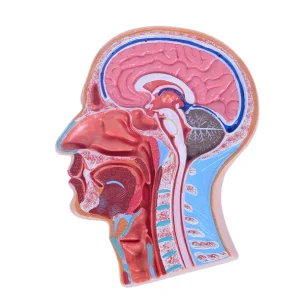
OEM Model of midhead section Factories, Service
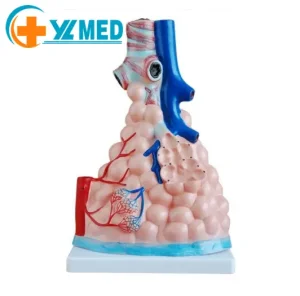
OEM Human Anatomy PVC Anatomical Model Organ Teaching Resource for Alveolar Enlargement Colorful for Hospital School Medical Science Manufacturers, Factories
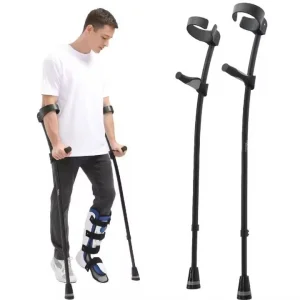
Wholesale Lightweight Durable Aluminum Crutches Elderly Disabled Adults Adjustable Mobility Aid Ergonomic Handles Non-Slip Manufacturer, Pricelist
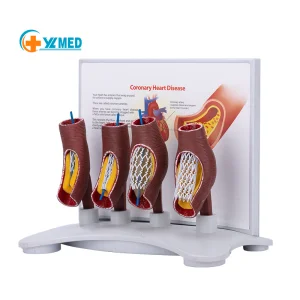
ODM Medical science vascular stent model Human vascular model Medical human teaching pathological vascular anatomy model Factory, Factories
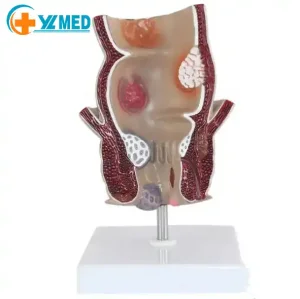
ODM Medical teaching Used for teaching enlarged display of anorectal acne pathological model rectal intestinal anatomical model Factory, Pricelist
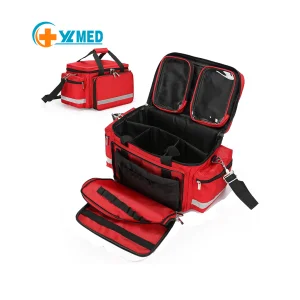
China Medical First Aid Bag Empty Home Health Nurse Storage Detachable Divider Red Class II Medical Supplies Emergency Responder Manufacturer, Pricelist
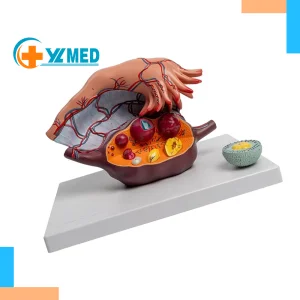
Wholesale Anatomical Model of Female Uterus Ovary & Oviduct Umbrella for Follicular Development-Enlarged Medical Science Product Pricelist, Quotes
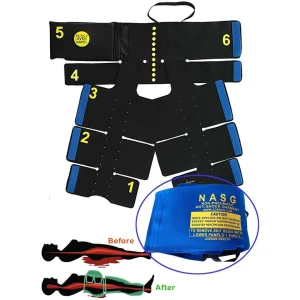
China An elastic resistance bandage with tension, non-pneumatic shock-absorbing splint, emergency splint, shock-absorbing support device Pricelist, Service
Need Specifications, a Price List or a Tender Package? We Reply Within 24 Hours.
Tell us your target market, quantities and certification requirements. Our product specialists will recommend suitable models, share detailed specifications and propose the most economical shipping plan for your order.