Featured Products Below the ODM Ultrasound Programme
These eight factory-direct medical education and clinical support products are frequently requested alongside ultrasound ODM projects for teaching laboratories, distributors, clinics and hospital groups. Every product link is retained so buyers can compare specifications and request a quotation from the original source page.
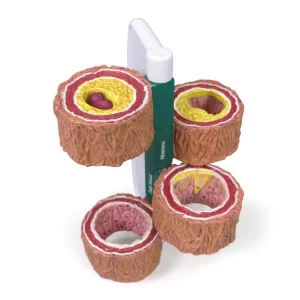
China Anatomicals - 4-Piece Artery Model, Replica of an Artery with Plaque for Human Anatomy and Physiology Education, Anatomy Model for Doctor's Offices and Classrooms, Medical Learning Resources Factory, Quotes
View Product & Request Quote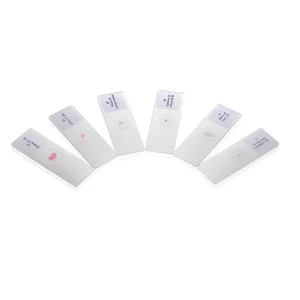
China Biology teaching human histology for instructional and educational use in the preparation of microscope slides Manufacturers, Service
View Product & Request Quote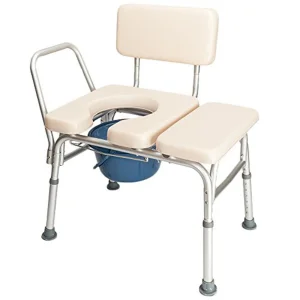
ODM Adjustable Bath Seat Shower Chair Padded Transfer Bench for Bathtub with Backrest Bedside Commode Chair for Bathroom Factories, Pricelist
View Product & Request Quote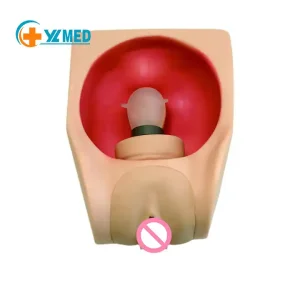
ODM Medical science teaching model general practitioner contraceptive practice simulator female intrauterine contraceptive model Manufacturer, Factories
View Product & Request Quote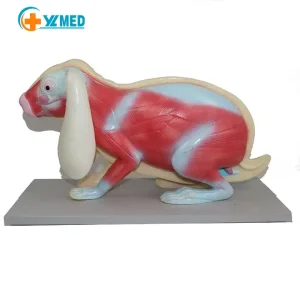
Wholesale Medical anatomy teaching advanced PVC rabbit model Rabbit anatomical model Factories, Quotes
View Product & Request Quote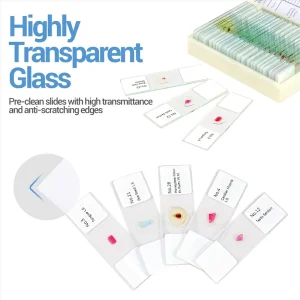
China 50pcs microbiology slides prepared for microscope, include bacteria and fungi Manufacturer, Service
View Product & Request Quote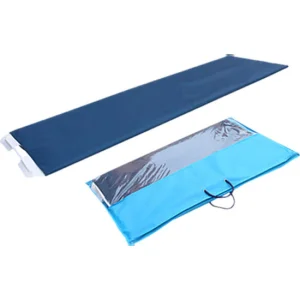
OEM Patient Transfer Board Durable Waterproof Sliding Board for Safe Hospital Patient Movement Medical Transfer Manufacturer, Factories
View Product & Request QuoteWhat an ODM Ultrasound Machine Quote Must Prove
A quotation is not a price list. It is a technical and commercial commitment: architecture, probe interface, image-processing software, regulatory file, spare-parts plan, packaging validation and after-sales model. Buyers who compare only the unit price usually discover the missing cost later.
Price is the smallest part of the comparison
An ODM ultrasound machine programme usually begins with a target market and an intended clinical use: primary care, obstetrics and gynaecology, emergency and musculoskeletal imaging, veterinary scanning, mobile clinics or medical education. Each use case changes the probe mix, software measurements, user interface language, cybersecurity requirements and the technical file. A low quote that ignores those variables is not a bargain; it is an unpriced change order.
Yulin Medical is Henan Yulin Edu. Project Co., Ltd., an ISO 9001 certified manufacturer founded in 1958 in Xinxiang, Henan, China, with more than 200 professional staff and registered capital of RMB 120 million. Our factory-direct portfolio spans anatomy models, CPR and nursing simulators, prepared slides, dental teaching equipment, hospital furniture, first-aid devices and clinical training products. For ultrasound ODM programmes, our team coordinates the imaging core, transducer and software supply chain with our own mechanical design, cart and probe-holder production, final assembly, inspection, packaging and export support.
That controlled programme model matters because a serious ODM ultrasound project must separate three levels of capability. First, the platform: beamformer, probes, software and user interface. Second, the manufacturing scope: mechanical parts, cable assemblies, final assembly, test fixtures, packaging and traceability. Third, the regulatory scope: technical file, labelling, language, electrical safety, EMC and software lifecycle evidence. A quotation that does not separate these levels is difficult to audit, difficult to compare and difficult to defend in a tender.
For distributors, the strongest request is not “send me your cheapest ultrasound machine”. It is “quote this intended use, this probe configuration, this language, this regulatory pathway, this service-parts package and this annual volume”. That request produces comparable bids. It also gives the factory a chance to identify where value engineering is safe and where it would damage the product.
What a serious ODM quote should disclose
- Intended use, target market and clinical applications covered by the platform.
- Probe list, connector type, acoustic output data, durability and replacement cost.
- Image-processing architecture, measurement packages and software update path.
- Electrical safety, EMC, cybersecurity and software lifecycle documentation status.
- Mechanical scope, cart design, probe holders, packaging and drop-test approach.
- Pilot-build quantity, inspection criteria, spare-parts list and lead-time assumptions.
- Private-label artwork, IFU language, warranty terms and after-sales training plan.
Ultrasound Technology Roadmap and Future Outlook
The most defensible ODM platform is not the one with the longest feature list. It is the one whose architecture can accept new probes, new software and new regulatory evidence without forcing a redesign of the cart, power system or user interface.
Software-defined beamforming
Platform reuse is becoming more important than hardware novelty. Buyers should ask how the beamformer, front-end and image-processing chain are partitioned, whether software upgrades can add measurements or probe modes, and how the supplier prevents firmware fragmentation across installed units.
AI-assisted workflow
AI in ultrasound is moving from demonstration to workflow support: image-quality prompts, automatic measurements, anatomy labelling and user guidance. For ODM buyers, the real question is who owns the training data, how the algorithm is validated and what happens when the model changes.
Probe and transducer roadmap
Single-crystal, matrix and wireless probes can differentiate a product line, but they also raise acoustic-output, thermal, durability and connector-life questions. A quote should state probe model, clinical application, compatibility, warranty and replacement cost rather than listing a generic probe count.
Cloud, DICOM and cybersecurity
Image storage, DICOM connectivity, remote service and hospital IT integration are now part of the product, not an accessory. Buyers should request a software bill of materials, patch plan, access-control model, encryption approach and data-retention policy before the first pilot build.
Portable and point-of-care imaging
Battery life, thermal design, drop resistance, boot time and wireless probe latency are becoming purchasing criteria in emergency, primary-care and mobile-clinic settings. The ODM brief should define the environment before the industrial design is frozen.
Where ODM Ultrasound Creates Measurable Value
The same imaging platform can serve several markets, but not with the same probe mix, user interface or service plan. These are the macro segments that most often justify a custom ODM programme.
Primary care and community clinics
Primary care needs fast boot-up, simple workflows, robust probes and predictable service costs. A custom ODM platform can remove hospital-only features that add cost and training burden, while keeping image quality and documentation suitable for referral decisions.
Women’s health and OB/GYN
Obstetric and gynaecology programmes demand probe options, measurement packages, reporting templates and careful attention to user training. Documentation, image labelling and language localization are often more important than adding a long list of rarely used features.
Emergency and musculoskeletal
Point-of-care users value speed, durability, battery life and simple guidance. ODM buyers should validate the platform under realistic lighting, cleaning agents and mobile use, then lock accessory kits and probe covers into the quotation so the workflow is complete.
Veterinary imaging
Veterinary clinics often need compact systems, species-specific measurement presets, durable probes and simplified training. The ODM brief should define animal-size coverage, restraint workflow and after-sales support before the software interface is finalised.
Medical education and simulation
Teaching institutions need repeatable demonstrations, labelled images and equipment that can survive high student throughput. Yulin Medical’s broader education portfolio, including fetal monitoring and anatomy teaching products, allows a simulation room to be equipped through one accountable supplier.
Mobile clinics and global health
Mobile and outreach programmes require transport cases, power protection, remote troubleshooting and a spare-parts plan. A lower-cost platform can be the wrong choice if a failed probe removes the scanner from service for weeks.
Localization Support and Compliance: The Hidden Cost of a Cheap Quote
Localization is not only translating a manual. It is the alignment of intended use, language, electrical safety, software behaviour, service documentation and registration evidence with the country where the scanner will be sold.
Regulatory pathway
CE MDR, FDA 510(k), NMPA, TGA, Health Canada and other pathways have different evidence expectations. A responsible proposal separates “documentation support available” from “certificate held for this exact model”. Product-specific claims must be verified before they enter a tender.
Labeling and IFU
Private-label artwork, warnings, symbols, translations and software strings should be version-controlled together. A missing translated warning or inconsistent model designation can delay customs clearance, distributor acceptance and registration review.
Electrical safety and EMC
Ultrasound systems combine high-frequency electronics, power supplies, probes and user-interface hardware. The ODM file should define applicable IEC 60601 collateral standards, test configuration, accessories covered and change-control rules that keep the tested configuration valid.
Cybersecurity and software
Networked imaging devices need access control, encryption, logging and a patch strategy. Buyers should ask how vulnerabilities are handled after shipment, who owns the software bill of materials and what happens if a hospital IT team blocks an unpatched update.
Spare parts and service
Localization includes uptime. Probe repair, accessories, fuses, power cords, manuals and training should be quoted with the system. A service plan without a spare-parts list is not a plan; it is a hope that nothing fails in the first year.
Supply Chain Resilience and Efficiency Advantages
Factory 4.0 is not a robot showroom. In medical equipment it means revision-locked BOMs, incoming inspection, supplier dual-sourcing, controlled assembly, test records, export packaging validation and the discipline to trace a problem back to a batch.
Six decades of manufacturing, rebuilt around data discipline
Founded in 1958, Henan Yulin Edu. Project Co., Ltd. has grown into a well-known educational and medical equipment supplier that integrates scientific research, production and sales. With registered capital of RMB 120 million and more than 200 professional employees, we manage product development, manufacturing, inspection and export from our base at No. 8 Daoqing Road, Hongqi District, Xinxiang.
That history matters in an ODM ultrasound programme because it creates a culture of batch control rather than one-off assembly. Our motto is simple: quality first, service first. Every order is produced and inspected so that distributors, medical universities, nursing colleges and hospitals receive consistent, well-documented products on every batch.
For imaging projects, supply-chain resilience is designed into the quotation. Critical electronic modules are planned with approved alternates where possible; mechanical parts are reviewed for tooling and fixture requirements; packaging is checked against transport mode; and spare parts are defined before shipment. Mixed-category orders can be consolidated into one shipment with one point of contact, reducing the administrative burden on distributors that buy both imaging equipment and medical teaching products.
The original factory strength remains relevant: factory-direct supply across 10 product lines, from anatomy models to hospital furniture; private-label packaging and product design that raises resale value; and a deeply integrated partner supply chain that supports one-stop demands and predictable lead times on repeat orders.
Why Distributors and Institutions Partner with Yulin Medical
Global buyers do not only evaluate a factory. They evaluate responsiveness, design support, category knowledge, supply stability and the ability to produce a clean quotation package that survives internal review.
24/7 responsive service
Our team is online 24 hours a day, 7 days a week. Whatever your time zone, you receive a detailed answer as quickly as possible — typically within 24 hours.
Design and packaging team
In-house specialists deliver professional product design and private-label packaging that strengthens your brand and increases the added value of every unit you sell.
Professional expertise
Our vision is to provide the most professional educational and medical training products from mainland China, built under ISO 9001 process control and decades of category knowledge.
60+ years of supply stability
A factory with over 60 years of history and a deeply integrated partner supply chain lets us meet one-stop demands and keep lead times predictable on repeat orders.
Share requirements
Send product types, quantities, target market, intended use, probe requirements and any tender or certification needs.
Catalog and proposal
Receive matched models, specifications, packaging options, preliminary compliance notes and shipping suggestions.
Sample evaluation
Test samples or a pilot platform with your instructors, clinicians or distributors before confirming bulk production.
Production and QC
Manufacturing and inspection follow our ISO 9001 quality management system, with revision-locked documentation.
Export and support
Protective export packing, delivery coordination, spare-parts planning and responsive after-sales service.
Complete Sourcing for Medical Education and Clinical Use
Ten specialised product lines let procurement teams source simulation, laboratory and hospital equipment from one accountable manufacturer instead of managing multiple suppliers. For an ODM ultrasound project, this wider portfolio can be consolidated into the same commercial relationship.
Anatomy Models
Torso, organ, heart, brain and muscle models with numbered structures for lectures and patient education.
View range → 02Biology Prepared Slides and Accessories
Histology, botany and zoology prepared slides plus storage and microscope accessories for biology labs.
View range → 03Dental Tools and Equipment
Dental teaching models, clinic lights, LED whitening units and endodontic instruments for training and practice.
View range → 04General Teaching Models
Science demonstration models for primary schools, secondary schools and education equipment tenders.
View range → 05Hospital Furniture and Equipments
Stainless steel examination couches, stretchers, walkers and shower chairs built for daily clinical use.
View range → 06Hospital Machine and Tools
Diagnosis and treatment devices and practical tools for wards, clinics and emergency departments.
View range → 07Medical Apparatus and Instruments
Emergency splints, extrication devices, cervical traction and rehabilitation instruments.
View range → 08Medical Nursing Model
Adult, child and neonatal CPR manikins, ACLS simulators and AED trainers for skills assessment.
View range → 09Skeleton Models
Life-size and desktop skeletons, skulls, spines and joint models for osteology teaching.
View range → 10Suture Pads and Kits
Realistic skin suture pads and complete instrument kits for surgical and wound-closure practice.
View range →A Six-Decade Manufacturer Trusted by Educators and Clinicians
Trust is built from verifiable details: founding date, factory location, certification scope, staff, capital and the ability to explain what is made in-house and what is coordinated through audited partners.
Who we are
Founded in 1958, Henan Yulin Edu. Project Co., Ltd. has grown into a well-known educational and medical equipment supplier that integrates scientific research, production and sales. With registered capital of RMB 120 million and more than 200 professional employees, we manage product development, manufacturing, inspection and export from our base at No. 8 Daoqing Road, Hongqi District, Xinxiang.
Our goal is to fully satisfy every customer through dependable quality and attentive service, while continuously developing the skills of our team so that each project is handled by experienced people. Our quality management system has been ISO 9001 certified since 2008.
 Headquarters and factory, Xinxiang
 Production workshop
 Bulk orders ready for export
 Medical and educational equipment
 Anatomy and skeleton models
 CPR and nursing simulation
 Hospital furniture and equipment
 Global export service
 Teaching model collection
 Clinical skills training
 Hospital equipment
CPR, Emergency and Rehabilitation Equipment
Best-selling simulation manikins, first-aid devices and mobility aids requested by training centres, ambulance services and healthcare distributors.












News and Guidance from Our Specialists
Exhibition updates and hands-on guidance written by the team that designs, builds and supports our products.

Do You Really Know How to Observe Biological Prepared Slides?
Many plant and animal cell structures can only be studied under a microscope, which makes prepared biological slides essential in every biology lab. Yet many users never get the full value from them. Our specialists explain how to handle, focus and store slides correctly so students see clearer detail and your slide sets last for years.

The 5th Henan Provincial Educational Equipment Expo Concludes Successfully
Themed “Digital Leading Innovation and Development”, the expo reached a record 50,000 m² with 600+ brands and 10,000+ products on display, showcasing the latest educational equipment.

Inside Our Product Showroom
A look at the medical teaching models and training equipment buyers can inspect in person when visiting our Xinxiang facility.
Frequently Asked Questions from Importers
Straight answers to common questions about factory capability, certifications, OEM/ODM support, ultrasound project quotes and reply times.
Is Yulin Medical a manufacturer or a trading company?+
What quality certification does Yulin Medical hold?+
Do you support OEM, private label and custom packaging?+
How do I choose the right CPR training manikin?+
How quickly will I receive a reply?+
How are ODM ultrasound machine quotes prepared?+
Can Yulin Medical supply a complete ultrasound machine or only parts?+
What regulatory documentation can be discussed for an ultrasound ODM project?+
What is the minimum order quantity for an ODM ultrasound programme?+
How do you protect buyer IP and tooling?+
What is the typical lead time?+
How is shipping and after-sales support handled?+
Need Specifications, a Price List or a Tender Package? We Reply Within 24 Hours.
Tell us your target market, quantities and certification requirements. Our product specialists will recommend suitable models, share detailed specifications and propose the most economical shipping plan for your order.
Direct channels
Email[email protected] Phone0086-13503800666 WhatsApp+86 135 0380 0666 Factory addressNo. 8, Daoqing Road, Industry Park, Hongqi District, Xinxiang, Henan, China
Buyer resources and original website links
Use these links to review our service scope, sourcing updates and product categories before sending an ODM ultrasound brief.
Bottom Product Selection for ODM Ultrasound and Medical Sourcing
The second group of eight factory-direct products completes the quote-ready selection. These items are often added to distributor orders, medical school projects and hospital supply programmes alongside imaging and training equipment.
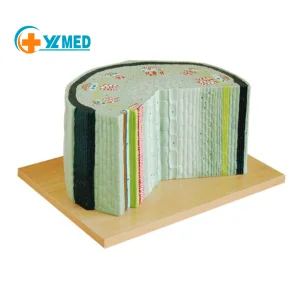
Wholesale Dicotyledonous plant stem model Factories, Service
View Product & Request Quote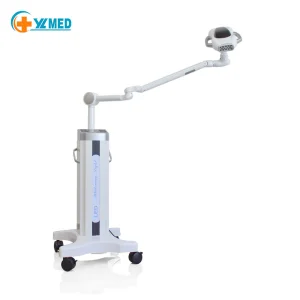
Wholesale Cold-light tooth whitening instrument for dentistry oral clinic beauty salon blue LED cold-light whitening instrument Quotes, Service
View Product & Request Quote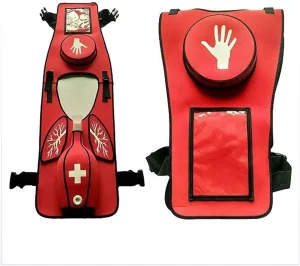
OEM Adult Anti Choking Obstruction Heimlich Wearable Vest for First Aid Training Manufacturers, Quotes
View Product & Request Quote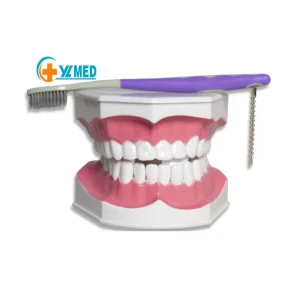
China 2 Times Large Teeth Teaching Model Advanced General Configuration and Basic Configuration of Dental Medicine Model Manufacturers, Factories
View Product & Request Quote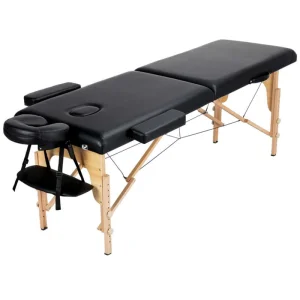
ODM Cheap Price Massage Beauty Table Beauty Salon Massage Bed Spa Massage Cover Bed Factory, Quotes
View Product & Request Quote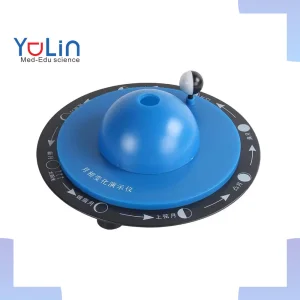
ODM Diameter 25cm Moon Phase Change Demonstration Instrument Environmental protection PVC Material Moon Phase Change Causes Manufacturer, Manufacturers
View Product & Request Quote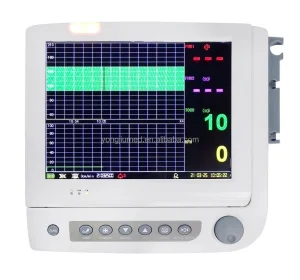
ODM Fetal Heart Monitor for Pregnant Women CTG Machine 12.1 TFT Color Screen Fetal Monitor Manufacturer, Manufacturers
View Product & Request Quote