ODM Suction Catheter Manufacturers & Service
Design, validation, sterilization coordination and export-ready documentation for open, closed and specialty suction catheter programs—supported by a 60+ year medical manufacturing heritage and mixed-category sourcing capability.
Featured Medical Products for Suction Catheter ODM Programs
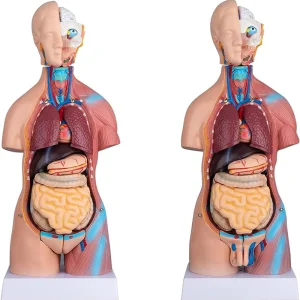
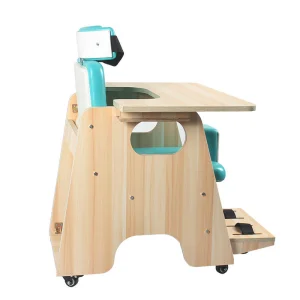
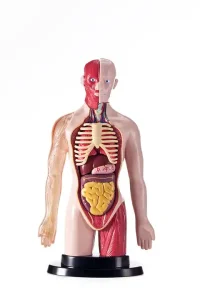
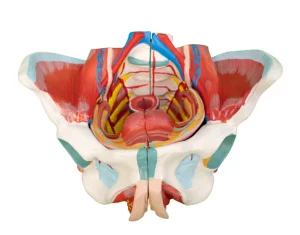
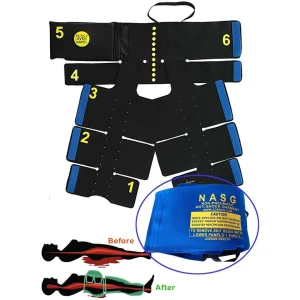
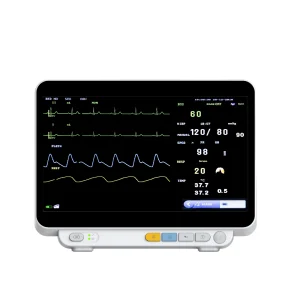
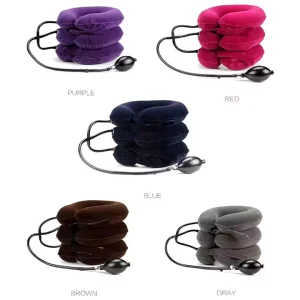
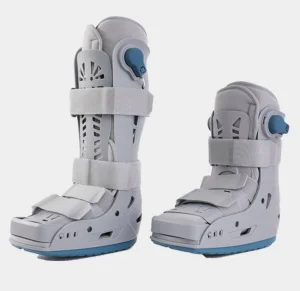
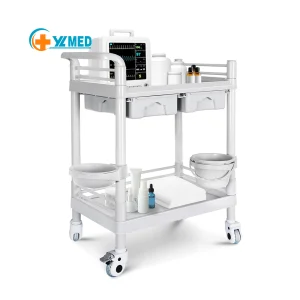
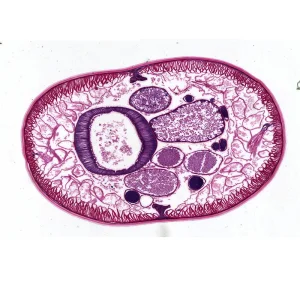
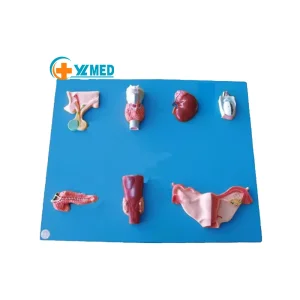
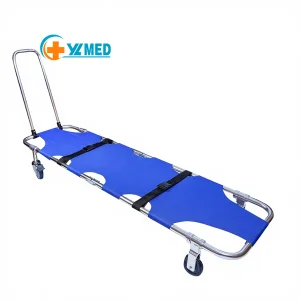
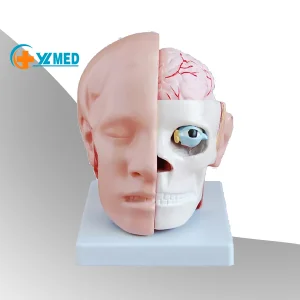
Suction catheter procurement is rarely an isolated purchase. Distributors, hospital groups and tender teams often bundle airway consumables with monitors, emergency transfer equipment, rehabilitation aids and clinical training products. The following eight factory-catalog items are retained from Yulin Medical’s original product range and demonstrate the mixed-category support available alongside an ODM suction catheter project.
Why Suction Catheter ODM Is Now a Strategic Sourcing Category
A suction catheter appears simple in a catalog: a flexible tube, a connector, a suction control and a sterile pack. In clinical practice, it is a high-frequency airway consumable used in intensive care, anesthesia, emergency medicine, neonatal care, long-term ventilation and home care. Buyers are not only purchasing tubing; they are buying predictable suction performance, patient comfort, infection-control discipline, packaging integrity, regulatory evidence and uninterrupted supply.
For distributors and hospital groups, the search intent behind “ODM suction catheter manufacturers and service” is highly commercial. The buyer is usually checking whether a supplier can support private label development, provide design-control and validation documentation, confirm sterilization and packaging routes, adapt labeling to target markets, and keep lead times stable across repeated orders. A useful supplier response therefore needs more than a price list. It needs a structured ODM pathway that connects clinical requirements, engineering choices, quality evidence and export logistics.
Global Commercial & Industrial Status of Suction Catheters
Global demand for suction catheters is shaped by several converging forces: aging populations, higher survival rates for chronic respiratory disease, expansion of intensive-care capacity, growth in elective and emergency surgery, tighter infection-prevention expectations and the migration of ventilator care into home settings. In high-acuity environments, closed suction systems are increasingly specified within ventilator bundles because they support uninterrupted ventilation and reduce repeated disconnection. In general wards, clinics and home care, open suction catheters remain widely used when correct technique, single-use packaging and caregiver training are in place.
Commercially, the category is split between commodity volume programs and risk-managed ODM programs. Commodity buyers focus on size range, pack count, connector fit, sterile presentation and landed cost. Risk-managed buyers add material declarations, biocompatibility evidence, sterilization validation, packaging shelf-life data, batch traceability, labeling language control and change-notification clauses. The industrial trend is clear: documentation is becoming part of the product. Manufacturers that can supply a coherent technical file and responsive change control are better positioned than suppliers that compete only on unit price.
Directional sourcing signal rather than a statistical forecast. Buyers should validate market-size and tender data for their own jurisdiction.
What a True ODM Suction Catheter Service Must Include
ODM should not be reduced to printing a buyer’s logo on an existing pack. For suction catheters, a credible ODM service translates clinical use cases into design inputs, verifies the finished device against those inputs, validates sterilization and packaging, and assembles the documentation needed for the target market. Device-specific quality requirements may include ISO 13485 quality management, ISO 14971 risk management, ISO 10993 biocompatibility evaluation, ISO 11135 ethylene oxide sterilization where applicable, ISO 11607 packaging validation and country-specific registration evidence. Final regulatory classification and testing scope always depend on intended use, claims and jurisdiction.
Clinical Design Brief
Define patient group, catheter size, length, tip style, suction control, connector compatibility, procedure setting and single-use labeling before tooling or sampling begins.
Material & Tip Engineering
Select medical-grade PVC, silicone or low-plasticizer options; specify radiopacity, flexibility, kink resistance, side-eye geometry and atraumatic tip requirements.
Validation & Sterilization
Build verification plans for suction flow, connector security, tensile strength, leakage, valve performance, biocompatibility, sterile barrier and shelf life.
Launch Documentation
Prepare artwork control, IFU and labeling, batch records, traceability, certificates of analysis or conformity, change-control rules and tender-ready specification sheets.
ODM RFQ Checklist: What Buyers Should Send
- Open, closed, neonatal, pediatric or procedure-kit format
- Target sizes in French and working length
- Tip type, side-eye pattern and suction control
- Target countries and regulatory route
- Required labels, languages, UDI or registration data
- Sterilization preference and shelf-life expectation
- Annual volume by SKU and pack configuration
- Private-label artwork and packaging structure
- Sample quantity, tender dates and delivery ports
Localized Clinical & Commercial Application Scenarios
Suction catheter requirements change by care setting and region. A product that works well in a tertiary ICU may be poorly suited to a home-care program or a high-volume district hospital. The ODM brief should therefore identify the localized use environment before finalizing the specification.
ICU & Ventilator Bundles
Closed suction systems are often preferred where ventilator disconnection must be minimized. Buyers in Europe and North America may demand detailed biological evaluation, valve performance and training materials.
Operating Room & Anesthesia
Open suction catheters and Yankauer-style instruments support airway clearance during anesthesia and recovery. Connector fit, pack opening and rapid access matter in fast-turnover surgical lists.
Emergency & Transport
Pre-hospital teams favor compact, single-use configurations with robust sterile packaging. Middle East, relief-agency and sports-event tenders may require kit-based supply and multilingual labels.
Neonatal & Pediatric Care
Small French sizes, controlled suction and atraumatic tips are critical. Color coding, low-trauma materials and clear depth markings can improve usability for specialized neonatal teams.
Home Care & Long-Term Ventilation
Aging-in-place programs require caregiver-friendly instructions, stable sterile presentation and practical pack counts. In some markets, training support and local-language IFUs influence purchasing decisions.
Tenders & Distributor Kits
Public-hospital tenders often evaluate documentation, shelf life, batch traceability and delivery reliability. Distributors may bundle suction catheters with monitors, stretchers, rehab equipment and teaching models.
Technology Roadmap & Future Outlook for Suction Catheter ODM
The next stage of category development is unlikely to be defined by a single radical invention. It will be driven by cumulative improvements in materials, closed-system ergonomics, packaging, manufacturing control and evidence generation. A practical technology roadmap helps buyers phase product changes without disrupting regulatory approvals or hospital conversions.
Clinical Requirement Capture
Map the procedure, patient group and local protocol. Convert user needs into measurable design inputs for size, length, suction control, connector fit and packaging access.
Material Platform Selection
Balance flexibility, clarity, kink resistance, plasticizer profile and cost. Silicone and low-plasticizer PVC options may support premium positioning; standard medical PVC may suit volume programs.
Tip & Control Innovation
Optimize side-eye geometry, tip softness and suction-control ergonomics. For closed systems, valve reliability and sleeve handling are as important as catheter flexibility.
Closed-System Integration
Develop multi-component assemblies with irrigation ports, locking mechanisms and clear depth markings. Human-factors review can reduce incorrect connection and handling.
Sterilization & Packaging Validation
Confirm the sterilization route, residual limits, sterile barrier system, seal strength, shelf life and transport validation. Packaging is a device-critical part of the ODM file.
Digital Documentation & Resilience
Use controlled digital dossiers, batch traceability and change notification. Dual sourcing of critical components and production capacity planning support long-term supply stability.
Open, Closed and Specialty Suction Catheter Design Matrix
Use this comparison to align the product format with the clinical setting, then convert the chosen route into a detailed ODM specification.
| Format | Typical Clinical Use | ODM Design Priorities | Buyer Evidence to Request |
|---|---|---|---|
| Open suction catheter | General wards, anesthesia, emergency, clinic and home care | Atraumatic tip, side-eye pattern, suction control, connector fit, size/length range | Dimensions, material declaration, biocompatibility summary, sterile packaging validation |
| Closed suction system | ICU and ventilator-dependent patients | Valve reliability, sleeve integrity, irrigation port, locking connector, depth markings | Functional verification, leak and valve testing, sterilization validation, IFU and training material |
| Neonatal / pediatric | NICU, pediatric ICU and specialized transport | Small French sizes, low-trauma tip, controlled suction, color coding and clear labeling | Size verification, tip inspection criteria, biological evaluation, human-factors review |
| Procedure-kit configuration | Emergency, transport, isolation and distributor tender kits | Component compatibility, pack opening sequence, sterile barrier, custom labeling and bill of materials | Kit validation, packaging configuration, shelf-life data, artwork and traceability controls |
Macro Industry Solutions: De-Risking the Suction Catheter Category
Private-Label Architecture
Build a SKU family around target markets: size range, pack count, sterile presentation, language variants and brand hierarchy. Avoid artwork proliferation that increases change-control risk.
Regulatory Dossier Factory
Maintain reusable technical modules for biocompatibility, sterilization, packaging, labeling and risk management, then adapt country-specific sections for each registration route.
Mixed-Category Tender Kits
Combine suction catheters with monitors, emergency stretchers, rehabilitation aids or training models where the tender permits. Consolidated shipment and one project contact reduce administrative load.
Supply Continuity & VMI
Agree forecast windows, safety stock, critical-component plans and change-notification rules. For distributors, predictable replenishment can be more valuable than a one-time low price.
Quality, Evidence and Regulatory Checklist for ODM Buyers
A strong ODM response should be traceable, not merely descriptive. The following evidence map helps procurement and regulatory teams ask precise questions during supplier qualification. It is not legal advice; final requirements must be confirmed with the regulatory authority and a qualified specialist for each target market.
| Evidence Area | Buyer Question | What a Strong ODM Response Looks Like |
|---|---|---|
| QMS scope | Is the relevant manufacturing site covered by a current medical-device quality system? | Clear certificate scope, site address, expiry date and audit status; ISO 13485 where applicable, with ISO 9001 as a baseline for broader operations. |
| Design controls | How are user needs converted into verified specifications? | Design input/output matrix, risk file, verification and validation plan, drawing controls and approval records. |
| Biocompatibility | What patient-contact evidence exists for tubing, tip, connector and lubricants? | ISO 10993-based evaluation or test reports, material declarations, colorant and plasticizer review. |
| Sterilization | Which sterilization route is used and how are residuals controlled? | Validated sterilization cycle, bioburden controls, EO residual data where applicable, dose or cycle audits and release criteria. |
| Packaging & shelf life | How is the sterile barrier maintained through transport and storage? | ISO 11607-oriented packaging validation, seal strength, dye penetration, accelerated and real-time aging protocols. |
| Labeling & UDI | Can labels support the target market and traceability requirements? | Controlled artwork, language verification, symbols, IFU, UDI or registration fields, and change-notification process. |
| Batch traceability | Can finished devices be linked to materials and inspection records? | Batch records, component lot traceability, in-process controls, final release inspection and retained samples. |
| Post-market change | How will material or process changes be communicated? | Formal change-control procedure, customer notification rules, revalidation criteria and complaint handling interface. |
Future Outlook 2025–2030: Where Suction Catheter ODM Is Heading
Closed Suction as Standard Workflow
High-acuity protocols will continue to favor closed systems where ventilator continuity and staff protection matter. ODM competition will shift toward valve reliability, ease of irrigation and clear depth indication.
Material Transparency
Hospitals and distributors increasingly ask about plasticizer profile, latex-free status, material declarations and recyclability. Low-plasticizer or silicone platforms may support premium and sustainability-led positioning.
Infection-Prevention Integration
Packaging design, single-use assurance, aseptic opening and training materials will be evaluated as part of infection-control performance, not as separate purchasing categories.
Automation & Vision Inspection
Automated tip inspection, length measurement, connector checks and pack integrity monitoring can improve consistency as labor costs rise and buyers demand tighter batch records.
Home-Care Human Factors
As ventilator care moves home, caregiver usability becomes a design driver. Large instructions, intuitive suction control, compact packaging and local-language support can influence market access.
Digital Regulatory Dossiers
Buyers will expect faster, cleaner document exchange. Controlled digital technical files, e-labeling readiness and structured change notifications will become competitive advantages.
Why Yulin Medical Is a Practical Partner for Mixed-Category ODM Programs
Henan Yulin Edu. Project Co., Ltd. (Yulin Medical) was founded in 1958 and operates from Xinxiang, Henan, China. The company has developed a broad educational and medical equipment supply platform covering anatomy models, biology prepared slides, dental tools, general teaching models, hospital furniture, hospital machines and tools, medical apparatus and instruments, nursing models, skeleton models and suture kits. This breadth matters for distributors handling hospital, university and tender projects: a suction catheter ODM program can be coordinated alongside other clinical and training categories instead of fragmented across many small suppliers.
Yulin Medical’s quality management system has been ISO 9001 certified since 2008, and the company reports more than 200 professional staff and RMB 120 million registered capital. Its service model includes OEM, private-label packaging, product presentation support and responsive export communication. For suction catheter projects, buyers should still confirm the final manufacturing site, cleanroom classification, device-specific quality system scope, sterilization route and regulatory documentation package during supplier qualification. That is the correct level of diligence for a single-use airway device.
Start a Suction Catheter ODM Review
Share target sizes, clinical use, packaging format, indicative volume, destination markets and required documentation. The export team typically replies within 24 hours.
Email[email protected] Phone0086-13503800666Frequently Asked Questions About ODM Suction Catheter Sourcing
Is Yulin Medical a manufacturer or a trading company?+
Yulin Medical, Henan Yulin Edu. Project Co., Ltd., is a manufacturer established in 1958 with operations in Xinxiang, Henan, China, and an ISO 9001-certified quality management system since 2008. For suction catheter ODM projects, the final production site and device-specific quality scope should be confirmed in the project qualification document, especially where cleanroom extrusion, assembly or sterilization is required.
What quality certification does the company hold?+
The company’s quality management system has been ISO 9001 certified since 2008. Product-specific documentation can be provided on request for tenders and import registration. Suction catheters may require additional device-specific evidence such as ISO 13485 scope, ISO 10993 biocompatibility evaluation, sterilization validation and packaging validation, depending on the target market.
Do you support OEM, private label and custom packaging?+
Yes. The service model includes private-label packaging, product presentation, artwork coordination and mixed-category export consolidation. For suction catheter programs, packaging structures should be validated as part of the sterile barrier system, not treated as a purely graphic exercise.
How should I choose the right suction catheter specification?+
Start with the clinical setting and patient group. Adult ICU, operating room, neonatal, transport and home-care uses have different size, length, tip, suction-control and packaging needs. Confirm the required French size range, connector type, catheter length, tip style, sterile presentation and whether an open or closed system is intended. Clinician review and sample evaluation should follow.
What should a regulatory dossier include for a suction catheter ODM project?+
A typical dossier covers device description, intended use, materials, manufacturing, risk management, biocompatibility, sterilization, packaging, shelf life, labeling and performance verification. The exact content depends on jurisdiction. EU, US, Middle East, Asia-Pacific and Latin American routes can differ substantially, so the target market should be defined before development begins.
How are sterilization and shelf life validated?+
For single-use suction catheters, sterilization is commonly validated with bioburden controls, cycle or dose establishment, residuals review where applicable, and release criteria. Packaging validation should demonstrate sterile barrier integrity after transport and aging. Shelf life is supported by accelerated and real-time aging protocols appropriate to the materials and packaging system.
What is the typical MOQ and lead time?+
MOQ and lead time depend on the size mix, pack configuration, private-label artwork, sterilization route and documentation requirements. A project-specific quotation is more reliable than a generic catalog figure. Buyers should share annual volume, first-order quantity, target launch date and destination port so production and shipping can be planned together.
How quickly will I receive a reply?+
The export team is online seven days a week and typically replies within 24 hours with catalogs, specifications, documentation checklists and shipping options. For a faster suction catheter ODM review, include target sizes, clinical use, packaging requirements and destination markets in the first message.
More Catalog Products for Consolidated Suction Catheter & Clinical Orders
The following eight items complete the original product set. They demonstrate how a suction catheter ODM order can be consolidated with monitoring, rehabilitation, dental, emergency, anatomy and training products for distributors, medical schools and hospital tender projects.