Eight Source-Listed Models for Immediate RFQ Review
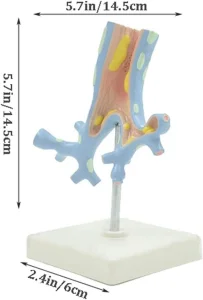
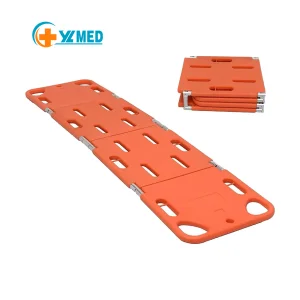
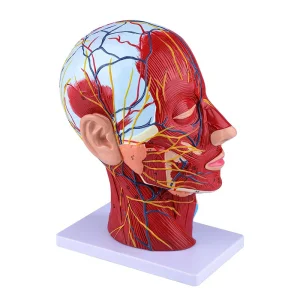
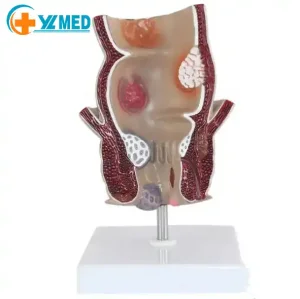
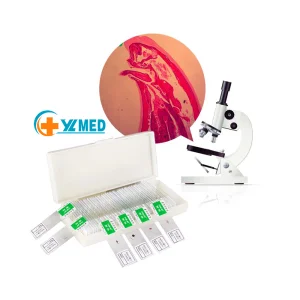
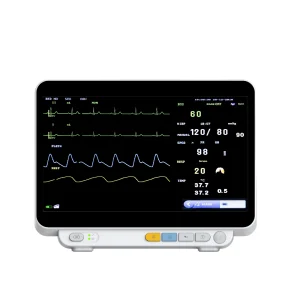
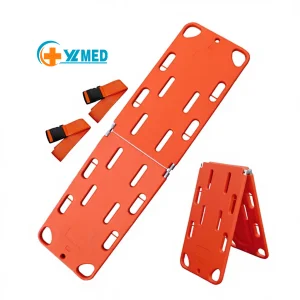
These eight items are reproduced from the supplied product list with their original product URLs and images. They are not presented as silicone face models; they demonstrate the broader anatomy, emergency, laboratory and hospital portfolio that can be reviewed together with a dedicated silicone face model ODM brief.
What an ODM Silicone Face Model Quote Really Covers
An ODM silicone face model is a custom-manufactured facial simulator, moulage component, prosthetic planning aid or anatomical display built to a buyer’s brief. It is not a commodity item with one universal price. A valid quote must be tied to sculpting scope, mould complexity, silicone specification, colour matching, surface finish, mounting method, packaging, documentation and approval milestones.
Brief before quotation
Buyers should define learner group, facial features, skin tone, wound or pathology detail, detachable modules, eye and eyelash requirements, cleaning method, life-cycle target and whether the model is for demonstration, simulation or device fitting.
Material and process choice
Platinum-cured silicone, tin-cured silicone, polyurethane backing, soft PVC or hybrid constructions behave differently in tear strength, elongation, colour stability and skin feel. The specification should follow the application rather than a generic “silicone” description.
Approval and documentation
Request photo or video approval of the first article, dimensional checks, colour comparison under controlled lighting, packaging validation and any needed material declarations. For skin-contact training products, confirm applicable biocompatibility documentation rather than relying on the phrase “medical grade”.
This distinction is part of a reliable E-E-A-T approach: it prevents procurement teams from assuming that an off-the-shelf product exists when the correct path is a custom sample and production validation process.
Silicone Face Models Are Moving from Specialist Craft to Controlled Supply
Demand is being pulled by simulation-based medical education, patient-safety training, moulage for emergency drills, dental and aesthetic teaching, prosthetic and rehabilitation planning, patient communication and media production. Buyers increasingly want repeatable skin tone, repairable modules, documented materials and supplier accountability — not only a realistic photograph.
The global supply base is fragmented. High-end studios in North America and Europe often lead in hyperrealistic sculpting, special-effects finishing and custom prosthetic workflows. Chinese factories compete through tooling speed, silicone processing depth, sample iteration, mixed-category consolidation and export experience. The winning procurement strategy is rarely “lowest price”; it is matching the specification to a factory whose process control can repeat the approved sample.
In medical education, a silicone face model may be used for facial trauma simulation, airway and airway-adjacent training, neurological assessment demonstration, dermatology and wound-care education, or standardized-patient preparation. In dental and aesthetic training, the priority shifts to lip mobility, facial proportions, injection-landmark demonstration, symmetry and realistic texture. In prosthetics, the requirement may include colour matching, edge blending, durability and comfort during fitting trials.
This diversity explains why quotes vary so widely. A single face sculpt with a simple mould and basic pigmentation is a different industrial project from a multi-part face with removable wound inserts, embedded magnets, reinforced edges, hair punching, moisture resistance and individual packaging for a distributors’ course kit.
Procurement signal
When a buyer asks for “ODM silicone face model factory quotes”, the strongest suppliers answer with a specification matrix, sample plan, material options, tooling assumptions, QC checkpoints and a clear ex-works or delivered-cost structure.
Why Chinese ODM Factories Can Iterate Faster on Silicone Face Projects
The durable advantage is not a single low labour rate. It is the combination of mould-making, silicone formulation, hand-finishing, packaging, documentation and export coordination within a mature manufacturing ecosystem. For custom face models, that ecosystem reduces the time between a buyer’s feedback and a corrected sample.
Tooling depth
Mould makers, silicone processors and finishing teams can work in parallel, shortening the sculpt-to-sample loop.
Material choices
Different Shore hardness, elongation, tear strength and skin-feel options can be trialled without long imports.
Small-batch ODM
Pilot runs help distributors test training centres, tender samples and private-label packaging before scale-up.
QC repeatability
A written inspection plan protects colour, seam finish, module fit and packaging consistency across batches.
Export consolidation
Mixed SKUs, multilingual labels, carton marking and freight planning can be coordinated before shipment.
How efficiency becomes an information advantage
Experienced buyers ask for photos of the master pattern, the mould, the first silicone pull and the finished edge treatment. They compare the sample against the approved brief, not only against a supplier’s showroom photograph. They also request a written change-control method so that a colour adjustment, harder edge or detachable insert does not silently alter the next production batch.
What not to assume
Do not assume that a low tooling quote includes production-ready moulds, that “platinum silicone” automatically means skin-safe for the intended use, or that a factory making anatomy models automatically has a validated silicone face model programme. The correct approach is to audit adjacent capability, request a dedicated sample and define acceptance criteria in writing.
One Face Model Category, Many Regional Buying Briefs
Localization affects realism, packaging, compliance evidence, language, skin tone, training protocol and service expectations. A distributor in one market may need a durable classroom face; another may need a high-fidelity moulage face for emergency drills.
North America: simulation and standardized patients
Nursing, EMS and allied-health programmes often prioritize durable skin, realistic landmarks, replaceable wound inserts and clear cleaning instructions. Distributors may request English training notes and retail-ready packaging.
Europe: documentation and sustainability
Buyers frequently ask for material declarations, packaging reduction, repairable modular design and supplier traceability. Claims should be evidence-based; the factory should support the buyer’s own regulatory review.
Middle East: hospital training and heat tolerance
Training centres may value robust storage, humidity resistance, bilingual labels and fast replacement of high-wear modules. Packaging should protect against dust and heat during regional distribution.
Asia-Pacific: dental, aesthetic and medical tourism
Dental schools, aesthetic clinics and private training brands often request facial proportions for injection-landmark teaching, natural lip texture and finish options that photograph well in course materials.
Africa and Latin America: durable classroom value
Public training institutions and distributors often prioritize repairability, clear manuals, economical sets and mixed-category containers that combine anatomy, CPR, slides and hospital equipment.
Distributor private label
Local distributors can request branded cartons, quick-start guides, barcodes, course-kit configurations and a photo library for sales teams. The goal is to raise resale value without compromising the approved sample.
Ten Trends Reshaping Silicone Face Model Manufacturing
These trends matter to procurement because each one changes the RFQ, the sample scorecard or the total cost of ownership.
01. Hyperrealistic skin
Pore texture, subtle translucency, uneven pigmentation and fine wrinkles are becoming baseline expectations in premium training.
02. Modular faces
Removable wound, eye, lip and airway modules reduce replacement cost and extend the usable life of a base face.
03. Scan-to-mould
3D scanning and digital sculpting can shorten revisions, but factories still need hand-finishing for seams and skin feel.
04. Cleanable surfaces
Training centres want models that withstand repeated cleaning without tackiness, colour bleed or surface cracking.
05. Colour stability
Pigments and silicone systems are selected to reduce yellowing and batch-to-batch differences under normal storage.
06. Mixed-material design
Magnets, rigid inserts, mesh reinforcement and soft edges combine realism with handling durability.
07. Small-batch ODM
Distributors can test a niche course kit before committing to large production, supporting faster market feedback.
08. Evidence-based compliance
Buyers increasingly ask for test reports, declarations and traceable change control instead of vague material claims.
09. Sustainable packaging
Reduced plastic, recyclable cartons and right-sized packaging are becoming tender differentiators in some markets.
10. Training content bundles
Models are increasingly sold with scenario cards, cleaning guides, QR-linked instructions and instructor assets.
How to Compare ODM Silicone Face Model Quotes Without Being Misled
Enterprise buyers should score suppliers against a total-cost and risk model. The lowest sample price can become the most expensive programme if the production batch fails colour, fit or durability checks.
RFQ clarity
State use case, realism level, dimensions, skin tone references, module list, cleaning method, packaging, documentation and target quantity.
Sample scoring
Score realism, colour, edge finish, tear resistance, insertion fit, cleaning response, packaging and repeatability — not only visual appearance.
Total cost
Include tooling, samples, packaging, QC, freight, replacement modules, inventory risk and after-sales support in the comparison.
Compliance evidence
Request declarations, test reports, material data, cleaning validation and change notifications relevant to your market and product use.
IP protection
Use written confidentiality, design ownership, tool ownership and production exclusivity terms before sharing sensitive 3D files or proprietary sculpts.
Packaging
Specify carton strength, moisture protection, labels, barcodes, language, drop-test expectations and whether the model ships assembled.
Logistics plan
Confirm carton dimensions, volumetric weight, consolidation options, HS code review by the buyer’s broker and spare-part strategy.
Supplier scorecard
Track on-time delivery, first-pass sample approval, defect rate, response time, documentation quality and warranty resolution.
Yulin Medical: A Six-Decade Medical Teaching Model Manufacturing Base
The original source identifies Henan Yulin Edu. Project Co., Ltd. as a manufacturer founded in 1958, with an ISO 9001 quality management system certified since 2008, more than 200 professional staff and registered capital of RMB 120 million. Its stated motto is “quality first, service first”.
Henan Yulin Edu. Project Co., Ltd. (Yulin Medical) has built educational and medical training equipment in Xinxiang, China, for more than six decades. The source page describes factory-direct supply across 10 product lines, private-label packaging and product design support, and mixed-category orders consolidated into one shipment with one point of contact.
The original source also lists an address at No. 8, Daoqing Road, Industry Park, Hongqi District, Xinxiang, Henan, China; telephone 0086-13503800666; and email [email protected]. Its product range includes anatomy models, biology prepared slides, dental tools, general teaching models, hospital furniture, hospital machines and tools, medical apparatus and instruments, medical nursing models, skeleton models and suture pads and kits.
For a silicone face model programme, this profile is relevant as an adjacent manufacturing and quality baseline: ISO 9001 process discipline, in-house product development and export coordination are useful foundations. The buyer should still request a dedicated silicone face brief, material evidence and a first-article approval process.

Original source facts retained
- Founded in 1958; ISO 9001 certified since 2008.
- More than 200 professional employees; registered capital RMB 120 million.
- Factory-direct supply across 10 product lines.
- Private-label packaging and product design support.
- Mixed-category orders consolidated into one shipment.
- Export team online 7 days a week, typically replying within 24 hours.
Complete Sourcing for Medical Education & Clinical Use
Ten specialised product lines let procurement teams source simulation, laboratory and hospital equipment from one accountable manufacturer instead of managing multiple suppliers. All category URLs below are retained from the original source.
Anatomy Models
Torso, organ, heart, brain and muscle models with numbered structures for lectures and patient education.
Biology Prepared Slides and Accessories
Histology, botany and zoology prepared slides plus storage and microscope accessories for biology labs.
Dental Tools and Equipment
Dental teaching models, clinic lights, LED whitening units and endodontic instruments for training and practice.
General Teaching Models
Science demonstration models for primary schools, secondary schools and education equipment tenders.
Hospital Furniture and Equipments
Stainless steel examination couches, stretchers, walkers and shower chairs built for daily clinical use.
Hospital Machine and Tools
Diagnosis and treatment devices and practical tools for wards, clinics and emergency departments.
Medical Apparatus and Instruments
Emergency splints, extrication devices, cervical traction and rehabilitation instruments.
Medical Nursing Model
Adult, child and neonatal CPR manikins, ACLS simulators and AED trainers for skills assessment.
Skeleton Models
Life-size and desktop skeletons, skulls, spines and joint models for osteology teaching.
Suture Pads and Kits
Realistic skin suture pads and complete instrument kits for surgical and wound-closure practice.
All 16 Source-Listed Products, Images and Links Retained
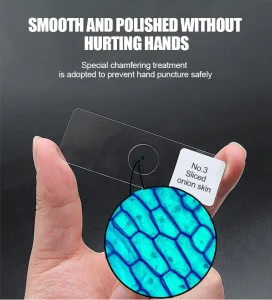
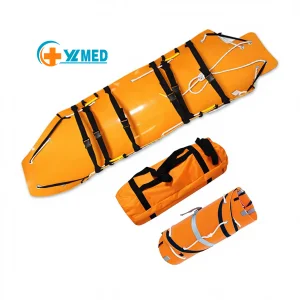
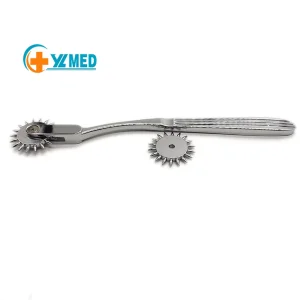
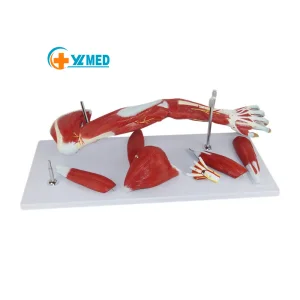
This full list preserves the original product titles, image URLs and product URLs. It is provided for sourcing transparency and for buyers who need adjacent medical teaching, emergency and hospital items alongside a custom silicone face model project.
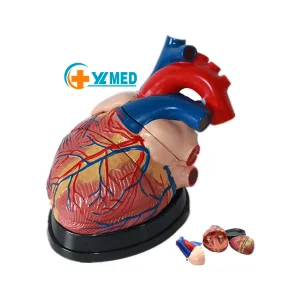
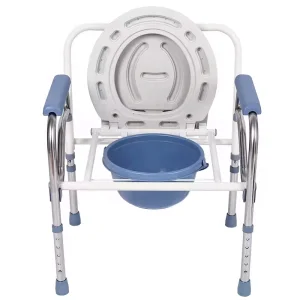
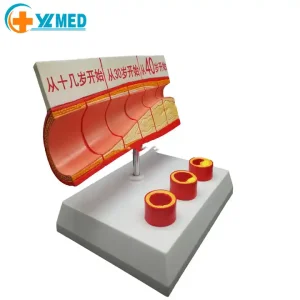
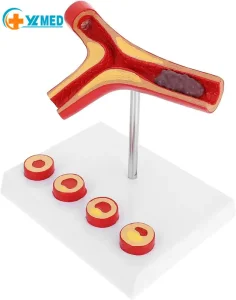
Featured CPR, Emergency & Rehabilitation Equipment
Best-selling simulation manikins, first-aid devices and mobility aids requested by training centres, ambulance services and healthcare distributors. The original images, titles and product links are retained below.












Original Hero and Product-Display Images Retained
These images come from the supplied source page and illustrate the manufacturer’s medical teaching model, nursing simulation and hospital equipment context.
 Medical teaching models and training equipment
 Anatomy and skeleton models
 CPR and nursing simulation
 Hospital furniture and equipment
 Global export service
 Medical teaching model collection
 Clinical skills training models
 Hospital equipment and instruments
Company, Showroom and Educational Equipment Updates
The original source page includes factory, workshop, export and exhibition imagery. These visuals support supplier due diligence and are retained with the original source context.

Headquarters & Factory, Xinxiang
The source describes a base at No. 8, Daoqing Road, Industry Park, Hongqi District, Xinxiang, Henan, China, with production, inspection and export coordination.

Production Workshop
A factory with more than 60 years of manufacturing history supports the original claim of long-term supply stability and repeat-order planning.

Bulk Orders Ready for Export
Mixed-category consolidation is a practical advantage for distributors buying anatomy, nursing, laboratory and hospital items together.

Do You Really Know How to Observe Biological Prepared Slides?
Many plant and animal cell structures can only be studied under a microscope, which makes prepared biological slides essential in every biology lab. Handle, focus and store slides correctly so students see clearer detail and your slide sets last for years.

The 5th Henan Provincial Educational Equipment Expo Concludes Successfully
Themed “Digital Leading Innovation and Development”, the expo reached a record 50,000 m² with 600+ brands and 10,000+ products on display, showcasing the latest educational equipment.

Inside Our Product Showroom
A look at the medical teaching models and training equipment buyers can inspect in person when visiting the Xinxiang facility, with a Hot Blog link retained for further buyer guides.
A Transparent 5-Step Process for Overseas Buyers
From first conversation to delivery, every stage should have a named contact and clear documentation so you can plan stock, tenders and training schedules with confidence.
Share Requirements
Send product types, quantities, target market and any tender or certification needs.
Catalog & Proposal
Receive matched models, specifications, packaging options and shipping suggestions.
Sample Evaluation
Test samples with your instructors or clinicians before confirming bulk production.
Production & QC
Manufacturing and inspection follow the supplier’s documented quality management system.
Export & Support
Protective export packing, delivery coordination and responsive after-sales service.
Frequently Asked Questions: ODM Silicone Face Models & Factory Quotes
Straight answers for procurement managers, simulation directors and distributors comparing ODM silicone face model factories and quotes.
Is Yulin Medical a manufacturer or a trading company?+
Yulin Medical is a manufacturer. Henan Yulin Edu. Project Co., Ltd. was founded in 1958 and operates its own factory in Xinxiang, Henan, China, with more than 200 professional staff. For one-stop orders, it also coordinates a stable network of long-term partner factories. For silicone face models specifically, a dedicated ODM brief and sample approval are required because the supplied source portfolio does not list a stand-alone silicone face model SKU.
What quality certification does Yulin Medical hold?+
The source states that its quality management system has been ISO 9001 certified since 2008. Product-specific documentation can be provided on request to support tenders and import registration in your country. Buyers should always confirm that the certificate scope and product-specific evidence match the exact product being purchased.
Do you support OEM, private label and custom packaging?+
Yes. The original source states that an in-house design team develops private-label packaging and product presentation for distributors, helping increase shelf appeal and resale value in the destination market. For silicone face models, packaging should be specified alongside the product brief, including protection for delicate edges, inserts and painted surfaces.
How do I choose the right CPR training manikin?+
Start with the learner group: adult, child or neonatal. Then check that real-time feedback covers compression depth, compression rate and ventilation volume; confirm alignment with current AHA resuscitation guidelines; and decide whether your courses need AED trainer integration. For advanced life-support programmes, an ACLS simulator with embedded scenarios offers more assessment value than a basic torso.
How quickly will I receive a reply?+
The source states that the export team is online 7 days a week and typically replies within 24 hours with catalogs, specifications and shipping options. Response time for a custom silicone face model RFQ should also include the time needed to clarify the brief; a responsible factory will ask questions before sending a final price.
What is an ODM silicone face model?+
An ODM silicone face model is a custom-designed facial model manufactured from silicone or a silicone-hybrid system according to a buyer’s specification. It may be used for medical simulation, moulage, wound-care training, dental or aesthetic education, prosthetic planning, anatomy demonstration or patient communication. ODM means the factory contributes design and engineering support rather than only producing a fully buyer-owned design.
How are silicone face model quotes calculated?+
Quotes typically reflect sculpting or 3D modelling, master pattern making, mould complexity, silicone type and hardness, colour matching, hand-finishing, embedded modules, eyes or eyelashes, mounting, packaging, sample iterations, QC and freight. Ask for each cost element separately. A credible quote should state what is included, what is excluded and what assumptions trigger a price change.
What information should I provide for an accurate quotation?+
Provide front, side and detail photos; target dimensions; use case; required skin tone; feature details such as wounds or removable inserts; cleaning method; handling frequency; packaging; destination market; target quantity; documentation needs; and the desired sample date. If you have 3D files in STL, STEP or OBJ, state the units and whether the file is a reference or a production model.
What is the minimum order quantity for custom silicone faces?+
There is no single MOQ that applies to all factories or all designs. MOQ depends on mould cost, sculpt complexity, colour matching, packaging and whether the factory has an existing similar master. Buyers should separate sample cost from production MOQ and ask whether small pilot runs are available for course validation.
Can the factory produce skin-safe or medical-grade silicone?+
“Medical grade” is not a universal label that can be applied without a defined use and evidence. If the model contacts skin or mucosa, request relevant biocompatibility or material test reports for the proposed silicone system, plus cleaning guidance and change-control commitments. The final responsibility for regulatory claims in your market remains with the importer or manufacturer of record.
How should I evaluate realism and durability in a sample?+
Use a scorecard covering skin tone, translucency, pore texture, edge blending, eye and lip detail, symmetry, seam visibility, hardness, tear resistance, module fit, cleaning response, colour rub-off and packaging protection. Test the sample under the lighting used in your training centre. Take photographs in consistent conditions so the production batch can be compared later.
Can I combine silicone face models with anatomy, CPR and hospital equipment orders?+
Potentially, but it must be planned. The source manufacturer operates 10 product lines and promotes mixed-category consolidation. A silicone face programme may involve a different production cell or partner, so the buyer should confirm responsibility, inspection plan, carton marking and delivery schedule before combining it with standard catalog items.
Need Specifications, a Price List or a Tender Package?
Tell us your target market, quantities and certification requirements. For silicone face model projects, include the intended use, reference images, dimensions, skin tone, module list and likely order quantity. For standard anatomy, CPR, laboratory and hospital items, request the matching catalog and quotation directly.
The source describes a 24-hour reply commitment and support 7 days a week.
Direct Channels
No. 8, Daoqing Road, Industry Park, Hongqi District, Xinxiang, Henan, China
Eight More Source-Listed Products for Consolidated Quotation
The final eight product cards below preserve the original images, titles and product URLs. Use them to build a mixed quotation or to compare adjacent medical teaching and hospital items with a custom silicone face model programme.