Integrated Medical Products for Combined ODM Procurement
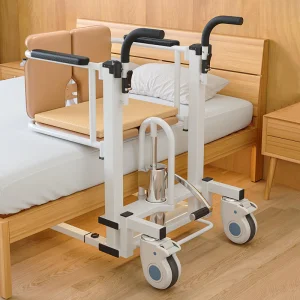
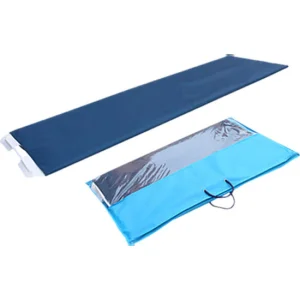
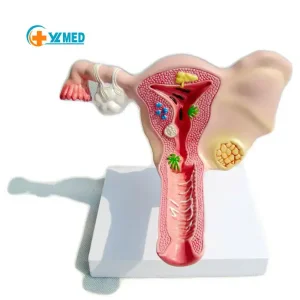
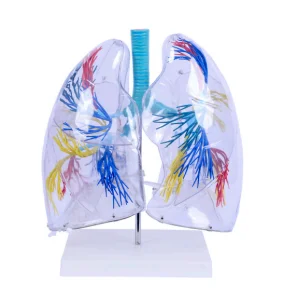
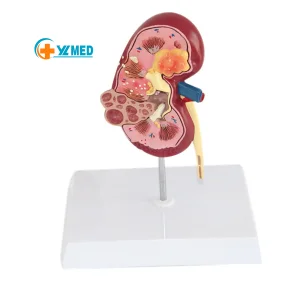
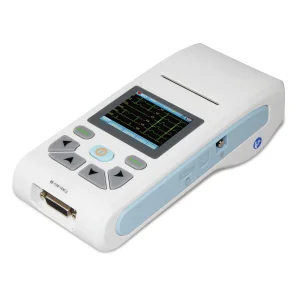
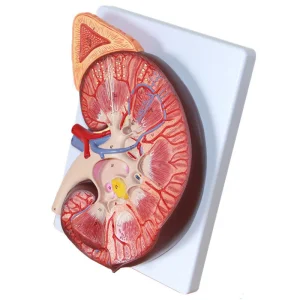
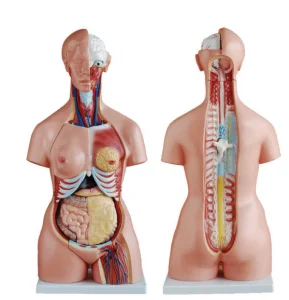
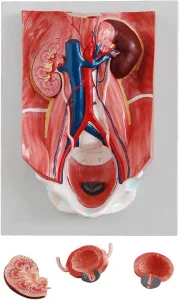
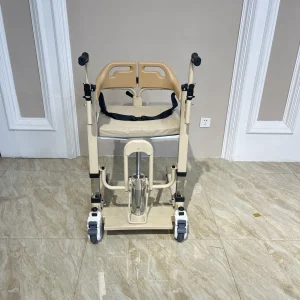
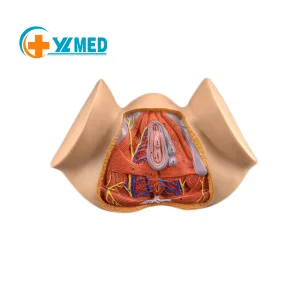
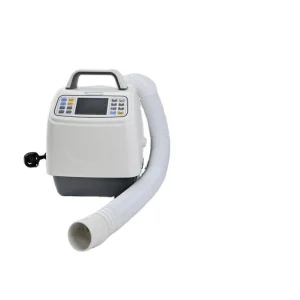
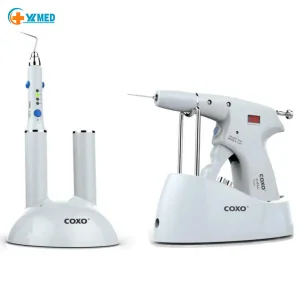
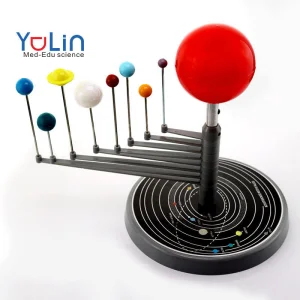
Portable ventilator ODM programs rarely stand alone. Distributors often bundle transport ventilation with training manikins, patient transfer equipment, diagnostic devices, anatomy models and hospital furniture. The eight catalog items below are retained from the original Yulin Medical source list, including their exact product URLs and image assets, so procurement teams can combine an ODM portable ventilator enquiry with adjacent medical equipment orders. For ventilator-specific specifications, request the current ODM portable ventilator quote pack and compliance matrix from our export team.
The New Economics of Portable Ventilator ODM
Prepared by Henan Yulin Edu. Project Co., Ltd. (Yulin Medical) · Manufacturer since 1958 · ISO 9001 certified since 2008 · Xinxiang, Henan, China. This guide is written for buyers who need a defensible comparison between ODM portable ventilator factories and quotes, not merely a low unit price.
Portable ventilators are no longer a niche emergency device. They sit at the intersection of critical care, home respiratory support, ambulance transport, disaster preparedness, subacute care and rural health delivery. For distributors and healthcare groups, the central question is not simply “Which factory offers the lowest quote?” but “Which ODM partner can provide a defensible combination of clinical performance, regulatory evidence, manufacturing stability, localized documentation and after-sales support at a predictable total cost?” The most useful quote is therefore a risk-managed quotation: one that separates device configuration, tooling, certification, packaging, freight, training and spare parts, and that clearly states which assumptions can change the final price.
This white paper introduces a practical 5C framework for comparing portable ventilator ODM factories and quotes: Capability, Compliance, Configuration, Capacity and Cost. It then examines macro industry solutions, the global commercial and industrial landscape, localized support and compliance assurance, local application scenarios, technical roadmap, quote anatomy, factory audit criteria and frequently asked questions. The objective is information gain: giving procurement teams a transparent method to compare factories, not a wall of generic claims.
The 5C Framework for Comparing Portable Ventilator ODM Quotes
Two quotations can look identical on the first page and behave very differently after installation. The 5C framework forces the factory to supply evidence for each commercial and technical claim.
Capability
Ask for the actual production process: turbine or blower module, sensor calibration, leak testing, battery testing, software validation and final QC. A trading company may quote the product, but the manufacturing site must prove process capability.
Compliance
Verify ISO 13485 scope, product approvals, IEC 60601-1 safety, EMC, risk management, software lifecycle records and cybersecurity documentation. A QMS certificate alone is not market authorization.
Configuration
Define ventilation modes, adult/pediatric/neonatal suitability, display size, battery runtime, oxygen input, alarm package, language, mounting system and accessories. Ambiguous configuration is the most common source of quote disputes.
Capacity
Confirm monthly output, lead time, MOQ by configuration, sample build schedule and contingency plan for components. Capacity must be verified against the real medical device line, not a general warehouse.
Cost
Compare total cost of ownership: unit price, tooling, certification, freight, warranty, spare-part reserve, training and documentation updates. A low unit price can hide high after-sales cost.
Where Portable Ventilation Creates Operational Value
Portable ventilators are not a single market. They are a platform technology used in different environments with different clinical, regulatory and service expectations.
Emergency and transport ventilation
Ambulance services, air medical teams and emergency departments need fast setup, visible alarms, rugged housing, stable battery performance and mounting compatibility with stretchers and vehicles.
Home non-invasive ventilation
Home-care providers require quiet operation, caregiver-friendly interfaces, leak compensation, remote support options, low maintenance and clear training materials for family members.
Rural and primary care
Low-resource clinics value wide voltage tolerance, dust resistance, simple service procedures, long shelf life for consumables and local-language labels that reduce user error.
Pandemic and disaster surge
Surge capacity planning requires rapid deployment, standardized accessories, remote training and a documented method to scale production without compromising test records or traceability.
Subacute and long-term care
Nursing homes and rehabilitation centres need reliable ventilation support, low-noise operation, easy cleaning, caregiver alarms and service arrangements that avoid long equipment downtime.
Field hospitals and mobile clinics
Military, humanitarian and mobile clinic programmes prioritize portability, accessory standardization, robust packaging, spare-part kits and operation from multiple power sources.
What Buyers Should Understand Before Comparing Factory Quotes
The global portable ventilator industry is shaped by regulatory maturity, clinical infrastructure, reimbursement and supply-chain depth. High-income markets tend to demand integrated software, cybersecurity documentation, electronic medical record connectivity and post-market surveillance. Emerging markets often prioritize ruggedness, wide voltage tolerance, low consumable cost, local-language training and serviceability in low-resource settings. Both groups increasingly ask for transparent quotes that separate device, accessories, tooling, certification, freight and service.
From a manufacturing perspective, supply falls into three broad tiers. Component assemblers can offer low prices but may lack a complete design history file or validated software process. Certified ODM platforms invest in ISO 13485, test laboratories, risk management, clinical evaluation support and regulatory files; their quotes are higher but more defensible. Global OEMs provide mature service networks and approvals, but may not accept small private-label volumes or rapid configuration changes. The right partner depends on the target market, expected volume, registration strategy and after-sales model.
| Factory tier | Typical strength | What to verify before deposit |
|---|---|---|
| Component assembler | Fast sample turnaround, low tooling cost, flexible small batches | Real production line, incoming inspection, safety testing, software version control and warranty capacity |
| Certified ODM platform | Documented design controls, ISO 13485 scope, test reports, regulatory file support | Product-specific certificates, IEC 60601-1 and EMC reports, software lifecycle evidence, complaint handling |
| Global OEM | Mature approvals, clinical reputation, global service network | Minimum order, lead time, regional exclusivity, spare-part pricing and access to technical documentation |
Quote variance is expected. Two factories can show the same exterior, yet one uses a lower-grade turbine, less accurate pressure sensor, narrower battery test coverage or fewer software verification records. A credible ODM quotation should therefore include not only unit price, but a bill of materials class, sensor supplier, alarm strategy, battery chemistry and test standard. Buyers should compare on total cost of ownership: failures, spare parts, training, documentation updates and registration maintenance.
Yulin Medical’s 60+ years of manufacturing history and ISO 9001 system since 2008 provide a stable base for mixed-category medical equipment sourcing. For ventilator ODM programs, the final manufacturing site must also demonstrate ISO 13485 scope and product-specific approvals. Our export team can coordinate catalog products, private-label packaging and consolidated shipments while supporting the due-diligence questions that matter for an ODM portable ventilator project.
A Certificate Is a Starting Point, Not a Market Authorization
Portable ventilator ODM compliance must be built around the destination market. Buyers should request product-specific evidence and verify that the certificate scope, model number and manufacturing address match the quotation.
| Compliance area | Evidence to request | Why it matters |
|---|---|---|
| Quality management | ISO 13485 certificate with scope; ISO 9001 as baseline; recent audit reports | Shows design control, production control, CAPA, supplier management and traceability |
| Electrical safety | IEC 60601-1 test report for the exact model and accessories | Protects patients and operators from electrical, thermal and mechanical hazards |
| EMC | IEC 60601-1-2 report; immunity and emissions test data | Reduces interference in ambulances, ICUs, homes and mixed-device environments |
| Ventilator particulars | ISO 80601-2-12 for critical care; ISO 80601-2-72 for home healthcare; relevant ventilatory support standards | Demonstrates performance, alarm and safety compliance for the intended use environment |
| Risk and software | ISO 14971 risk file; IEC 62304 lifecycle evidence; IEC 81001-5-1 cybersecurity documentation | Addresses software failures, alarm logic, update control and connected-device security |
| Battery and materials | IEC 62133 battery safety; ISO 10993 biocompatibility for patient-contact parts | Supports transport use and patient safety during prolonged contact |
| Market approval | FDA 510(k), EU MDR technical file, UKCA, NMPA, Health Canada, TGA, ANVISA or local registration dossier as applicable | Confirms legal access to the target market and supports tender eligibility |
| Commercial documentation | Instructions for use, labels, UDI, declaration of conformity, service manual, spare-parts list | Enables import, clinical training, maintenance and post-market surveillance |
Localization is not only translation. It includes voltage and plug compatibility, language and symbols, local clinical protocols, alarm limits, training materials, spare-part kits, warranty administration and a named service escalation path. For distributors, a factory that can supply a registration-ready technical file is usually more valuable than one that simply offers a lower unit price. For hospitals and EMS networks, the ability to train staff quickly and maintain devices locally is often the deciding factor.
Yulin Medical has operated an ISO 9001 quality system since 2008 and supports buyers with product documentation, private-label packaging and export coordination. For ventilator-specific ODM projects, we help buyers define the correct compliance questions and coordinate with audited manufacturing partners. Our export team is online 7 days a week and typically replies within 24 hours with catalogs, specifications and shipping options.
Design Priorities Change with the Care Setting
A ventilator that performs well in an ICU may be a poor choice for a home or a field hospital. ODM buyers should specify the real environment of use before selecting modes, alarms, batteries and accessories.
Home-care ventilation
Priority: quiet operation, simple caregiver interface, stable leak compensation, low power consumption, remote support and clear cleaning instructions. Accessories should be easy to replace without a technician visit.
Ground ambulance transport
Priority: vibration resistance, secure mounting, readable alarms in daylight, hot-swappable batteries and fast transition between transport and hospital ventilation. Service procedures must be simple during shift changes.
Rural clinic and low-resource care
Priority: dust tolerance, wide input voltage, simple menus, local-language labels, long shelf-life consumables and a spare-parts kit that a district technician can install without specialized tools.
Field hospital and disaster response
Priority: compact packaging, multiple power sources, standardized patient circuits, rapid self-test, rugged enclosure and a documented surge-production plan with consistent test records.
Subacute and rehabilitation units
Priority: low noise, trend review, caregiver alarms, mobility, easy cleaning and predictable maintenance intervals. Integration with existing oxygen and suction systems should be checked early.
Pediatric and neonatal transport
Priority: accurate low tidal-volume delivery, appropriate circuit compliance, dedicated pediatric modes and validated alarm limits. Not every portable ventilator is suitable; verify clinical claims in the IFU.
Portable Ventilation from 2025 to 2030
The technical roadmap for portable ventilators is converging around four themes: better respiratory mechanics at smaller size, more intelligent alarms, secure connectivity and lifecycle serviceability. Turbine and blower efficiency improvements continue to reduce noise and power consumption, enabling longer battery runtime and lighter transport devices. Sensor fusion and advanced leak compensation are improving non-invasive ventilation performance in homes and ambulances.
Software will become a larger part of the product. Buyers should expect firmware version control, cybersecurity risk management, audit logs and clear update policies. Products that connect to hospital networks or remote monitoring platforms must address interoperability, data privacy and network security from the design stage. In parallel, modular hardware platforms will allow factories to serve multiple markets with fewer unique components, improving lead time and spare-part availability.
Efficiency and usability
Lower-noise turbine modules, hot-swappable batteries, brighter displays, faster self-tests and improved transport mounting. Buyers will ask for clearer battery-runtime claims at defined ventilation settings.
Connectivity and NIV
Advanced leak compensation, automatic non-invasive modes, HL7/FHIR data export, remote firmware management and stronger cybersecurity documentation under IEC 81001-5-1.
Clinical decision support
AI-assisted trend analysis, predictive maintenance, consumable-life alerts and personalized ventilation algorithms. Clinical claims will require stronger validation and post-market surveillance.
Modular, resilient platforms
Common hardware platforms, additive-manufactured spare parts, circular-economy service models and ruggedized designs for climate-stressed and low-resource environments.
For ODM buyers, the practical implication is to write a technology roadmap into the supply agreement. Ask how firmware updates will be controlled, how spare parts will be available after end-of-production, how cybersecurity patches will be distributed, and how the factory will maintain regulatory files when components or software change. A factory that can answer these questions is better prepared for the next procurement cycle.
Why Two ODM Portable Ventilator Quotes Are Never Truly Comparable
The following cost stack is illustrative. Its purpose is to help buyers ask better questions about where the money goes and which assumptions must be fixed before a quotation can be evaluated.
| Quote element | Why it matters | Red flag |
|---|---|---|
| Model and configuration | Defines modes, patient range, display, battery, alarms and accessories | Quote says “portable ventilator” without a configuration sheet |
| BOM class and key suppliers | Reveals sensor, turbine, battery and electronics quality | Supplier names hidden until after deposit |
| Tooling and packaging | Explains private-label cost and minimum order | Tooling cost excluded from the first quote |
| Testing and certification | Covers safety, EMC, software and market registration support | “CE certificate” offered without a model-specific technical file |
| MOQ and lead time | Supports stock planning and tender deadlines | Lead time quoted without component allocation assumptions |
| Warranty and spare parts | Protects total cost of ownership and uptime | Warranty excludes battery, sensors or consumables without explanation |
| Training and documentation | Enables clinical adoption and local service | No service manual, IFU or training package included |
| Incoterms and freight | Clarifies risk transfer and landed cost | Unit price quoted without battery shipping classification |
Eight Checks Before You Approve a Portable Ventilator ODM Factory
A factory audit should produce evidence, not impressions. Use the following checklist to structure a remote or on-site review.
Real manufacturing evidence
Confirm the production address, assembly lines, test stations and calibration equipment. Match the audit location to the certificate and quotation.
Test laboratory and calibration
Review pressure, flow, oxygen, battery, safety and EMC test capability. Calibration records should be current and traceable.
Traceability and supplier control
Ask how critical components are approved, inspected and traced by serial number. Check incoming inspection records and supplier change control.
Software and cybersecurity
Request software requirements, architecture, verification records, bug tracking, update policy and cybersecurity risk assessment.
Clinical validation and usability
Check that performance claims are supported by bench testing, usability review and clinical evaluation appropriate for the target market.
Regulatory file ownership
Clarify who owns the technical file, who holds the certificate and how changes are notified. The buyer’s registration strategy depends on this.
Capacity and lead time
Verify monthly output, MOQ, component lead times and surge plan. Request a production schedule with named milestones.
After-sales and spare parts
Review warranty terms, spare-part pricing, training, complaint handling and end-of-life support. A good factory plans for year five, not just shipment.
A Six-Decade Medical Equipment Base for Combined Sourcing
Founded in 1958, Henan Yulin Edu. Project Co., Ltd. has grown into a well-known educational and medical equipment supplier integrating scientific research, production and sales. With registered capital of RMB 120 million and more than 200 professional employees, we manage product development, manufacturing, inspection and export from our base at No. 8 Daoqing Road, Hongqi District, Xinxiang, Henan, China. Our quality management system has been ISO 9001 certified since 2008.
For buyers, this means one accountable partner for anatomy models, nursing simulators, laboratory slides, dental tools, hospital furniture, medical apparatus and general teaching models, consolidated into a single shipment with one point of contact. Our in-house design team supports private-label packaging and product presentation, while our export team is online 7 days a week and typically replies within 24 hours. For ODM portable ventilator projects, we help buyers navigate factory capability, compliance evidence, quotation structure and localized support requirements.
60+ years of supply stability
A factory with more than six decades of history and an integrated partner supply chain helps keep lead times predictable on repeat orders.
Design and packaging team
In-house specialists deliver private-label packaging and product presentation that strengthens your brand and increases resale value.
ISO 9001 process control
Our quality system has been certified since 2008. Product-specific documentation can be provided on request for tenders and import registration.
24/7 responsive service
Our team is online 24 hours a day, 7 days a week. Whatever your time zone, you receive a detailed answer, typically within 24 hours.
From First Enquiry to Export Delivery
Share requirements
Send product types, quantities, target market, preferred configuration and any tender or certification needs.
Catalog and proposal
Receive matched models, specifications, packaging options, compliance questions and shipping suggestions.
Sample evaluation
Test samples with your instructors, clinicians or biomedical team before confirming bulk production.
Production and QC
Manufacturing and inspection follow the agreed quality plan, with milestone updates and documentation checks.
Export and support
Protective export packing, delivery coordination, training materials and responsive after-sales service.
ODM Portable Ventilator Factories & Quotes: Frequently Asked Questions
Straight answers to the questions procurement managers ask most before comparing factories, requesting samples or placing a first ODM order.
Are you a portable ventilator factory or a sourcing company?
Yulin Medical is a medical and educational equipment manufacturer founded in 1958, with an ISO 9001 quality system since 2008. For ODM portable ventilator projects, we coordinate with audited manufacturing partners and help buyers evaluate capability, compliance, configuration, capacity and cost. Buyers should always verify the final manufacturing site, ISO 13485 scope and product-specific approvals for the exact ventilator model.
What is the typical MOQ for ODM portable ventilators?
MOQ depends on whether the order uses an existing platform or requires new tooling, a custom enclosure, a different battery configuration or new software features. An existing ODM platform usually has a lower MOQ than a full private-label development. Request a written MOQ schedule that separates sample units, pilot production and mass production.
How should I compare ODM portable ventilator quotes?
Compare configuration, key component class, certification scope, test reports, tooling, packaging, warranty, spare parts, training, freight and lead time. Do not compare a bare device price with a fully documented ODM package. Use the 5C framework: Capability, Compliance, Configuration, Capacity and Cost.
Which certifications should a portable ventilator ODM factory provide?
At minimum, request ISO 13485 for the manufacturing site, IEC 60601-1 safety report, IEC 60601-1-2 EMC report, ISO 14971 risk management evidence, IEC 62304 software lifecycle evidence and relevant ventilator standards such as ISO 80601-2-12 or ISO 80601-2-72 for the intended use. Market-specific approvals such as FDA 510(k), EU MDR, UKCA, NMPA, Health Canada, TGA or ANVISA depend on your destination.
Can you support private label, custom packaging and localized manuals?
Yes. Our in-house design team develops private-label packaging and product presentation for distributors. Localized manuals, labels, language options and accessory kits can be discussed as part of the ODM project specification. Final regulatory review remains the responsibility of the certificate holder and importer.
How long does an ODM portable ventilator project take?
An existing platform with private-label packaging can move faster than a new enclosure or new ventilation mode. A realistic plan should include requirements definition, sample evaluation, design verification, validation, pilot production, regulatory review and mass production. Request a milestone schedule rather than a single lead-time number.
Can one portable ventilator support adult, pediatric and neonatal patients?
Not automatically. The instructions for use must confirm the patient range, tidal-volume accuracy, circuit compliance, alarm limits and clinical validation. For pediatric or neonatal use, verify low tidal-volume performance and dedicated modes before quoting. Do not rely on a general “multi-patient” claim without documentation.
What after-sales support should be included in an ODM agreement?
Include warranty terms, spare-part pricing, battery replacement policy, service manuals, training materials, complaint handling, firmware update policy and end-of-life support. For distributors, a spare-parts kit and technician training package often reduce downtime more than a lower initial unit price.
How can I verify a factory before paying a deposit?
Request the business license, ISO certificates with scope, product test reports, factory photos and video, production line evidence, sample testing, customer references where available, and a remote or on-site audit. Match the certificate address and model numbers to the quotation. Use a milestone payment structure tied to evidence.
How quickly will I receive a reply?
Our export team is online 7 days a week and typically replies within 24 hours with catalogs, specifications, compliance questions and shipping options. For urgent tender deadlines, include the target market, required certification, quantity and delivery date in your first message.
Need a Factory Audit Pack, Compliance Matrix or Indicative ODM Quote?
Tell us your target market, quantity, preferred ventilation modes, certification requirements and delivery schedule. Our product specialists will recommend suitable models, share detailed specifications and propose a practical shipping plan for your order.
Additional Medical Training and Hospital Equipment
The remaining eight catalog items below are retained from the original Yulin Medical source list with their exact product URLs and images. They support mixed-category orders alongside ODM portable ventilator projects, including patient transfer, elderly care, diagnostics, anatomy education and hospital equipment.