ODM / OEM Sourcing White Paper · Pediatric Airway Simulation
ODM Model Of Tracheal Intubation In Children Manufacturer & Manufacturers
A buyer-focused guide to pediatric airway training models, private-label manufacturing, compliance evidence, global procurement and long-term program support.
ISO 9001 since 2008Factory since 195810 product linesOEM / private label
Product Set 01
Established Teaching Models for Mixed-Category Procurement
The eight products below are preserved from the current Yulin Medical range. They illustrate the broader manufacturing platform behind ODM discussions: anatomy, nursing, dental, science, emergency and hospital training categories can be consolidated into one supply plan, one documentation flow and one shipment program.
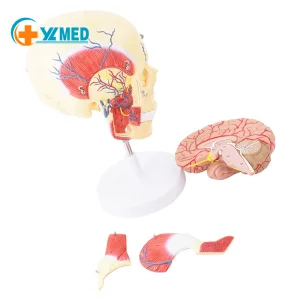
OEM Human anatomical model of the maxillofacial anatomy of masticatory muscles Masseter temporalis trigeminal nerve Manufacturer, Factory
View product details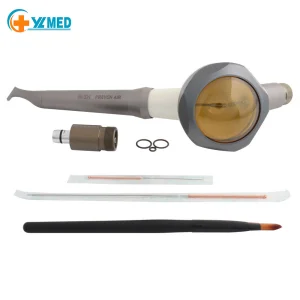
ODM Oral medical equipment can be sterilized at high temperature Dental sandblasting gun supragingival whitening cleaning machine Factory, Pricelist
View product details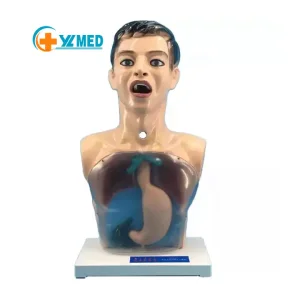
ODM New nursing basic practice operation model nurse training human body model transparent gastric lavage model Manufacturer, Manufacturers
View product details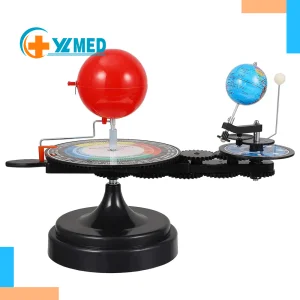
Wholesale Sun Earth Moon Orbital Model Kits Solar System Model Astronomical Science Educational Kits Solar System Model Kit Manufacturer, Quotes
View product details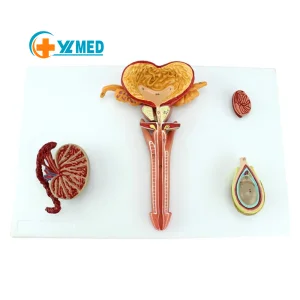
Wholesale High Standard PVC Manikin Medical Science Anatomical Model of the Male Reproductive System 1 Part for School Use Manufacturer, Factory
View product details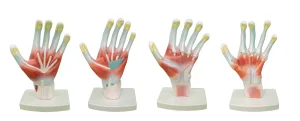
China Anatomical model of the human palm Factories, Quotes
View product details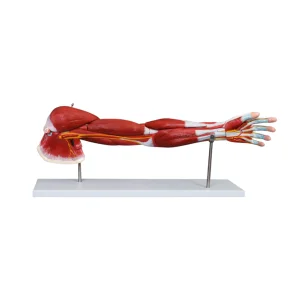
ODM life size arm model anatomy model scientific arm anatomical muscle 7 parts numbered shows muscles of the shoulder arm and hand Manufacturer, Pricelist
View product details
Executive Summary
What “ODM Model Of Tracheal Intubation In Children” Really Means for Buyers
The keyword describes a commercial and educational need, not just a product photo. Buyers are looking for a manufacturer that can turn a pediatric airway training brief into a repeatable teaching asset—with the right anatomy, realistic handling, cleanable materials, evidence documentation and dependable supply.
A pediatric tracheal intubation model is a simulation aid used by medical schools, nursing colleges, anesthesia programs, emergency medicine departments, EMS academies and distributors. It is not a substitute for supervised clinical training. Its value lies in helping learners understand age-related airway differences, practice device handling, receive structured feedback and repeat procedures in a controlled environment. For that reason, the ODM brief must connect four evidence sets: anatomical representation, airway path performance, material durability and assessment support. A model that looks convincing but cannot accept realistic tubes, survive cleaning or be repaired economically will quickly become a shelf object.
ODM means original design manufacturing. In practice, a buyer may bring a curriculum requirement, a competitor sample, a 3D anatomy file, a private-label concept or a tender specification. The manufacturer then supports design for manufacturability, material selection, tooling, sample validation, packaging, labeling, documentation and repeat production. OEM buyers usually begin with an existing platform and apply branding, packaging or minor configuration changes; ODM buyers expect more engineering involvement and a clearer validation pathway. The distinction matters because the true cost of a pediatric intubation trainer is not the first sample—it is the cost of consistent performance across every batch, every classroom and every replacement part.
Search intent around this topic is usually commercial investigation, not casual reading. Distributors compare manufacturers; hospitals compare documentation; schools compare pedagogy; tender teams compare warranty, spare parts and delivery reliability. The strongest supplier response therefore combines product specifications with information gain: what should be specified, how samples should be evaluated, how compliance should be evidenced, how localization is handled and how the model fits a long-term training program.
1958Factory founded
2008ISO 9001 certified since
200+Professional staff
10Product lines
Illustrative 100-Point Sample Evaluation Model
For procurement scorecardsAnatomy and airway realism92
Cleanability and repairability88
Documentation and traceability86
Feedback and assessment fit82
Total cost of ownership78
Specification Intelligence
What Buyers Should Specify in a Pediatric Intubation Training Model
A strong ODM brief translates learning objectives into measurable model requirements. Generic phrases such as “realistic” or “high fidelity” are not enough. The following four specification groups help distributors, tender writers and clinical educators compare offers on equal terms.
Age and Anatomy Architecture
Define whether the trainer represents a neonate, infant, child or adolescent. Critical discussion points include head positioning, tongue volume, epiglottis shape, vocal cord appearance, cricoid region, oral and nasal access, and whether interchangeable airway modules are required.
Airway Path and Handling
Specify accepted tube sizes, suction access, bag-valve-mask fit, resistance profile, anatomical landmarks and replacement frequency. If the model must support video laryngoscopy or supraglottic devices, state this at sample stage rather than after tooling approval.
Materials and Cleanability
Ask for skin-safe polymer options, removable airway parts, compatibility with common disinfection routines, color stability, tear resistance and spare-part availability. A pediatric airway trainer will be handled repeatedly, so cleanability must be designed in.
Assessment and Feedback
Decide between mechanical feedback, instructor checklist and sensorized digital feedback. For electronic modules, include battery life, calibration, software validation, language support, spare cables and after-sales responsibilities in the written agreement.
Information gain for tender writers: require a sample evaluation record that covers anatomy, tube passage, cleaning, replacement parts and packaging. A supplier that can document failure modes is usually more reliable than one that only lists features.
Global Procurement Demand
Global Procurement Demand: What Distributors, Hospitals and Schools Are Buying Now
Procurement behavior has shifted from buying isolated manikins to building simulation capability. Medical schools want curriculum alignment; hospitals want standardized refresher training; EMS academies need rugged, cleanable equipment; distributors want private-label packaging and replacement-part programs; tender authorities want documents that survive audit. This is especially visible in pediatric airway training, where clinical exposure can be limited and training must be repeated frequently.
Age-Specific Training Suites
Buyers increasingly request neonatal, infant and child configurations in one supply program. A modular family reduces procurement complexity, simplifies instructor training and helps distributors offer a complete airway-training solution rather than a single SKU.
Documentation-First Tenders
Public and institutional tenders often require product specifications, packaging details, warranty terms, spare-parts lists, material declarations and quality-system evidence. Suppliers that can prepare these documents quickly have a clear advantage.
Consumable and Spare-Part Planning
Replacement airways, skins, seals, labels and electronic accessories matter over a five-year horizon. Procurement teams now ask for annual usage assumptions, minimum order quantities and lead times for critical parts.
Train-the-Trainer Support
Institutions want more than hardware. They ask for setup guidance, cleaning instructions, curriculum mapping and simple competency rubrics. Local-language materials and distributor training can turn a product into a sustainable program.
Buyer insight: the best ODM conversations start with the training outcome—what learners must be able to do—then work backward to anatomy, materials, feedback and price. Starting with a catalogue photo usually leads to a sample mismatch.
Industry Trends
Pediatric Intubation Model Trends: From Static Anatomy to Connected Competency
The next buying cycle will be shaped less by visual realism alone and more by measurable training value. Manufacturers that can connect physical models with feedback, local curriculum and lifecycle service will win ODM programs; those that only sell static models will compete on price.
Hybrid Simulation
Physical airway trainers are being paired with digital checklists, video debriefs and remote instructor review. The model remains the center of the learning experience, but software captures what the instructor may miss.
Sensorized Feedback
Compression, ventilation, tube position and timing can be tracked with low-cost sensors. The ODM question is not whether sensors are possible, but whether they improve learning without creating calibration and service problems.
Modular Age Variants
Distributors prefer platforms that accept interchangeable airway modules for neonate, infant and child training. Modularity reduces inventory risk and allows one product family to serve multiple tender specifications.
3D-Printed Anatomy Libraries
Rapid tooling and 3D printing make it easier to create anatomical variations, rare presentations and customized training faces. Buyers should still require durability testing before a printed component enters routine classroom use.
Infection Prevention
Cleanable surfaces, removable airway paths and clear disinfection instructions are now procurement requirements. Models that trap moisture, stain easily or cannot be dismantled will create hidden costs for hospitals and schools.
Sustainability and TCO
Design for disassembly, recyclable packaging and replaceable modules are becoming part of supplier evaluation. Total cost of ownership, not purchase price alone, is the more professional comparison metric.
Macro Solutions
Macro Industry Solutions: From a Single Model to a Deployable Airway Program
A professional ODM program should reduce the buyer’s operational burden across curriculum, branding, procurement and lifecycle management. This is where a manufacturer with a broad teaching-model portfolio and in-house design capability creates more value than a trader selling isolated SKUs.
Curriculum Mapping
Map the trainer to specific learning objectives, contact hours and assessment checkpoints. For pediatric airway training, this may include anatomy review, device selection, supervised practice and debriefing.
OEM and Private Label
Support logo placement, packaging, manuals, product naming and market-specific kits. Private-label presentation helps distributors build resale value and differentiate from generic listings.
Tender and Logistics Support
Consolidate mixed-category orders, prepare packing lists, check carton dimensions and coordinate documentation. For large programs, a single point of contact reduces errors across multiple product lines.
Lifecycle Service
Plan spare parts, replacement schedules, warranty terms and local distributor responsibilities. A model family supported for years is more valuable than a one-time low-cost shipment.
Yulin Medical’s existing range covers anatomy models, biology prepared slides, dental tools, general teaching models, hospital furniture, hospital machines, medical apparatus, nursing models, skeleton models and suture pads. For pediatric intubation ODM projects, this breadth supports mixed procurement: a distributor can source an airway training concept alongside anatomy models, nursing trainers and emergency-care products, reducing supplier count and shipping complexity.
Localization and Compliance
Localization Support and Compliance Assurance for International Buyers
Compliance should be discussed with precision. A quality-system certificate is not the same as product certification, and a training model should not automatically be described as a regulated medical device. Serious suppliers separate what is documented, what is tested and what the importer must confirm in the destination market.
ISO 9001 Quality System
Henan Yulin Edu. Project Co., Ltd. has held ISO 9001 certification since 2008. This supports process consistency, inspection discipline and traceability; product-specific documentation can be discussed for tenders and import registration.
Product-Specific Evidence
Request material declarations, test reports, cleaning validation notes, packaging specifications and labeling artwork where applicable. Avoid assuming CE, FDA or other marks unless a written, product-specific document is provided.
Localization Support
Language options, manual adaptation, private-label labeling, distributor training and market-specific packaging help the product fit local teaching environments while preserving the manufacturer’s core quality controls.
Spare Parts and Warranty
Define warranty scope, replacement airway parts, electronic accessories, packing standards and response times. For distributors, a clear spare-parts list is often more important than a longer but vague warranty statement.
Due diligence note: confirm regulatory classification with your importer or qualified advisor. The manufacturer should provide accurate technical files and labeling support, while the buyer remains responsible for destination-market registration and claims.
Technical Roadmap
Technical Roadmap and Future Outlook for Pediatric Airway Simulation
A credible ODM partner should be able to discuss the next three to five years, not only the current catalogue. The roadmap below reflects the direction most professional buyers are already evaluating: modular anatomy, sensor-assisted feedback, local production support and connected competency data.
Sensor-Ready Modular Airway
Standardized airway cartridges, replaceable skins and optional sensor bays allow buyers to start with a mechanical trainer and upgrade feedback later without changing the whole platform.
Digital Rubrics and Remote Debrief
Instructor checklists, QR-linked manuals and cloud-based debrief records help distributed training networks maintain consistent assessment across campuses or partner hospitals.
3D-Printed Variant Library
Anatomical variation libraries can support special-needs training, local curriculum requirements and pilot programs. Durability validation becomes the critical gate before routine use.
Local Kitting and Packaging
Regional kitting can reduce freight waste, improve language fit and speed up distributor replenishment. Quality control plans must travel with the kit even when packaging is localized.
Design for Disassembly
Replaceable modules, recyclable packaging and clearer material labeling support sustainability goals and lower lifetime cost for large institutions.
Connected Competency Platform
Physical trainers will increasingly connect to competency dashboards. The winning model will balance educational evidence, data privacy, serviceability and affordability.
Supplier Evaluation
How to Compare ODM Manufacturers Without Being Misled by Catalogue Claims
Distributors and tender teams need a repeatable evaluation method. The following six checks reveal whether a supplier has genuine manufacturing depth or simply resells product images.
Factory and Process Evidence
Ask for factory photos, production-flow descriptions, inspection points and the name of the legal manufacturer. Verify whether the supplier owns the quality process or relies entirely on third-party trading partners.
Design Controls
For ODM work, ask how anatomical requirements, tolerances, materials and airway performance are translated into drawings and inspection criteria. A design review before tooling is cheaper than corrective action after production.
Sample Validation Protocol
Test the sample with the actual tube sizes, cleaning process and handling routine used in training. Record wear, discoloration, tube passage, replacement time and packaging condition.
Supply Continuity
Confirm lead times, MOQs, replacement-part availability and production capacity. For tender deliveries, ask what happens if a component is delayed and how partial shipments are handled.
Documentation Readiness
Request quality-system evidence, product-specific test reports, packaging data and labeling samples. Clear documents reduce customs delays and make tender responses more defensible.
Communication Discipline
Check response speed, technical clarity and willingness to escalate questions. A supplier that answers in 24 hours with specific data is usually safer than one that replies quickly with generic claims.
Manufacturer Profile
Why Yulin Medical Is a Credible Partner for Pediatric Airway ODM Discussions
Henan Yulin Edu. Project Co., Ltd. was founded in 1958 and operates from Xinxiang, Henan, China. The company integrates research, production and sales for educational and medical training equipment, with registered capital of RMB 120 million and more than 200 professional staff. Its quality management system has been ISO 9001 certified since 2008, and its operating principle is straightforward: quality first, service first.
For buyers, the advantage is not only a product list. It is the ability to coordinate mixed-category orders, private-label packaging, export documentation and technical communication through one accountable manufacturer. The in-house design and packaging team supports distributors with product presentation and resale value, while the export team is available seven days a week and typically replies within 24 hours. For a pediatric intubation model ODM program, the practical next step is a written scope: target age groups, anatomical features, airway performance, feedback options, materials, packaging, documentation, sample quantity and expected annual volume.
Yulin Medical’s ten product lines also allow procurement teams to combine airway training products with anatomy, nursing, science and emergency-care items—an efficient approach for distributors building a complete education catalogue or responding to a multi-lot tender.
Factory-direct supply across ten product lines, from anatomy models to hospital furniture.
Private-label packaging and product presentation designed to raise distributor resale value.
Mixed-category orders consolidated into one shipment with one point of contact.
Company facts: founded 1958 · ISO 9001 since 2008 · RMB 120 million registered capital · 200+ staff · 24-hour typical reply commitment · OEM and private-label support.
Explore Product Line Links
Buyer FAQ
Frequently Asked Questions from International Buyers
Straight answers to the questions procurement managers ask most before placing an ODM or OEM order for pediatric airway training products.
Is Yulin Medical a manufacturer or a trading company?
We are a manufacturer. Henan Yulin Edu. Project Co., Ltd. was founded in 1958 and operates its own factory in Xinxiang, Henan, China, with more than 200 professional staff. For one-stop orders, we also coordinate a stable network of long-term partner factories.
Can you develop an ODM pediatric intubation training model?
Yes, subject to a written scope and validation plan. We review the target age groups, anatomical features, airway function, feedback options, materials, packaging, documentation, sample quantity and expected annual volume before quoting. For new tooling or electronic feedback, a sample validation stage is required before bulk production.
What quality certification do you hold?
Our quality management system has been ISO 9001 certified since 2008. Product-specific documentation can be provided on request to support tenders and import registration in your country. Buyers should confirm the regulatory classification and registration requirements for their own market.
Do you support OEM, private label and custom packaging?
Yes. Our in-house design team develops private-label packaging and product presentation for distributors, helping increase shelf appeal and resale value in your market. We can also discuss manual adaptation, kit configuration and language requirements.
Can we combine airway trainers with other teaching models?
Yes. Our ten product lines cover anatomy, nursing, dental, science, hospital furniture, medical apparatus, skeleton models and suture training. Mixed-category orders can be consolidated into one shipment with one point of contact, which is useful for distributors and tender packages.
How quickly will I receive a reply?
Our export team is online seven days a week and typically replies within 24 hours with catalogues, specifications, sample options and shipping suggestions. For faster quotation, include target market, quantity, age group, feedback requirements and any tender documentation.
Talk to the Export Team
Request a Pediatric Airway ODM Brief or a Mixed-Category Quotation
Share your target market, age groups, required airway functions, feedback preference, packaging concept, estimated annual volume and compliance questions. Our team will respond with a practical specification discussion, sample path and shipping plan.
Email[email protected]
Phone / WhatsApp0086-13503800666
Manufacturing BaseNo. 8, Daoqing Road, Industry Park, Hongqi District, Xinxiang, Henan, China
Product Set 02
Additional Models for Distributor Kits and Tender Packages
The remaining eight product links from the supplied range are retained below. Their breadth supports one-stop sourcing and makes it easier to build a mixed training catalogue around pediatric airway simulation.
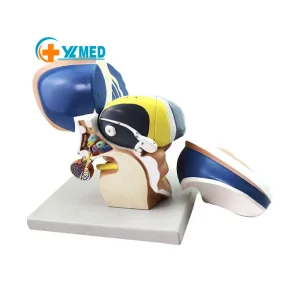
China 3X Human Diencephalon End Thalamus Model, Human Interbrain Intuitive Brain Nervous System Medical Teaching Factories, Pricelist
View product details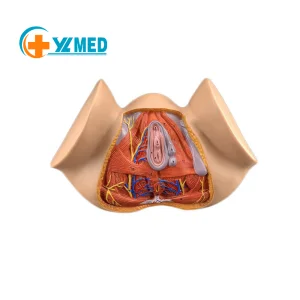
Wholesale Factory Price Human Anatomical Model for Uterus Medical Science Torso Model Educational Female Perineum Model Manufacturer, Service
View product details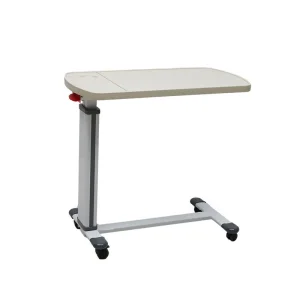
Wholesale Medical Adjustable Overbed Bedside Table With Wheels Home Care Adjustable Height OverBed Table Quotes, Service
View product details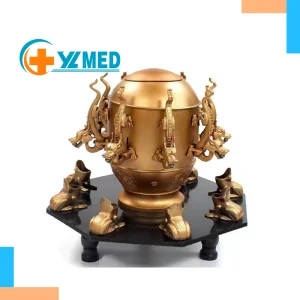
ODM Primary School Science Experiment Equipment Model Seismograph for Geography Teaching for Primary Science Labs Pricelist, Service
View product details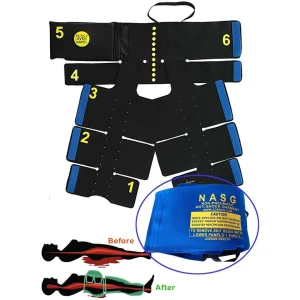
China An elastic resistance bandage with tension, non-pneumatic shock-absorbing splint, emergency splint, shock-absorbing support device Pricelist, Service
View product details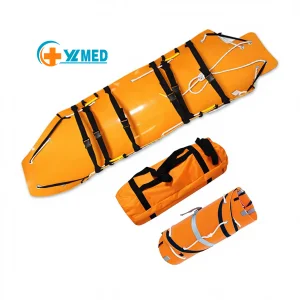
China Portable Folding Stretcher Roll Multifunctional Rescue Basket Light Weight Medical Emergency Rescue Ambulance Fire Rescue Load Quotes, Service
View product details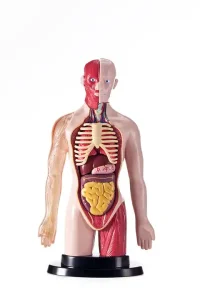
OEM Plastic assembled anatomical model children's toys education human anatomy science experiment human toys for kids Manufacturers, Quotes
View product details