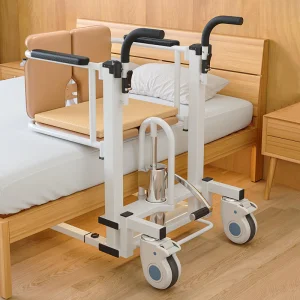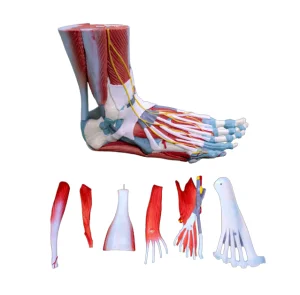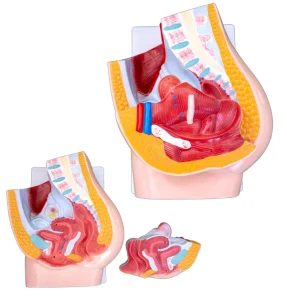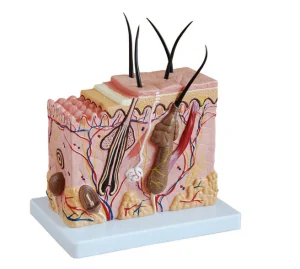
Banner-adjacent product showcase
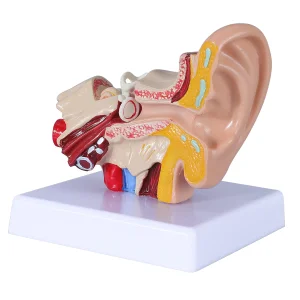
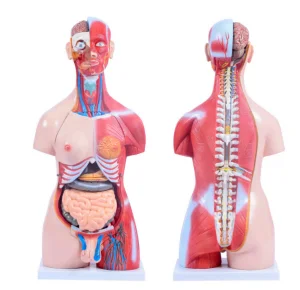
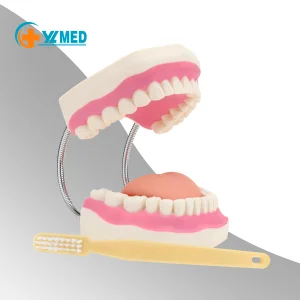
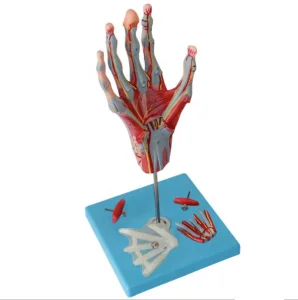
First 8 Factory Models for ODM/OEM Pricelist Review
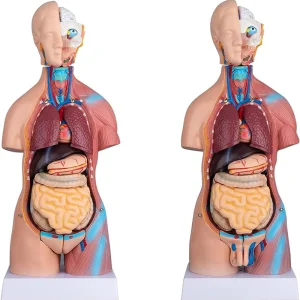
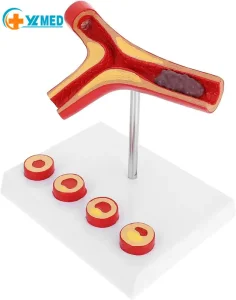
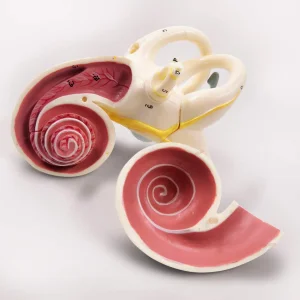
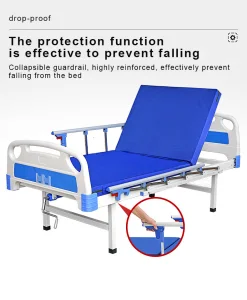
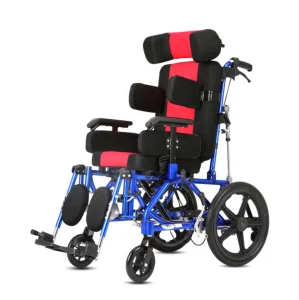
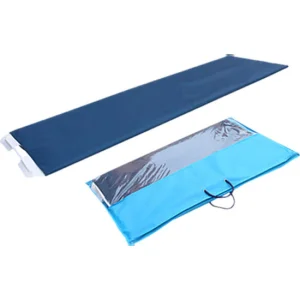
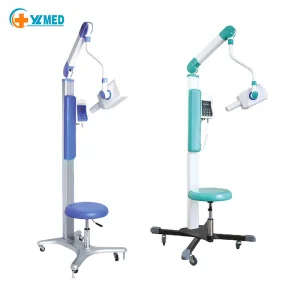
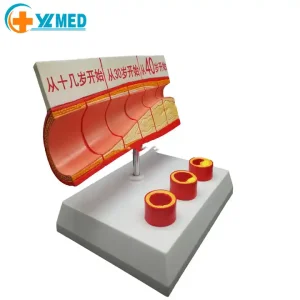
These eight models represent the practical starting point for distributors, medical schools and hospital procurement teams comparing a nursing doll pricelist, anatomical model quotes and hospital training equipment options. Product images, original titles and quotation links are preserved for direct review.
Search intent and procurement context
Why a Pricelist & Quotes Page Is a Procurement Tool, Not a Price Tag
A buyer searching for an ODM medical training model nursing doll pricelist usually has more than one job to complete. One buyer may be validating a budget for a nursing college; another may be preparing a hospital tender; a distributor may need private-label packaging; and an established supplier may be auditing a second factory for business continuity. The phrase “pricelist and quotes” therefore signals commercial intent, but it also signals a need for confidence: model scope, material choices, compliance documents, packaging standards, MOQ, lead time and after-sales support all influence the final decision.
Budget validation
Procurement teams need a realistic price band before they can compare bids, confirm funding or design a phased simulation-centre rollout.
Tender compliance
Public and private tenders often require specifications, packaging details, documentation, warranty terms and delivery commitments in a comparable format.
Private-label launch
ODM and OEM buyers need to understand tooling, logo placement, packaging design and minimum order quantities before committing to a product line.
Supplier audit
Repeat buyers compare a manufacturer’s product depth, quality system, export packing and communication speed before shifting volume.
Information gain for buyers: a strong ODM nursing doll quotation should be traceable. It should state what is included, what is optional, which documents are supplied, how the product is packed and which destination-market requirements remain the buyer’s responsibility. This page is structured around those decision points rather than a single headline price.
Product definition
What Counts as a Medical Training Model Nursing Doll?
In international sourcing, “nursing doll” is not a single catalogue item. The term is often used by distributors and educators to describe nursing training manikins, patient-care simulators, CPR training dolls, multi-function nursing models and anatomy teaching aids used in skills laboratories. Some markets prefer “nursing manikin”, “clinical skills trainer” or “patient simulation model”. Clear terminology matters because it affects the specification, accessory list, replacement parts and the documentation package that should accompany a quotation.
Nursing and patient-care models
These models typically support bed bathing, oral care, catheterisation, injection practice, wound dressing, positioning and communication training. Buyers should confirm which procedures the model supports, whether male and female modules are included, and whether replacement skins or consumables are available.
CPR and emergency manikins
CPR training dolls may provide compression depth feedback, ventilation feedback, AED training integration or scenario-based ACLS functions. The right choice depends on the learner level, course standard, assessment method and budget for consumables and spare parts.
Anatomy and specialty models
Torso models, organ models, vascular pathology models, dental models and skeletal models are often purchased in the same order as nursing dolls. A manufacturer with multiple product lines can consolidate mixed-category orders, reducing supplier management and shipping complexity.
Responsible sourcing note: training models are educational products, and their regulatory classification varies by destination. Yulin Medical can provide available product documentation, material declarations and packaging information on request, but the importer should verify local registration, labelling and import requirements before placing a bulk order.
Materials also influence price and service life. Common constructions include PVC, silicone, ABS, stainless steel and aluminium alloys. Removable organs, articulated joints, soft skin layers and sensor modules add realism but also add tooling, assembly and quality-control cost. For ODM programmes, the factory’s existing design platform can be adapted with branding, packaging, colour, accessory bundles or language-specific manuals. For OEM programmes, the buyer’s drawings, samples or specifications are reviewed before a quotation can be finalised. Based on manufacturing experience since 1958 and an ISO 9001 quality management system certified since 2008, the quotation process should separate standard models from customised models so that both sides compare the same scope.
Quotation literacy
How to Read an ODM Nursing Doll Pricelist and Compare Quotes
A useful pricelist is a specification document in disguise. If two suppliers quote very different prices, the difference is often not the factory’s labour rate but the scope behind the number. One quote may include a basic torso; another may include a full-body manikin, spare skins, a carrying bag, a feedback display, private-label packaging and export cartons. Before comparing unit prices, align the specification and commercial terms line by line.
Scope and configuration
Confirm the exact model, included accessories, optional modules, spare parts, manuals and training materials. A clear bill of materials prevents later disputes.
Materials and workmanship
Ask about PVC, silicone, ABS or metal components, surface finish, joint durability, sensor calibration and replaceable wear parts.
MOQ and customisation
Check minimum order quantity, logo options, colour matching, packaging design, manual translation and tooling or setup charges.
Packaging and labelling
Export packing should protect the product during multimodal transport. Confirm inner boxes, carton strength, barcodes, labels and pallet requirements.
Compliance documents
Request available declarations, material information, inspection records and product images for tender files. Destination-market approval remains buyer-specific.
Logistics and Incoterms
Compare EXW, FOB, CIF or DDP carefully. Freight, insurance, duties and destination charges can materially change the landed cost.
- Model name, product code and clear product photos
- Quantity by model and total mixed-order value
- Target market and any tender specification
- Required documentation and language
- Packaging, labelling and barcode needs
- Sample evaluation plan and approval process
- Preferred Incoterm, port and delivery schedule
- After-sales plan for spare parts and consumables
Quote-ready inputs can shorten the quotation cycle
Illustrative procurement readiness factors used by export teams when preparing comparable quotations:
Specification clarity
Destination and compliance information
Packaging and labelling requirements
Sample approval and order confirmation
Localization and compliance
Localized Support and Compliance Safeguards
Localization is more than translating a product name. For distributors and teaching institutions, it includes manuals, labels, packaging text, spare-part lists, plug and voltage compatibility, tender documentation and after-sales communication. A factory that understands these requirements can reduce delays at customs, in procurement review and during instructor onboarding. The sections below summarise the safeguards a serious ODM medical training model supplier should discuss before quotation confirmation.
Technical documentation pack
Product specifications, packing lists, inspection records and available declarations help buyers prepare internal approvals and tender submissions. The exact document set should be confirmed model by model.
Language and manual localization
English manuals are common, but private-label programmes may require translated quick-start guides, safety notes, care instructions and spare-part labels. Content should be reviewed before mass printing.
Voltage, plug and accessory matching
For powered equipment such as dental X-ray units, confirm voltage, plug type, frequency and accessory compatibility with the destination market. Training models may also require region-specific consumables.
Packaging, labels and barcodes
Retail-ready or tender-ready packaging can include brand colours, product codes, barcodes, batch labels and carton markings. Packaging choices should be quoted together with the product.
Tender and registration support
We can organise available technical files for tenders and importer discussions. However, final market authorisation, registration and labelling compliance remain destination-specific and should be verified by the importer.
After-sales and training support
Spare skins, sensors, replacement parts and assembly guidance should be discussed before shipment. For distributors, a simple after-sales plan improves local credibility and reduces return risk.
Factory supply chain
China Factory Supply Chain Advantages for Global Buyers
Henan Yulin Edu. Project Co., Ltd. has manufactured educational and medical training equipment in Xinxiang, Henan, China since 1958. The company operates as a manufacturer with an ISO 9001 quality management system certified since 2008, more than 200 professional staff and registered capital of RMB 120 million. For overseas buyers, the practical advantage is not only factory-direct pricing; it is the ability to combine multiple product lines, control quality stages, customise packaging and coordinate export packing through one accountable team.
60+Years of manufacturing
200+Professional staff
¥120MRegistered capital
2008ISO 9001 certified
10Product lines
24hReply commitment target
Design and packaging team
An in-house design and packaging capability supports private-label presentation, product manuals and carton artwork. This is especially valuable for distributors building a local brand around nursing dolls and anatomy models.
Mixed-category consolidation
Ten product lines allow buyers to combine anatomy models, nursing simulators, dental teaching equipment, hospital furniture and rehabilitation supplies in one order, simplifying supplier management and shipment coordination.
Long-term partner network
For one-stop orders, a stable network of long-term partner factories can be coordinated alongside in-house production. The quotation should identify which items are manufactured in-house and which are sourced through partner capacity.
Supply-chain strength should be verified through process evidence, not slogans. Ask for product samples, inspection photos, packing details, carton dimensions, gross weights and documentation lists. For repeat buyers, discuss a production schedule that protects peak tender seasons and training-calendar deadlines. Where an item requires customisation, confirm the approval steps for artwork, samples and mass production. This disciplined approach helps protect margin, reduce rework and maintain consistent quality across shipments.
Global procurement requirements
Global Enterprise Procurement Requirements
Large distributors, hospital groups, universities and NGOs often buy through structured procurement processes. Their requirements may include supplier qualification, product samples, documentation, warranty terms, packaging standards, traceability and delivery performance. A response that only states a unit price is rarely enough. The following procurement checklist reflects the needs we see across international education and healthcare channels.
Specification before price
Define learner level, procedure coverage, model size, material, accessories and assessment features. A low-cost model that cannot support the required curriculum is not a real saving.
Sample evaluation
Instructors and clinicians should test joints, skin durability, feedback accuracy and ease of cleaning. Sample approval reduces the risk of bulk-order rejection.
Mixed-container planning
Consolidating nursing dolls, anatomy models and hospital furniture can improve freight efficiency, but carton dimensions and product protection must be planned carefully.
Documentation traceability
Keep quotation versions, approved artwork, inspection records and packing lists aligned. This is essential for tenders, audits and repeat orders.
Delivery scheduling
Confirm production lead time, inspection date, booking cut-off and transit time. For seasonal tenders, place orders early enough to absorb customs clearance variability.
Total cost of ownership
Compare purchase price together with spare parts, consumables, packaging, freight, duties, training time and after-sales support. The lowest unit price may not be the lowest total cost.
Industry development trends
Industry Trends Shaping Nursing Doll and Medical Training Model Demand
Medical education is moving toward competency-based training, objective assessment and repeatable practice. This shift is changing how buyers specify training models. A basic anatomical model may remain sufficient for lecture demonstration, but skills laboratories increasingly request feedback-enabled manikins, replaceable consumables and scenario-based training. At the same time, aging populations, home-care expansion and emerging-market investment are broadening demand beyond traditional medical schools.
Competency-based simulation
Assessment is becoming more structured. Buyers want models that support repeatable practice and measurable outcomes, not only visual demonstration.
Feedback-enabled manikins
Compression depth, rate and ventilation feedback help instructors standardise CPR training. For advanced programmes, ACLS scenarios and AED integration add assessment value.
Aging care and home care
Transfer chairs, patient transfer boards, rehabilitation wheelchairs and elderly-care training models are increasingly relevant to community care and home-care training providers.
Hybrid and remote learning
Some institutions require portable models, clear visual aids and digital-friendly content. Lightweight tabletop anatomy models can support demonstration in multiple classrooms.
Hygiene and durability
Reusable training models must withstand frequent cleaning and handling. Material durability, replaceable skins and easy-to-clean surfaces are now stronger purchase criteria.
Emerging-market tenders
Education and healthcare investment in emerging markets is creating demand for dependable mid-range models with clear documentation, local-language support and practical after-sales planning.
Localized application scenarios
Localized Application Scenarios for Medical Training Models
The same product can serve different markets when it is specified correctly. A nursing doll used in a university simulation centre may need advanced procedures and durable skins, while a distributor selling to vocational schools may prioritise portability, price bands and simple maintenance. Localized application planning helps buyers select models that fit the curriculum, budget and after-sales environment.
Nursing colleges and vocational schools
High-volume basic nursing practice often requires durable, easy-to-maintain manikins with replaceable parts and clear procedure coverage.
Medical universities and simulation centres
Advanced programmes may prioritise realistic anatomy, feedback systems, scenario training and compatibility with assessment protocols.
Hospital skills laboratories
Hospitals use training models for onboarding, refresher courses and emergency drills. Quick setup and consistent consumables are important.
EMS and first-aid training
CPR manikins, AED trainers, immobilisation aids and transfer equipment support pre-hospital training and community first-aid programmes.
Elderly care and rehabilitation
Transfer boards, lifting chairs, wheelchairs and mobility aids support safe patient handling training for an ageing population.
Dental, biology and school science
Dental models, magnified anatomy models, torso models and prepared-slide accessories support practical teaching from secondary school to professional training.
Company evidence and E-E-A-T
Factory-direct communication from Xinxiang, Henan, China
ISO 9001 quality management system since 2008
More than 60 years of manufacturing history
10 product lines for mixed-category sourcing
OEM, ODM, private-label and packaging support
Export desk target reply within 24 hours
Who Prepares Your ODM Nursing Doll Quotation?
Henan Yulin Edu. Project Co., Ltd. is a manufacturer founded in 1958 and based at No. 8, Daoqing Road, Industry Park, Hongqi District, Xinxiang, Henan, China. The company integrates product development, production, inspection and export for medical teaching models, anatomy and skeleton models, nursing simulation manikins, dental teaching equipment, biology prepared slides, hospital furniture and rehabilitation products. With more than 200 professional staff, registered capital of RMB 120 million and an ISO 9001 quality management system certified since 2008, the factory is structured to support distributors, schools, hospitals and tender buyers with documented, repeatable production.
The company’s stated principle is quality first and service first. For international buyers, this translates into a practical workflow: clarify the use case, recommend suitable models, prepare a detailed quotation, arrange samples where required, confirm packaging and documentation, then coordinate production and export support. For one-stop orders, the team can also coordinate a stable network of long-term partner factories while keeping a single point of contact for the buyer.
One-stop sourcing navigation
Product Categories for Mixed-Category Medical Training Orders
Use these category pages to build a consolidated request covering nursing dolls, anatomy teaching models, dental equipment, hospital furniture, laboratory supplies and clinical training aids. A complete category-level brief helps the export team match models, packaging and documentation before issuing a formal quotation.
Anatomy Models
Torso, organ, heart, brain and muscle models for lectures and patient education.
View range →Biology Prepared Slides and Accessories
Histology, botany and zoology slides plus storage and microscope accessories.
View range →Dental Tools and Equipment
Dental teaching models, clinic lights, whitening units and endodontic instruments.
View range →General Teaching Models
Science demonstration models for schools, colleges and education tenders.
View range →Hospital Furniture and Equipments
Examination couches, stretchers, walkers and shower chairs for daily clinical use.
View range →Hospital Machine and Tools
Diagnosis and treatment devices plus practical tools for wards and clinics.
View range →Medical Apparatus and Instruments
Emergency splints, extrication devices, cervical traction and rehabilitation instruments.
View range →Medical Nursing Model
Adult, child and neonatal CPR manikins, ACLS simulators and AED trainers.
View range →Skeleton Models
Life-size and desktop skeletons, skulls, spines and joint models for osteology.
View range →Suture Pads and Kits
Realistic skin suture pads and complete instrument kits for wound-closure practice.
View range →
Q&A / FAQ
Frequently Asked Questions from Importers
These answers address the questions procurement managers, distributors and teaching institutions ask most often before requesting an ODM medical training model nursing doll pricelist and formal quotation.
Is Yulin Medical a manufacturer or a trading company?
We are a manufacturer. Henan Yulin Edu. Project Co., Ltd. was founded in 1958 and operates its own factory in Xinxiang, Henan, China, with more than 200 professional staff. For one-stop orders, we also coordinate a stable network of long-term partner factories.
What quality certification does Yulin Medical hold?
Our quality management system has been ISO 9001 certified since 2008. Product-specific documentation can be provided on request for tenders, importer review and import registration discussions where applicable.
Do you support OEM, private label and custom packaging?
Yes. Our in-house design team supports private-label packaging and product presentation for distributors. Final scope depends on the product, order quantity, artwork requirements and packaging approval process.
How do I choose the right CPR training manikin?
Match the manikin to the learner group: adult, child or neonatal. Check that real-time feedback covers compression depth, rate and ventilation, confirm alignment with the resuscitation guidelines used in your market, and decide whether AED training integration or ACLS scenarios are required.
How quickly will I receive a reply?
Our export team is online 7 days a week and typically replies within 24 hours with catalogues, specifications, available documentation and shipping options. Complex customisation requests may require additional technical review time.
What determines the price of a nursing doll pricelist?
Price depends on model scope, materials, size, included accessories, feedback features, order quantity, private-label packaging, documentation requirements, Incoterms, destination port and delivery schedule. A comparable quotation should list all included and optional items.
Can I order samples before a bulk order?
Samples can usually be arranged for evaluation, subject to model availability and sample policy. Buyers should confirm sample cost, shipping method, expected approval date and whether sample charges are credited against a later bulk order.
Can you provide compliance documents for my market?
We can provide available product specifications, material information, inspection records and packaging details. Import registration, market authorisation and local labelling requirements should be verified by the importer because rules differ by country and product classification.
How are shipping and lead times planned?
After specification and packaging approval, the export team confirms production lead time, inspection arrangements, carton details and shipping method. Freight timing varies by destination, customs clearance and season, so buyers should plan buffer time for tenders and training schedules.
Talk to the export team
Send a Complete Brief, Get a Comparable Quote
Send the product models, target quantity, destination market, documentation needs, packaging requirements and preferred shipping term. Our export team will use the brief to recommend suitable ODM/OEM options and prepare a quotation that is easier to compare, approve and forward to your own customers or tender committee.
Email[email protected]
Phone0086-13503800666
Factory addressNo. 8, Daoqing Road, Industry Park, Hongqi District, Xinxiang, Henan, China
Bottom product showcase
8 More ODM/OEM Models for Nursing, Anatomy and Rehabilitation Quotes
Review the remaining models from the source product list. These links and images are retained so procurement teams can move directly from the educational guide to a model-level pricelist and quotation request.