
ODM Mannequin Medical CPR Training Manikin Manufacturers & Quotes
Buyer intelligence for distributors, medical schools, hospitals, EMS teams and first-aid training centers comparing CPR manikin factories, customization capability, certifications and total lifecycle cost.
Quote-Ready Manikins & Medical Teaching Products
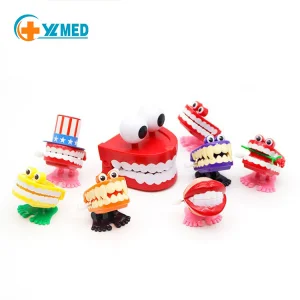
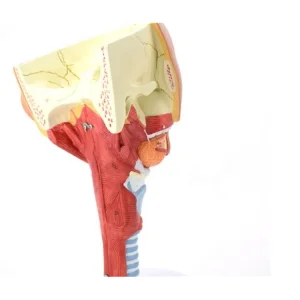
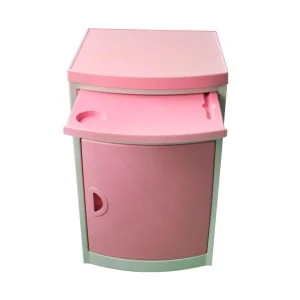
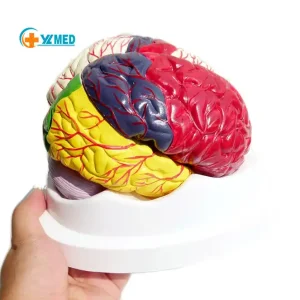
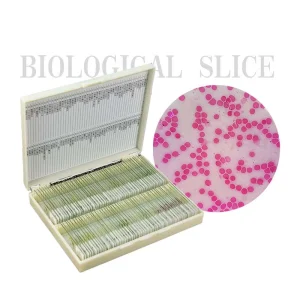
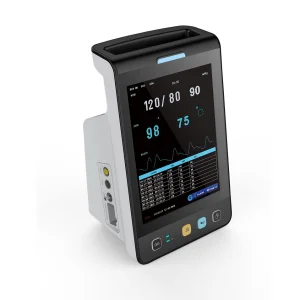
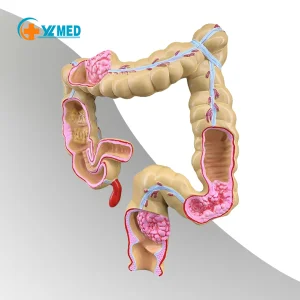
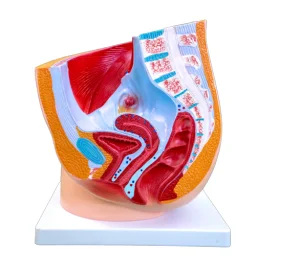
These eight selections illustrate the wider one-stop supply scope available to overseas distributors, schools and hospitals. Each product URL and image below is preserved for direct product evaluation and quotation.
ODM CPR Training Manikin Sourcing: What Buyers Need to Know Before Requesting Quotes
High-intent searches for ODM mannequin medical CPR training manikin manufacturers and quotes combine product specification, private-label capability, compliance documentation and lifecycle cost. The best quotation begins with the training scenario, not a photograph of a torso.
Procurement teams rarely buy a CPR manikin as a standalone object. A distributor may need a private-label adult BLS manikin that fits an existing catalog and supports replacement consumables. A medical school may need full-body training units with real-time compression feedback, ventilation monitoring and course reporting. A hospital may require adult, child, neonatal and AED trainer options for BLS and ACLS programs. An export buyer may also want the manikin consolidated with anatomy models, nursing trainers, hospital furniture or diagnostic equipment in the same container.
That is why a meaningful ODM discussion should clarify the learner group, curriculum standard, feedback requirements, hygiene strategy, packaging language, tender documents and replenishment plan. A low unit price can be misleading if the manikin is expensive to maintain, difficult to clean, incompatible with your preferred consumables or unsupported by spare parts. Conversely, a higher-priced platform can be the more economical choice when it lowers cost per student and supports repeat training programs.
Henan Yulin Edu. Project Co., Ltd. (Yulin Medical) has manufactured educational and medical training equipment in Xinxiang, Henan, China, since 1958, with ISO 9001 certification since 2008. The company has more than 200 professional staff, RMB 120 million registered capital and 10 product lines. That manufacturing base is relevant to CPR manikin projects because ODM supply depends on coordinated tooling, material control, inspection discipline, packaging design and export experience - not only on assembly labor.
Quote Brief Checklist
- Target learners: adult, child, neonatal, BLS, ACLS or community first aid
- Required feedback: depth, rate, recoil, ventilation or AED integration
- Quantities, MOQ, private label, manual language and packaging requirements
- Consumables, spare parts, warranty and after-sales support expectations
- Certification, tender documents, inspections and import labeling
- Shipping plan, mixed-category consolidation and target arrival date
What Is an ODM Medical CPR Training Manikin?
ODM generally means the manufacturer already has a validated product platform that can be customized for your brand, market and teaching program. OEM usually means the buyer drives a more specific design or specification.
Product Platform
An ODM CPR manikin may be a basic torso, a full-body adult simulator, a child or neonatal unit, a feedback-enabled BLS trainer or an ACLS scenario platform. Customization can include color, logo, language, carry bag, consumables pack and packaging.
Factory Role
A capable ODM manufacturer manages mold consistency, material sourcing, electronics assembly, inspection, packaging and export documentation. For distributors, this reduces development risk while still creating a market-specific product presentation.
Commercial Scope
Define whether the quote includes the manikin only, or also face shields, disposable lungs, batteries, AED trainer, feedback display, carry case, manual, spare parts and private-label cartons. Scope differences are the most common reason quotations are not comparable.
Eight Technical Checks Before Accepting a CPR Manikin Quote
These checks protect training quality, reduce instructor frustration and help distributors defend product value in competitive markets.
Airway & Ventilation Realism
Check head tilt, chin lift, jaw thrust, visible chest rise and disposable lung performance. Instructors should be able to demonstrate effective ventilation without unrealistic resistance or gastric inflation confusion.
Compression Feedback
For adult CPR, feedback should help learners maintain guideline-aligned compression depth and rate. For child and neonatal training, confirm that the feedback thresholds match your curriculum and learner group.
Anatomy & Landmarks
The sternum, rib cage, nipple line and hand-placement area should give clear tactile guidance. Full-body manikins may be preferred for hospital simulation, while compact torsos are often better for mobile training programs.
Materials & Durability
Ask about skin material, foam density, compression spring life, cleaning agents and replacement frequency. For high-volume training centers, durability and serviceability often matter more than appearance alone.
Hygiene & Consumables
Disposable face shields and lungs should be easy to source and replace. Calculate cost per student and confirm the cleaning workflow. Fast-drying, easy-to-clean surfaces improve course turnover and reduce downtime.
Electronics & Data
If your courses need reporting, verify whether the device records compression rate, depth, recoil, ventilation, session scores and pass/fail data. Check charging method, battery life and whether instructions are available in your language.
AED & ACLS Integration
Many buyers now request CPR manikins with AED trainer compatibility or advanced life-support scenarios. Confirm pad placement, airway accessories and scenario complexity before treating a basic BLS torso as an ACLS solution.
Documentation & Traceability
Request the ISO 9001 certificate, inspection records, material declarations where applicable, warranty terms, spare-part list and batch traceability. Documentation is part of product quality, especially for tenders and institutional purchases.
Where CPR Training Manikins Are Moving Next
Training providers are buying differently. They want measurable learning outcomes, lower cost per student, faster course turnover and equipment that supports blended or mobile instruction.
Feedback-First Learning
Lights, prompts and scoring displays are moving from premium simulation labs into mainstream adult BLS training. Distributors increasingly need clear differentiation between basic, feedback-enabled and advanced scenario models.
Hybrid & Portable Kits
Full-body realism remains important for hospital simulation, but portable torso kits are growing for community, workplace, school and remote training. Lightweight kits reduce logistics cost and make large public programs easier to run.
Data-Driven Course Quality
Training centers want aggregate pass/fail data, instructor insights and evidence for corporate or government programs. Ask whether the manikin supports simple reporting, printing or export before promising measurable outcomes to your clients.
BLS-to-ACLS Packages
Adult, child, neonatal, AED trainer and airway accessories are increasingly quoted together. This supports multi-level course catalogs and tender packages while simplifying procurement for schools and hospitals.
Longer Lifecycle & Hygiene
Replaceable lungs, face pieces, skins and internal springs reduce downtime. Buyers are calculating total cost per learner, not only the purchase price, and they expect spare parts to remain available after the first order.
Localization for Resale Value
Language, manual, packaging, curriculum alignment and consumable labeling are now part of ODM briefs. A manufacturer that can handle localized packaging and dependable replenishment helps distributors build a stronger local brand.
Global Purchasing Demand: What Different Regions Ask For
CPR training manikin demand is shaped by regulation, school programs, hospital expansion, workplace safety and the maturity of local training providers. A single catalog rarely fits every market.
North America
Buyers often prioritize documentation, durable consumables, instructor-friendly feedback and replacement availability. Distributors serving schools, hospitals and corporate safety programs need clear product tiers and dependable repeat-order support.
Europe
School CPR programs and workplace first aid drive compact, cleanable and low-waste designs. Technical files, material traceability, clear manuals and efficient spare parts are important for professional buyers.
Middle East & GCC
Hospital projects and institutional tenders often require bilingual training support, robust packaging, heat-resistant logistics planning and a supplier that can coordinate multiple product categories in one shipment.
Asia-Pacific
Fast-growing private training markets value price-performance, private-label flexibility and quick replenishment. Distributors may request compact cartons, local-language manuals and mixed containers with anatomy or nursing models.
Latin America
Education and healthcare distributors often favor consolidated sourcing, Spanish packaging, training videos and practical spare-part kits. ODM programs can help local brands differentiate without large tooling investment.
Africa
Public health programs, NGOs and training institutions often need rugged basic simulators, affordable consumables, train-the-trainer support and clear maintenance guidance for high-utilization environments.
Supply Chain Resilience & Efficiency Advantages
Factory 4.0 in medical training equipment is not only automation. It is digital coordination, standardized molds, repeatable quality checks, supplier integration and faster response to customized orders.
For international buyers, China's manufacturing advantage has shifted from simple cost to integrated execution. CPR manikin projects require many small components - torso shells, compression springs, face pieces, lungs, electronics, batteries, carry bags, labels and manuals - and each component must arrive in the right quantity and quality. A manufacturer with a long operating history and a broad product ecosystem can coordinate those inputs more reliably than a trading intermediary with limited process visibility.
Yulin Medical's base in Xinxiang, Henan, integrates scientific research, production, sales and export coordination. The company was founded in 1958, has been ISO 9001 certified since 2008, and operates with more than 200 professional staff and RMB 120 million registered capital. Its 10 product lines allow buyers to combine CPR manikins with anatomy models, skeleton models, nursing models, suture kits, prepared slides, dental teaching products and hospital equipment. That one-stop capability is a practical resilience advantage: fewer suppliers, fewer handoffs and one point of accountability for mixed-category orders.
Modern factory practice also supports ODM programs. Standardized tooling improves consistency across production batches; digital order planning reduces material shortages; incoming and final inspections catch specification drift; and packaging engineering protects products during long-distance transport. For distributors, the result is a more predictable path from sample approval to repeat orders.
 Headquarters & factory, Xinxiang
 Production workshop
 Bulk orders ready for export
Where CPR Training Manikins Create the Most Value
The same manikin platform can require different accessories, language support and packaging depending on the local training environment.
Hospital Emergency Teams
Adult and pediatric BLS/ACLS drills, code-team practice, AED integration and scenario-based simulation for nurses, physicians and emergency staff.
Medical & Nursing Colleges
Skills labs need consistent manikins for repeated student practice, clear anatomical landmarks and reliable consumables that keep practical exams on schedule.
EMS & Ambulance Services
Portable, rugged trainers support field refresher training, crew assessment and pre-hospital emergency skills where setup time and transport weight matter.
Workplace Safety & Industry
Factories, construction sites and energy facilities need practical first-aid training kits that can be moved between locations and maintained by internal safety teams.
Schools & Community Programs
Compact torso manikins and low-cost consumables allow high learner throughput in school CPR initiatives, community events and public awareness campaigns.
Aviation, Rail & Hospitality
Airlines, transport operators and hotels need recurring first-aid competence checks. Feedback-enabled trainers can improve consistency across distributed training sites.
Community Health Centers
Primary care and community clinics use CPR manikins for staff competency, patient education and local first-response preparedness programs.
Home Care & Caregiver Training
Caregiver agencies and elderly-care providers require simple training models that build confidence in emergency response without overwhelming non-clinical learners.
How to Compare ODM CPR Manikin Quotes Without Missing Total Cost
Quotations become useful only when the bill of materials, documentation, logistics and after-sales assumptions are aligned. Use the six lenses below to compare suppliers objectively.
Product Scope & BOM
Confirm exactly what is included: manikin, face shields, lungs, airway bag, battery, charger, carry case, manual, feedback display, AED trainer or accessories. A lower quote may simply exclude essential items.
Consumables & Lifecycle
Calculate cost per student using realistic replacement cycles for lungs, face pieces and skins. Ask for spare-part pricing and minimum order quantities for consumables before committing to a platform.
Compliance & Tender Files
Request ISO 9001 documentation, inspection reports, material declarations where relevant, warranty terms, product labels and manuals. For tenders, confirm that documents can be supplied in the required format and language.
MOQ & Customization
Clarify minimum order quantities for stock colors, custom colors, logo printing, private-label manuals and cartons. Tooling or setup costs should be stated separately, with sample approval milestones.
Packaging & Logistics
Check carton dimensions, gross weight, drop protection, inner packing and shipping terms. For mixed orders, confirm whether CPR manikins can be consolidated with anatomy models, furniture or diagnostic equipment.
After-Sales & Support
Ask who handles technical questions, how replacement parts are shipped, what the warranty covers and whether training videos or manuals are available. Responsive support is part of the product value.
From Brief to Repeat Order: A Practical Five-Step Process
A transparent workflow reduces sample cycles, avoids specification drift and protects launch dates for distributors and training institutions.
Requirements Brief
Share learner groups, curriculum, target price, quantities, language, certification needs and packaging requirements.
ODM Configuration
Match the right manikin platform, feedback options, consumables and accessories to your market and budget.
Sample Validation
Instructors test airway, compression feedback, cleaning workflow and durability before bulk production is approved.
Production & QC
Batch production, inspection, labeling, private-label packaging and export preparation follow agreed specifications.
Export & Repeat Supply
Shipment coordination, consumables planning and spare-part support keep your training programs running after launch.
Quality, Compliance & Documentation Buyers Should Request
Reliable suppliers make it easy to verify their claims. For medical training products, documentation should be treated as part of the purchase, not an afterthought.
Company Verification
Verify the legal entity, factory address, founding year and quality system. Yulin Medical is Henan Yulin Edu. Project Co., Ltd., founded in 1958, with ISO 9001 certification since 2008 and operations at No. 8, Daoqing Road, Industry Park, Hongqi District, Xinxiang, Henan, China.
Manufacturing Traceability
Ask how raw materials, electronic components, assembly and final inspection are recorded. Batch traceability helps identify issues quickly and supports professional after-sales service.
Documentation Package
Request product specifications, packing list, inspection report, certificate copies, warranty terms, spare-part list and user manual. For tender markets, confirm the exact document format required before production.
Service & Repeat Supply
CPR manikins are long-term training assets. Dependable spare parts, consumables and responsive communication are essential for distributors who must support instructors after the sale.
Complete Sourcing Ecosystem Beyond CPR Manikins
Yulin Medical's broader product portfolio helps distributors consolidate mixed-category orders while maintaining one point of contact for export coordination.
Anatomy Models
Torso, organ, heart, brain and muscle models with numbered structures for lectures and patient education.
02Biology Prepared Slides
Histology, botany and zoology prepared slides plus storage and microscope accessories for biology labs.
03Dental Tools & Equipment
Dental teaching models, clinic lights, LED whitening units and endodontic instruments for training and practice.
04General Teaching Models
Science demonstration models for primary schools, secondary schools and education equipment tenders.
05Hospital Furniture
Stainless steel examination couches, stretchers, walkers and shower chairs built for daily clinical use.
06Hospital Machine & Tools
Diagnosis and treatment devices and practical tools for wards, clinics and emergency departments.
07Medical Apparatus
Emergency splints, extrication devices, cervical traction and rehabilitation instruments.
08Medical Nursing Models
Adult, child and neonatal CPR manikins, ACLS simulators and AED trainers for skills assessment.
09Skeleton Models
Life-size and desktop skeletons, skulls, spines and joint models for osteology teaching.
10Suture Pads & Kits
Realistic skin suture pads and complete instrument kits for surgical and wound-closure practice.
Company News & Training Product Knowledge
Useful guidance from the team that develops, manufactures and exports medical teaching and training products.

Do You Really Know How to Observe Biological Prepared Slides?
Many plant and animal cell structures can only be studied under a microscope. Correct handling, focusing and storage help students see clearer detail and extend the life of prepared slide sets.

The 5th Henan Provincial Educational Equipment Expo Concludes Successfully
Themed "Digital Leading Innovation and Development", the expo reached a record 50,000 square meters with 600+ brands and 10,000+ products on display, showcasing the latest educational equipment.

Inside Our Product Showroom
A look at the medical teaching models and training equipment buyers can inspect in person when visiting the Xinxiang facility, including anatomy, nursing and CPR training products.
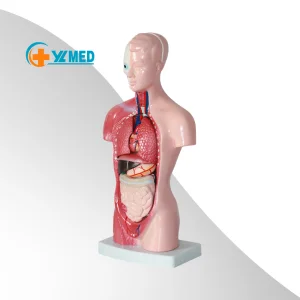
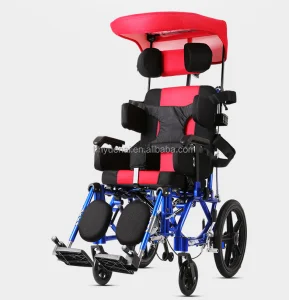
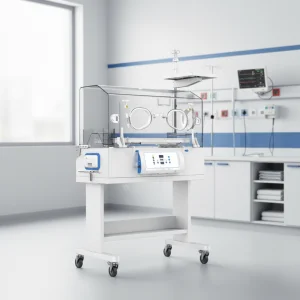
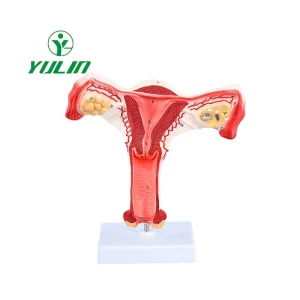
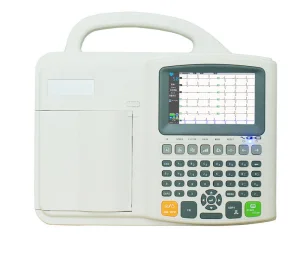
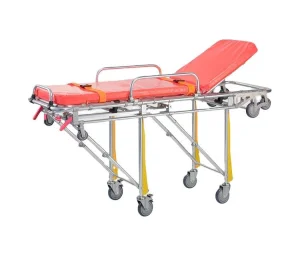
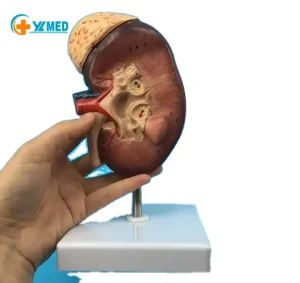
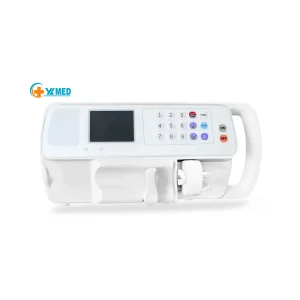
Medical Training, Diagnostic & Rehabilitation Selections
These additional eight products demonstrate the mixed-category sourcing model available to importers, distributors, hospitals and education projects.
Frequently Asked Questions About CPR Manikin Manufacturers & Quotes
Direct answers for procurement managers comparing ODM manikin suppliers, customization options and commercial terms.
Is Yulin Medical a manufacturer or a trading company?
Yulin Medical is a manufacturer. Henan Yulin Edu. Project Co., Ltd. was founded in 1958 and operates its own factory in Xinxiang, Henan, China, with more than 200 professional staff. For one-stop orders, the company also coordinates a stable network of long-term partner factories.
What quality certification does Yulin Medical hold?
The quality management system has been ISO 9001 certified since 2008. Product-specific documentation can be provided on request to support tenders and import registration in your country.
Do you support OEM, private label and custom packaging?
Yes. The in-house design team develops private-label packaging and product presentation for distributors, helping increase shelf appeal and resale value. Custom colors, logo placement, manual language and packaging artwork should be confirmed during the sample or pre-production stage.
How do I choose the right CPR training manikin?
Start with the learner group: adult, child or neonatal. Then decide whether the course requires compression depth, rate and ventilation feedback; confirm alignment with your local resuscitation guidelines; and decide whether AED trainer or ACLS scenario integration is needed. For advanced life-support programs, an ACLS simulator with embedded scenarios offers more assessment value than a basic torso.
How quickly will I receive a reply?
The export team is online 7 days a week and typically replies within 24 hours with catalogs, specifications and shipping options. For urgent tender deadlines, include the required documents, quantities and delivery date in your first message.
What is the difference between OEM and ODM for CPR manikins?
ODM usually starts from an existing manufacturer platform that can be customized with branding, packaging, accessories and language. OEM generally requires a more specific buyer-driven design or technical specification. For most distributors, ODM reduces development time and tooling risk while still creating a differentiated local product.
What should a first CPR manikin order include?
Include the manikin platform, disposable lungs and face pieces, carry bag if required, user manual, spare-part list and any feedback or AED accessories. For training centers, order sufficient consumables for the first course cycle and confirm replenishment lead times before launch.
Can manuals and packaging be supplied in my language?
Localization requirements should be discussed during quotation. Language, label content, packaging design and training support materials can be reviewed as part of the ODM brief. Buyer-side translation review is recommended to ensure curriculum and safety wording accuracy.
How are manikins protected during export shipping?
Protective cartons, inner packing and accessory separation are specified according to product structure and shipping method. Buyers should confirm carton dimensions, gross weight, drop-protection expectations and whether mixed-category consolidation is required.
What information speeds up a CPR manikin quotation?
Provide target quantities, learner groups, feedback requirements, AED compatibility, language, packaging, certification documents, destination port and required delivery date. With those details, the supplier can propose a more accurate manikin configuration, consumables plan and shipping estimate.
Request an ODM CPR Manikin Quote or Private-Label Proposal
Send your learner groups, target quantities, feedback requirements, language, packaging and certification needs. The team can recommend suitable manikin platforms, share specifications and propose a practical shipping plan for your market.
Henan Yulin Edu. Project Co., Ltd. - Medical and educational equipment manufacturer since 1958, ISO 9001 certified since 2008.