Product Showcase: ODM Mannequin CPR & Medical Training Range
Eight factory-direct products for buyers comparing ODM mannequin CPR manufacturers, hospital furniture factories, anatomy model suppliers and complete medical education sourcing partners.
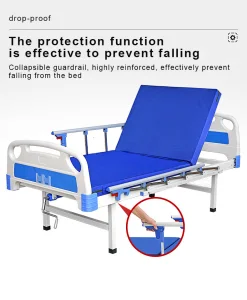
ODM Hospital outpatient bed nursing bed Hospital furniture sales of ordinary beds Manufacturer, Factory
View Product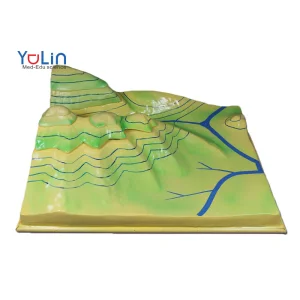
ODM 3D Contour Model Contour Lines on a Topographic Map Model Geographical Instrument Geography Equipment Teaching Home Office Manufacturer, Quotes
View Product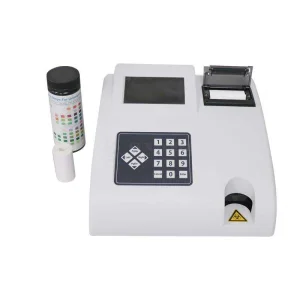
Wholesale Clinical Whole LCD Display Blood Serium Urine Laboratory Clinic Urine Analysis Medical Equipment Chemistry Analyzer Factories, Quotes
View Product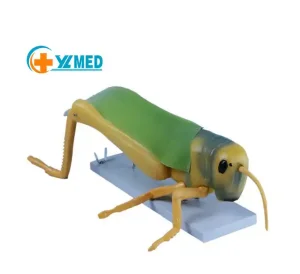
China Medical Science Enlarged Locust Structure Animal Model free 3d animal model life size animal model Factories, Service
View Product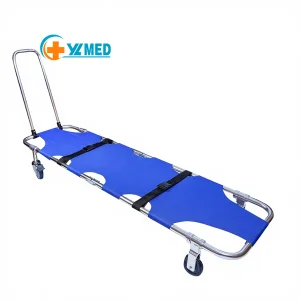
OEM Medical Aluminum 4-Wheel Foldable Stretcher Trolley Drawbar Emergency Portable Bearing 350 lb Capacity for Hospitals Sports Manufacturers, Factory
View Product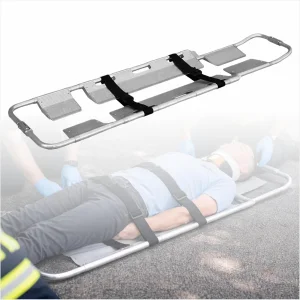
China Aluminum Alloy Scoop Stretcher - Emergency Split Rescue Device with Safety Straps - Lightweight Portable Patient Transfer & Transport Stretcher Pricelist, Service
View Product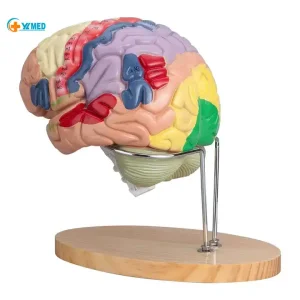
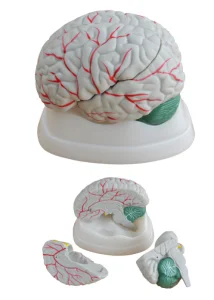
OEM Human Brain Model Anatomy Display Stand Life Size Color Human Brain Anatomical Model for Teaching Science Classroom Study Manufacturers, Quotes
View Product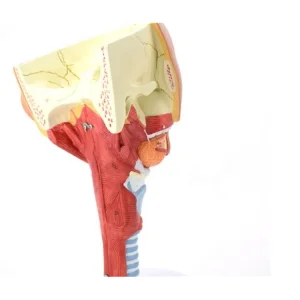
Wholesale Medical science Human anatomy teaching resources Plastic Human Head with Pharynx Muscles Anatomical Model Factory, Service
View ProductMedical Teaching Models, CPR Manikins & Hospital Equipment Manufacturer Since 1958
Henan Yulin Edu. Project Co., Ltd. (Yulin Medical) has built educational and medical training equipment in Xinxiang, China, for more than six decades. Our quality management system has been ISO 9001 certified since 2008, and our motto is simple: quality first, service first. Every order is produced and inspected so that distributors, medical universities, nursing colleges and hospitals receive consistent, well-documented products on every batch.
- Factory-direct supply across 10 product lines, from anatomy models to hospital furniture.
- Private-label packaging and product design that raises your resale value.
- Mixed-category orders consolidated into one shipment with one point of contact.
Founded in 1958, Yulin Medical has grown into a well-known educational and medical equipment supplier that integrates scientific research, production and sales. With registered capital of RMB 120 million and more than 200 professional employees, we manage product development, manufacturing, inspection and export from our base at No. 8 Daoqing Road, Hongqi District, Xinxiang.
Our goal is to fully satisfy every customer through dependable quality and attentive service, while continuously developing the skills of our team so that each project is handled by experienced people. For overseas buyers, this means one accountable manufacturer for anatomy models, nursing simulators, lab slides and hospital equipment — consolidated into a single shipment and backed by an ISO 9001 quality system.
What Does ODM Mannequin CPR Sourcing Really Mean for Global Buyers?
The query is not a simple product search. It combines factory verification, product engineering, training outcome measurement and long-term distributor profitability.
The phrase “ODM Mannequin CPR Manufacturers & Factories” carries high commercial intent. A distributor may need a private-label CPR training range. A medical university may need adult, child and neonatal manikins aligned with current resuscitation training expectations. A hospital group may need AED trainers, nursing simulators, anatomy models and emergency stretchers in the same tender package. Each buyer is not merely asking for a price; they are evaluating whether a Chinese factory can become a reliable long-term product partner.
ODM means the factory contributes product design, engineering and category knowledge, then customizes branding, packaging, manuals, accessories and spare parts around the buyer’s market. OEM usually follows a buyer’s existing specification more closely. In real procurement, the boundary is often blended. The practical question is: which supplier can reduce total cost of ownership while protecting training quality?
Information gain matters because search results often repeat the same category descriptions. A serious ODM evaluation should look beyond the product photo. For CPR manikins, buyers should examine compression depth and rate feedback, ventilation volume, airway realism, chest recoil, skin durability, face and lung replacement cost, AED trainer integration and whether the model supports objective skills assessment. For anatomy and nursing models, buyers should compare anatomical accuracy, numbered structures, painting durability, stand stability and whether the model can be adapted for local language labels.
| Procurement decision | OEM route | ODM route | Information gain for the buyer |
|---|---|---|---|
| Product design | Buyer provides detailed drawings or samples. | Factory proposes existing platforms and customization options. | Faster sampling when the buyer needs a commercially proven training model. |
| Branding | Usually limited to logo and packaging changes. | Private-label packaging, manuals, labels and accessory kits can be developed. | Stronger resale value for distributors and better local market fit. |
| Quality control | Depends heavily on buyer’s inspection plan. | Factory process control, batch inspection and documented materials support repeat orders. | Lower variation between the first order and repeat shipments. |
| Total cost | Low unit price may hide spare-part and training downtime costs. | Replaceable consumables and mixed-category consolidation reduce long-term cost. | Better budget predictability for schools, hospitals and distributors. |
Why total cost of ownership matters more than the first quotation
A CPR manikin is a training asset. If the face skin tears quickly, if replacement lungs are difficult to source, or if feedback accuracy drifts after heavy classroom use, the lowest purchase price becomes the most expensive choice. Professional buyers compare cost per learner session, not just cost per unit. They ask how many compressions a chest plate can absorb, how quickly faces can be changed between learners, whether sanitization is practical, and how spare parts are packed for future replenishment.
This is where a manufacturing base with 10 product lines becomes valuable. A distributor can consolidate CPR manikins, anatomy models, skeleton models, suture pads, dental teaching tools and hospital equipment in one order. One quality system, one export packing standard and one communication channel reduce administrative load and shipping complexity.
Factory verification signals for international procurement
Legitimate factories should be comfortable providing company history, factory address, staff scale, quality certification, product-specific documentation, sample lead time, production planning and export packing details. Yulin Medical was founded in 1958, has ISO 9001 certification since 2008, operates with more than 200 professional staff and manages export from Xinxiang, Henan. Buyers should ask for evidence that matches the claimed category: model specifications, material descriptions, inspection records, packaging photos and references to the exact products being quoted.
For semantic search visibility, content should answer the real questions behind the keyword. That is why this guide covers manufacturing advantages, industry trends, localized scenarios, macro solutions, global procurement requirements and FAQ content. It is written for procurement managers, distributors and clinical educators who need enough detail to make an informed sourcing decision.
Complete Sourcing for Medical Education & Clinical Use
Ten specialised product lines let procurement teams source simulation, lab and hospital equipment from one accountable manufacturer instead of managing multiple suppliers.
Anatomy Models
Torso, organ, heart, brain and muscle models with numbered structures for lectures and patient education.
View range → 02Biology Prepared Slides and Accessories
Histology, botany and zoology prepared slides plus storage and microscope accessories for biology labs.
View range → 03Dental Tools and Equipment
Dental teaching models, clinic lights, LED whitening units and endodontic instruments for training and practice.
View range → 04General Teaching Models
Science demonstration models for primary schools, secondary schools and education equipment tenders.
View range → 05Hospital Furniture and Equipments
Stainless steel examination couches, stretchers, walkers and shower chairs built for daily clinical use.
View range → 06Hospital Machine and Tools
Diagnosis and treatment devices and practical tools for wards, clinics and emergency departments.
View range → 07Medical Apparatus and Instruments
Emergency splints, extrication devices, cervical traction and rehabilitation instruments.
View range → 08Medical Nursing Model
Adult, child and neonatal CPR manikins, ACLS simulators and AED trainers for skills assessment.
View range → 09Skeleton Models
Life-size and desktop skeletons, skulls, spines and joint models for osteology teaching.
View range → 10Suture Pads and Kits
Realistic skin suture pads and complete instrument kits for surgical and wound-closure practice.
View range →China Factory Advantages for CPR Manikin and Medical Model Buyers
Why overseas distributors and institutions move long-term orders to an established Chinese manufacturing base rather than a fragmented trading network.
One-Stop 10 Product Lines
Anatomy models, CPR and nursing simulators, skeleton models, suture pads, dental teaching tools, biology slides and hospital furniture can be consolidated, reducing supplier management cost.
ISO 9001 Process Control
ISO 9001 certification since 2008 supports documented production and inspection. Product-specific documentation can be provided on request for tenders and import registration.
In-House Design & Packaging
Private-label packaging and product presentation help distributors increase shelf appeal, strengthen local brand recognition and raise resale value.
60+ Years of Supply Stability
A factory with over 60 years of history and a deeply integrated partner supply chain helps meet one-stop demands and keeps lead times predictable on repeat orders.
Export Packing & Mixed Orders
Protective export packing, carton labeling and consolidated shipments help importers reduce damage risk and manage multiple SKUs from one purchase order.
24/7 Responsive Service
Our team is online 24 hours a day, 7 days a week. Whatever your time zone, you receive a detailed answer as quickly as possible — typically within 24 hours.



Industry Trends Reshaping CPR Manikin and Medical Training Equipment Sourcing
Global buyers are moving from basic torso purchase decisions to outcome-based simulation programs that demand better feedback, hygiene, modularity and documentation.
Feedback-First Training
Instructors increasingly expect real-time feedback on compression depth, rate, recoil and ventilation. Manikins that make performance visible help programs standardize assessment and improve learner confidence.
Modular Consumables
Replaceable faces, lungs and chest plates reduce downtime. Distributors prefer platforms with clear spare-part lists because consumables create recurring revenue and improve customer retention.
Hygiene and Infection Control
High-volume CPR classes require manikins that are easy to clean and quick to refit between learners. Smooth surfaces, removable airway components and practical disinfection workflows are now procurement criteria.
Localized Private Label
Distributors want packaging, manuals and product labels in local languages. ODM factories with design support can adapt presentation without changing the underlying training platform.
Documentation-Ready Procurement
Tenders and import registration require specifications, material declarations, packing details and quality system evidence. Suppliers that organize documentation early reduce bid risk and customs delays.
Digital and AI-Assisted Assessment
Although not every course needs advanced technology, digital scoring and AI-assisted skills assessment are raising expectations for manikin compatibility. Buyers should ask whether the platform can integrate with future training data workflows.
Localized Applications: Where ODM CPR Manikins and Medical Models Are Used
Different markets train differently. A product that fits a university simulation lab may not fit a community first-aid program or an emergency service fleet.
Medical Schools and Nursing Colleges
Adult, child and neonatal CPR manikins, anatomy models, skeleton models and suture pads support skills labs, OSCE preparation and classroom demonstrations. Local language labeling and durable consumables are especially important.
Hospital Resuscitation Programs
Hospitals use CPR and AED trainers for mandatory staff updates. Buyers value consistent feedback, easy sanitation and documentation that satisfies internal quality teams.
EMS and Prehospital Training
Ambulance services often combine CPR training with stretchers, scoop stretchers and extrication devices. Consolidated purchasing from one medical equipment manufacturer simplifies logistics and spare-part planning.
Workplace and Community First Aid
Corporate safety teams, schools and public health organizations need low-maintenance manikins that can be transported, cleaned and stored efficiently between training sessions.
Dental and Anatomy Teaching Labs
Dental root canal models, disposable dental mirrors, human brain models, heart models and head with pharynx models support preclinical education and patient communication.
Distributor and Private-Label Channels
Local distributors need reliable OEM and ODM support, packaging that matches local market positioning, stable repeat-order quality and mixed-category supply to serve multiple customer segments.
Macro Industry Solutions for Hospitals, Schools and Distributors
Instead of isolated product purchases, many buyers now request complete solution packages that combine training models, furniture and documentation.
Simulation Center Launch Kit
Combine CPR manikins, anatomy models, skeleton models, suture pads and hospital furniture into one plan for new nursing or clinical skills labs. One shipment reduces setup friction.
Distributor Private-Label Program
Build a branded product range with custom packaging, manuals and model selection. The factory supplies category knowledge while the distributor builds local market ownership.
Hospital Emergency Readiness Package
Bundle CPR and AED trainers, stretchers, splints and examination furniture for staff readiness programs, helping procurement teams standardize suppliers and service contacts.
Education Tender Package
Organize specifications, product images, packing data and documentation for schools, universities and government education projects. Mixed-category consolidation strengthens one-stop bids.
Global Enterprise Procurement Requirements Before You Issue an RFQ
Professional buyers use a structured RFQ to compare ODM mannequin CPR manufacturers, medical model factories and hospital equipment suppliers on equal terms.
Compliance Documentation
Ask for ISO 9001 evidence, product specifications, material descriptions and any product-specific documents needed for tenders, import registration or internal quality approval.
Sample Evaluation
Test compression feedback, airway resistance, skin durability, cleaning workflow and replacement-part fit before confirming bulk production. Sample feedback prevents expensive repeat-order surprises.
MOQ and Mixed SKUs
Confirm minimum order quantities by model and color. For distributors, mixed-category orders can reduce total shipping cost while allowing a broader catalog launch.
Custom Packaging and Manuals
Private-label packaging, barcode labels, instruction manuals and local-language inserts should be specified early. This is especially important for distributors selling through education channels.
Lead Time and Shipping
Production schedules should be confirmed in writing with packing dimensions, carton weights and shipping terms. Consolidated shipments require accurate SKU planning from the start.
Consumables and Spare Parts
Plan replacement faces, lungs, chest plates and small components based on class volume. A spare-parts list protects your customers and supports recurring distributor revenue.
After-Sales and Training Support
Ask how product usage questions are handled, whether installation or assembly guidance is available, and how defect claims are documented and resolved.
Repeat-Order Consistency
Long-term programs need stable materials, colors, packaging and specifications. A manufacturer with a documented quality system and product history is better equipped to maintain consistency.
Quality, Compliance and a Transparent 5-Step Process
From first conversation to delivery, every stage has a named contact and clear documentation, so you can plan stock, tenders and training schedules with confidence.
Share Requirements
Send product types, quantities, target market and any tender or certification needs.
Catalog & Proposal
Receive matched models, specifications, packaging options and shipping suggestions.
Sample Evaluation
Test samples with your instructors or clinicians before confirming bulk production.
Production & QC
Manufacturing and inspection follow our ISO 9001 quality management system.
Export & Support
Protective export packing, delivery coordination and responsive after-sales service.
News & Practical Insights from Our Specialists
Exhibition updates and hands-on guidance written by the team that designs and builds our products.

Do You Really Know How to Observe Biological Prepared Slides?
Many plant and animal cell structures can only be studied under a microscope, which makes prepared biological slides essential in every biology lab. Our specialists explain how to handle, focus and store slides correctly so students see clearer detail and your slide sets last for years.

The 5th Henan Provincial Educational Equipment Expo Concludes Successfully
Themed “Digital Leading Innovation and Development”, the expo reached a record 50,000 m² with 600+ brands and 10,000+ products on display, showcasing the latest educational equipment.

Inside Our Product Showroom
A look at the medical teaching models and training equipment buyers can inspect in person when visiting our Xinxiang facility.
Frequently Asked Questions from Importers
Straight answers to the questions procurement managers ask most before placing a first order.
Is Yulin Medical a manufacturer or a trading company?
What quality certification do you hold?
Do you support OEM, private label and custom packaging?
How do I choose the right CPR training manikin?
How quickly will I receive a reply?
Can you support mixed-category orders for distributors?
How are manikins protected during international shipping?
Can you provide tender documentation and product specifications?
What is the typical sample and production lead time?
How do you maintain repeat-order consistency?
Need Specifications, a Price List or a Tender Package? We Reply Within 24 Hours.
Tell us your target market, quantities and certification requirements. Our product specialists will recommend suitable models, share detailed specifications and propose the most economical shipping plan for your order.
More Given Products for Consolidated Factory-Direct Sourcing
Bottom product showcase: laboratory, dental, imaging, anatomy and clinical training products for distributors and institutional buyers.
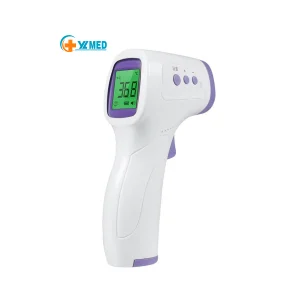
China Medical grade electronic temperature gun factory straight hair handheld electronic temperature measurement Factories, Service
View Product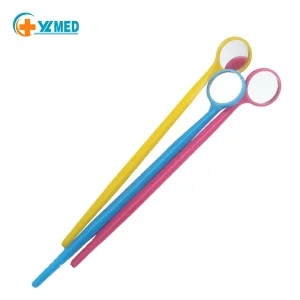
ODM 100 pieces of disposable dental mirror Oral care lens Dental mirror with adjustable knife individually packaged Pricelist, Service
View Product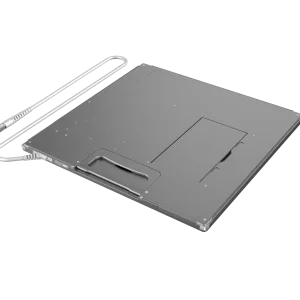
China General Radiography Digital Wired Flat Panel Detector X-ray Imaging Equipment Flat Panel Detector Factory, Factories
View Product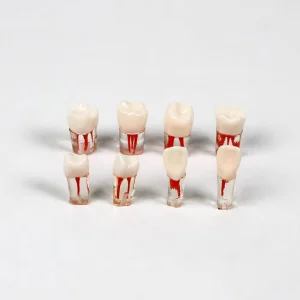
OEM Advanced Dental Root Canal Model for Effective Endodontic Training and Resin Teeth Replacement RCT Practice Replace Resin Teeth Factory, Factories
View Product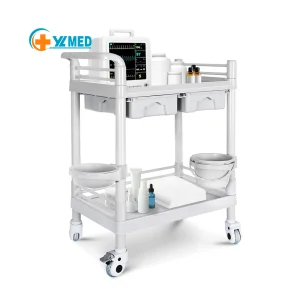
China [Copy] Hospital Dental Clinic Medical 2 floor 2 drawer trolley, rotating wheels, heavy medical practical trolley Pricelist, Quotes
View Product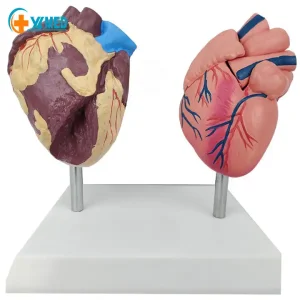
ODM Human Anatomy Heart Model 2parts PVC teaching models Heart health and sick compare heart model Factory, Pricelist
View Product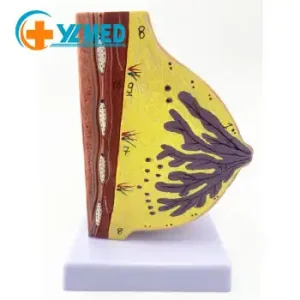
China Medical training model Female breast care anatomical half milk anatomical model lactation and rest half milk model Pricelist, Quotes
View Product