
ODM Human Model Manufacturers & Pricelist
A procurement-grade guide to anatomical, nursing, dental and clinical human models — factory-direct from Henan Yulin Edu. Project Co., Ltd., with customizable packaging, documentation support and global export coordination.
Factory-Direct ODM Human Model Selection
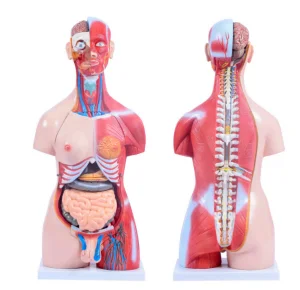
These eight references illustrate the practical range of a medical education catalogue: muscular torsos, dental measuring instruments, botanical and anatomical teaching models, nutrition demonstration replicas, portable dental imaging, nursing practice models, magnified skin models and more. Every product link below preserves the original product URL and leads to the model detail page for specifications, samples and current pricelist requests.
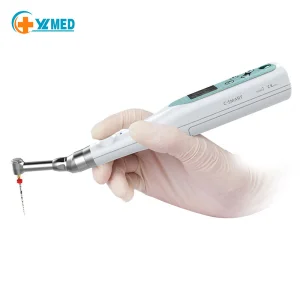
Wholesale Root canal length measuring instrument dental root measuring machine root canal expanding machine expands while measuring Factory, Service
View model & request price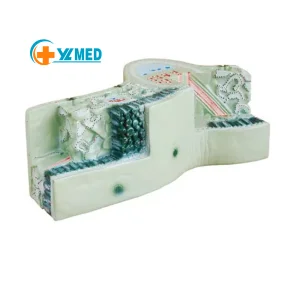
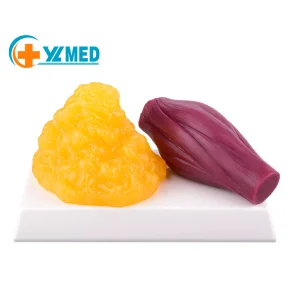
China Fat Replica 1 lb & Muscle Replica 1lb with Display Base, Great Motivator and Reminder for Fitness, Demonstration Model for Nutritionist, Anatomical Model Manufacturers, Pricelist
View model & request price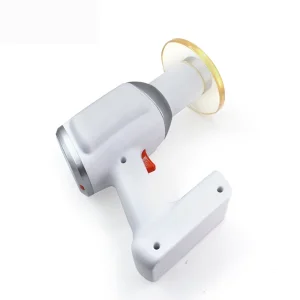
OEM New Packaging Medical Equipment Xray Dental Dental Imaging Portable X-ray Dental Xray Camera Machine Manufacturer, Quotes
View model & request price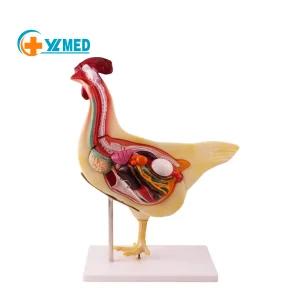
Wholesale Chicken Animal Custom Animal Anatomy Model Hen Biological Equipment for Medical School Experimental Tools and Teaching Resources Factory, Factories
View model & request price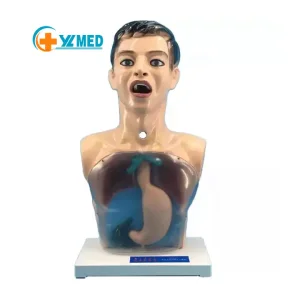
ODM New nursing basic practice operation model nurse training human body model transparent gastric lavage model Manufacturer, Manufacturers
View model & request price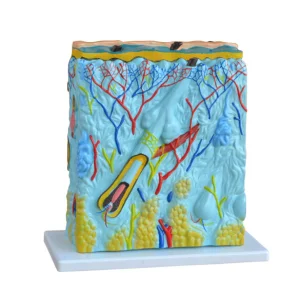
Need a mixed container for a tender or distributor launch? Request the current catalog and ask for a pricelist matrix covering model families, customization options, packaging and shipping terms.
What “ODM Human Model” Means in Medical Education Procurement
An ODM human model is not a single product. In medical education and clinical training, the term covers a family of physical representations of human anatomy and procedure-based skills: a 30-part muscular torso, a nine-month pregnancy pelvic section, a magnified skin model, a life-size brain or giant eye model, dental root canal models, catheterization trainers, nursing practice manikins and related clinical teaching equipment. For distributors and institutions, ODM means the manufacturer can adapt the model to the local teaching level, language, packaging and tender documentation while keeping the anatomy accurate and repeatable across production batches.
The commercial challenge is rarely “finding a supplier.” It is finding a manufacturer whose pricelist can survive contact with a real procurement process. Quotes must be comparable. MOQs must match stock plans. Samples must represent mass production. Product labels must fit the local curriculum. Documentation must arrive before a tender deadline. This is the information gain that separates a useful sourcing page from a simple product list.
Henan Yulin Edu. Project Co., Ltd. has manufactured educational and medical training equipment in Xinxiang, Henan, China, since 1958. Its quality management system has been ISO 9001 certified since 2008, and the company supports distributors, medical universities, nursing colleges and hospitals with a portfolio that extends from anatomy models to dental equipment, nursing simulators and hospital furniture. For buyers, that history matters because supply stability, documentation discipline and repeat-order consistency are often more valuable than a one-time low quotation.
What a serious ODM pricelist should clarify
A pricelist is a decision tool, not a price sheet. Before comparing factories, ask whether the quotation explains these variables clearly.
- The exact SKU, size, part count and material — not only a category name.
- Customization cost for language labels, logo, packaging and printed manuals.
- Sample policy, MOQ, production lead time and Incoterm.
- Documentation package for tender review, import registration and after-sales support.
Global Market Context: Why Human Models Are Becoming a Strategic Category
Demand for anatomical and clinical training models is being reshaped by curriculum reform, accreditation, workforce pressure and distributor consolidation. The result is a more professional buyer: one who compares total cost of ownership, not only unit price.
Simulation-based curriculum expansion
Medical, nursing and allied health programmes are adding simulation hours and competency checks. This increases repeat purchases of anatomy models, procedure trainers, CPR manikins and assessment accessories, especially where a distributor can supply a coherent curriculum-aligned range.
Accreditation and objective assessment
Institutions need consistent models for OSCE stations, practical exams and classroom demonstrations. A manufacturer that controls paint, numbering, removable organs and material finish helps reduce variability between teaching cohorts and campuses.
Workforce shortages and local training
Healthcare systems are expanding local training capacity to address staffing gaps. Buyers in emerging markets often need a rational starter catalogue — core anatomy, nursing basics, dental models and affordable hospital equipment — rather than excessive SKU depth.
Procurement consolidation
Distributors want one accountable manufacturer for anatomy models, nursing trainers, dental tools and hospital equipment. Mixed-category orders can reduce supplier management cost, but only if the factory has the quality system and export experience to consolidate without losing traceability.
In mature markets, buyers are shifting from isolated manikins to modular systems that support CPR and AED programmes, catheterization practice, patient education and dental training. In price-sensitive markets, the winning catalogue is not the longest one; it is the one with clear entry, mid-range and assessment-grade options. Price is only one part of total cost of ownership: replacement parts, paint durability, packaging damage, lead time, documentation quality and after-sales responsiveness often decide the true margin for a distributor.
From Single Models to Programme-Level Supply
ODM human models create the most value when they are mapped to a teaching programme, a tender package or a distributor’s catalogue strategy. The following solution routes show how different buyers typically combine anatomy, nursing, dental and hospital products.
Medical school anatomy labs
Torso models, brain and eye models, skin sections, pregnancy pelvic sections, muscular and fat replicas can be bundled for anatomy, physiology and clinical correlation teaching. A clear part count and removable-organ specification is essential for tender comparison.
Explore anatomy modelsNursing and clinical skills centres
Transparent gastric lavage models, female catheterization trainers and basic nursing practice models support repeatable demonstration and assessment. Buyers should request replacement-part availability and a sample-to-production quality checklist.
Explore nursing modelsDental education and clinics
Root canal measuring instruments, colourful open-pulp root canal models, LED cold-light whitening units and portable dental X-ray equipment belong to a technical category where voltage, plug standards, manuals and training support must be localized.
Explore dental equipmentHospital, distributor and public health
Dialysis chairs, infusion chairs, examination furniture and training models can be consolidated for hospital tenders, donation programmes and distributor catalogues. Mixed-category orders need careful packing plans, HS classification and documentation coordination.
Explore hospital furnitureLocalization Is More Than Translation
The same anatomical model can be sold into very different teaching systems. Localized support therefore begins before production: language, labeling, packaging, documentation, power configuration and after-sales planning should all be settled in the quotation.
Language and labeling
Anatomical numbering, structure names, instruction sheets and packaging labels should use the terminology expected by local educators. For distributors, private-label branding can be combined with a localized manual without changing the model itself.
Voltage, plug and packaging
Dental and clinical equipment may require destination-specific voltage, plug type and manual language. Packaging should be designed for the actual shipping route — sea freight, air freight or multi-leg distribution — with protective cartons and clear carton marks.
Documentation for tenders
A practical documentation package can include proforma invoice, packing list, commercial invoice, transport document, ISO 9001 certificate, product photos, specifications, instruction manuals and inspection records. Additional destination-specific documents should be confirmed with the importer and regulatory adviser.
Spare parts and after-sales
Schools and clinics need repairable products. Ask for spare-part lists, recommended storage conditions, cleaning guidance and warranty terms. For distributors, a clear after-sales process protects reputation and reduces the cost of replacement shipments.
Compliance does not mean that one certificate covers every market. It means the supplier can provide a traceable documentation package and answer technical questions clearly. Yulin Medical’s quality management system has been ISO 9001 certified since 2008; product-specific documents, material information and inspection records can be prepared on request for tender and import review. Always confirm destination-specific requirements with your own regulatory or customs adviser before placing a bulk order.
Where ODM Human Models Create Repeat Demand
A model that matches a local teaching workflow is easier to justify, easier to train on and easier to reorder. These five scenarios are especially relevant for distributors building a long-term medical education catalogue.
Anatomy and physiology teaching
Muscular torsos, pregnancy pelvic sections, brain and eye models help instructors demonstrate spatial relationships. Localized numbering and removable organs improve classroom interaction and examination use.
Nursing and OSCE stations
Gastric lavage, catheterization and basic nursing practice models support standardized demonstration. Institutions value consistent appearance, clear anatomical landmarks and durable materials across repeated student cohorts.
CPR, AED and emergency care
Emergency training programmes need torso or full-body manikins with repeatable feedback and replacement consumables. Bundling CPR training with nursing and anatomy models can improve a distributor’s tender competitiveness.
Dental and aesthetic training
Root canal models, measuring instruments and whitening equipment are purchased by dental schools, clinics and beauty-salon training providers. Local regulation and technical support should be checked before marketing these items.
Nutrition & patient education
Fat and muscle replicas, magnified skin models and organ models help nutritionists, fitness professionals and clinicians explain health concepts visually. These products are strong add-on items for distributors serving wellness and patient-education markets.
The Next Stage of ODM Human Model Development
The future of human models is not only better anatomy. It is better integration: models that connect to teaching content, assessment rubrics, replacement-part systems and localized training programmes.
Material durability and cleanability
PVC, resin and silicone options will continue to improve in surface finish, stain resistance and repairability. For schools with heavy teaching schedules, cleanability and replacement-part availability matter as much as anatomical detail.
Sensor-enabled feedback
CPR and clinical skills manikins increasingly include real-time feedback on compression depth, rate and ventilation. ODM programmes will need to document sensor calibration, battery or power requirements and local-language display options.
Modular localization
Rather than redesigning a full model for every market, manufacturers can localize labels, manuals, removable organs and packaging as modules. This reduces lead time and helps distributors test a market before committing to a deep SKU range.
Digital content and traceability
QR-linked instructions, digital assessment cards and batch traceability can add value without changing the physical model. The differentiator will be the ability to repeat these upgrades consistently across production batches and export orders.
For procurement teams, the practical implication is straightforward: ask for a roadmap, not only a catalogue. A manufacturer that can explain material choices, replacement parts, documentation and future customization is more likely to support a distributor through multiple tender cycles and product refreshes.
How to Read an ODM Human Model Pricelist
A factory pricelist is useful only when the quotation is comparable. Use this matrix to ask better questions and avoid hidden cost gaps between suppliers.
| Pricelist element | What to ask for | Why it matters |
|---|---|---|
| Model family and part count | Exact SKU, size, number of removable organs, display base and accessories. | Prevents “same category, different specification” quotations that undercut quality. |
| Material and finish | PVC, resin or silicone; paint system; numbered structures; cleanability guidance. | Affects classroom realism, service life, cleaning routines and replacement frequency. |
| Customization | Logo, language labels, manual, packaging design, color matching. | Protects distributor branding and aligns the product with local terminology. |
| Compliance and documents | ISO 9001 certificate, specifications, inspection record, material declarations where applicable. | Supports tender review, import registration and buyer due diligence. |
| Logistics | Carton size, gross weight, MOQ, Incoterm, production lead time, consolidation options. | Reveals landed cost, storage requirements and stock-planning risk. |
| After-sales | Warranty terms, spare parts, repair guidance and response process. | Reduces total cost of ownership and protects the distributor’s local reputation. |
RFQ checklist: learner level
State whether the buyer is a medical school, nursing college, dental institute, hospital or public health programme. Learning level determines model complexity, part count and assessment features.
RFQ checklist: quantities by SKU
A mixed order often receives better freight economics than several small orders. Provide expected annual volume, first-order quantity and target stock turnover so the factory can propose a sensible MOQ structure.
RFQ checklist: destination and terms
Confirm country, port or airport, Incoterm, packaging language and any pre-shipment inspection requirement. These variables can change the quotation more than the product itself.
RFQ checklist: language and labels
Provide examples of required terminology, manual language and packaging text. If the product will be tendered under a local name, agree on the label and manual content before production.
RFQ checklist: sample deadline
Ask when the sample can ship, what it includes and whether the sample specification will be locked for mass production. Sample approval should be documented before bulk production begins.
RFQ checklist: documents required
List every document needed by the tender, customs broker or importer. Clarify which documents are standard, which are product-specific and which must be prepared with the buyer’s local team.

Manufacturer Profile: Experience Buyers Can Verify
Henan Yulin Edu. Project Co., Ltd. is a manufacturer of educational and medical training equipment based at No. 8, Daoqing Road, Industry Park, Hongqi District, Xinxiang, Henan, China. Founded in 1958, the company has grown into a supplier that integrates product development, manufacturing, inspection and export. Its registered capital is RMB 120 million, and it employs more than 200 professional staff.
The quality management system has been ISO 9001 certified since 2008. For overseas buyers, this provides a documented baseline for process control, inspection and repeat-order consistency. The company also coordinates a stable network of long-term partner factories for one-stop orders that combine anatomy models, nursing trainers, dental tools, hospital furniture and general teaching products.
What this means for procurement teams: a named manufacturer, a long production history, a documented quality system and a single point of contact for mixed-category sourcing. Browse the global service page for export support, or contact the team to request a factory profile, catalog and current pricelist.
Frequently Asked Questions from Importers
Direct answers for distributors, medical schools, nursing colleges and hospital procurement teams evaluating ODM human model manufacturers and pricelists.
Is Yulin Medical a manufacturer or a trading company?
What should an ODM human model pricelist include?
Can you customize human models for local teaching requirements?
What certifications and documents can be provided?
How do I choose the right models for a nursing school starter kit?
How can I reduce shipping damage and landed cost?
Need a Pricelist, Tender Package or Sample Plan?
Send your target market, product categories, quantities and required documents. The team can recommend suitable models, prepare a quotation matrix and propose a practical shipping plan for mixed-category orders.
Complete the Range: More Human Model & Clinical Products
The final eight references complete the original product selection, covering pregnancy anatomy, dental root canal and whitening equipment, catheterization training, brain and eye models, pathological anatomy and hospital furniture. Request a combined quotation to compare mixed-container options.
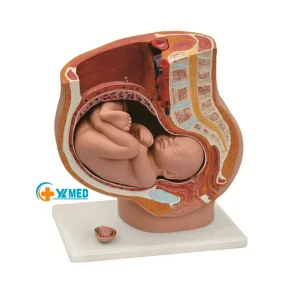
ODM Human Female Pelvic Section Pregnancy Anatomical Model Nine Months Baby Fetus Model Life Size with Removable Organs 4-Parts Manufacturer, Manufacturers
View model & request price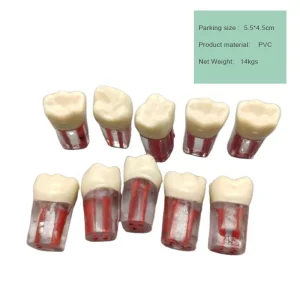
Wholesale Factory Good Price Resin Manual Colorful Open Pulp Root Canal Model for Medical Treatment Factories, Quotes
View model & request price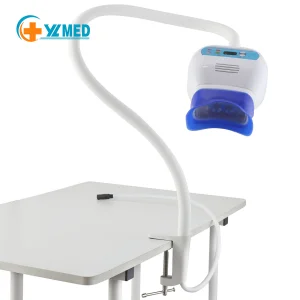
ODM Dental chair whitening instrument LED cold light single blue light beauty salon dental cold light tooth whitening instrument Manufacturers, Quotes
View model & request price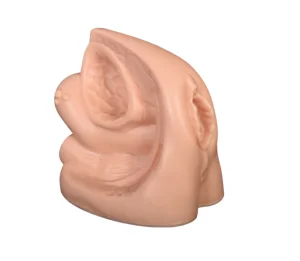
ODM Female Internal and External Catheterization Model, Manikin Teaching Model Catheterization Model for Gynecology Medical Educational Training Aid Manufacturer, Manufacturers
View model & request price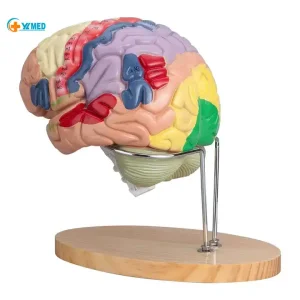
OEM Human Brain Model Anatomy Display Stand Life Size Color Human Brain Anatomical Model for Teaching Science Classroom Study Manufacturers, Quotes
View model & request price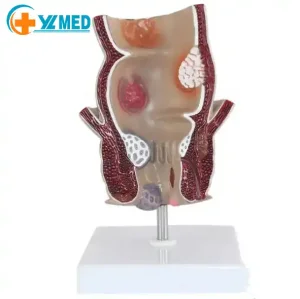
ODM Medical teaching Used for teaching enlarged display of anorectal acne pathological model rectal intestinal anatomical model Factory, Pricelist
View model & request price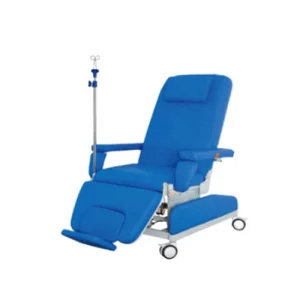
Wholesale Hospital Furniture Multifunctional Adjustable Medical Blood Donation Collection Electric Dialysis Chair Infusion Chair Factory, Service
View model & request price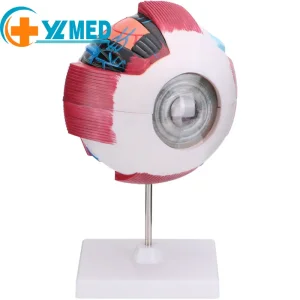
OEM Medical Science Biology 6 times Human eye model Giant eye model Human eye Anatomy Science teaching Medical model Quotes, Service
View model & request priceTo compare specifications, packaging and shipping options across all 16 references, send one RFQ with target quantities and destination. Contact the export team for a consolidated ODM human model quotation.