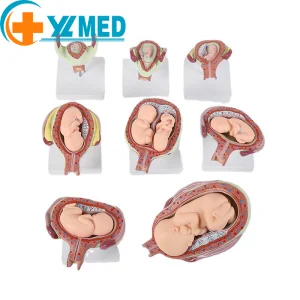
ODM Human Anatomy Model Pricelist & Service
Factory-direct anatomical models, clinical training simulators and hospital teaching equipment from Henan Yulin Edu. Project Co., Ltd. — engineered for distributors, medical universities, hospitals and government tenders with more than 60 years of manufacturing experience.
ODM Human Anatomy & Clinical Teaching Models with Direct Pricelist Access
The models below are supplied through Yulin Medical’s OEM/ODM program, with options for private-label packaging, multilingual labels, sample evaluation, mixed-category consolidation and tender documentation. Every product link leads to its current product and pricelist inquiry page.
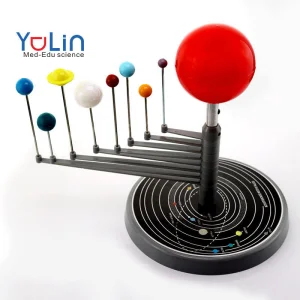
ODM Geography Discipline Teaching Instruments and Astronomy Laboratory Eight Planets Solar System Model with Light Factory, Quotes
View product & pricelist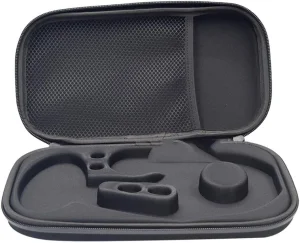
Wholesale Hard Stethoscope Case, Stethoscope Storage Box, Multi-Function Carry Storage Organizer Box with Extra Mesh Pockets for Small Accessories, Device NOT Included(Black) Manufacturers, Service
View product & pricelist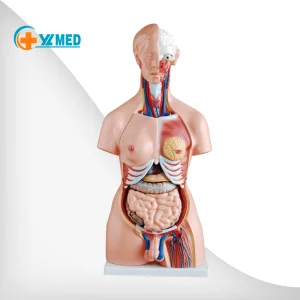
OEM There were 23 male and female 85CM torso models Factories, Quotes
View product & pricelist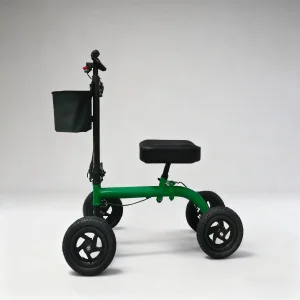
China Knee Walker Scooter Convenient Adult Folding Walker for Leg Easy Mobility Aid Adults Disabled People Rehabilitation Equipment Manufacturers, Quotes
View product & pricelist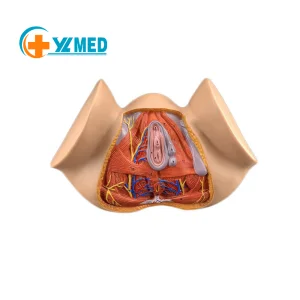
Wholesale Factory Price Human Anatomical Model for Uterus Medical Science Torso Model Educational Female Perineum Model Manufacturer, Service
View product & pricelist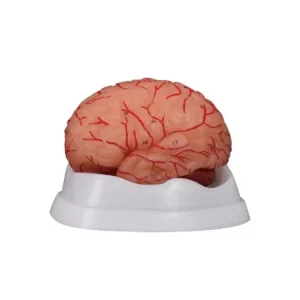
China There were 9 new brain anatomical models for teaching medicine Factories, Service
View product & pricelist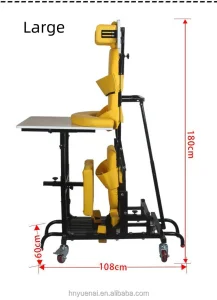
OEM Cerebral palsy rehabilitation training equipment, standing frame, adult multi-functional standing frame, emergency use Manufacturers, Pricelist
View product & pricelist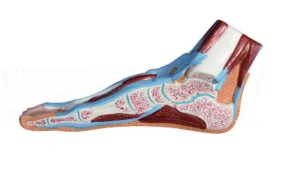
ODM Sagittal anatomical model of the natural great foot Manufacturers, Service
View product & pricelistODM Human Anatomy Model Pricelist & Service: Beyond a Commodity Quotation
Human anatomy models are no longer a simple catalogue commodity. Buyers compare structural accuracy, material durability, multilingual labeling, replacement-part availability, packaging quality and the supplier’s ability to reproduce the same specification across repeat orders.
In medical education, clinical training and patient communication, an anatomical model is a teaching instrument and a risk-management item at the same time. A torso that is acceptable for a secondary-school biology demonstration is not automatically suitable for an accredited medical school, an OSCE station or a hospital informed-consent discussion. Procurement teams therefore need more than a headline unit price. They need evidence of anatomical logic, finish consistency, cleanability, spare-part planning and stable documentation.
Yulin Medical’s position is shaped by more than six decades of manufacturing in Xinxiang, Henan. Founded in 1958 and ISO 9001 certified since 2008, Henan Yulin Edu. Project Co., Ltd. serves distributors, medical universities, nursing colleges, hospitals and tender teams from a single production and export base. This matters because anatomy models are frequently combined with CPR manikins, skeleton models, prepared slides, dental teaching products, hospital furniture and rehabilitation equipment. Mixed-category consolidation reduces supplier count, improves container utilization and simplifies after-sales communication.
The pricelist is a starting point, not a final offer. A credible ODM quotation separates tooling, sampling, material, finishing, packaging, testing, documentation and logistics. It also states what is included in the ex-works price and what changes when a buyer adds private-label packaging, a new base, multilingual labels or a custom carry case. Total programme value equals anatomical accuracy plus durability plus documentation plus replenishment plus service.
This whitepaper adds practical decision criteria: demand patterns by buyer type, a cost-driver model, a technical roadmap, localization checks and a buyer FAQ. It is written for first-time importers and repeat distributors who want to compare suppliers on total programme value rather than unit price alone.
Global Enterprise Demand for Human Anatomy Models
Demand is expanding for reasons beyond new medical school openings. Health systems are redesigning curricula around competency-based education, hospitals are using models for informed consent, and distributors are building private-label ranges for nursing, physiotherapy, emergency medicine and patient education.
Medical Universities & Simulation Centres
Medical, nursing, dental and allied-health schools need brains, torsos, pelvic models, fetal development sets, head and neck models, and joint models that match curriculum outcomes. Buyers increasingly request numbered structures, removable organs, magnetic components, repair kits and consistent colour coding for small-group teaching.
Distributors & Private-Label Brands
Distributors need differentiated SKUs, not another generic catalogue. They ask for custom packaging, localized manuals, MOQ planning, replacement parts and predictable lead times. A factory that supports ODM design can help a distributor build a defensible product line and reduce price-only competition.
Hospitals & Clinical Training Teams
Hospitals use anatomical models for patient education, consent discussions, nursing orientation, emergency drills and procedure rehearsal. Durability, cleanability and quick replacement of damaged parts are more important than classroom aesthetics. Models must survive repeated handling in busy departments.
Government, NGO & Tender Programmes
Ministries of health and education, NGOs and donor-funded projects often buy through tenders. They require documented specifications, batch consistency, multilingual labels, delivery schedules and after-sales support. Suppliers that can prepare a complete tender package reduce evaluation risk.
Regionally, demand is not uniform. Mature markets place greater emphasis on accreditation, traceability and replacement-part economies. Emerging markets often prioritise price-performance, local-language training content, robust packaging and flexible Incoterms. Across all regions, buyers are searching for an ODM human anatomy model manufacturer, a custom anatomical model supplier or an ISO 9001 medical teaching model factory that can support tenders and recurring distribution. The strongest suppliers answer those queries with clear specifications, verifiable process controls and a realistic service model.
From Catalogue Selection to Co-Developed ODM Programmes
A practical ODM solution connects product engineering to procurement. It should reduce supplier management, improve consistency and make the buyer’s brand easier to sell.
ODM Engineering & Design
Custom scale, organ segmentation, base design, material selection, colour matching and packaging integration. CAD review, sample iteration and pre-production approval help convert a teaching requirement into a manufacturable specification.
Private-Label Packaging
Brand identity, colour boxes, manuals, barcodes, inserts and retail-ready presentation. For distributors, packaging is part of the product: it protects the model, communicates quality and supports resale value in local catalogues.
Mixed-Category Consolidation
Anatomy models can be combined with CPR manikins, skeleton models, hospital furniture, emergency splints and rehabilitation products. One shipment and one point of contact reduce administrative load and improve container utilization.
Tender & Documentation Support
Product specifications, material declarations, packing lists, warranty terms, QC checklists and inspection records can be prepared for tender files. Clear documents help universities, hospitals and government buyers evaluate compliance without ambiguity.
Sample Evaluation & Pilot Orders
Instructors and clinicians should test sample models before bulk production. Feedback on structure, colour, joint strength, label clarity and packaging can be incorporated into a pilot batch before a full programme is released.
Export Logistics & After-Sales
Protective packing, moisture control, shipping marks, delivery coordination and spare-part planning. Responsive after-sales support protects the buyer’s reputation after the container has left the factory.
These solutions matter most when a buyer is moving from one-off purchases to a repeatable programme. A distributor may begin with a single torso model, then add brain, foot, prostate, fetal development and emergency training products. Consolidating those requirements under one manufacturer improves consistency and simplifies supplier audits. For universities, the same approach can standardize model types across multiple campuses and reduce training variation between departments.
Technical Roadmap & Future Outlook for Anatomy Models
The next generation of anatomy models will be judged by a broader standard: how well they support repeatable learning, repair and digital integration. Not every model needs electronics; the priority is to improve the core teaching instrument first.
Materials & Finish
Colour-stable PVC, ABS and selected silicone components; low-odour formulations; UV-resistant surfaces; cleanable finishes; realistic tissue feel where it improves learning. Material declarations and consistent colour batches become part of the specification.
Modular Anatomy
Interchangeable organs, magnetic mounts, numbered components, QR-coded parts and replacement kits. Modular design reduces waste, extends service life and allows distributors to localize a base model for multiple market levels.
Digital Learning Layer
QR-linked multilingual guides, AR-ready assets, assessment prompts and digital twins for selected models. Digital content should support the model, not distract from it, and must be maintainable over multiple product generations.
Smart Simulation Integration
Sensor-enabled feedback for selected high-value training models, cloud dashboards and blended-learning workflows. The business case depends on learning outcomes, service cost and the buyer’s ability to support software over time.
Yulin Medical’s technical route is deliberately practical. The priority is to improve anatomical accuracy, durable joints, replaceable components and clear labeling before adding complexity. For buyers, this means asking suppliers to provide a component-level BOM, spare-part list, content-update policy and a roadmap for discontinuation. Future differentiators are likely to include recyclable materials, 3D-printed spare parts, small-batch customization, local kitting partnerships and multilingual digital content. The winning ODM supplier will be the one that can connect those capabilities to a predictable pricelist and a reliable service model.
Global Commercial & Industrial Status of the Anatomy Model Supply Chain
The global supply chain for educational anatomy models is concentrated around a few manufacturing clusters, with China playing a major role in price-performance and catalogue breadth. Buyers are now diversifying suppliers, asking for more documentation and moving toward smaller, more frequent orders.
Accreditation & Service Depth
Medical schools and distributors expect accurate labeling, replacement parts, responsive support and packaging that survives parcel and pallet logistics. Online competition makes private-label differentiation and reliable replenishment especially valuable.
Documentation & Multilingual Supply
Buyers pay close attention to product documentation, material declarations, packaging waste and multilingual instructions. Classification as educational equipment or a medical device must be confirmed per model and intended use; suppliers should avoid blanket claims.
Tender-Driven Capacity Building
Ministry projects, universities and donor programmes often require heat-and-humidity-resistant packaging, spare parts, training videos, multilingual documents and long-term service. Price-performance and delivery reliability are decisive.
Rapid Education Expansion
Expanding medical education, private hospitals and simulation centres create strong demand for cost-effective models. Local-language content, local service partnerships and flexible order sizes can be more important than a marginal price difference.
At the factory level, the integration of mould making, injection, assembly, inspection and packing matters. A manufacturer that controls more process steps can reduce quality drift and shorten response time when a buyer requests a change. The six-decade history of Yulin Medical is useful not as a marketing claim but as evidence of process maturity: an installed supplier base, trained workers, export experience and an ISO 9001 quality system in place since 2008. The practical question for procurement teams is whether those capabilities are documented and repeatable on the next order, not simply whether they appear in a brochure.
Localization Support & Compliance Assurance
Localization is more than translation. It covers language, electrical adaptation, climate-ready packaging, tender documentation, customs coordination and after-sales support.
Language & Labeling
Model numbers, anatomical terms, packaging text and manuals can be prepared in English, Spanish, French, Arabic, Russian or other project-specific languages. Consistent terminology across products is checked before production.
Electrical & Accessory Adaptation
For illuminated or electronic models, confirm voltage, plug type, adapter certification and battery options. Accessories should match the destination’s electrical system and the buyer’s service capability.
Climate-Ready Packaging
Humidity barriers, foam protection, reinforced cartons, drop-test review and clear shipping marks help protect models during long sea freight or multi-leg parcel delivery. Packaging can be private-labelled.
Tender Documentation
ISO certificate, inspection records, material declarations, packing lists, warranty terms and product specifications can be compiled for tenders. Accurate documents reduce clarification requests and evaluation risk.
Incoterms & Customs
EXW, FOB, CIF and DDP options can be discussed according to the buyer’s experience and destination. Correct HS code guidance, document accuracy and consolidated shipments help avoid delays.
After-Sales & Training
Spare parts, repair guidance, product videos and train-the-trainer materials support distributors and training centres. A named contact and a clear escalation path are part of the service specification.
Compliance note: ISO 9001 covers the quality management system, not every product certification. Depending on destination and claims, an anatomy model may be treated as educational equipment rather than a medical device; electrical accessories, materials and labeling can still be regulated. Yulin Medical confirms documentation per SKU and per market before production. This avoids over-claiming and helps distributors, universities and tender teams maintain reliable files.
Henan Yulin Edu. Project Co., Ltd.
No. 8, Daoqing Road, Industry Park, Hongqi District, Xinxiang, Henan, China. Manufacturer of medical teaching models, anatomy and skeleton models, CPR and nursing simulators, dental teaching equipment, biology prepared slides and hospital equipment since 1958.
Email: [email protected] · Phone: 0086-13503800666 · WhatsApp: +86 135 0380 0666
Quick Resources
How an ODM Human Anatomy Model Pricelist Is Built
A professional ODM pricelist should be transparent about drivers. Indicative unit price is affected by order quantity, model complexity, number of colours, removable parts, base type, packaging, labeling, testing and delivery terms.
A simple torso with printed structures and a standard base has a very different cost structure from a multi-part fetal development series or a custom model with magnetized organs and private-label packaging. Ask for a line-item quotation that separates product, tooling, sampling, packaging, testing, documentation and freight. That makes supplier comparison fair and reveals where savings are realistic.
Catalogue ODM
Select an existing model, change logo, label, manual or standard packaging. Lower tooling and shorter lead time.
- Best for first orders and market testing
- Standard structure and colour options
- Flexible mixed-category consolidation
Light Customization
New colour, base, carry case, branded packaging or selected component changes. Moderate tooling and sample approval.
- Best for distributors building a private label
- Localized manuals and packaging
- Balanced investment and differentiation
Full ODM Co-Development
New anatomical model or modular system with CAD, tooling, validation, digital content or AR support. Milestone-based investment.
- Best for long-term branded programmes
- Custom anatomy, base and accessories
- Documented validation and spare-part plan
A Transparent Five-Step Process for Overseas Buyers
From the first conversation to delivery, every stage has a clear output so you can plan stock, tenders and training schedules with confidence.
Share Requirements
Send product types, quantities, target market, packaging preference and any tender or certification needs.
Catalog & Proposal
Receive matched models, specifications, packaging options and shipping suggestions.
Sample Evaluation
Test samples with instructors or clinicians before confirming bulk production.
Production & QC
Manufacturing and inspection follow our ISO 9001 quality management system.
Export & Support
Protective export packing, delivery coordination and responsive after-sales service.
Q&A: ODM Human Anatomy Model Pricelist & Service
Straight answers to questions procurement managers ask before placing a first or repeat ODM order.
Is Yulin Medical a manufacturer or a trading company?
We are a manufacturer. Henan Yulin Edu. Project Co., Ltd. was founded in 1958 and operates a factory in Xinxiang, Henan, China, with more than 200 professional staff. For mixed-category orders, we coordinate a stable network of long-term partner factories while keeping one point of contact for specifications, inspection and export.
What certifications and documents can you provide?
Our quality management system has been ISO 9001 certified since 2008. Product-specific documents can be provided for tenders and import registration, such as material declarations, inspection records, packing lists and test reports where available. Buyers should confirm the exact certification or regulatory pathway required for their destination and product claims.
Do you support OEM, ODM, private label and custom packaging?
Yes. We support logo and label changes, private-label packaging, multilingual manuals, custom colours, base design, carry cases, component changes and new-model development. The most efficient route is to share target price, annual volume, market, packaging preference and any tender specification. Our team then proposes a catalogue ODM, light customization or full co-development path.
How do I choose the right human anatomy model for my market?
Start with learning objectives. For anatomy lectures, choose numbered, removable structures and a stable base. For clinical training, prioritise durability, cleanability and replacement parts. For patient education, choose clear contrast and simple labels. Confirm scale, material, language, electrical requirements and whether the model must match a specific curriculum or tender specification.
What is the typical MOQ and lead time?
MOQ depends on whether the item is catalogue stock, light customization or full ODM. Catalogue items usually have lower MOQs; custom packaging and new tooling require higher volumes. Lead time is confirmed after sample approval and depends on mould availability, order quantity, inspection requirements and shipping method. For tender deadlines, share the bid date early so production and documents can be planned.
How are prices structured for an ODM human anatomy model pricelist?
An ODM pricelist should separate unit price from tooling, sampling, packaging, testing, documentation and freight. Prices change with quantity, material, detailing, removable parts, finish, labeling and Incoterms. Ask for a line-item quotation and a landed-cost estimate so you can compare suppliers on total programme cost rather than headline unit price alone.
Can you consolidate anatomy models with other product lines and protect shipments?
Yes. Anatomy models can be consolidated with CPR manikins, skeleton models, prepared slides, dental teaching products, hospital furniture, emergency splints and rehabilitation equipment. We prepare a packing plan and documents before shipment. Export-grade cartons, foam or moulded protection, moisture barriers and clear shipping marks help protect products during international transport.
What after-sales support is available?
Support includes spare-part planning, replacement components, repair guidance, product videos and a typical reply within 24 hours. For distributors and training centres, we can discuss train-the-trainer materials and multilingual content. The goal is to keep models in service and reduce downtime, not simply to ship a replacement.
Need specifications, a 2025 pricelist or a tender package?
Email [email protected] or call 0086-13503800666. Tell us your target market, quantities, packaging requirements and certification needs. Our team will recommend suitable models, share detailed specifications and propose a shipping plan. Address: No. 8, Daoqing Road, Industry Park, Hongqi District, Xinxiang, Henan, China.
More ODM Models for Anatomy, Emergency & Rehabilitation Programmes
These additional product links cover head and neck anatomy, fetal development, obstetric demonstration, emergency immobilisation, patient transport, mobility support, surgical accessories and prostate anatomy. They can be consolidated with the models above into one ODM programme.
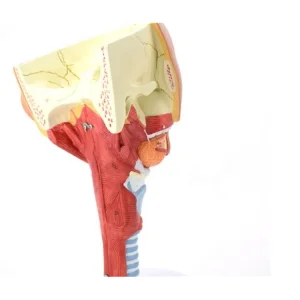
Wholesale Medical science Human anatomy teaching resources Plastic Human Head with Pharynx Muscles Anatomical Model Factory, Service
View product & pricelist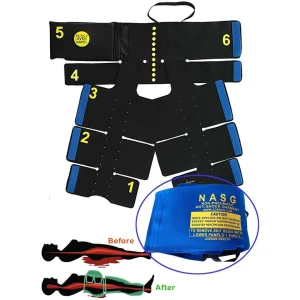
China An elastic resistance bandage with tension, non-pneumatic shock-absorbing splint, emergency splint, shock-absorbing support device Pricelist, Service
View product & pricelist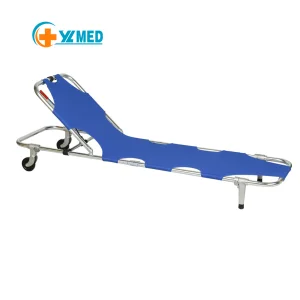
China Portable Folding Class I Medical Stretcher Cart 10s Quick Setup 350LB Capacity Emergency Rescue Patient Transport Hospitals Manufacturers, Service
View product & pricelist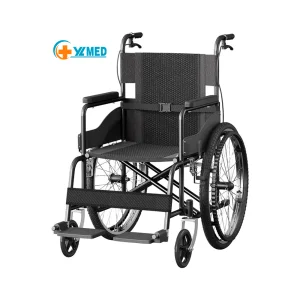
ODM Medical wheelchair elderly folding portable small multi-functional elderly travel disabled hand-pushed scooter Manufacturers, Quotes
View product & pricelist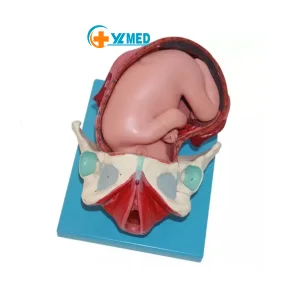
OEM 3 Stages of Labors Delivery Process Fetal Delivery Process Model for Medical Anatomical Demonstration Manufacturers, Pricelist
View product & pricelist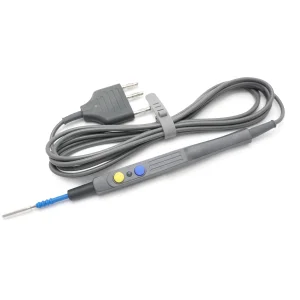
Wholesale Surgical accessories: Disposable electrosurgical pen, Reusable ESU pen-shaped electrocautery device, Pen-shaped surgical instruments Manufacturers, Factories
View product & pricelist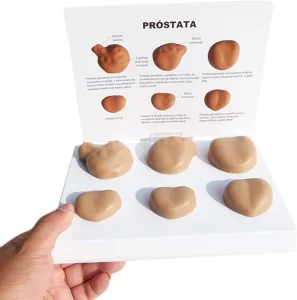
ODM Teaching Model,Human Prostate Model, Prostate Cancer Model, Prostate Mass Anatomical Structure Model Manufacturer, Factory
View product & pricelist