ODM Home Oxygen Concentrator Factories & Service
A due-diligence white paper for distributors, homecare operators, hospital groups, rental fleets, and tender teams comparing Chinese ODM factories, PSA engineering, localized clinical applications, compliance evidence, global procurement requirements, and after-sales service models.
◈Factory-Direct Medical Products for Consolidated Procurement
Global buyers rarely purchase one category at a time. A distributor may combine respiratory-care programs with anatomy models, hospital furniture, diagnostic tools, teaching simulators, and rehabilitation products in one shipment. The first eight products below are part of the broader Yulin Medical portfolio and retain their original product URLs and images.
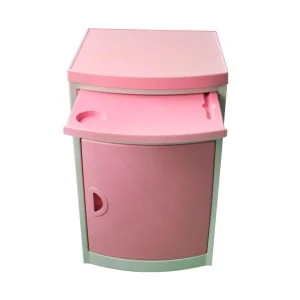
OEM On Sale Hospital Furniture ABS Beside Cabinet Locker Bedside Table With Casters in Stock Manufacturer, Service
Open Product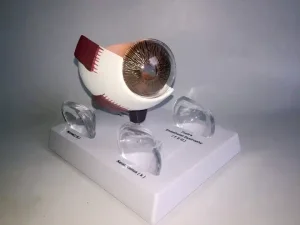
ODM Human eye structure teaching model Eye anatomy model Ocular lens disease demonstration teaching Factory, Quotes
Open Product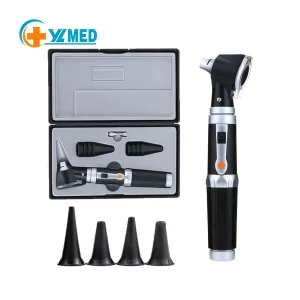
China Black Electric Customized Logo Ce Instruments Otoscope Wholesale Price Double Screen Opt Machine Ophthalmoscope Prices 2 Years Manufacturers, Factory
Open Product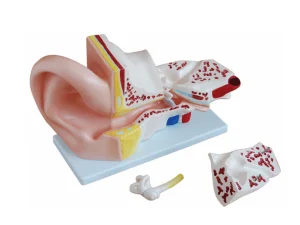
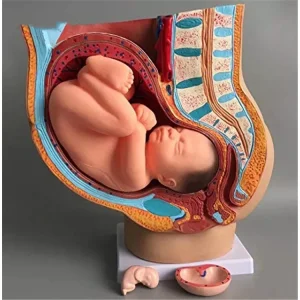
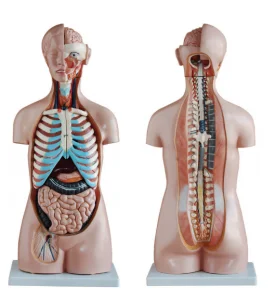
ODM Medical teaching, Female human sagittal anatomical model (4 pieces) Manufacturer, Manufacturers
Open Product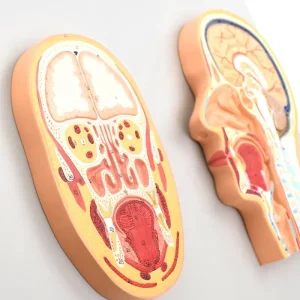
◎What Buyers Really Need from an ODM Home Oxygen Concentrator Factory
Search queries for “ODM Home Oxygen Concentrator Factories & Service” usually come from an experienced buyer, not a first-time shopper. They are comparing potential manufacturing partners for private label, OEM supply, tenders, rental fleets, hospital-to-home programs, or regional distribution. The core question is not “who sells the cheapest concentrator?” It is “which factory can deliver repeatable clinical performance, market-specific documentation, and service economics for the next three to five years?”
China has a deep pool of respiratory-device manufacturers. The challenge is separating an assembly workshop from a genuine ODM partner. A qualified partner should control or validate the compressor, molecular sieve bed, valve timing, oxygen sensor calibration, cooling architecture, firmware, and alarm logic. They should test oxygen purity at every declared flow rate, not only at 1 LPM. They should maintain traceability from component lot to finished serial number. They should support local registration, labeling, language, voltage, plug, packaging, and after-sales workflow.
Yulin Medical writes this guide from a manufacturer and export-team perspective. Henan Yulin Edu. Project Co., Ltd. has operated since 1958, has been ISO 9001 certified since 2008, and supplies medical teaching, simulation, hospital furniture, and utility medical equipment to distributors and institutions worldwide. For home oxygen concentrator ODM projects, our team coordinates specialized respiratory-device partner factories and consolidated sourcing, documentation, and export service. That distinction matters: buyers should always verify the actual device manufacturer’s quality system, technical file, and market authorization for the exact model being offered.
Information gain: evidence over catalog claims
A useful supplier comparison should include three evidence layers. First is flow-specific performance: oxygen purity, pressure, flow stability, noise, power consumption, temperature rise, and alarm response at declared settings. Second is manufacturing discipline: incoming inspection, leak testing, sieve-bed filling control, burn-in, calibration, final QC, and serial-number records. Third is lifecycle support: warranty administration, spare-part kits, training materials, change notification, complaint handling, CAPA, and field-service response. A factory that can explain all three layers is more valuable than one that only sends a price list.
⚙China Factory Advantages Every ODM Buyer Should Verify—Not Assume
China’s advantage is not a single cost factor. It is the density of the medical-device supply chain, the speed of engineering iteration, and the export experience required to support multiple regulatory markets.
Within a few hours of major medical-device clusters, a factory can source compressors, molecular sieve materials, solenoid valves, oxygen sensors, cooling fans, filters, plastics, harnesses, PCBs, and packaging. This compresses development cycles and helps custom models reach pilot production faster. For oxygen concentrators, supply-chain density matters because pressure-swing adsorption performance is a system-level outcome: a small change in valve timing, sieve filling, cooling airflow, or pressure drop can affect oxygen purity, noise, and service life.
Cost engineering is another advantage. Experienced ODM factories can design to a target retail price while maintaining a clear bill of materials. However, cost reduction must not compromise oxygen purity, thermal margins, or alarm reliability. A disciplined factory will present a design failure mode and effects analysis, critical-to-quality parameters, and a validation plan. It will also separate optional cost-down items from safety-critical changes.
Export orientation is a third advantage. Chinese ODM suppliers increasingly understand CE, FDA, UKCA, TGA, Health Canada, ANVISA, and other pathways. They can provide technical files, test reports, risk-management documents, labeling artwork, UDI support, and change notifications. Yet certification is product- and market-specific. Buyers must confirm that the certificate matches the exact model, factory address, flow range, and accessories. Country-specific requirements are not paperwork only: 110 V versus 220 V, 50/60 Hz, plug type, altitude, humidity, ambient temperature, language, and local clinical protocol can all influence the design.
Component Depth
Access to compressors, sieve beds, valves, sensors, filters, and electronics supports faster iteration and controlled second-source planning.
ODM Flexibility
Industrial design, firmware, alarm logic, language packs, voltage variants, packaging, and accessories can be adapted to market needs.
Cost-to-Performance
Competitive BOM engineering must be balanced against thermal margin, oxygen purity stability, noise control, and service life.
Export Documentation
Technical files, test reports, risk management, traceability, UDI, labeling, and change notification are part of the product, not an afterthought.
↗Industry Trends Reshaping Home Oxygen Concentrator Demand
The home oxygen concentrator market has moved from emergency-driven demand toward chronic-care infrastructure. Procurement teams now ask harder questions about replacement cycles, quiet operation, remote monitoring, spare-parts availability, and total cost of ownership. For ODM factories, this means the product must be designed for years of service in homes, rental fleets, community clinics, and hospital-at-home programs.
Aging and chronic respiratory care. Aging populations, COPD, pulmonary fibrosis, sleep-related breathing disorders, and post-acute care continue to expand long-term oxygen therapy. Caregivers want simpler controls, clear alarms, lower noise, low power consumption, and humidifier compatibility. Distributors want models that are easy to train, service, and differentiate by brand.
From surge capacity to replacement cycles. The COVID-19 period created a spike in demand. The durable market is now built on repeat replacement, rental turnover, homecare contracts, and hospital-to-home discharge planning. Buyers should evaluate a supplier’s ability to maintain consistent quality after the initial order, not only its ability to ship during a crisis.
Portable, quiet, and connected devices. Pulse-dose portable concentrators, battery management, telemetry, adherence reporting, and remote diagnostics are becoming differentiators. ODM programs increasingly require firmware control, mobile app integration, cloud portals, cybersecurity, and data privacy documentation. Connectivity must support service decisions, not simply add a feature to a brochure.
Regulatory tightening and post-market surveillance. Regulators expect risk management, clinical evidence, software lifecycle control, complaint handling, CAPA, and post-market data. A supplier that cannot provide field data and change notifications is a commercial risk, especially for tender and reimbursement markets.
Service as a product. In rental and homecare models, uptime matters more than initial price. Buyers need training videos, repair guides, spare-part kits, warranty administration, exchange programs, and measurable response times. ODM Home Oxygen Concentrator Factories & Service should therefore be judged as a combined manufacturing and service system.
Aging Care
Homecare demand grows with aging populations and chronic respiratory disease management.
Replacement Cycle
Repeat orders reward factories with stable BOMs, spare parts, and documentation control.
Connectivity
Telemetry and adherence data require software lifecycle and cybersecurity discipline.
Regulation
Technical files, risk management, and post-market surveillance are part of market access.
Service Economics
Rental fleets need uptime, repair guides, spare-part kits, and exchange planning.
⌂Localized Application Scenarios: Design for the Home, Not Just the Lab
A concentrator that performs well on a bench may still fail in real homes. Localized use cases should directly inform specifications, packaging, training, and service design.
Long-Term Oxygen Therapy at Home
Focus on flow accuracy, oxygen purity, alarm visibility, noise reduction, humidifier compatibility, filter maintenance, and power-outage planning for daily caregiver use.
COPD and Pulmonary Rehabilitation
Continuous-flow performance, exercise desaturation support, clear accessories, and district-level training resources help homecare providers deliver consistent programs.
Ambulatory and Portable Oxygen
Battery run time, weight, carrying options, pulse-dose sensitivity, and charging behavior should be validated against local travel and daily-living patterns.
Rural and Community Clinics
Voltage stability, dust tolerance, ambient temperature, service access, and simple maintenance become more important than premium digital features.
Disaster and Emergency Preparedness
Battery backup, generator compatibility, rapid training, robust packaging, and clear operating instructions support surge deployment and temporary care sites.
High-Altitude and Remote Worksites
Altitude compensation, derating policies, filter design, and service logistics must be addressed when devices are used outside standard urban home conditions.
Clinical use must follow local prescription requirements, reimbursement rules, and medical guidelines. ODM factories should avoid unsupported clinical claims. Instead, they should provide transparent specifications, validated performance data, contraindication references, and clear instructions so distributors can position the product responsibly in each market.
⬡Macro Industry Solutions: Packaging ODM Devices into Repeatable Programs
Global buyers are not simply purchasing a device. They are building a repeatable program with registration, training, service, reimbursement, and inventory flow.
A hospital-to-home solution requires more than a concentrator. It needs discharge criteria, device selection, home installation, caregiver training, adherence follow-up, emergency response, and equipment recovery. A distributor OEM bundle may include private-label concentrators, humidifiers, nasal cannulas, filters, carrying bags, spare-part kits, user manuals, warranty cards, and training videos. A rental fleet requires serial-number tracking, preventive maintenance schedules, repair-loop management, and exchange units. A telehealth program requires data integration, privacy policy, field-service workflows, and escalation rules.
For ODM factories, the strongest commercial position is to support these macro solutions with modular product platforms. A base concentrator platform can serve multiple markets through different flow ranges, voltage variants, language packages, alarm sets, battery options, and packaging configurations. This reduces development cost while preserving flexibility. It also allows distributors to build a coherent catalog instead of importing unrelated devices with inconsistent service logic.
Hospital-to-Home Program
Combine device supply, discharge planning, caregiver training, maintenance, and emergency escalation into one accountable service pathway.
Distributor OEM Bundle
Private-label devices, accessories, manuals, packaging, spare parts, and training assets create a market-ready brand package.
Rental Fleet Management
Serial-number tracking, preventive maintenance, repair loops, and exchange units protect uptime and asset utilization.
Connected Care Integration
Telemetry, adherence reports, and service alerts require cybersecurity, data governance, and clear operational workflows.
◎Global Enterprise Procurement Requirements: Beyond the Unit Price
International buyers should issue a requirements matrix before requesting a quotation. The matrix should define target markets, regulatory status, flow range, oxygen purity tolerance, alarm logic, battery expectations, noise limits, altitude conditions, voltage and plug variants, language requirements, packaging tests, warranty terms, spare-parts commitments, training deliverables, MOQ, lead time, and change-notification rules. Without this matrix, quotations are difficult to compare and hidden costs become visible only after the first shipment.
Relevant standards may include ISO 13485 for quality management, IEC 60601-1 for electrical safety, IEC 60601-1-2 for electromagnetic compatibility, ISO 80601-2-69 for oxygen concentrators, ISO 14971 for risk management, and IEC 62304 for medical device software where applicable. Depending on the market, buyers may also need FDA 510(k), EU MDR documentation, UKCA, Health Canada, TGA, ANVISA, or other registrations. Always confirm that the certificate, test report, and labeling match the exact model and manufacturing site.
Commercial due diligence is equally important. Ask for a serial-number traceability sample, a flow-specific purity test report, a thermal burn-in record, an alarm validation plan, a spare-parts list with lead times, a warranty administration process, a complaint-handling workflow, and a change-notification clause. A low price per unit can become expensive if filters, sieve beds, compressors, sensors, or manuals are unavailable six months after launch.
Regulatory Evidence
Model-specific certificates, technical file, labeling, UDI, risk management, and software documentation.
Performance Evidence
Purity at each flow, pressure stability, noise, power, thermal rise, battery behavior, and alarm response.
Manufacturing Evidence
Incoming inspection, leak test, sieve filling control, calibration, burn-in, final QC, and traceability.
Commercial Evidence
MOQ, lead time, warranty, spare parts, training, packaging, payment terms, and change notification.
Service Evidence
Repair guides, exchange units, response times, complaint handling, CAPA, and field-service escalation.
⟲ODM Service Blueprint: From Brief to Market-Ready Oxygen Concentrator
An effective ODM service model is a sequence of controlled decisions. It begins with market fit and ends with lifecycle support. The factory should assign a project owner, define decision gates, document design changes, and connect engineering, quality, regulatory, and export teams. This is especially important for respiratory devices because small design changes can affect safety, performance, test reports, and registration.
Discovery Matrix
Define target markets, flow range, price band, certifications, volumes, and service model.
Specification
Set purity, alarms, noise, power, battery, altitude, interface, and accessory requirements.
Design & UI
Industrial design, labeling, language packs, packaging, and caregiver-friendly controls.
Prototype
Build and test functional prototypes against critical-to-quality parameters and risk controls.
Verification
Safety, EMC, performance, thermal, lifetime, alarm, and software verification.
Registration File
Prepare technical documentation, labeling, test reports, and change-control evidence.
Pilot Build
Validate production fixtures, work instructions, inspection methods, and packaging.
Lifecycle Service
Spare parts, training, warranty, complaints, CAPA, field data, and upgrade planning.
✓How to Audit an ODM Home Oxygen Concentrator Factory
Use this checklist to separate a credible respiratory-device ODM partner from a trading intermediary with limited technical control.
Quality System
Confirm ISO 13485 scope, certificate validity, audit reports, and the exact manufacturing site.
Traceability
Review component lot records, serial numbers, incoming inspection, and finished-goods history.
Purity Testing
Require oxygen purity data at each flow rate, not a single marketing value.
Thermal Burn-In
Check continuous running tests, temperature rise, cooling margin, and failure records.
Alarm Validation
Verify low purity, low flow, power failure, high temperature, and battery alarms as applicable.
Safety & EMC
Match IEC 60601 reports to the exact model, accessories, power supply, and factory address.
Software Control
Review firmware versioning, cybersecurity, software lifecycle, and update procedures.
Labeling
Check language, symbols, warnings, UDI, manufacturer information, and packaging artwork control.
Complaints & CAPA
Ask for real complaint trends, root-cause analysis, corrective actions, and field-safety reporting.
Service Readiness
Confirm spare-part kits, repair guides, training, warranty workflow, and exchange-unit options.
Red flags include certificates that do not match the quoted model, purity claims without flow-specific test data, no serial-number traceability, no change-notification clause, undocumented software updates, and a quotation that omits spare parts and training. For global enterprises, these gaps create registration delays, field failures, and service cost overruns long after the purchase order is signed.
▦Complete Sourcing for Medical Education & Clinical Use
Ten specialized product lines let procurement teams source simulation, laboratory, furniture, and hospital equipment from one accountable manufacturing and export workflow instead of managing multiple suppliers.
Anatomy Models
Torso, organ, heart, brain, and muscle models with numbered structures for lectures and patient education.
View range → 02Biology Prepared Slides and Accessories
Histology, botany, and zoology prepared slides plus storage and microscope accessories for biology labs.
View range → 03Dental Tools and Equipment
Dental teaching models, clinic lights, LED whitening units, and endodontic instruments for training and practice.
View range → 04General Teaching Models
Science demonstration models for primary schools, secondary schools, and education equipment tenders.
View range → 05Hospital Furniture and Equipments
Stainless steel examination couches, stretchers, walkers, and shower chairs built for daily clinical use.
View range → 06Hospital Machine and Tools
Diagnosis and treatment devices and practical tools for wards, clinics, and emergency departments.
View range → 07Medical Apparatus and Instruments
Emergency splints, extrication devices, cervical traction, and rehabilitation instruments.
View range → 08Medical Nursing Model
Adult, child, and neonatal CPR manikins, ACLS simulators, and AED trainers for skills assessment.
View range → 09Skeleton Models
Life-size and desktop skeletons, skulls, spines, and joint models for osteology teaching.
View range → 10Suture Pads and Kits
Realistic skin suture pads and complete instrument kits for surgical and wound-closure practice.
View range →✚Featured CPR, Emergency & Rehabilitation Equipment
Best-selling simulation manikins, first-aid devices, hospital furniture, and mobility aids requested by training centers, ambulance services, and healthcare distributors.

Advanced Full-Body CPR Training Manikin with 8" Color Feedback Display

AED Automated External Defibrillator Trainer for CPR Courses


Neonatal ACLS Training Manikin Aligned with AHA 2020 Guidelines



Non-Pneumatic Shock-Absorbing Emergency Splint & Tension Bandage





♜A Six-Decade Manufacturer Trusted by Educators and Clinicians
Founded in 1958, Henan Yulin Edu. Project Co., Ltd. has grown into a well-known educational and medical equipment supplier that integrates scientific research, production, and sales. With registered capital of RMB 120 million and more than 200 professional employees, we manage product development, manufacturing, inspection, and export from our base at No. 8 Daoqing Road, Hongqi District, Xinxiang, Henan, China.
Our quality management system has been ISO 9001 certified since 2008, and our operating motto is simple: quality first, service first. Every order is produced and inspected so distributors, medical universities, nursing colleges, hospitals, and healthcare buyers receive consistent, documented products on every batch. For ODM Home Oxygen Concentrator Factories & Service projects, our role is to coordinate qualified respiratory-device partner factories, consolidate medical product sourcing, and support documentation and export execution.



★Why Distributors and Institutions Partner with Yulin Medical
Four strengths overseas buyers consistently cite when they move long-term orders to our factory and partner supply network.
24/7 Responsive Service
Our team is online 24 hours a day, 7 days a week. Whatever your time zone, you receive a detailed answer as quickly as possible—typically within 24 hours.
Design & Packaging Team
In-house specialists deliver professional product design and private-label packaging that strengthens your brand and increases the added value of every unit you sell.
Professional Expertise
Our vision is to provide professional educational and medical training products from mainland China, built under ISO 9001 process control and decades of category knowledge.
60+ Years of Supply Stability
A factory with more than 60 years of history and a deeply integrated partner supply chain lets us meet one-stop demands and keep lead times predictable on repeat orders.
⇄A Transparent 5-Step Process for Overseas Buyers
From first conversation to delivery, every stage has a named contact and clear documentation so you can plan stock, tenders, and training schedules with confidence.
Share Requirements
Send product types, quantities, target market, and any tender or certification needs.
Catalog & Proposal
Receive matched models, specifications, packaging options, and shipping suggestions.
Sample Evaluation
Test samples with your instructors, clinicians, or service team before confirming bulk production.
Production & QC
Manufacturing and inspection follow our documented quality management workflow.
Export & Support
Protective export packing, delivery coordination, and responsive after-sales service.
◫News & Practical Insights from Our Specialists
Exhibition updates and hands-on guidance written by the team that designs, sources, and supplies medical equipment for global buyers.

Do You Really Know How to Observe Biological Prepared Slides?
Many plant and animal cell structures can only be studied under a microscope, making prepared biological slides essential in every biology lab. Our specialists explain how to handle, focus, and store slides correctly so students see clearer detail and your slide sets last for years.

The 5th Henan Provincial Educational Equipment Expo Concludes Successfully
Themed “Digital Leading Innovation and Development,” the expo reached a record 50,000 m² with 600+ brands and 10,000+ products on display, showcasing the latest educational equipment.

Inside Our Product Showroom
A look at the medical teaching models and training equipment buyers can inspect in person when visiting our Xinxiang facility.
?Frequently Asked Questions from Importers and ODM Respiratory Buyers
Straight answers to the questions procurement managers ask most before placing a first order or moving to a private-label respiratory program.
What should be tested in a home oxygen concentrator sample?
Which certifications are relevant for ODM home oxygen concentrator factories?
Can one ODM factory produce different voltages, languages, and packaging?
How should we evaluate service for a rental fleet?
What is a realistic MOQ and lead time?
Is Yulin Medical a manufacturer or a trading company?
Does Yulin Medical directly manufacture oxygen concentrators?
What quality certification do you hold?
Do you support OEM, private label, and custom packaging?
How do I choose the right CPR training manikin?
How quickly will I receive a reply?
▣More Products for Consolidated Medical Procurement
The final eight products below complete the sixteen-item factory-direct showcase. They retain their original product URLs, images, and medical education, hospital furniture, diagnostic, and rehabilitation positioning.
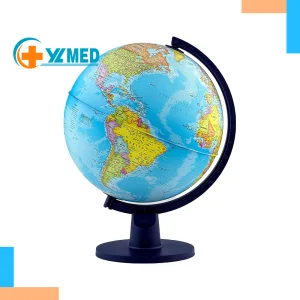
Wholesale 32cm Geography Teaching Equipment Factory Price World Earth Map Rotatable Tellurion with PP Support and Pedestal Globe Manufacturer, Pricelist
Open Product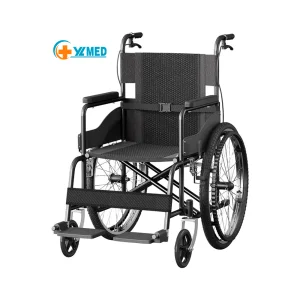
ODM Medical wheelchair elderly folding portable small multi-functional elderly travel disabled hand-pushed scooter Manufacturers, Quotes
Open Product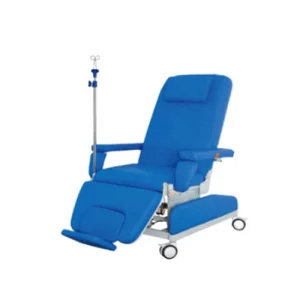
Wholesale Hospital Furniture Multifunctional Adjustable Medical Blood Donation Collection Electric Dialysis Chair Infusion Chair Factory, Service
Open Product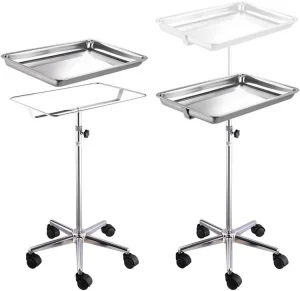
Wholesale Top Selling Adjustable Mayo Stainless Steel Tray Stand Mobile Trolley Medical Salon Equipment Tattoo 45lb Capacity Manufacturer, Factory
Open Product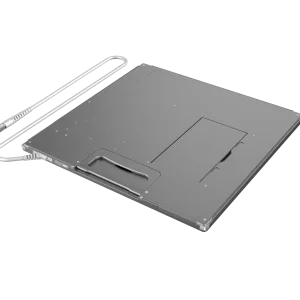
China General Radiography Digital Wired Flat Panel Detector X-ray Imaging Equipment Flat Panel Detector Factory, Factories
Open Product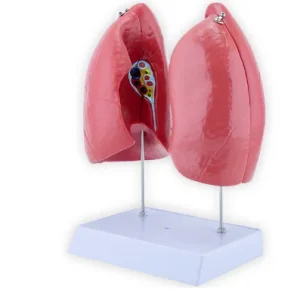
OEM The four-part model of human lung anatomy was demonstrated in medical teaching Manufacturer, Factory
Open Product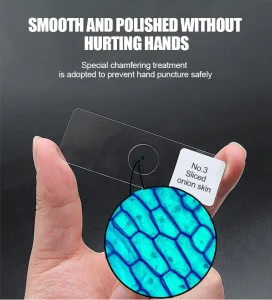
OEM 1pcs human bone marrow smear Giemsa Stain, wholesale prepared microscope slides Factories, Pricelist
Open Product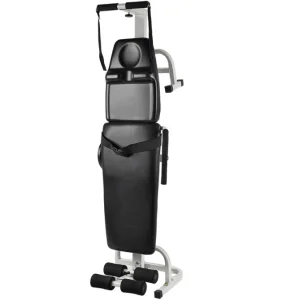
OEM Medical Physiotherapy Electric Adjustable Plastic Muscle Relex Shoulders Lumbar Spinal Traction Bed for Hospital Use Factory, Pricelist
Open Product◉Inside Our Factory, Showroom and Export Service
Original visual assets are preserved below with complete image proportions for factory verification, showroom review, and export-service orientation.








Need Specifications, a Price List, or a Tender Package? We Reply Within 24 Hours.
Tell us your target market, quantities, certification requirements, and whether your project involves ODM Home Oxygen Concentrator Factories & Service, medical teaching models, hospital furniture, or consolidated medical procurement. Our product specialists will recommend suitable models, share specifications, and propose a practical shipping plan.

⌘Global Service & Contact Directory

Henan Yulin Edu. Project Co., Ltd. — ISO 9001 certified manufacturer of medical teaching models, simulation manikins, hospital furniture, and utility medical equipment since 1958. For respiratory ODM programs, we coordinate qualified partner factories and consolidated export service.
Quick Links
Product Lines
Contact & Service
No. 8, Daoqing Road, Industry Park, Hongqi District, Xinxiang, Henan, ChinaExport team online 7 days a week; typical reply within 24 hours.