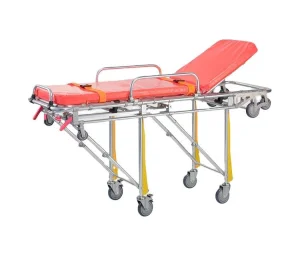
ODM Half Body Mannequin Manufacturer & Service: Requested Product Set
These eight products represent the wider medical education, hospital equipment and simulation sourcing ecosystem supported by Henan Yulin Edu. Project Co., Ltd. Each product URL is retained for direct buyer review.
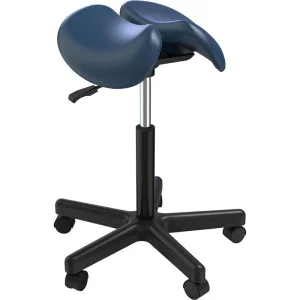
ODM Two Part Saddle Chair Adjustable Height with Backrest White Dental Chairs Modern Manufacturer, Manufacturers
View product details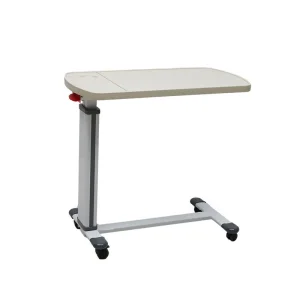
Wholesale Medical Adjustable Overbed Bedside Table With Wheels Home Care Adjustable Height OverBed Table Quotes, Service
View product details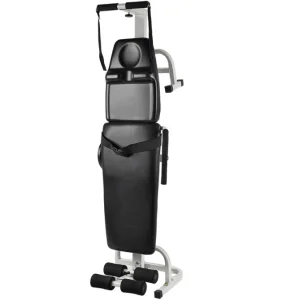
OEM Medical Physiotherapy Electric Adjustable Plastic Muscle Relex Shoulders Lumbar Spinal Traction Bed for Hospital Use Factory, Pricelist
View product details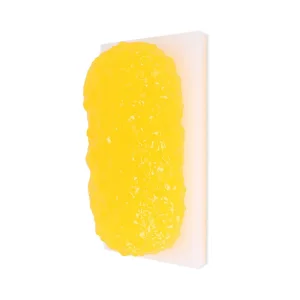
OEM Factory Direct Teaching Model Anatomy Human Fat Model Rectangular Silicone Gel Material School Training Simulation Factories, Quotes
View product details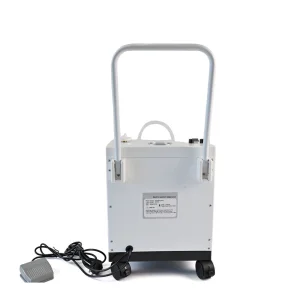
OEM Portable Medical Vacuum Suction Apparatus Sputum Aspirator Phlegm Suction Machine Manufacturer, Factories
View product details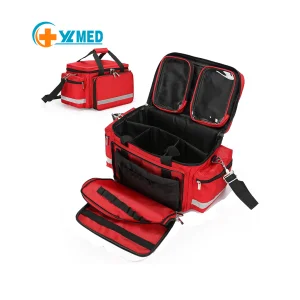
China Medical First Aid Bag Empty Home Health Nurse Storage Detachable Divider Red Class II Medical Supplies Emergency Responder Manufacturer, Pricelist
View product details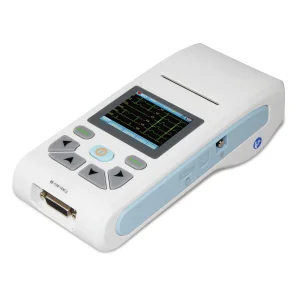
Wholesale New Handheld 2.8'' Display 3/6/12 Lead Electrocardiograph ECG90A ECG Machine Manufacturer, Pricelist
View product details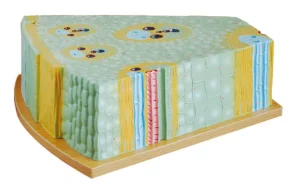
Why ODM Half Body Mannequins Are Becoming a Strategic Simulation Asset
The procurement conversation around half-body mannequins has changed. Buyers are no longer searching only for a low-cost torso model. They are looking for an ODM half body mannequin manufacturer that can translate clinical learning objectives into a manufacturable platform, document the product for import and tender use, localize packaging and manuals, and maintain supply continuity across repeat orders.
For distributors, medical schools, nursing colleges, emergency training centers and hospital education departments, the half-body mannequin is a compact but highly visible asset. It supports anatomy demonstration, airway and ventilation practice, chest-compression training, patient handling scenarios, infection-control education and competency assessment. The right platform therefore needs more than realistic appearance. It needs repeatable materials, replaceable modules, clear feedback logic and a documented quality route from sample approval to bulk shipment.
Henan Yulin Edu. Project Co., Ltd. has operated in Xinxiang, Henan, China, since 1958 and has held ISO 9001 certification since 2008. With more than 200 professional staff, registered capital of RMB 120 million, ten product lines and an export team that responds within 24 hours, the company is positioned as a long-term manufacturing partner rather than a single-order trader. The company motto remains straightforward: quality first, service first.
What Procurement Teams Mean When They Search for a Half Body Mannequin Supplier
Searches around “ODM half body mannequin” usually sit inside a wider buying journey. A visitor may begin with “half body mannequin manufacturer,” compare “custom medical training torso supplier,” investigate “CPR half body mannequin with feedback,” or request “private label anatomical mannequin for distributors.” Each intent requires different proof.
Factory-First Intent
The buyer wants to confirm whether the supplier owns production capability, quality processes, inspection records and stable export packing. Claims need to be supported by factory facts, certifications, product lines and named operating history.
ODM Customization Intent
The buyer wants dimensions, anatomy, materials, color, branding, packaging, accessories and feedback options adapted to a specific market or training curriculum. A clear ODM workflow reduces sample revisions.
Compliance Intent
The buyer needs labels, manuals, declarations, test documentation, traceability and tender-ready specifications. Regulatory responsibility usually sits with the importer, so the manufacturer should provide transparent documents and technical detail.
Service Intent
The buyer evaluates response speed, technical explanation, spare-part planning, mixed-category consolidation, export coordination and after-sales support before placing a repeat order.
How a Custom Half Body Mannequin Is Engineered for Training and Resale
A useful half-body mannequin is a system. The visible shell is only one layer. The product’s training value and commercial durability depend on the relationship between anatomy, mechanics, materials, sensor modules, replaceable parts and logistics.
Anatomical Fidelity
Torso proportions, landmark accuracy, airway positioning, chest compliance and organ relationships should support the target curriculum. For distributor ranges, one platform may need several variants for basic demonstration, nursing skills and advanced assessment.
Airway & CPR Mechanics
Head tilt, jaw thrust, ventilation resistance, chest-rise feedback and compression depth must behave consistently across units. Mechanical repeatability is essential when instructors assess cohorts over multiple semesters.
Sensor & Feedback Layer
Compression rate, depth, recoil, ventilation volume and hand position may be monitored through visual indicators, control boxes or app-linked modules. ODM buyers should define whether feedback is standalone, classroom-connected or data-export capable.
Material Selection
PVC, silicone gel, TPE blends, reinforced shells and soft-tissue overlays each trade realism, durability, repairability and cost. Material choice should follow the use case: high-frequency CPR training, anatomy demonstration, patient education or sales display.
Modular Replacement
Face skins, airway bags, chest plates, lung bags, neck mechanisms, electronic boards and covers should be replaceable without scrapping the entire unit. This lowers lifecycle cost and supports distributor spare-part kits.
Packaging & Export Engineering
Protective foam, moisture control, carton strength, barcode labels, multilingual manuals and pallet configuration should match the destination market. Export packing is part of product reliability, not an afterthought.
Where Half Body Mannequin Technology Is Moving Next
A responsible technical roadmap separates near-term production improvements from long-term simulation trends. For ODM buyers, the practical question is not which concept is most futuristic, but which capability can be manufactured reliably, documented clearly and serviced in the field.
Phase 1: Modular Platforms
Multiple training levels share a common torso shell while differing in airway modules, chest assemblies, sensor options and skins. Standardized interfaces improve production efficiency and simplify distributor inventory.
Phase 2: Connected Feedback
Real-time compression and ventilation feedback becomes easier to export for instructor review. Bluetooth modules, control boxes and app dashboards must still work in classrooms with limited connectivity.
Phase 3: AR & Scenario Guidance
Augmented-reality overlays can guide landmark identification, hand placement and scenario flow. The mannequin remains the physical anchor, while the digital layer adds content without compromising mechanical practice.
Phase 4: Lifecycle Sustainability
Repairable designs, recyclable packaging, lower-waste material selection and spare-part availability become part of tender value. Buyers increasingly compare total lifecycle cost instead of only unit price.
From Medical Schools to Emergency Services: One Platform, Different Outcomes
Half-body mannequins become more valuable when they are configured for a specific teaching environment. The same manufacturing base can support multiple market verticals through module choice, packaging language, documentation and accessory sets.
Medical Schools & Anatomy Departments
Prioritize landmark clarity, organ relationships, durable display finishes and labeling. Models may need to support lectures, small-group tutorials and examination demonstrations across multiple campuses.
Nursing & Clinical Simulation
Nursing programs need airway care, suction practice, wound-care demonstration, patient positioning and hygiene training. Replaceable skins and easy cleaning matter in high-turnover skills laboratories.
Emergency & CPR Training Centers
Compression quality, ventilation feedback and scenario repeatability are critical. A half-body format is compact enough for mobile training, while still allowing realistic chest and airway practice.
Hospital Education Departments
Hospitals use mannequins for onboarding, competency review and patient-safety drills. Buyers should plan consumables, replacement modules and a simple cleaning procedure for ward-based training.
Distributors & Private-Label Brands
Distributors need a coherent product range, stable carton art, localized manuals and spare-part availability. ODM customization helps build a brand range without holding unnecessary inventory of every variant.
Community & Public Health Training
First-aid programs, community colleges and workplace safety teams benefit from rugged, easy-to-transport units. Simpler mechanical models may deliver better value than advanced electronic platforms.
How a China-Based ODM Supplier Supports Local Market Readiness
Localization is not only translation. It covers language, labeling, packaging, documentation, training content, spare-part naming and the practical details that help an importer sell and support the product after arrival.
Multilingual Manuals
Operation, cleaning, storage and replacement instructions can be prepared in target languages for distributor review. Terminology should be aligned with the destination market’s training vocabulary.
Labels & Packaging
Private-label cartons, product labels, barcodes, batch codes and warnings can be customized. Clear labeling supports warehouse handling and helps distributors maintain traceability.
Regulatory Dossier Support
Product descriptions, material information, inspection records and available declarations can be organized for tender or registration discussions. Final regulatory classification and importer obligations should always be verified locally.
Quality Traceability
Batch records, incoming material controls, in-process checks and final inspection support consistent output. ISO 9001 processes have been maintained at the company since 2008.
Spare Parts & Service Kits
Face skins, airway bags, lung bags, chest springs, electronic modules and accessories can be planned as service kits. Distributors can then support local repairs without returning complete units.
Connected Product Governance
If a mannequin includes apps, Bluetooth modules or data export, buyers should define consent, data retention and user access. Simpler standalone systems may be preferable in markets with limited IT support.
Supply Chain Resilience and Efficiency Advantages for Overseas Buyers
For global distributors, supply-chain resilience is built from many small controls: predictable material sourcing, disciplined production planning, mixed-SKU consolidation, in-line inspection, export-grade packing and clear communication when schedules change.
Digital Production Planning
Order details, components, packaging requirements and inspection points are translated into production plans. Clear planning reduces missed accessories and last-minute changes before shipment.
Integrated Supply Network
A long operating history and stable partner network help coordinate mixed orders across ten product lines, from anatomy and nursing models to hospital furniture and instruments.
Mixed-SKU Consolidation
Buyers can combine teaching models, hospital equipment and first-aid products into one shipment with one point of contact. This reduces freight complexity and supplier administration.
In-Process Quality Control
Material checks, assembly review and final inspection follow documented procedures. Product-specific documentation can be prepared on request for tenders and import registration.
Export Packaging Engineering
Protective packing is designed around the product’s fragility, weight and destination handling. Cartons, labels, manuals and pallet plans are aligned before bulk production.
Risk Buffers for Repeat Buyers
Repeat-order planning, spare-part visibility and realistic lead times help distributors protect stock levels during academic semesters, tender deliveries and training seasons.
What Global Buyers Expect Before, During and After the Order
International procurement teams compare more than catalog images. They evaluate whether a supplier can support sample validation, tender response, branded packaging, mixed containers, product documentation and after-sales planning without creating risk for the local entity.
Tender-Ready Specifications
Clear dimensions, materials, functions, accessories and packing information help distributors and institutions respond to tenders accurately.
Sample Evaluation
Instructors should test airway function, chest feedback, cleaning, material feel and replacement access before bulk approval. Sample notes become the baseline for production checks.
Scalable MOQ Planning
MOQ should reflect product complexity rather than a single one-size rule. Simple mechanical units and electronic platforms may require different production planning.
Private-Label Packaging
Logo, carton design, manual covers, barcode labels and accessory bags can support distributor branding and local resale value.
Shipping Consolidation
Mixing mannequins with other medical education or hospital equipment can reduce freight administration. The supplier should prepare a clear packing list and loading plan.
After-Sales Support
Responsive technical replies, replacement-part identification and simple repair instructions help distributors support end users without excessive downtime.
A Six-Decade Manufacturing Base in Xinxiang, Henan

Founded in 1958, Henan Yulin Edu. Project Co., Ltd. has grown into a well-known educational and medical equipment supplier that integrates scientific research, production and sales. With registered capital of RMB 120 million and more than 200 professional employees, the company manages product development, manufacturing, inspection and export from No. 8 Daoqing Road, Industry Park, Hongqi District, Xinxiang, Henan, China.
Its quality management system has been ISO 9001 certified since 2008. The product ecosystem covers anatomy models, biology prepared slides, dental tools, general teaching models, hospital furniture, hospital machines and tools, medical apparatus, nursing models, skeleton models and suture kits. For buyers of an ODM half body mannequin, this wider category experience matters because accessories, packaging and spare parts can be coordinated within one supply relationship.



Four Strengths Buyers Cite in Long-Term Supply Relationships
24/7 Responsive Service
Our team is online 24 hours a day, 7 days a week. Whatever your time zone, you receive a detailed answer as quickly as possible — typically within 24 hours.
Design & Packaging Team
In-house specialists deliver professional product design and private-label packaging that strengthens your brand and increases the added value of every unit you sell.
Professional Expertise
Our vision is to provide professional educational and medical training products from mainland China, built under ISO 9001 process control and decades of category knowledge.
60+ Years of Supply Stability
A factory with over 60 years of history and a deeply integrated partner supply chain lets us meet one-stop demands and keep lead times predictable on repeat orders.
Ten Original Product Categories for One-Stop Medical Education Sourcing
A half-body mannequin rarely ships alone. Distributors often combine simulation models with anatomy displays, nursing training items, hospital furniture and ward equipment. The links below preserve the original category pages for efficient sourcing review.
Anatomy Models
Torso, organ, heart, brain and muscle models with numbered structures for lectures and patient education.
02Biology Prepared Slides and Accessories
Histology, botany and zoology prepared slides plus storage and microscope accessories for biology labs.
03Dental Tools and Equipment
Dental teaching models, clinic lights, LED whitening units and endodontic instruments for training and practice.
04General Teaching Models
Science demonstration models for primary schools, secondary schools and education equipment tenders.
05Hospital Furniture and Equipments
Stainless steel examination couches, stretchers, walkers and shower chairs built for daily clinical use.
06Hospital Machine and Tools
Diagnosis and treatment devices and practical tools for wards, clinics and emergency departments.
07Medical Apparatus and Instruments
Emergency splints, extrication devices, cervical traction and rehabilitation instruments.
08Medical Nursing Model
Adult, child and neonatal CPR manikins, ACLS simulators and AED trainers for skills assessment.
09Skeleton Models
Life-size and desktop skeletons, skulls, spines and joint models for osteology teaching.
10Suture Pads and Kits
Realistic skin suture pads and complete instrument kits for surgical and wound-closure practice.
Six Practical Stages for Overseas ODM Buyers
From the first inquiry to repeat supply, each stage should have a named contact, documented decision and clear next step. This is especially important when a half-body mannequin project includes custom colors, branded manuals or new sensor options.
Share Requirements
Send product types, quantities, target market, training level and any tender or certification needs.
Catalog & Proposal
Receive matched models, specifications, packaging options and shipping suggestions.
Sample Evaluation
Test samples with instructors or clinicians before confirming bulk production.
Production & QC
Manufacturing and inspection follow the ISO 9001 quality management system.
Export & Support
Protective export packing, delivery coordination and responsive after-sales service.
Repeat-Order Optimization
Review spare-part use, packaging feedback and training feedback to improve the next batch.
Practical Insights for Distributors and Training Institutions

Do You Really Know How to Observe Biological Prepared Slides?
Many plant and animal cell structures can only be studied under a microscope, which makes prepared biological slides essential in every biology lab. Our specialists explain handling, focusing and storage so students see clearer detail and slide sets last longer.

The 5th Henan Provincial Educational Equipment Expo Concludes Successfully
Themed “Digital Leading Innovation and Development,” the expo reached a record 50,000 m² with more than 600 brands and 10,000 products on display, showcasing the latest educational equipment.

Inside Our Product Showroom
A look at the medical teaching models and training equipment buyers can inspect in person when visiting our Xinxiang facility.
Visit Hot BlogFrequently Asked Questions from Importers and ODM Buyers
Straight answers to the questions procurement managers, distributors and training institutions ask before placing a first or repeat order.
Is Yulin Medical a manufacturer or a trading company?
What quality certification does the company hold?
Do you support OEM, private label and custom packaging?
How do I choose the right CPR training manikin?
What is the difference between a half body mannequin and a full body manikin?
How does the ODM customization process work?
Which materials and feedback options can be discussed?
Can you support localization and regulatory documents?
What about MOQ, samples and lead time?
How quickly will I receive a reply?
Need Specifications, a Price List or a Tender Package? We Reply Within 24 Hours.
Tell us your target market, quantities, training level and certification requirements. Our product specialists will recommend suitable models, share detailed specifications and propose an economical shipping plan for your ODM half body mannequin project or mixed medical education order.
Direct Channels
✉[email protected] ☎0086-13503800666 ✆WhatsApp: +86 135 0380 0666No. 8, Daoqing Road, Industry Park, Hongqi District, Xinxiang, Henan, China
More Requested Products for Consolidated Sourcing
The second set of eight requested product links is displayed below for buyers building a mixed medical education, monitoring, anatomy or hospital equipment order.
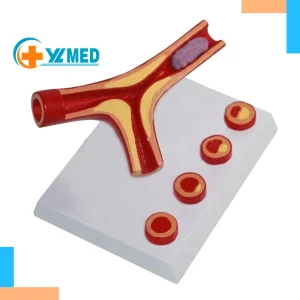
China Medical Science Human Arterial Thrombosis and Sclerosis Teaching Model Atherosclerosis Model Manufacturer, Quotes
View product details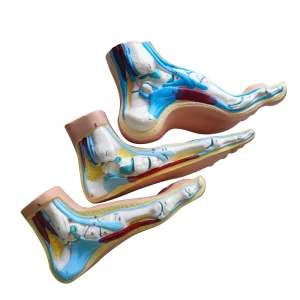
ODM PVC flat foot and arch model foot structure teaching display model for medical science education Factories, Pricelist
View product details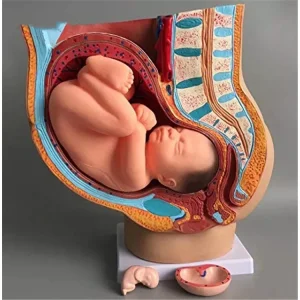
ODM Medical teaching, Female human sagittal anatomical model (4 pieces) Manufacturer, Manufacturers
View product details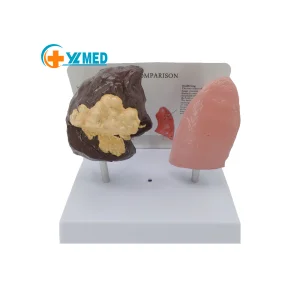
OEM Medical Sciences Anatomical Model Human Body Respiratory System Diseases Human Smoking Lung and Healthy Lung Comparative Model Manufacturers, Factories
View product details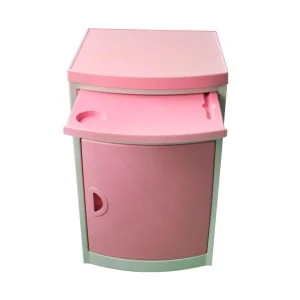
OEM On Sale Hospital Furniture ABS Beside Cabinet Locker Bedside Table With Casters in Stock Manufacturer, Service
View product details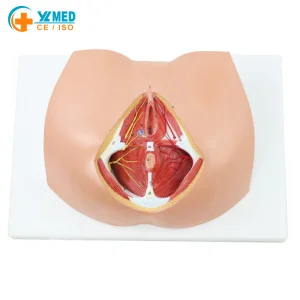
China PVC Female Genital Organ Anatomy Model Medical Science Human Model Gynecological Simulator for Medical School Training Education Factories, Pricelist
View product details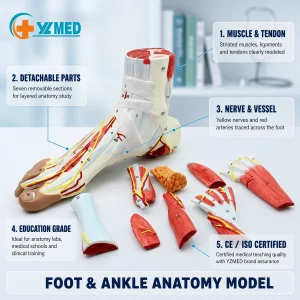
ODM Life Size Human Foot Anatomy Model with Plantar Muscles Neurovascular Bundles Joints Ligaments for Medical Teaching & Study Manufacturer, Quotes
View product details