ODM Full Body Mannequin Male Factory & Pricelist
A procurement-grade sourcing guide for distributors, medical schools, nursing colleges, hospitals and simulation centres comparing custom male full-body mannequins from an ISO 9001 manufacturer since 1958.
Batch 1 of 2: Eight SKUs Buyers Commonly Bundle with Male Full-Body Mannequin Programmes
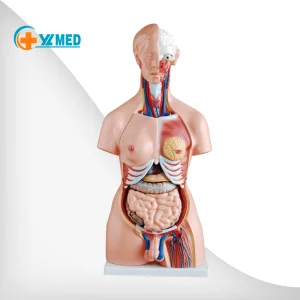
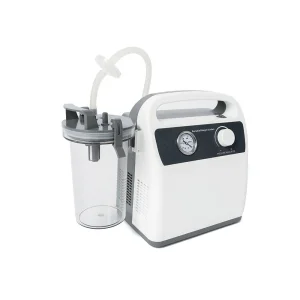
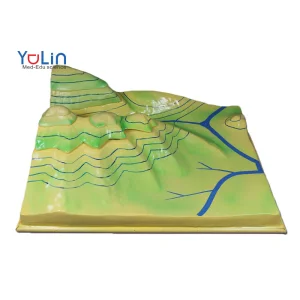
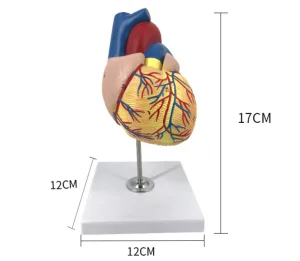
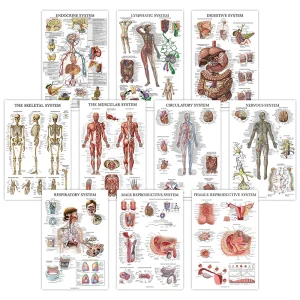
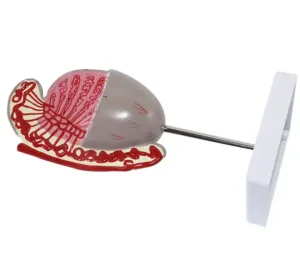
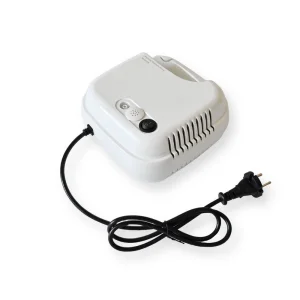
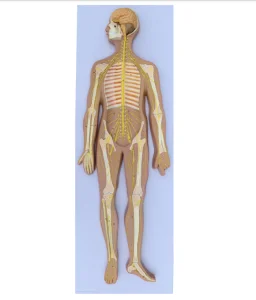
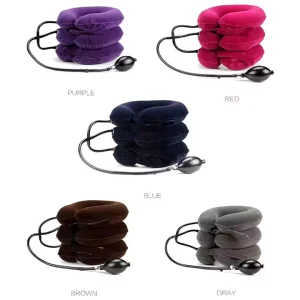
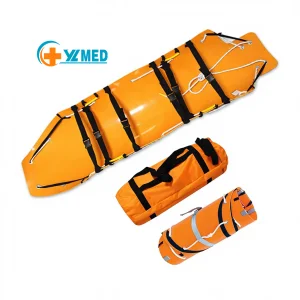
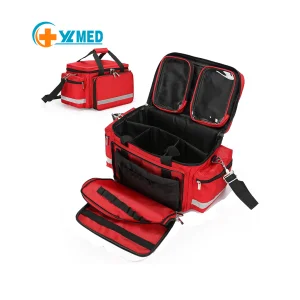
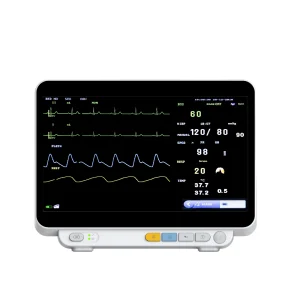
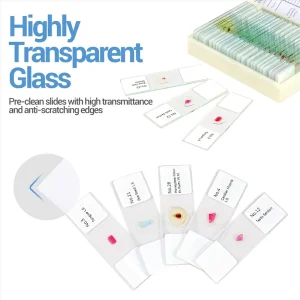
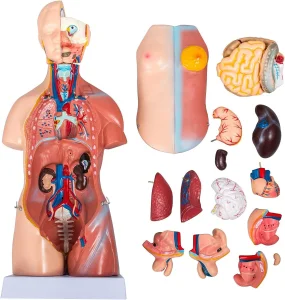
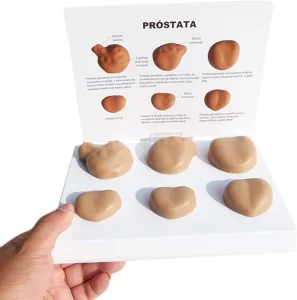
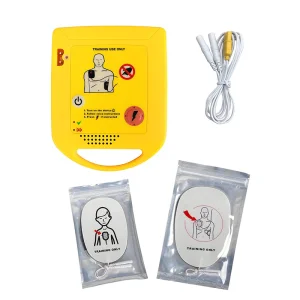
A male full-body mannequin order rarely travels alone. Distributors, teaching hospitals and training centres often consolidate anatomy models, first-aid equipment, diagnostic devices and nursing supplies into one shipment to reduce freight and supplier-management cost. The eight factory SKUs below retain their original product images and links for direct comparison.
Why Male Full-Body Mannequins Have Become a Strategic Simulation Category
Male full-body mannequins are not impulse purchases. They are multi-year training assets that influence curriculum design, accreditation evidence, learner safety and hospital competency programmes.
A male full-body mannequin project sits at the intersection of anatomy education, nursing simulation, emergency care, patient handling and hospital patient education. For distributors, the category carries higher average order value than single-organ models and creates natural attachment sales in consumables, replacement skins, airway parts, carrying cases and private-label accessories. For medical schools and nursing colleges, it reduces the gap between classroom demonstration and supervised clinical practice. For ODM buyers, the real decision is not simply “which mannequin?” but “which manufacturing partner can translate a learning outcome into a repeatable, documented and repairable product?”
The procurement logic is therefore different from commodity buying. A credible ODM factory must demonstrate experience in anatomy modelling, polymer selection, joint design, mould-making, private-label packaging, inspection documentation and export consolidation. The buyer should also verify whether the factory can reproduce the same male reference model across multiple cohorts, campuses or distributor brands without drifting in colour, proportion or articulation range.
- ✓Factory-direct supply across 10 product lines, from anatomy models to hospital furniture.
- ✓Private-label packaging and product presentation that raises resale value for distributors.
- ✓Mixed-category orders consolidated into one shipment with one accountable point of contact.
What Is an ODM Full Body Mannequin Male?
The phrase can describe several product families: a male patient-care simulator, a full-body CPR and ACLS training manikin, a clinical-skills model, or a full-body anatomical mannequin. A serious ODM project starts with the learning outcome, not a catalogue number.
ODM, Not a Catalogue Guess
In ODM manufacturing, the factory contributes design, engineering, moulding know-how and packaging expertise while the buyer contributes market insight, brand positioning and validation. OEM typically follows a buyer’s existing design. Clear scoping prevents hidden tooling, IP and exclusivity costs later.
Male Anatomy and Clinical Context
Height, weight distribution, joint range, skin tone, surface landmarks and modesty requirements should be defined against the curriculum. Not every programme needs the same realism; a nursing college, an EMS academy and a hospital simulation centre may prioritise different functions.
Modular Training Functions
Depending on configuration, a full-body male mannequin may include articulated limbs, removable organ modules, airway management, CPR feedback, wound-care sites, patient handling points and cleaning-friendly surfaces. Modularity is a procurement advantage because it lowers long-term replacement cost.
Materials and Repairability
PVC, silicone, TPE, resin and reinforced joint systems create different trade-offs in realism, durability, cost and repairability. A factory should explain why a material was selected and whether replacement skins, joints and internal components remain available after the initial order.
Private Label and Packaging
Distributors increasingly need branded manuals, multilingual labels, custom cartons, foam inserts and product photography. These details affect shelf appeal, tender acceptance and resale margin, so they should be quoted before sample approval rather than added after production.
Documentation and Quality Evidence
Quality evidence matters to importers and tender committees. Buyers should request inspection records, packing lists, material declarations where applicable, spare-parts lists and project-specific compliance documents. The final regulatory route remains the importer’s responsibility in each market.
Where Demand for Male Full-Body Mannequins Is Growing — and Why
Demand is being pulled by healthcare workforce shortages, simulation accreditation, hospital expansion, curriculum reform and the professionalisation of emergency care. The buying profile differs sharply by region.
North America
Accreditation-linked simulation, high replacement costs and strong preference for documented total cost of ownership. Distributors value predictable lead times, spare-parts availability and clear product data.
Europe
Regulatory scrutiny, multilingual labelling, sustainability procurement and tender documentation. Buyers often compare repairability, packaging waste and material declarations alongside unit price.
Asia-Pacific
New medical universities, nursing colleges, government tenders and private simulation centres. Price-performance is important, but documentation and after-sales support increasingly decide repeat orders.
Middle East & Africa
Hospital construction, new skills laboratories and public-health training. Large buyers often request consolidated tender packages, site-specific labelling and long-term service support.
Latin America
Distributor-led procurement, Spanish and Portuguese documentation, financing sensitivity and demand for fast spare-parts supply. Private-label programmes are common among established importers.
Medical Schools
Anatomy demonstration, physical examination teaching and OSCE-style assessment integration.
Nursing Colleges
Patient care, hygiene, communication, positioning and fundamental clinical-skills practice.
Hospitals
Onboarding, competency assessment, patient-education demonstrations and internal refresher training.
EMS & First Responders
CPR, airway management, trauma scenarios, extrication drills and team-based simulation.
Distributors
Private-label portfolios, hero products, accessory bundles and tender-ready product ranges.
Vocational Schools
Entry-level care skills, health-science courses and workforce retraining programmes.
Public Health Agencies
Community CPR campaigns, maternal and child health training, and emergency preparedness.
Simulation Centres
High-fidelity scenario design, AV integration, faculty training and assessment workflows.
From Classroom Demonstration to Hospital Competency: Four ODM Solution Blueprints
A full-body male mannequin becomes valuable when it fits a repeatable programme. These blueprints help buyers move from a product request to a solution brief that a factory can engineer, document and quote.
Curriculum-Aligned ODM
Map learning outcomes to physical features: landmark accuracy, joint range, airway access, cleaning protocols and assessment checkpoints. The result is a mannequin that supports teaching, not just demonstration.
Hospital Competency
Use a standard male reference model for onboarding, clinical audits and refresher training. Consistency across departments reduces variation in assessment and improves confidence in competency records.
Distributor Assortment
Build a hero mannequin plus accessory and consumable bundle for each market. Private-label packaging, local-language manuals and spare-parts kits increase resale value and customer retention.
Tender-Ready Documentation
Prepare specifications, packing lists, inspection records, warranty terms and spare-parts schedules before tender submission. Documentation failures often cost more time than price negotiation.
Male Full-Body Mannequin Technology Roadmap, 2025–2030
The next competitive advantage in medical simulation will not be “more plastic.” It will be repairability, data readiness, modularity and the ability to connect physical training with measurable learning outcomes.
Material Compliance & Repair
Buyers will ask for clearer material declarations, lower-VOC finishes, cleanable surfaces and documented spare-parts availability. Repairability becomes a tender advantage.
Modular Sensor-Ready Design
Internal channels and mounting points are designed for optional sensors, feedback modules and future upgrades without changing the external anatomy of the mannequin.
AI-Assisted Feedback
Compression depth, rate, ventilation and scenario logs can be converted into instructor dashboards. AI is likely to support scoring and remediation rather than replace faculty judgement.
XR and Remote Simulation
Physical mannequins will increasingly integrate with AR overlays, remote observation and hybrid classroom scenarios, especially for multi-campus institutions and distributor training programmes.
Circular Lifecycle
Longer service life, take-back programmes, replaceable skins and recyclable packaging will move from marketing language to procurement criteria in sustainability-sensitive markets.
Global Industrial Status: What Drives the Factory Pricelist
A pricelist for a male full-body mannequin is not a single number. It is a configuration sheet, a material decision, a tooling decision, a packaging decision and a logistics decision.
China’s medical education equipment supply chain is deep, but not uniform. Factories differ in mould capability, polymer knowledge, anatomy modelling, electronic integration and export documentation. The current market is shaped by raw-material volatility, freight-rate swings, labour-cost changes and increasing buyer scrutiny of certification and after-sales support. The strongest suppliers are not necessarily the cheapest; they are the ones that can keep specifications stable across repeat orders.
For a male full-body mannequin ODM programme, buyers should compare total landed cost rather than unit price alone. Add sampling, tooling, packaging, testing, spare parts, warranty, freight, insurance, import clearance and distributor training. A slightly higher factory quote with better repairability and documentation can be significantly cheaper over a five-year training cycle.
Relative Procurement Consideration
Relative sourcing consideration only; not a price index or delivery guarantee.
Configuration
Height, weight, articulation, removable modules, genital anatomy where relevant, airway, CPR feedback and wound sites all change engineering time and material usage.
Material & Skin
Silicone, PVC, TPE and blended skins differ in realism, tear resistance, colour stability and repairability. The lowest-cost material may not survive daily classroom use.
Embedded Electronics
Sensors, feedback displays, batteries, charging ports and calibration requirements add cost and after-sales complexity. Electronics should be modular and serviceable.
MOQ & Tooling
New moulds and custom packaging require minimum order quantities. Pilot batches reduce risk, while repeat orders typically improve unit economics and lead-time predictability.
Packaging & Brand
Private-label cartons, foam protection, manuals, QR-linked instructions and multilingual labels affect both cost and market acceptance.
Incoterm & Documentation
EXW, FOB, CIF and DDP quotations allocate risk differently. Buyers should request a written scope covering inspection, packing, shipping documents and after-sales responsibilities.
Localised Support, Documentation and Compliance Assurance
An export-ready mannequin is more than a product in a carton. It is a package of labels, documents, spare parts, training materials and service commitments that must work in the destination market.
Documentation Pack
Project-specific documentation may include ISO 9001 evidence, inspection records, packing lists, certificates of origin and technical specifications for tender files.
Labeling & Language
English, Spanish, French, Arabic or other language labels can be planned for cartons, manuals, warning texts and product identification where volume supports it.
Spare Parts & Repair
Replaceable skins, joints, airway components and fasteners should be listed in the quotation. A spare-parts schedule reduces downtime in schools and hospitals.
Export Logistics
Protective foam, moisture control, carton strength and pallet planning matter for full-body mannequins. Consolidated mixed-category shipments can lower freight cost.
Market-Access Support
CE and import documentation support can be discussed where applicable, but the final regulatory route depends on destination-market rules and the importer’s registration status.
A Six-Decade Manufacturer Trusted by Educators and Clinicians
Henan Yulin Edu. Project Co., Ltd. (Yulin Medical) has built educational and medical training equipment in Xinxiang, China, for more than six decades. Our quality management system has been ISO 9001 certified since 2008.
Founded in 1958, Henan Yulin Edu. Project Co., Ltd. has grown into a well-known educational and medical equipment supplier that integrates scientific research, production and sales. With registered capital of RMB 120 million and more than 200 professional employees, we manage product development, manufacturing, inspection and export from our base at No. 8 Daoqing Road, Hongqi District, Xinxiang.
Our motto is simple: quality first, service first. Our goal is to fully satisfy every customer through dependable quality and attentive service, while continuously developing the skills of our team so that each project is handled by experienced people. For buyers, this means one accountable manufacturer for anatomy models, nursing simulators, laboratory slides and hospital equipment — consolidated into a single shipment and backed by an ISO 9001 quality system.



Anatomy Models
Torso, organ, heart, brain and muscle models with numbered structures for lectures and patient education.
View rangeBiology Prepared Slides and Accessories
Histology, botany and zoology prepared slides plus storage and microscope accessories for biology labs.
View rangeDental Tools and Equipment
Dental teaching models, clinic lights, LED whitening units and endodontic instruments for training and practice.
View rangeGeneral Teaching Models
Science demonstration models for primary schools, secondary schools and education equipment tenders.
View rangeHospital Furniture and Equipments
Stainless steel examination couches, stretchers, walkers and shower chairs built for daily clinical use.
View rangeHospital Machine and Tools
Diagnosis and treatment devices and practical tools for wards, clinics and emergency departments.
View rangeMedical Apparatus and Instruments
Emergency splints, extrication devices, cervical traction and rehabilitation instruments.
View rangeMedical Nursing Model
Adult, child and neonatal CPR manikins, ACLS simulators and AED trainers for skills assessment.
View rangeSkeleton Models
Life-size and desktop skeletons, skulls, spines and joint models for osteology teaching.
View rangeSuture Pads and Kits
Realistic skin suture pads and complete instrument kits for surgical and wound-closure practice.
View rangeA Transparent Five-Step Process for Overseas Buyers
From first conversation to delivery, every stage should have a named contact, a written deliverable and clear documentation, so you can plan stock, tenders and training schedules with confidence.
Share Requirements
Send product types, quantities, target market, learner group and any tender or certification needs.
Catalog & Proposal
Receive matched models, specifications, packaging options, MOQ guidance and shipping suggestions.
Sample Evaluation
Test samples with instructors or clinicians before confirming bulk production and private-label details.
Production & QC
Manufacturing and inspection follow our ISO 9001 quality management system, with project-specific checkpoints.
Export & Support
Protective export packing, delivery coordination, spare-parts planning and responsive after-sales service.
Featured CPR, Emergency & Rehabilitation Equipment
This section retains the original featured product selection from Yulin Medical: best-selling simulation manikins, first-aid devices and mobility aids requested by training centres, ambulance services and healthcare distributors.












Why Distributors and Institutions Partner with Yulin Medical
Four strengths overseas buyers consistently cite when they move long-term orders to our factory.
24/7 Responsive Service
Our team is online 24 hours a day, 7 days a week. Whatever your time zone, you receive a detailed answer as quickly as possible — typically within 24 hours.
Design & Packaging Team
In-house specialists deliver professional product design and private-label packaging that strengthens your brand and increases the added value of every unit you sell.
Professional Expertise
Our vision is to provide the most professional educational and medical training products from mainland China, built under ISO 9001 process control and decades of category knowledge.
60+ Years of Supply Stability
A factory with over 60 years of history and a deeply integrated partner supply chain lets us meet one-stop demands and keep lead times predictable on repeat orders.
News & Practical Insights from Our Specialists
Exhibition updates and hands-on guidance written by the team that designs and builds our products.

Do You Really Know How to Observe Biological Prepared Slides?
Many plant and animal cell structures can only be studied under a microscope, which makes prepared biological slides essential in every biology lab. Our specialists explain how to handle, focus and store slides correctly so students see clearer detail and your slide sets last for years.

The 5th Henan Provincial Educational Equipment Expo Concludes Successfully
Themed “Digital Leading Innovation and Development”, the expo reached a record 50,000 m² with 600+ brands and 10,000+ products on display, showcasing the latest educational equipment.

Inside Our Product Showroom
A look at the medical teaching models and training equipment buyers can inspect in person when visiting our Xinxiang facility, including anatomy models, CPR manikins and hospital equipment.
Frequently Asked Questions from Importers
Straight answers to the questions procurement managers ask most before placing a first ODM male full-body mannequin order.
Is Yulin Medical a manufacturer or a trading company?
What quality certification does Yulin Medical hold?
Do you support OEM, private label and custom packaging?
How do I choose the right CPR training manikin?
How quickly will I receive a reply?
What is the minimum order for an ODM male full-body mannequin?
How is the factory pricelist calculated?
Can you supply documents for tenders and import registration?
Need Specifications, a Price List or a Tender Package? We Reply Within 24 Hours.
Tell us your target market, quantities and certification requirements. Our product specialists will recommend suitable models, share detailed specifications and propose the most economical shipping plan for your order.

[email protected] Phone
0086-13503800666 WhatsApp
+86 135 0380 0666
Address
No. 8, Daoqing Road, Industry Park, Hongqi District, Xinxiang, Henan, China
Batch 2 of 2: Eight Additional Factory SKUs from the Original Product List
The final eight factory SKUs complete the 16-item source product set. Their original images and product URLs are preserved for buyers, distributors and tender teams comparing mixed-category shipments.