Eight Export-Ready Product Lines Connected to ODM Dental Model Production
The products below are part of Yulin Medical’s broader educational and medical equipment ecosystem. For an ODM dental model buyer, the commercial value is not only the individual SKU: it is the ability to consolidate dental teaching models, anatomical models, prepared slides, clinic equipment, and hospital furniture into one documented, export-ready program. Each product link below preserves the original product URL.
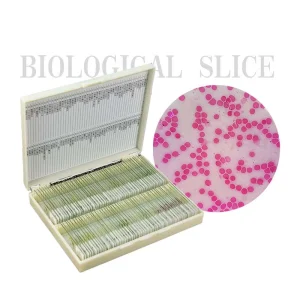
ODM Fixed 100 Items Different Prepared Microscope Histology Slides Set Manufacturer, Pricelist
View Product Details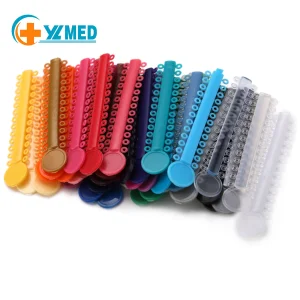
ODM Cross-border dental ligature ring Orthodontic ligature ring rubber band color mixed color transparent ligature ring set of 40 pieces Factory, Pricelist
View Product Details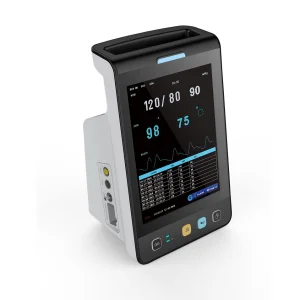
Wholesale 8 Inch Portable Anti-Fibrillation Vital Signs Monitor Professional Medical Device for ICUs Examination Therapy Equipments Factory, Factories
View Product Details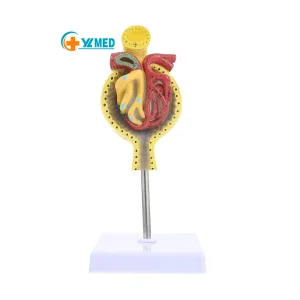
Wholesale Anatomical glomerular model Human kidney model Standing kidney anatomy Three-dimensional human glomerular model Manufacturer, Service
View Product Details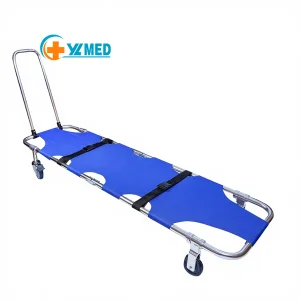
OEM Medical Aluminum 4-Wheel Foldable Stretcher Trolley Drawbar Emergency Portable Bearing 350 lb Capacity for Hospitals Sports Manufacturers, Factory
View Product Details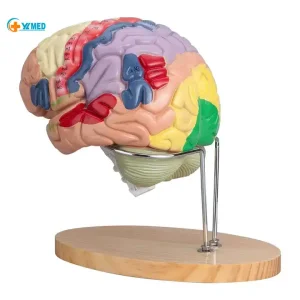
OEM Human Brain Model Anatomy Display Stand Life Size Color Human Brain Anatomical Model for Teaching Science Classroom Study Manufacturers, Quotes
View Product Details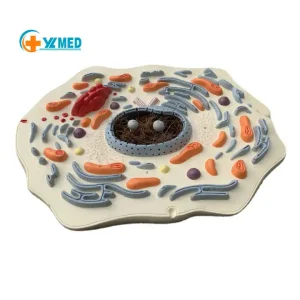
OEM Hot sale teaching models intuitional teaching aid animals cell submicroscopic structure model Manufacturer, Service
View Product Details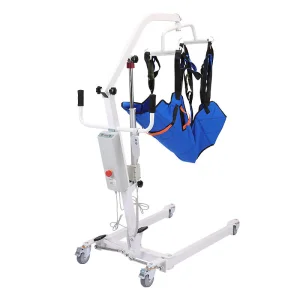
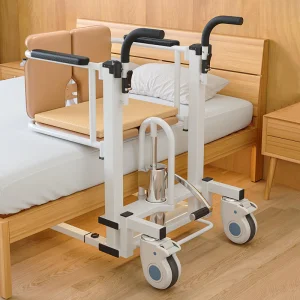
OEM Heavy-Duty Electric Patient Hoist with Front Wheel Brakes&Slow Lift-Reinforced Steel Frame and Adjustable Base for Safe Transfer Pricelist, Quotes
View Product DetailsWhat Global Buyers Really Mean by “ODM Dental Model Factory & Factories”
The phrase “ODM Dental Model Factory & Factories” is a high-intent industrial search, not a simple catalog query. It typically comes from a distributor evaluating private-label typodonts, a dental school planning a simulation laboratory, an orthodontic company requiring branded arch models, an implant training center sourcing bone-analog models, or a tender buyer comparing Chinese manufacturing partners.
In semantic search terms, the query combines three buying concepts: ODM, which implies design participation and private-label development; dental model, which covers typodonts, anatomical dental models, orthodontic models, implant models, restorative models, pediatric oral hygiene models, and custom training units; and factory/factories, which signals a preference for source manufacturing, supplier verification, and factory-direct pricing. A page that only lists products misses most of this intent. Serious buyers need evidence of material selection, anatomical accuracy, tooling capability, packaging localization, quality control, documentation, and consistent reorder performance.
This guide is written from the perspective of a manufacturer that has operated in educational and medical equipment since 1958 and has held ISO 9001 certification since 2008. That experience matters because dental model ODM is not simply “make a model and put a logo on the box.” It is a controlled translation of clinical requirements, teaching outcomes, digital files, material properties, and brand expectations into a repeatable physical product. The strongest factories reduce engineering loops, catch anatomical or dimensional errors before tooling, document material batches, and ship with packaging that can survive international distribution.
Global Dental Model Industry Status: Physical Models in a Digital Workflow
Digital dentistry has changed the role of dental models, but it has not eliminated demand. In education, clinical communication, orthodontic planning, and hands-on training, physical models remain essential because they let learners, clinicians, and patients touch, inspect, and demonstrate procedures in three dimensions.
Across global markets, dental model demand is being shaped by the expansion of dental education, the growth of private clinic chains, the rise of clear-aligner and implant training, and the need for standardized simulation before patient contact. Dental schools increasingly require replaceable teeth, realistic gingiva, compatible handpiece tolerances, and models that align with their curriculum. Distributors require packaging in local languages, barcode-ready cartons, replacement components, and predictable batch consistency. Clinic groups require patient-education models that are easy to clean, visually clear, and branded to their own treatment philosophy.
The commercial result is a wider definition of “dental model factory.” A competitive ODM supplier must think like an education partner, a dental lab, a packaging company, and an export documentation team at the same time. The factory that understands this can create stronger resale programs for distributors and lower total cost of ownership for schools.
Dental Education Expansion
New dental schools, nursing colleges, and vocational training centers need standardized typodonts, replacement teeth, and classroom-ready storage systems.
Digital-to-Physical Validation
CAD/CAM, intraoral scans, and 3D-printed guides still need physical checks for fit, occlusion, demonstration, and consent conversations.
Orthodontic and Aligner Growth
Branded arch models, crowding and spacing demonstrations, and aligner consultation kits support patient conversion and clinical training.
Implant and Surgical Training
Bone-analog, soft-tissue, and layered implant models help clinicians practice drilling, placement, and guided-surgery workflows before live cases.
Patient Communication
Clinics use physical models for before-and-after explanations, treatment consent, oral hygiene coaching, and premium service presentation.
Procurement Consolidation
Distributors prefer fewer suppliers. Dental models, anatomy models, slides, clinic furniture, and emergency equipment can be combined into one shipment.
Why China Remains a High-Efficiency Base for ODM Dental Models
China’s advantage in ODM dental model manufacturing is not simply labor cost. It is a system advantage built from dense clusters of dental laboratories, CAD/CAM service providers, silicone and resin suppliers, injection molding specialists, 3D-printing bureaus, packaging printers, and export logistics companies. This density shortens the distance between an idea, a prototype, a tooling correction, and a production-ready model.
A dental model project often requires a dental anatomy reviewer, a CAD designer, a mold maker, a material technician, a color-matching painter, a QC inspector, and an export packaging specialist. When these capabilities are coordinated in one industrial ecosystem, the buyer benefits from fewer engineering loops, lower tooling risk, more consistent replacement parts, and faster sampling. A low quotation that requires three rounds of rework is rarely the lowest total cost.
Henan Yulin Edu. Project Co., Ltd., known as Yulin Medical, illustrates a practical hybrid model: an own factory in Xinxiang, Henan, with more than 200 professional staff, plus a stable network of long-term partner factories for one-stop orders. That structure helps distributors consolidate dental and orthodontic products with anatomy models, biology slides, hospital furniture, and clinical equipment. The company has been manufacturing since 1958 and has been ISO 9001 certified since 2008, giving overseas buyers a documented quality baseline for repeat orders and tender packages.
Illustrative Buyer-Priority Index for ODM Dental Model Projects
Illustrative index based on common OEM/ODM quotation conversations and export-buyer priorities. It is not a statistical survey and should be adapted to your market, product class, and regulatory context.
From Clinical Brief to Export Carton: A Five-Stage Dental Model ODM Process
A reliable ODM factory turns a vague product request into a controlled manufacturing project. The process below is designed to protect anatomical accuracy, material performance, brand presentation, and delivery timelines.
Clinical Brief
Define learner level, procedure, anatomy, model scale, material, color, text numbering, and target price. Clarify whether the model is for teaching, demonstration, patient consent, or resale.
CAD & Anatomy Review
Review occlusion, root anatomy, gingiva, removable parts, and manufacturability. DFM feedback at this stage prevents expensive tooling corrections later.
Prototype Approval
Produce a sample, photograph it from agreed angles, and confirm material, feel, color, fit, and packaging direction. Document every approved change.
Tooling & Batch Production
Move to molds or repeatable 3D production. Control material batches, painting, assembly, and replacement-part compatibility for long-term reorders.
QC, Packaging & Export
Inspect dimensional consistency, appearance, labels, and carton protection. Supply export documents, barcodes, localized manuals, and after-sales support.
Where Dental Models Create Value in Local Markets
The same model category can serve different buyers in different ways. Localization is not only language on the box; it is the alignment of anatomy, procedure, teaching method, and patient culture with the market where the product will be used.
Dental School Simulation Labs
Replaceable typodont teeth, realistic gingiva, and numbered anatomy support preclinical handpiece training and objective skills assessment.
Orthodontic Consultation
Arch-form models demonstrate crowding, spacing, overbite, and aligner progress in a way that flat images cannot match.
Implant Training Programs
Layered bone and soft-tissue models allow drilling practice, depth control, and guided implant placement before live surgery.
Restorative & Prosthodontic Practice
Preparation, crown-and-bridge, and occlusion models help students and clinicians rehearse restorative procedures with repeatability.
Pediatric & Oral Hygiene Education
Oversized teeth, brushing demonstrations, and friendly visual models improve engagement in schools, clinics, and community programs.
Patient Communication & Consent
Physical models help explain treatment options, risks, and aftercare, supporting clearer consent and higher treatment acceptance.
Distributor Private Label
Custom logo, packaging, manuals, replacement parts, barcodes, and language versions create a resale-ready product line.
Anatomy & Pathology Teaching
Dental anatomy can be combined with brain, kidney, skin, and general teaching models to support broader health science curricula.
Clinic Chain Standardization
Multi-branch groups can train teams across locations with the same model sets, scripts, and patient-education standards.
What Global Enterprises Ask Before Choosing a Dental Model Factory
Different buyers evaluate an ODM factory through different risk lenses. A distributor worries about resale and packaging. A school worries about replacement parts and teaching fit. A clinic group worries about consistency and patient-facing presentation. A tender buyer worries about documentation and compliance.
| Buyer Group | Typical ODM Request | Main Procurement Risk | What a Strong Factory Provides |
|---|---|---|---|
| Dental distributors | Private-label typodonts, orthodontic models, retail-ready kits | Weak packaging, inconsistent color, no replacement parts | Logo and carton design, manual localization, barcodes, batch consistency, spare teeth |
| Dental schools | Classroom sets, replaceable teeth, numbered anatomy models | Breakage, unclear anatomy, poor storage | Stable materials, storage cases, repair parts, curriculum-aligned numbering, sampling |
| Clinic groups | Patient-education models, branded demonstration kits | Hard-to-clean surfaces, weak visual impact | Cleanable materials, premium finish, branded carry cases, treatment-specific models |
| Orthodontic companies | Custom arch models and aligner consultation sets | Dimensional tolerance, color mismatch | CAD review, accurate arch forms, color approval, modular parts, repeatable tooling |
| Implant training centers | Bone-analog and soft-tissue models for hands-on courses | Unrealistic anatomy, poor drill feedback | Layered design, CT-informed anatomy, material options, modular replacement units |
| Government / tender buyers | Bulk teaching models with required specifications | Documentation gaps, shipment delays | ISO 9001 process records, product specifications, packing lists, export documents, consolidated supply |
For complex projects, request a specification sheet, material statement, packaging mock-up, and sample timeline before comparing final prices. A transparent factory will welcome this process because it reduces disputes later.
2025+ Trends Reshaping ODM Dental Model Manufacturing
Dental model factories are moving away from static catalog production toward hybrid digital-physical programs. Buyers should evaluate whether a supplier can support the trend that matters most to their market, rather than investing in technology for its own sake.
Digital-to-Physical Integration
Buyers increasingly supply STL, OBJ, or scan data. Factories must translate digital files into physical models without losing occlusion or anatomical intent.
3D Printing & Modular Design
Modular teeth, replaceable gingiva, and multi-part assemblies reduce replacement cost and allow schools to refresh consumable components.
Material Traceability
Resin, silicone, and polymer choices must be documented for color, durability, and cleaning. Material consistency is a key reorder risk.
Localized Private Label
Packaging, instructions, and product names are increasingly adapted to country-specific language, teaching style, and regulatory context.
Hybrid ODM/OEM Sourcing
Distributors mix custom models with ready-to-sell products. Factories that coordinate both reduce supplier management burden.
Sustainability & Repairability
Schools and distributors value models with replaceable parts, durable storage, and less single-use waste over short product life cycles.
A 5P Due-Diligence Framework for Choosing an ODM Dental Model Factory
Most factory websites say “high quality, competitive price, fast delivery.” That is not enough evidence for an enterprise procurement decision. Use the 5P framework to separate a real manufacturing partner from a catalog intermediary.
Proof
Verify legal entity, factory location, years in operation, ISO status, staff scale, main products, and whether the supplier manufactures in-house or coordinates partner factories.
Process
Ask how DFM feedback, prototype approval, tooling change control, material batch records, and final inspection are documented.
Precision
For dental models, precision includes anatomy, occlusion, removable-part fit, color, surface finish, and consistency between production batches.
Packaging
Private-label packaging should be designed for export protection, local language, barcodes, storage, and resale presentation.
Post-Shipment
Reliable factories support replacement parts, reorder consistency, technical questions, and after-sales coordination after the carton arrives.
Yulin Medical Manufacturing Base at a Glance
Henan Yulin Edu. Project Co., Ltd. has built educational and medical training equipment in Xinxiang, China, since 1958. Its quality management system has been ISO 9001 certified since 2008, and its operating motto is simple: quality first, service first.
With registered capital of RMB 120 million and more than 200 professional employees, Yulin Medical manages product development, manufacturing, inspection, and export from its base at No. 8, Daoqing Road, Industry Park, Hongqi District, Xinxiang, Henan, China. The company serves distributors, medical universities, nursing colleges, hospitals, training centers, and education-equipment buyers across multiple product lines.
For ODM dental model buyers, this broader manufacturing context is commercially useful. Dental models rarely travel alone in a distributor’s container. A single order may also need anatomy models, biology prepared slides, dental sandblasting equipment, hospital furniture, emergency transfer devices, or rehabilitation products. Coordinating these categories through one accountable manufacturer can reduce communication cost, improve packaging consistency, and simplify export documentation. Yulin Medical’s ten product lines and long-term partner-factory network are designed to support this one-stop sourcing model.
Own Factory + Partner Network
Core manufacturing in Xinxiang, Henan, supported by a stable network for mixed-category orders.
ISO 9001 Since 2008
A documented quality baseline for buyers who need consistency, tender support, and repeat-order discipline.
Private-Label Support
In-house design and packaging capability to support distributor branding and local-market presentation.
Global Export Service
Product specifications, packing coordination, shipping suggestions, and responsive export communication.
Contact the export team at [email protected] or call 0086-13503800666 for catalogs, specifications, sample arrangements, or tender documentation. The team is online seven days a week and typically replies within 24 hours.
Frequently Asked Questions About ODM Dental Model Factories
These answers address the questions procurement managers, distributors, and dental educators ask most often before requesting a quotation.
What is an ODM dental model factory?
How does ODM differ from OEM for dental models?
Is Yulin Medical a manufacturer or a trading company?
What quality certification does the factory hold?
Can you support OEM, private label, and custom packaging?
What information is needed to quote a custom dental model?
How do you control quality and material consistency on reorders?
How quickly will we receive a reply?
Eight More Factory Lines from the Original Product Catalog
The second product showcase completes the original catalog set. These categories are often requested alongside dental models in mixed distributor orders, clinic projects, hospital furniture tenders, and elderly-care programs.
Need an ODM dental model quotation or a mixed-category export plan?
Send your target models, quantities, packaging requirements, and destination market for a specification-led response.
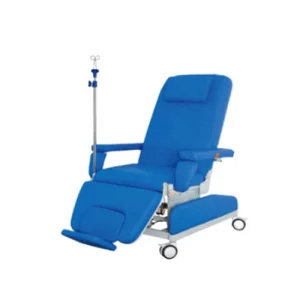
Wholesale Hospital Furniture Multifunctional Adjustable Medical Blood Donation Collection Electric Dialysis Chair Infusion Chair Factory, Service
View Product Details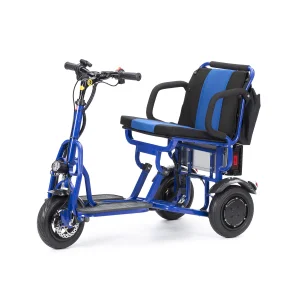
OEM Stacked Foldable 3 Wheels Electric Mobility Scooter for Elderly and Disabled Manufacturers, Service
View Product Details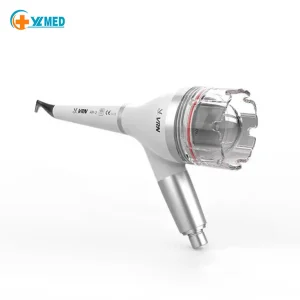
OEM Dental sandblasting gun DP-10 sandblasting tooth cleaning mobile phone does not block sand whitening teeth sandblasting gun Manufacturers, Factories
View Product Details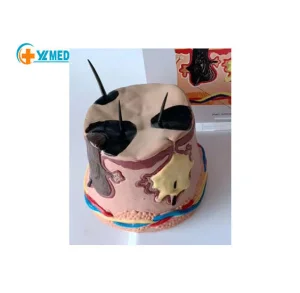
China Human Pathological Round Skin Model Abscess Inflamed Skin Enlarged Hair Growth Process Skin Pouch Construction Model Manufacturers, Pricelist
View Product Details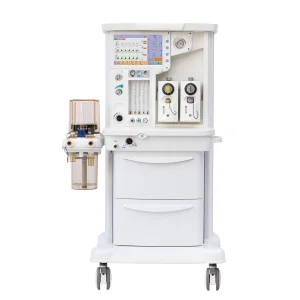
OEM Human Multifunctional Icu Anesthesia Machine General Anesthesia Machine Mobile Anesthesia Trolley Cart Manufacturer, Quotes
View Product Details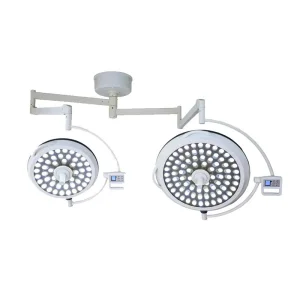
China Hospital with double head LED shadowless lamp Factories, Quotes
View Product Details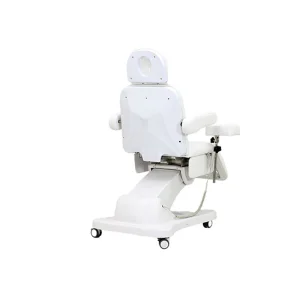
China Best Selling Factory Supply Professional 4 Motor Electric Gynecological Chair Obstetric Examination Medical Operation Bed Manufacturer, Service
View Product Details