











24/7 Responsive Service
Our team is online 24 hours a day, 7 days a week. Whatever your time zone, you receive a detailed answer as quickly as possible — typically within 24 hours.
Factory-direct ODM/OEM production for CPR training manikins, anatomical models, nursing simulators, skeleton models and hospital training equipment. Built in Xinxiang, Henan, China, for distributors, medical universities, hospitals, simulation centres and government training programmes that need documented quality, private-label support and reliable export service.
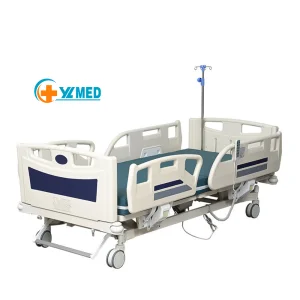
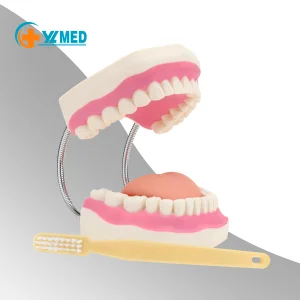
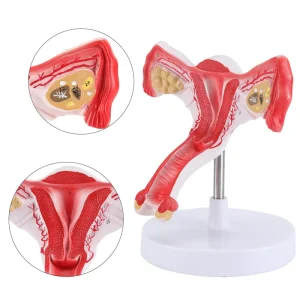
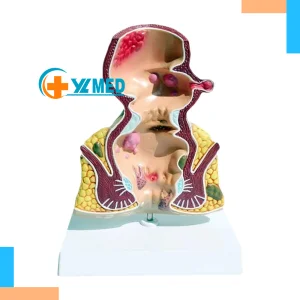
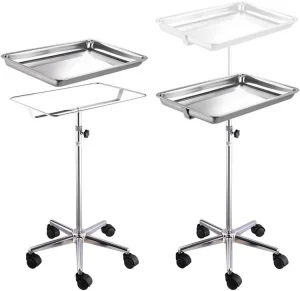
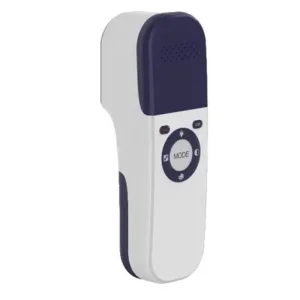
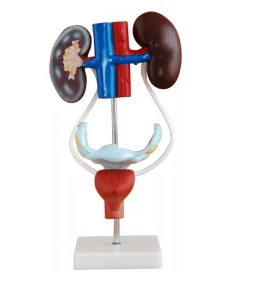
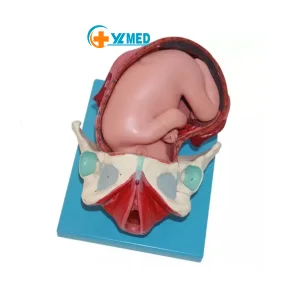
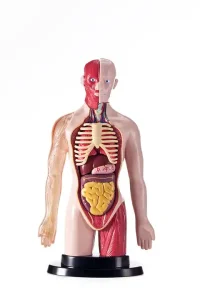
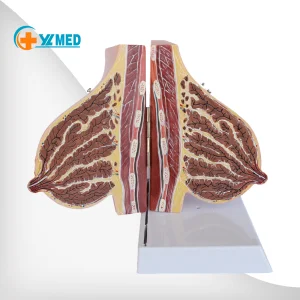
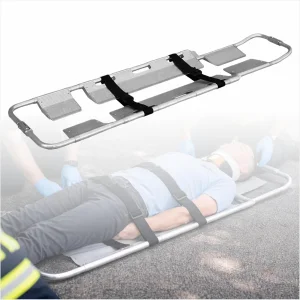
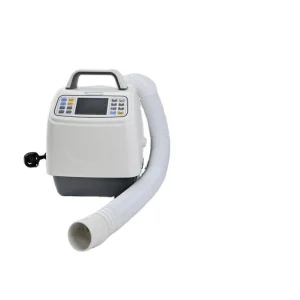
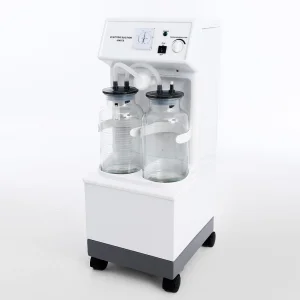
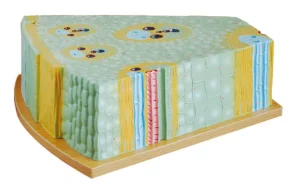
These eight items show the breadth of a single-source medical education and clinical equipment programme. Image, product URL and original product title are retained for buyer verification, distributor catalogue planning and tender comparison.
The search phrase “ODM CPR manikin anatomical model manufacturers & factory” describes a high-intent procurement journey. The buyer is usually a distributor, medical university, hospital group, simulation centre, government tender team or corporate first-aid programme that needs documented manufacturing capability, curriculum-ready product design and reliable export support — not just a unit price.
Henan Yulin Edu. Project Co., Ltd. (Yulin Medical) has built educational and medical training equipment in Xinxiang, China, for more than six decades. Our quality management system has been ISO 9001 certified since 2008, and our operating principle is straightforward: quality first, service first. Every order is produced and inspected so that distributors, medical universities, nursing colleges and hospitals receive consistent, well-documented products on every batch.
For CPR manikins and anatomical models, the purchasing decision is rarely isolated. A distributor may need adult, child and neonatal manikins, AED trainers, airway management accessories, anatomy torsos, skeleton models and replacement consumables in one shipment. A university may need curriculum mapping, durable parts and multilingual labels. A hospital group may need patient-education models that support informed consent and clinical communication. The manufacturer must be able to hold those requirements together without turning the order into a patchwork of suppliers.
This page documents the manufacturing, compliance, localisation and technology questions that a catalogue PDF usually omits. Use it as a due-diligence checklist — not only as a product list. The most competitive quote is the one that still works after freight, customs, training, spare parts and warranty conversations are complete.
What this means for buyers: one accountable manufacturer for anatomy models, nursing simulators, lab slides and hospital equipment — consolidated into a single shipment and backed by an ISO 9001 quality system.
Global demand is moving in two directions at once: more decentralised CPR training, and more centralised quality assurance. That combination changes what an ODM factory must provide. Buyers increasingly ask for product families with consistent feedback calibration, replaceable consumables, documented cleaning protocols, private-label manuals and export-ready packaging.
They need adult, child and neonatal manikins that support standardised resuscitation training across departments, plus durable anatomy models for patient communication. Feedback accuracy, cleaning, spare parts and trainer acceptance matter more than the lowest initial price.
They compare curriculum alignment, durability under repeated skills practice, replacement airway parts, anatomy model detail and the availability of bilingual teaching labels. Procurement committees often ask for sample evaluation before a multi-year supply agreement.
They need ODM support: product selection, private-label cartons, manuals, colour options, MOQ planning and consolidated mixed-category shipments. They also need a factory that can keep documentation consistent across repeat orders.
They prioritise compact training manikins, AED trainer integration, quick-clean surfaces and multilingual labels. For remote sites, packaging robustness and a clear replacement-parts schedule are central to the total cost of ownership.
They require tender documentation, stable model availability, training-the-trainer support and long-term spare parts. In public programmes, the ability to supply the same model over multiple phases often outweighs a one-off discount.
Buyers are not only purchasing objects. They are building systems: a clinical skills lab, a community CPR programme, a hospital patient-education pathway or a distributor portfolio. The right ODM partner helps design the product mix around that system.
Combine CPR manikins, ACLS simulators, airway management trainers, suture pads, anatomy models and hospital furniture into a phased equipment plan. This reduces supplier fragmentation and makes it easier to standardise consumables and replacement parts.
Deploy lightweight adult and child manikins, AED trainers and portable carry bags for pop-up training. Keep feedback simple enough for volunteers and robust enough for repeat sessions in schools, workplaces and public venues.
Anatomical models for breast, uterus, rectum, genitourinary and fetal delivery demonstration help clinicians explain pathology and procedures more clearly. Clear models with numbered structures improve communication and support documentation.
Build a local catalogue with private-label packaging, translated manuals, product photography support, sample evaluation and mixed-container consolidation. The objective is a repeatable portfolio, not a one-time transaction.
Across hospital, university and distributor enquiries, the final decision usually comes down to a weighted comparison rather than a single price line. The percentages below reflect the criteria buyers most often ask us to document during sample evaluation and tender preparation.
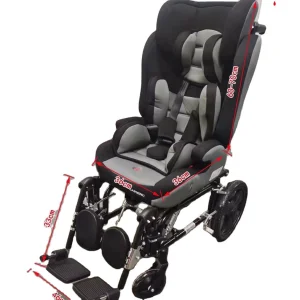
Best-selling simulation manikins, first-aid devices and mobility aids requested by training centres, ambulance services and healthcare distributors. These additional items remain part of the original product showcase so buyers can compare a complete resuscitation and clinical-support portfolio.
The next competitive advantage in CPR manikins will not be a new plastic shell. It will be the quality of feedback, the durability of sensors, the usefulness of training data and the ability to localise content for different markets. The roadmap below reflects the direction of professional simulation procurement and the questions serious ODM buyers are beginning to ask.
Compression depth, rate, recoil and ventilation volume become standard expectations in mid-range manikins. Buyers compare calibration consistency across units and the availability of replacement sensor modules.
One platform supports adult, child, neonatal and airway scenarios through modular parts. This lowers inventory complexity for distributors and improves utilisation for training centres.
Training data moves from device-only screens to class-level dashboards and reporting. Instructors can identify weak performers, document remediation and support accreditation evidence.
AI-assisted feedback helps instructors standardise assessment across large cohorts. The most valuable systems will be transparent, auditable and aligned with current resuscitation guidance rather than replacing instructor judgement.
Durable recyclable materials, AR overlays for anatomy teaching, multilingual digital manuals and region-specific packaging are likely to become mainstream tender requirements.
The global market for CPR training manikins and anatomical models is shaped by four commercial realities: rising training volumes, high product variety, freight sensitivity and market-specific compliance. A factory that understands these realities can protect a distributor’s margin better than a supplier that only quotes FOB price.
Community CPR awareness, hospital accreditation, school health programmes, workplace safety requirements and the expansion of simulation-based education all support demand. Buyers increasingly purchase product families rather than isolated SKUs.
Production is concentrated among manufacturers with mature moulding, assembly and inspection processes. Capacity is less about floor space and more about stable component supply, trained assembly staff and repeatable quality control.
CPR manikins are bulky relative to value. Packaging efficiency, carton strength and mixed-category consolidation directly affect landed cost. Distributors should compare total cost, not ex-works price alone.
ISO 9001 process control is the baseline. Tender buyers often require product-specific documents, labelling review, shelf-life information, spare-parts lists and clear statements about guideline alignment.
International buyers rarely fail because they cannot find a manikin. They fail because documentation, labels, spare parts or after-sales support do not match the expectations of the local distributor, hospital committee or regulator. Localisation is therefore a commercial function, not a translation task.
Our quality management system has been ISO 9001 certified since 2008. Product-specific documentation can be provided on request to support tenders, distributor onboarding and import registration conversations.
Private-label packaging, translated labels, IFU formatting and trainer quick-start guides help distributors present a local product rather than an imported afterthought. Content should be reviewed against local language and regulatory expectations.
We support tender packages with specifications, packing details, spare-parts lists and compliance statements. Market classification and registration remain the buyer’s local responsibility; we help by providing accurate product information.
Protective export packing, carton marking, mixed-category consolidation and container planning reduce damage and landed cost. For bulky manikins, packaging design is part of product design.
Replacement airways, lungs, skins, sensors and small parts should be available after the initial sale. Distributors benefit from clear spare-parts lists and responsive technical answers during training seasons.
CPR manikins can be designed to support training aligned with current AHA, ERC and ILCOR guidance. Buyers should verify the guideline version required in their market and confirm that product claims are stated accurately.
Ten specialised product lines let procurement teams source simulation, laboratory and hospital equipment from one accountable manufacturer instead of managing multiple suppliers. Each category can be supplied as a standalone programme or consolidated with CPR manikins, anatomy models and hospital furniture.
Torso, organ, heart, brain and muscle models with numbered structures for lectures and patient education.
View rangeHistology, botany and zoology prepared slides plus storage and microscope accessories for biology labs.
View rangeDental teaching models, clinic lights, LED whitening units and endodontic instruments for training and practice.
View rangeScience demonstration models for primary schools, secondary schools and education equipment tenders.
View rangeStainless steel examination couches, stretchers, walkers and shower chairs built for daily clinical use.
View rangeDiagnosis and treatment devices and practical tools for wards, clinics and emergency departments.
View rangeEmergency splints, extrication devices, cervical traction and rehabilitation instruments.
View rangeAdult, child and neonatal CPR manikins, ACLS simulators and AED trainers for skills assessment.
View rangeLife-size and desktop skeletons, skulls, spines and joint models for osteology teaching.
View rangeRealistic skin suture pads and complete instrument kits for surgical and wound-closure practice.
View rangeFounded in 1958, Henan Yulin Edu. Project Co., Ltd. has grown into a well-known educational and medical equipment supplier that integrates scientific research, production and sales. With registered capital of RMB 120 million and more than 200 professional employees, we manage product development, manufacturing, inspection and export from our base at No. 8 Daoqing Road, Hongqi District, Xinxiang, Henan, China.
Our goal is to fully satisfy every customer through dependable quality and attentive service, while continuously developing the skills of our team so that each project is handled by experienced people. The motto remains quality first, service first — a practical standard that applies to CPR manikins, anatomical models, laboratory slides and hospital furniture alike.



Four strengths overseas buyers consistently cite when they move long-term orders to our factory.
Our team is online 24 hours a day, 7 days a week. Whatever your time zone, you receive a detailed answer as quickly as possible — typically within 24 hours.
In-house specialists deliver professional product design and private-label packaging that strengthens your brand and increases the added value of every unit you sell.
Our vision is to provide the most professional educational and medical training products from mainland China, built under ISO 9001 process control and decades of category knowledge.
A factory with over 60 years of history and a deeply integrated partner supply chain lets us meet one-stop demands and keep lead times predictable on repeat orders.
From first conversation to delivery, every stage has a named contact and clear documentation, so you can plan stock, tenders and training schedules with confidence.
Send product types, quantities, target market and any tender or certification needs.
Receive matched models, specifications, packaging options and shipping suggestions.
Test samples with your instructors or clinicians before confirming bulk production.
Manufacturing and inspection follow our ISO 9001 quality management system.
Protective export packing, delivery coordination and responsive after-sales service.
Exhibition updates and hands-on guidance written by the team that designs and builds our products.

Many plant and animal cell structures can only be studied under a microscope, which makes prepared biological slides essential in every biology lab. Yet many users never get the full value from them. Our specialists explain how to handle, focus and store slides correctly so students see clearer detail and your slide sets last for years.

Themed “Digital Leading Innovation and Development”, the expo reached a record 50,000 m² with 600+ brands and 10,000+ products on display, showcasing the latest educational equipment.

A look at the medical teaching models and training equipment buyers can inspect in person when visiting our Xinxiang facility.
Straight answers to the questions procurement managers ask most before placing a first order.
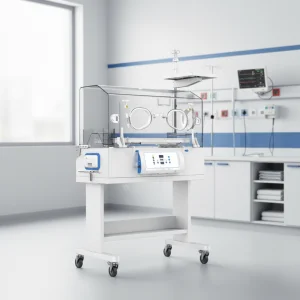
The second group of eight original products completes the factory display. Each image and product URL is retained so buyers can review the full range alongside CPR manikins, anatomical models and hospital training equipment.
Tell us your target market, quantities and certification requirements. Our product specialists will recommend suitable models, share detailed specifications and propose the most economical shipping plan for your order.