8 Factory-Direct Products for ODM CPR Doll Tutorial and Medical Training Programmes
Below the banner, buyers can inspect eight representative products from the Yulin Medical range. Each card preserves the original product image and product URL, and every product link is presented as a clear button for faster review on desktop and mobile.
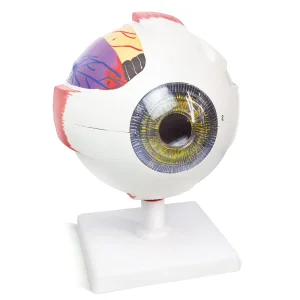
China 6X Enlarged Human Eye Anatomical Model, 6 Parts Eyeball Anatomical Model Showing Optic Nerve Cornea Iris Lens and Vitreous Body with Detachable Stand for Medical Classroom Teaching Research Manufacturer, Pricelist
View Product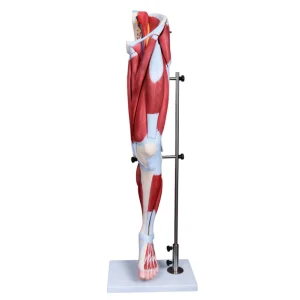
China High Quality Medical Science Human anatomy Lower limb muscle anatomical model Detachable lower limb muscle anatomical model Factories, Pricelist
View Product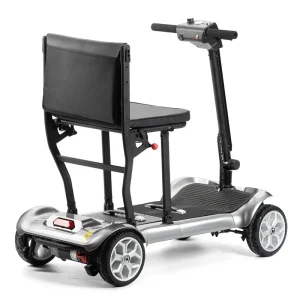
Wholesale Portable Brushless 270W Motor High Power Electric Mobility Scooter Ultra Light for Seniors Disabled Pricelist, Service
View Product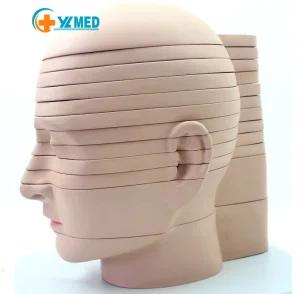
China Medical Science PVC Head Section Model Human Brain Sectional Anatomy Model CTMRI Medical Model for Medical Education Manufacturer, Factories
View Product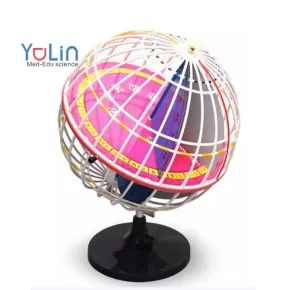
Wholesale Geography Teaching Aids Rotating 360 Globe Educational Products for Kids Globe Earth World Globe Longitude and Latitude Model Manufacturer, Factory
View Product
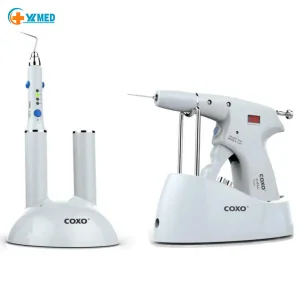
ODM Gum tip filling instrument dental clinic fused tooth filling system Gum tip cutter Gum tip filling device Factory, Service
View Product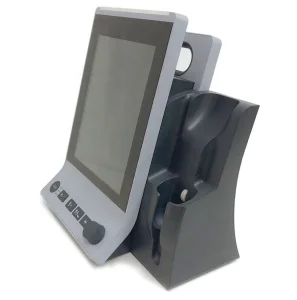
China Hot Selling Hospital Equipment Clinic for Hospital Monitoring Equipments Manufacturer, Quotes
View ProductWhat an ODM CPR Doll Tutorial Really Includes
The phrase “ODM CPR doll tutorial manufacturers and factories” is used by two very different buyers: distributors that want a private-label training kit, and institutions that need a complete teaching package. A CPR doll alone does not create competence. The tutorial layer does.
Feedback Fidelity
Leading factories no longer quote a manikin as a standalone item. They configure a system that includes adult, child or neonatal manikins, compression and ventilation feedback, disposable airways and lungs, sanitisation guidance, scenario cards, assessment rubrics, multilingual manuals, QR-linked videos and replacement-part planning.
ODM Is More Than Assembly
In an ODM project, the manufacturer contributes proven product architecture, tutorial content, packaging design and production discipline, while the buyer contributes market positioning, regulatory review and sales-channel feedback. The result is a branded CPR doll tutorial programme that can be taught consistently across classrooms, ambulance stations and hospital skills labs.
Documentation-First Sourcing
For procurement teams, the key question is not simply “What is the unit price?” but “What evidence proves that this training system changes learner performance and survives daily use?” Ask for compression depth and rate tolerances, ventilation sensing method, airway replacement instructions, cleaning protocols, material safety data and a list of consumables with expected replacement intervals.
What distributors gain from an ODM tutorial
A distributor can move beyond commodity resale by offering a branded curriculum package: presentation files for sales teams, a trainer checklist, QR-linked videos, private-label manuals and packaging that tells a coherent story. This increases perceived value and reduces the risk that the buyer compares the manikin only on price. For tender markets, the same documentation can support bid readiness, after-sales planning and instructor onboarding.
What institutions should verify before ordering
Medical schools, nursing colleges, EMS academies and hospitals should verify alignment with their local resuscitation curriculum, test compression depth and rate feedback with actual instructors, confirm that consumables are easy to source, and check whether the supplier can provide spare parts and training content in the required language. Training aids should be clearly distinguished from regulated medical devices, and all claims should be supported by current product documentation.
Global Procurement Demand for CPR Doll Tutorial Programmes
Search intent is not uniform. A distributor searches for margin and private label, a university searches for curriculum fit, and a hospital searches for in-service reliability. Understanding those intents helps buyers structure better RFQs and helps factories build more useful ODM proposals.
Distributors & Importers
They need stable margins, private-label packaging, mixed-category consolidation and a product story that sales teams can repeat. Their RFQs often include MOQ, carton dimensions, barcode requirements, spare-parts kits and local-language manuals.
Medical & Nursing Schools
They compare feedback fidelity, durability, hygiene procedures and assessment value. A CPR doll tutorial must fit existing course hours, instructor workflows and examination standards, not just a catalogue photo.
EMS, Fire & Rescue
Pre-hospital teams need realistic scenarios, portable training kits and equipment that can withstand frequent use. They value scenario cards, AED trainer integration and replacement consumables that can be ordered without long delays.
Hospitals & Workplace First Aid
Hospitals, clinics and corporate safety teams purchase for in-service refreshers, onboarding and community programmes. They need simple cleaning, clear documentation, compact storage and predictable lifecycle costs.
Across all four groups, the winning supplier is not the one with the lowest headline price. It is the one that can prove consistent quality, supply continuity, tutorial localisation and after-sales responsiveness. That is why serious buyers ask for factory documents, sample evaluation steps and a named contact before they place a repeat order.
CPR Doll Tutorial Industry Trends Buyers Should Plan For
Between 2025 and 2030, CPR training products will be judged less as isolated manikins and more as measurable training ecosystems. The most useful ODM conversations now begin with learning outcomes and lifecycle cost.
Data-Driven Feedback
Compression depth, rate, recoil and ventilation feedback are becoming expected features rather than premium add-ons. Buyers now ask whether feedback can be used for debriefing, skills assessment and instructor calibration.
Hybrid Learning
QR-linked videos, multilingual digital manuals and short blended-learning modules reduce instructor workload. ODM buyers increasingly request content assets that can be customised for their own LMS, branding and course structure.
Modularity & Repair
Institutions prefer manikins with replaceable airways, lungs, face skins and electronics. Modular construction lowers downtime, supports local servicing and reduces the total cost of ownership over a multi-year training contract.
Compliance & Traceability
Document control, batch traceability, material declarations and clear claims are becoming procurement requirements. Suppliers must be precise about what a training aid is designed to do and what must be verified locally by the buyer.
From product catalogue to curriculum support
Institutions increasingly ask for lesson plans, scenario scripts, debriefing questions and instructor notes. A factory that can supply these elements in editable formats creates meaningful information gain and reduces the time needed to launch a course. For distributors, that same content becomes a defensible service layer that differentiates them from competitors selling generic manikins.
From one-off purchase to lifecycle partnership
Repeat training requires consumables, replacement parts, cleaning supplies and annual calibration checks. ODM buyers should ask for a lifecycle schedule: how many ventilations a lung can withstand, how to order spare face skins, how to store the manikin between courses and how to train local technicians. These details matter more than a single headline specification, especially in tender environments where uptime is part of the promise.
China Factory 4.0: Supply-Chain Resilience and Efficiency
For global buyers, China’s medical education manufacturing base remains relevant because it combines category depth, supplier density and rapid product iteration. The strongest factories are not simply low-cost workshops; they are coordinated supply-chain hubs with digital planning, documented quality systems and export discipline.
Digital Production Planning
Factory 4.0 does not mean every process is fully automated. It means orders, materials, moulds, inspection points and packing lists are coordinated through digital workflows. For buyers, the practical benefit is predictable lead time and fewer surprises when a mixed-category order combines manikins, anatomy models and hospital equipment.
ISO 9001 Quality Discipline
Henan Yulin Edu. Project Co., Ltd. has operated an ISO 9001-certified quality management system since 2008. The system supports process control, inspection records and consistent documentation for distributors, medical universities, nursing colleges and hospitals that need audit-ready files.
Vertical Category Integration
Yulin Medical manages ten specialised product lines, from anatomy models and CPR manikins to dental tools, hospital furniture and biology prepared slides. That breadth lets procurement teams consolidate suppliers, reduce communication friction and ship mixed orders with one point of contact.
Export-Ready Packaging
Resilient supply also means protective export packing, barcode-ready cartons, private-label presentation and documentation that matches tender or import requirements. These details reduce damage claims and help distributors move products quickly into local warehouses and training centres.
Supply-chain resilience is not only about factory capacity. It is about the ability to substitute materials when necessary, keep long-term partner factories aligned, protect quality during peak seasons and communicate honestly when a lead time changes. Buyers should therefore evaluate a factory’s planning process, not only its product catalogue. A well-run ODM partner will explain which components are made in-house, which are sourced from stable partners, and how inspection is documented before shipment.
Global Business and Industrial Landscape: A Buyer’s 2025–2030 View
Procurement teams are balancing cost, compliance, lead time and training quality at the same time. The following buyer-priority index is an editorial planning aid, not a market forecast; it summarises the factors that repeatedly appear in serious ODM CPR doll tutorial requests.
Tariffs, freight and currency are now normal planning variables
Importers increasingly ask for alternatives in packaging, shipment consolidation and order phasing. A factory that can support mixed-category consolidation and flexible carton planning helps the buyer reduce landed cost without sacrificing training quality. This is especially important for distributors that stock multiple product lines and need one shipment to serve several customer segments.
Localisation is becoming a competitive requirement
Language is only one part of localisation. Buyers also need content that reflects local course duration, instructor ratios, assessment style and learner age groups. A CPR doll tutorial that works for a university may need adaptation for corporate first-aid training or community volunteer programmes. ODM factories should therefore offer editable content templates, not only fixed manuals.
The most resilient sourcing strategy is not to chase the lowest quotation for every order. It is to build a relationship with a manufacturer that can document quality, explain trade-offs, support localisation and provide a clear after-sales path. That approach protects both the distributor’s brand and the institution’s training outcomes.
Localized Application Scenarios for CPR Doll Tutorial Programmes
A single manikin platform can serve multiple markets when the tutorial content and accessory kit are configured correctly. These are the application scenarios most frequently requested by Yulin Medical’s global buyers.
Medical University Skills Labs
Feedback-rich manikins support objective assessment of compression depth, rate, recoil and ventilation. Tutorial cards can be aligned with semester schedules, OSCE stations and instructor calibration sessions.
Nursing College Practical Exams
Repeatable setup, hygiene procedures and clear consumable replacement help colleges run large cohorts without excessive downtime. Private-label manuals and QR videos reduce the burden on part-time instructors.
EMS and Ambulance Training
Portable kits, scenario scripts and AED trainer integration allow teams to practise in stations, garages or field classrooms. Durable construction and easy cleaning are critical in pre-hospital environments.
Hospital In-Service Refreshers
Hospitals use CPR doll tutorials for annual competency checks, onboarding and ward-based refresher sessions. Compact storage, quick cleaning and spare-parts availability matter more than elaborate features.
Corporate First-Aid Programmes
Factories, offices and public venues need simple, durable training tools for volunteer first-aiders. ODM buyers can package a compact tutorial kit with branded carry bags, quick-reference cards and refresher reminders.
Community and NGO Training
Community programmes often require low-maintenance kits, local-language materials and predictable consumable costs. A well-designed tutorial package helps NGOs train more instructors with limited budgets.
Why Yulin Medical Is a Reliable ODM CPR Doll Tutorial Partner
Henan Yulin Edu. Project Co., Ltd. — trading as Yulin Medical — has built educational and medical training equipment in Xinxiang, China, since 1958. The quality management system has been ISO 9001 certified since 2008, and the company’s operating principle is simple: quality first, service first.

Henan Yulin Edu. Project Co., Ltd.
No. 8, Daoqing Road, Industry Park, Hongqi District, Xinxiang, Henan, China. ISO 9001 certified since 2008. More than 200 professional staff. Registered capital RMB 120 million.
A six-decade manufacturer trusted by educators and clinicians
Founded in 1958, Yulin Medical has grown into a well-known educational and medical equipment supplier that integrates scientific research, production and sales. With registered capital of RMB 120 million and more than 200 professional employees, the company manages product development, manufacturing, inspection and export from its Xinxiang base. Its goal is to fully satisfy every customer through dependable quality and attentive service while continuously developing the skills of its team.
One accountable manufacturer for mixed-category orders
Factory-direct supply across ten product lines — from anatomy models to hospital furniture — allows procurement teams to source simulation, laboratory and clinical equipment from one accountable manufacturer instead of managing multiple suppliers. Private-label packaging and product design raise resale value, while mixed-category orders can be consolidated into one shipment with one point of contact.






24/7 Responsive Service
Our team is online 24 hours a day, 7 days a week. Whatever your time zone, you receive a detailed answer as quickly as possible — typically within 24 hours.
Design & Packaging Team
In-house specialists deliver professional product design and private-label packaging that strengthens your brand and increases the added value of every unit you sell.
Professional Expertise
Our vision is to provide the most professional educational and medical training products from mainland China, built under ISO 9001 process control and decades of category knowledge.
60+ Years of Supply Stability
A factory with more than 60 years of history and a deeply integrated partner supply chain lets us meet one-stop demands and keep lead times predictable on repeat orders.





Complete Product Categories for One-Stop Sourcing
Ten specialised product lines let procurement teams source simulation, laboratory and hospital equipment from one accountable manufacturer instead of managing multiple suppliers.
Anatomy Models
Torso, organ, heart, brain and muscle models with numbered structures for lectures and patient education.
View range 02Biology Prepared Slides and Accessories
Histology, botany and zoology prepared slides plus storage and microscope accessories for biology labs.
View range 03Dental Tools and Equipment
Dental teaching models, clinic lights, LED whitening units and endodontic instruments for training and practice.
View range 04General Teaching Models
Science demonstration models for primary schools, secondary schools and education equipment tenders.
View range 05Hospital Furniture and Equipments
Stainless steel examination couches, stretchers, walkers and shower chairs built for daily clinical use.
View range 06Hospital Machine and Tools
Diagnosis and treatment devices and practical tools for wards, clinics and emergency departments.
View range 07Medical Apparatus and Instruments
Emergency splints, extrication devices, cervical traction and rehabilitation instruments.
View range 08Medical Nursing Model
Adult, child and neonatal CPR manikins, ACLS simulators and AED trainers for skills assessment.
View range 09Skeleton Models
Life-size and desktop skeletons, skulls, spines and joint models for osteology teaching.
View range 10Suture Pads and Kits
Realistic skin suture pads and complete instrument kits for surgical and wound-closure practice.
View rangeFeatured CPR, Emergency & Rehabilitation Equipment
Best-selling simulation manikins, first-aid devices and mobility aids requested by training centres, ambulance services and healthcare distributors.












News & Practical Insights from the Yulin Medical Team
Exhibition updates and hands-on guidance written by the team that designs, builds and exports medical teaching products.

Do You Really Know How to Observe Biological Prepared Slides?
Many plant and animal cell structures can only be studied under a microscope, which makes prepared biological slides essential in every biology lab. Yet many users never get the full value from them. Our specialists explain how to handle, focus and store slides correctly so students see clearer detail and your slide sets last for years.
Read more buyer guides
The 5th Henan Provincial Educational Equipment Expo Concludes Successfully
Themed “Digital Leading Innovation and Development”, the expo reached a record 50,000 m² with 600+ brands and 10,000+ products on display, showcasing the latest educational equipment.

Inside Our Product Showroom
A look at the medical teaching models and training equipment buyers can inspect in person when visiting our Xinxiang facility.
Read more buyer guides
Sourcing tips, product comparisons and industry news for medical education distributors.
Visit Hot BlogA Transparent 5-Step Process for Overseas Buyers
From first conversation to delivery, every stage has a named contact and clear documentation so you can plan stock, tenders and training schedules with confidence.
Share Requirements
Send product types, quantities, target market and any tender or certification needs.
Catalog & Proposal
Receive matched models, specifications, packaging options and shipping suggestions.
Sample Evaluation
Test samples with your instructors or clinicians before confirming bulk production.
Production & QC
Manufacturing and inspection follow our ISO 9001 quality management system.
Export & Support
Protective export packing, delivery coordination and responsive after-sales service.

Need Specifications, a Price List or a Tender Package? We Reply Within 24 Hours.
Tell us your target market, quantities and certification requirements. Our product specialists will recommend suitable models, share detailed specifications and propose the most economical shipping plan for your order. For ODM CPR doll tutorial projects, please include learner group, language requirements, packaging direction and preferred feedback features.
Direct Channels
Address: No. 8, Daoqing Road, Industry Park, Hongqi District, Xinxiang, Henan, China.
ODM CPR Doll Tutorial Buyer FAQ
Straight answers to the questions procurement managers ask most before placing a first order or developing a private-label training programme.
Is Yulin Medical a manufacturer or a trading company?
What quality certification does Yulin Medical hold?
Do you support OEM, private label and custom packaging?
How do I choose the right CPR training manikin?
How quickly will I receive a reply?
What should an ODM CPR doll tutorial include beyond the manikin?
Can you support multilingual manuals and QR-linked tutorials?
What is the MOQ and lead time?
How do you control quality and traceability?
Can you consolidate mixed categories into one shipment?
Are CPR dolls medical devices?
8 More Factory-Direct Products for Medical Training, Emergency Care & Rehabilitation
The bottom showcase preserves eight additional original products and URLs from the supplied catalogue, giving buyers a broader view of Yulin Medical’s factory-direct range.
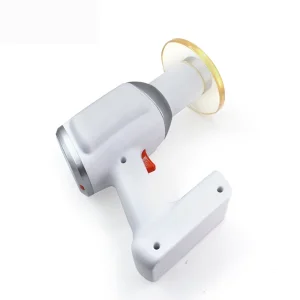
OEM New Packaging Medical Equipment Xray Dental Dental Imaging Portable X-ray Dental Xray Camera Machine Manufacturer, Quotes
View Product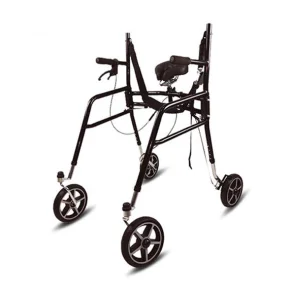
Wholesale Lightweight Adult Walker Height Adjustable Deluxe Walker Rollator Anodized Aluminum Durable Walker for Disabled Manufacturer, Quotes
View Product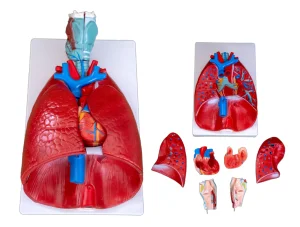
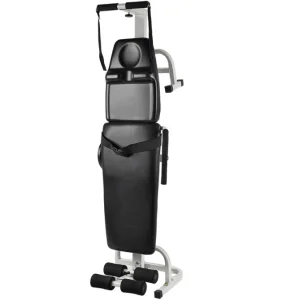
OEM Medical Physiotherapy Electric Adjustable Plastic Muscle Relex Shoulders Lumbar Spinal Traction Bed for Hospital Use Factory, Pricelist
View Product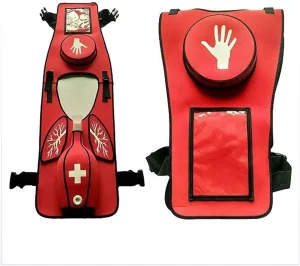
OEM Adult Anti Choking Obstruction Heimlich Wearable Vest for First Aid Training Manufacturers, Quotes
View Product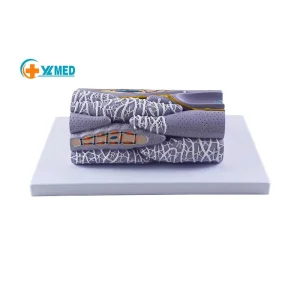
OEM Human Anatomy Human Smooth Muscle Model Medical Teaching Tools Toys Educational Training Auxiliary Anatomy Biology Manufacturer, Quotes
View Product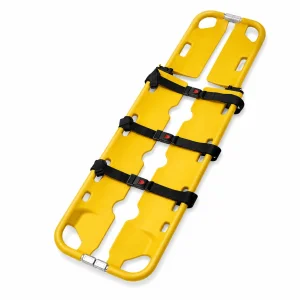
Wholesale Rescue Scoop Stretcher, Emergency Stretcher with 3 Safety Straps Manufacturer, Manufacturers
View Product