Eight Factory-Linked Products Below the Banner
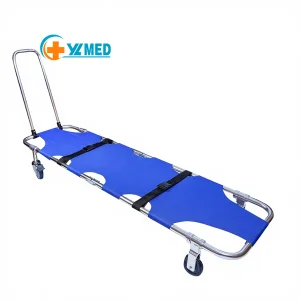
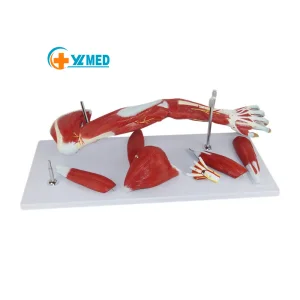
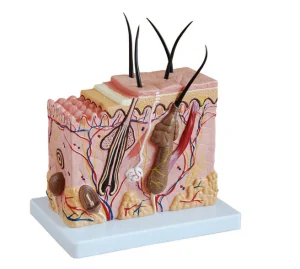
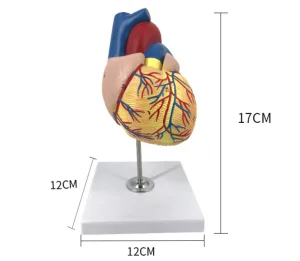
These eight original products show the manufacturer’s broader OEM/ODM product ecosystem. Every image and product URL is retained, and each product link is styled as a clear, mobile-friendly button.
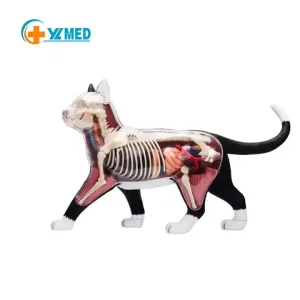
OEM Anatomical cat anatomy model for medical learning with prompt delivery medical science cat anatomy model for kids learning Factory, Quotes
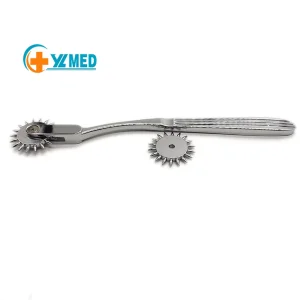
China Advanced acupuncture roller percussion hammer physical gear nerve hammer pain button massage hammer Factory, Factories
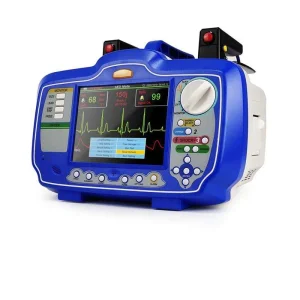
Wholesale High Quality Hospital Heart Pacemaker Portable Emergency Defibrillation Apparatus for ICU Manufacturer, Factories
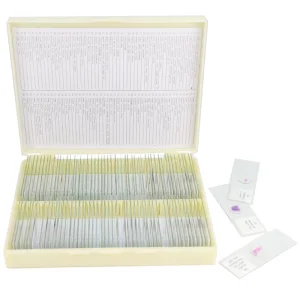
ODM 50pcs Biology Microbiology Prepared Slides set for Teaching Resources and Education Equipment Factory, Factories
The Timer Is a Quality-Control Interface, Not a Decorative Dial
The search phrase “ODM Centrifuge With Timer Factories & Service” usually hides three buyer intents: finding a private-label manufacturer, confirming timer reliability and safety, and securing after-sales support. This guide addresses all three.
In laboratory centrifugation, the timer directly influences protocol reproducibility, sample integrity and operator safety. A centrifuge may display the expected speed, but if the timer starts before the rotor reaches set speed, or if braking behaviour is not reflected in the protocol, actual centrifugal exposure changes. For clinical, veterinary, academic and industrial laboratories, that difference can affect separation quality, repeatability and audit readiness. An ODM program therefore must treat the timer as part of the complete electromechanical and documentation system—not as a purchased component added at the end.
Henan Yulin Edu. Project Co., Ltd. (Yulin Medical) was founded in 1958 and has operated an ISO 9001-certified quality management system since 2008. The company works from Xinxiang, Henan, China, with more than 200 professional staff, registered capital of RMB 120 million and a portfolio spanning ten product lines, from anatomy models and nursing simulators to laboratory equipment and hospital furniture. Its stated operating principle is “quality first, service first.” For centrifuge buyers, the practical value is a factory culture that understands mixed-category sourcing, private-label packaging, inspection records and export coordination.
This article offers information gain beyond a product listing: a purchasing framework for timer-controlled ODM centrifuges, a global commercial view, local application scenarios, a technology roadmap, a macro solution model and a factory-to-market service workflow. The original product URLs and images from the page are preserved in the product shelves above and at the bottom, while the surrounding content is rewritten for semantic search, buyer intent and E-E-A-T depth.
What “ODM Centrifuge With Timer” Means in a Factory Context
ODM is not a label placed on an existing box. It is a shared engineering process that covers the user interface, motor and rotor matching, safety logic, documentation, packaging and service parts.
Timer Architecture
A laboratory timer may support countdown, continuous operation, short spin and pulse modes. For ODM projects, the buyer should define timer range, display language, memory presets, end-of-run alarm, automatic lid release logic and whether the timer counts acceleration and deceleration. A precise timer is especially important when protocols are compared across sites.
Rotor & Speed Matching
RPM alone does not describe separation intensity. Buyers should confirm relative centrifugal force, often calculated from rotor radius and speed: RCF = 1.118 × r × (RPM/1000)². The ODM specification should state compatible rotors, tube capacity, maximum RCF, balancing rules and the timer profile used for validation.
Safety Interlocks
A timer program must never override lid interlock, imbalance detection or over-speed protection. The control board, motor driver, lid sensor and brake system should be designed as independent safety layers. For regulated laboratories, documented risk review and inspection records matter as much as the visible digital display.
Private-label scope usually includes: housing colour and finish, control-panel graphics, brand logo, language settings, packaging artwork, user manual, quick-start guide, spare-parts kit and after-sales contact card. OEM scope may begin with a buyer’s existing industrial design. A mature ODM factory should clarify which elements are standard, which are configurable and which require tooling or firmware changes.
Global Commercial and Industrial Status of Timer-Controlled Centrifuges
Demand is no longer concentrated only in large hospital laboratories. Veterinary clinics, food and beverage QC laboratories, environmental testing units, university teaching labs and cosmetic manufacturers are all active buyers.
Replacement & Upgrade Cycles
Mature markets increasingly replace older mechanical-timer units with digital controls that are easier to validate, train and service. Distributors prefer platforms that reduce spare-parts complexity while offering a clear step-up from basic models.
Private-Label Demand
Importers want a product that looks and documents like their own brand: local language, regional plug, packaging, quick-start guide and service card. ODM factories that support low-friction customisation gain repeat orders.
Documentation Pressure
Buyers increasingly ask for specifications, inspection records, material declarations, packaging data and product-specific certificates where applicable. Claims should be verified for the destination market, not copied from a generic brochure.
Service as a Product
Rotors, lids, motor drives, control boards and seals are replaceable service items. A centrifuge supplier who can ship spare parts, share maintenance guidance and respond within a stated service window becomes a strategic partner rather than a one-off vendor.
The commercial picture is therefore bifurcated. On one side, low-cost commodity centrifuges compete on price and risk eroding after-sales support. On the other, ODM centrifuge with timer factories compete on reproducibility, safety logic, documentation, packaging and response speed. For importers, the winning model is usually a modular platform: a stable core machine, regional electrical variants, private-label front panels and a service kit tailored to the target market.
Where Timer Logic Meets Real Laboratory Workflows
A centrifuge timer is used differently in a STAT clinical workflow, a teaching lab, a veterinary clinic and an industrial QC line. Localisation starts with the protocol, not the paint colour.
Hospital & Clinical Sample Prep
Short, repeatable cycles support serum separation, urine preparation and routine sample processing. The timer should be easy to read under busy conditions, with an audible end signal and a clear lid-lock status. Noise and vibration matter in small clinical rooms.
Veterinary Clinics
Compact benchtop models with variable speed and practical timer presets fit small clinics. Easy-clean surfaces, low noise and stable braking help teams handle different species and sample volumes without complex programming.
University Teaching Labs
Students need visible, repeatable demonstrations. A digital timer with a clear display, simple controls, lid interlock and basic safety guidance supports teaching without hiding the operating principle behind overly complex menus.
Food & Beverage QC
Batch testing often depends on consistent centrifugal exposure. Buyers should request timer validation with the specified rotor and tube type, plus guidance on balancing and cleaning so routine QC results remain comparable over time.
Water & Environmental Testing
Environmental laboratories may process multiple sample types. Sealed rotors or buckets, clear timer presets and documentation of speed/rcf limits help avoid cross-contamination and operator error during sample preparation.
Distributor Private Label
Regional distributors need local voltage, plug type, language, packaging and spare-parts lists. A practical ODM program packages these variables as a repeatable “market variant” rather than rebuilding the product for every order.
Technology Roadmap and Future Outlook for ODM Centrifuges
The next stage of competition is not simply “more functions.” It is safer, more repeatable and more serviceable centrifugation—supported by documentation and local market fit.
Digital Timers & Traceability
Expect clearer displays, multi-step programs, last-used protocol memory and more accessible user logs. In regulated settings, the ability to document timer settings, rotor configuration and maintenance history becomes a differentiator.
Brushless Drives & Efficiency
Brushless motors support smoother acceleration, lower maintenance and better energy use. The engineering challenge is to match the drive, rotor mass and braking profile so the timer remains meaningful across different loads.
Integrated Safety Layers
Lid interlocks, imbalance sensors, over-speed protection and motor thermal protection will continue to move from premium models into mainstream ODM platforms. Safety logic should remain independent of optional smart features.
Connected Service Diagnostics
Future service models may use error codes, run counters and remote troubleshooting to reduce downtime. Any connected feature should respect data privacy and local requirements; it should add value without creating dependency.
From 2025 onward, buyers should expect more modular control boards, richer language options, quieter operation and stronger service documentation. The most credible ODM partners will not promise “AI centrifugation” as a marketing phrase. They will show how a timer interacts with acceleration, braking, rotor limits and safety interlocks—and they will provide repeatable evidence through samples, inspection records and after-sales support.
From One Machine to a Repeatable ODM Program
A professional buying decision compares the product, the documentation and the service model together. The matrix below converts scattered questions into a practical procurement framework.
| Buyer Requirement | Engineering / Factory Response | Commercial Benefit |
|---|---|---|
| Repeatable timer protocol | Define timer range, acceleration/braking logic, preset memory, alarm and display language; validate with the specified rotor and tube load. | Fewer protocol deviations, easier operator training and clearer service diagnosis. |
| Safety and reliability | Confirm lid interlock, imbalance detection, over-speed protection, thermal protection and motor-driver matching. | Lower risk in daily use and more confidence during distributor demonstrations. |
| Local market fit | Configure voltage, plug, language, packaging, manual and private-label front panel for the destination market. | Faster market entry and better shelf appeal for distributors. |
| Documentation package | Provide specifications, inspection records, packaging data and available declarations; clarify product-specific certification needs. | Better tender readiness and fewer delays in import or procurement review. |
| After-sales continuity | Define spare-parts list, rotor options, consumables, service contact and warranty process. | Higher customer retention and lower total cost of ownership. |
| Scalable sourcing | Combine centrifuge orders with other laboratory, teaching or hospital products from one accountable export team. | Consolidated shipments, one point of contact and simplified supplier management. |
Single-Platform ODM
Build a core centrifuge platform with configurable timer, panel, voltage and packaging. This reduces engineering repetition and helps distributors order consistent batches over multiple years.
Regional Market Bundle
Bundle the machine with local plug, language manual, packaging, spare fuse/accessory kit and service card. This is the practical layer that turns a factory model into a market-ready SKU.
Service Continuity
A clear spare-parts list, maintenance guidance, warranty workflow and 24-hour response commitment protect the distributor’s reputation long after the first shipment.
Factory-to-Market Workflow, Quality Assurance and Service Commitments
For ODM equipment, experience and trust are demonstrated through process discipline: clear requirements, sample validation, production inspection and responsive support.
Requirement & Risk Review
Clarify target market, application, tube type, voltage, timer modes, packaging, certification needs and estimated annual volume. Identify any specification that could create safety or compliance risk.
Engineering Sample
Confirm timer interface, rotor fit, control-panel language, private-label artwork and packaging prototype. Test the sample with the buyer’s actual tubes, sample loads and protocol expectations.
Production & Inspection
Manufacturing and inspection follow the ISO 9001 quality management system established in 2008. Final checks cover function, timer behaviour, safety features, labelling, packing and order documentation.
Export & After-Sales
Protective packing, shipment coordination and a service-contact package help the buyer receive, launch and support the product. The export team typically replies within 24 hours with specifications, options and shipping guidance.
Yulin Medical’s experience across medical teaching models, CPR manikins, hospital equipment and laboratory products supports a practical one-stop sourcing model. Buyers can discuss mixed-category orders, private-label packaging and export coordination with one team. The company’s authority comes from more than six decades of manufacturing history, an ISO 9001-certified quality system, and a team of more than 200 professional staff. Its trustworthiness depends on transparent specifications, realistic certification claims and consistent after-sales communication. Product-specific compliance documentation should always be confirmed for the destination country before purchase.
Q&A: ODM Centrifuge With Timer Factories & Service
Straight answers for importers, laboratory managers and distributors evaluating a timer-controlled centrifuge program.
What is an ODM centrifuge with timer?
It is a centrifuge manufactured on a factory-developed platform and adapted for a buyer’s brand or market. The timer may include countdown, continuous operation, short spin, presets, alarm and lid-release logic. ODM scope can also cover control-panel language, voltage, packaging, manual and service parts.
Can the timer range and interface be customized?
Yes, subject to engineering review. Buyers commonly request timer range, preset memory, display language, alarm duration and branding. Critical safety logic—such as lid interlock and over-speed protection—should not be compromised for customisation.
Should I specify RPM or RCF when requesting a quote?
Specify both when possible. RPM describes rotor speed; RCF describes the actual centrifugal force at a given radius. Because RCF depends on rotor geometry, the quotation should state the compatible rotor, tube capacity and maximum RCF so different models can be compared fairly.
How do I verify timer accuracy and safety?
Ask for a sample test with your actual tubes and protocol. Confirm how acceleration and braking are handled, whether the timer counts during ramp-up, how imbalance and lid conditions are detected, and what inspection records are available. For regulated work, verify documentation requirements with your quality team.
Can you support private-label packaging and manuals?
Yes. Private-label projects can include packaging artwork, brand logo, user manual, quick-start guide, language adaptation and service-contact card. The factory’s design and packaging team can help turn a standard product into a market-ready SKU.
What about voltage, plug type and regional requirements?
Voltage, frequency, plug type, language and packaging should be defined at the beginning of the project. Certification and import requirements vary by market, so the buyer and manufacturer should confirm the exact documentation package before production.
How are spare parts and after-sales service handled?
A practical service package should list recommended spare parts, wear items, rotor options, warranty workflow and technical contacts. Yulin Medical’s export team is online seven days a week and typically replies within 24 hours with specifications, catalogues and shipping options.
Can centrifuge orders be combined with other hospital or teaching products?
Yes. Yulin Medical operates across ten product lines, including anatomy models, nursing models, hospital furniture and medical apparatus. Mixed-category orders can be coordinated through one export contact, which reduces supplier-management workload and may simplify consolidated shipping.
Need Specifications, a Private-Label Proposal or a Mixed-Category Quotation?
Share your target market, application, estimated quantity, voltage, timer preferences and any documentation requirements. The team can recommend suitable models and prepare a practical sourcing plan.
Direct Contact
[email protected] 0086-13503800666No. 8, Daoqing Road, Industry Park, Hongqi District, Xinxiang, Henan, China
Eight Additional Products at the Bottom
The remaining original products are displayed here with all images and product URLs preserved. The laboratory centrifuge product appears in this shelf as part of the wider OEM/ODM manufacturing catalogue.

Wholesale Rainforest teaching biology Basic teaching film of human pathology histopathology film Manufacturers, Pricelist
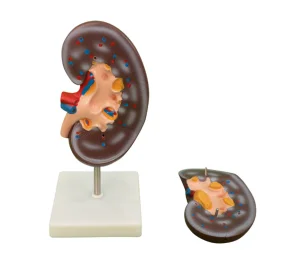
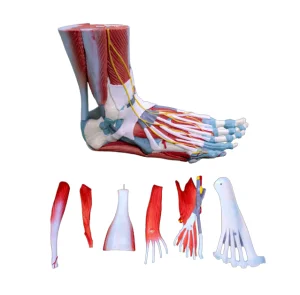
OEM medical science learning supplies natural size foot anatomical model with Muscles Ligaments Nerves and Blood Vessels Manufacturers, Factory
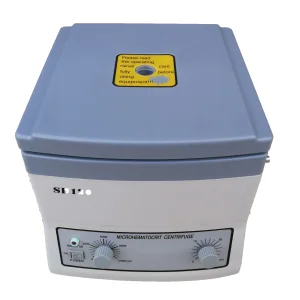
OEM Hot Sale Good Quality Laboratory Normal Speed Centrifugal Fans Centrifuge Machine Manufacturer, Quotes