
Factory-Ready Medical Teaching Models for ODM Programs
These representative products show the manufacturing breadth behind Yulin Medical’s medical education range. For a birth simulator model ODM project, use these cards to evaluate material control, anatomical detailing, packaging capability and documentation readiness, then share your obstetric simulation specification for a tailored quote.
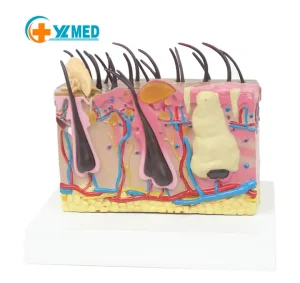
OEM Hot selling Animal skin anatomical model Canine skin insect bite pathological model for anatomy Manufacturers, Service
OEM/ODM teaching model · Quote on request
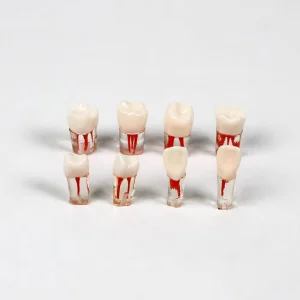
OEM Advanced Dental Root Canal Model for Effective Endodontic Training and Resin Teeth Replacement RCT Practice Replace Resin Teeth Factory, Factories
Dental training model · Factory direct
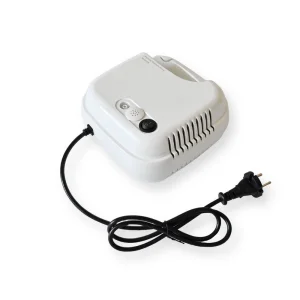
ODM Household Medical Portable Nebulizer Machine for Compressor Baby Inhalator Manufacturer, Quotes
Medical device ODM · Private label ready
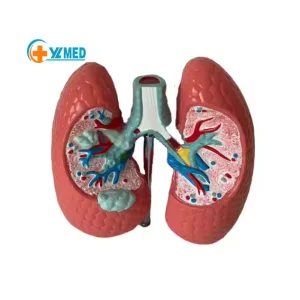
OEM Medical Science Human Healthy Lung Compared with Sick Lung Contrast Model Internal Organ Dissection Demonstration Teaching Factory, Service
Anatomy contrast model · Mixed orders accepted
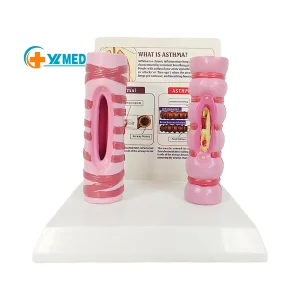
ODM Medical Science Teaching Model PVC Normal VS Asthmatic Trachea Comparison Model for Respiratory Education Manufacturers, Quotes
Respiratory training model · OEM packaging
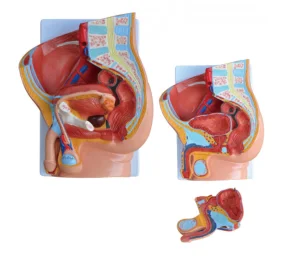
ODM Male sagittal anatomical models (2 pieces) Manufacturers, Pricelist
Anatomical model · Pricelist available
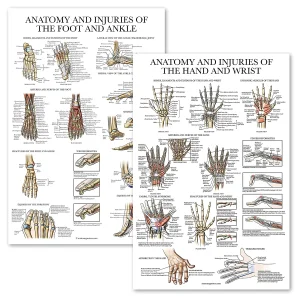
China 11 Human Anatomy Posters - Medical Posters, Skeletal, Male Female Muscular, Circulatory, Lymphatic, Reproductive, Nervous, Digestive, Endocrine Quotes, Service
Anatomy poster set · Classroom and clinic use
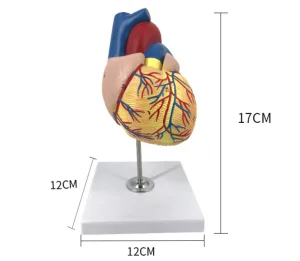
Wholesale Medical science model 1:1 Human Heart Model Anatomical for Medical college students and hospital Factory, Factories
Heart anatomy model · Wholesale supply
Why “ODM Birth Simulator Model Factory & Quotes” Is a High-Intent Search
A buyer searching for an ODM birth simulator model factory and quotes is usually beyond the browsing stage. They are validating whether a supplier can engineer an obstetric simulation manikin, support private-label distribution, provide tender-ready documentation and deliver repeat batches without changing quality. That intent is different from a student looking for a single anatomy model. It combines product specification, manufacturing due diligence, local compliance and lifecycle cost.
For distributors, universities, hospital simulation centres and government tender teams, the real question is not simply “what is the price?” but “can this factory translate a clinical training objective into a safe, repairable and locally supported training model?” A birth simulator model may include a maternal pelvis, fetal manikin, birthing mechanism, perineal modules, episiotomy and suture inserts, neonatal stabilisation features and consumable replacement parts. Each choice affects the quotation, the learning outcome and the cost of ownership.
This page is therefore structured as a procurement guide rather than a catalogue wall. It explains the ODM process, global industry context, localisation requirements, application scenarios, technical roadmap and quote-ready questions. Birth simulator procurement is not a commodity purchase; it is a curriculum, compliance and lifecycle-cost decision.
Factory Verification
Confirm manufacturing history, in-house tooling, quality management, inspection records and export experience before comparing prices.
Custom Engineering
ODM work should start from learning objectives, procedure lists, anatomy, materials and local language requirements — not from a generic sample.
Comparable Quotes
Ask suppliers to separate manikin cost, consumables, sensors, packaging, tooling, samples, freight and after-sales support.
Local Support
Training videos, manuals, spare parts and warranty terms matter as much as the initial unit price for distributors and hospitals.
What Does an ODM Birth Simulator Model Include?
A birth simulator model—also described as a childbirth simulator, obstetric simulation manikin or perinatal skills trainer—is a physical training system used to rehearse normal delivery, assisted delivery and maternal emergency procedures. At part-task level, it may be a pelvis with a fetal model for mechanism-of-labour teaching. At full-body level, it can include a maternal torso, abdominal wall, birthing canal, perineal pad, episiotomy inserts, suturing module, neonatal manikin and positioning features for team-based drills.
ODM means original design manufacturing. The factory participates in specification development, 3D modelling, material selection, mould design, prototyping, validation, packaging and production. OEM usually means building to a buyer’s existing design or applying a private label. Off-the-shelf supply is fastest, but it offers less differentiation. For distributors and teaching institutions, the right choice depends on whether the priority is speed, exclusivity, curriculum alignment or tender differentiation.
Fidelity should always follow the learning objective. A complicated, high-fidelity model is not automatically better if it increases consumable cost, repair time or instructor workload. The strongest ODM brief explains which procedures learners must perform, how competence is assessed, what feedback is required and how the model will be cleaned, stored and repaired.
Anatomical Fidelity
Pelvic landmarks, fetal attitude, birth canal geometry, perineal anatomy and maternal positioning must match the procedures being taught.
Procedural Modules
Episiotomy, perineal repair, shoulder dystocia, cord prolapse, postpartum haemorrhage and neonatal transfer can be supported through modular inserts.
Feedback & Sensors
Tactile feedback is essential; sensorised feedback can add objective measurement of traction, positioning, compression or procedure sequence.
Consumables & Repair
Replaceable perineal pads, fetal parts, tubing, skin materials and fasteners determine long-term cost and uptime in busy skills labs.
Birth Simulator Models Are Becoming Training Infrastructure
Across mature and emerging markets, maternal-care training is moving from lecture-based teaching toward competency-based simulation. Hospitals use obstetric drills to improve teamwork, communication and emergency response. Universities and nursing colleges need repeatable skills practice before clinical placement. Vocational schools and continuing-education providers need durable models that can survive high student throughput. Distributors need differentiated products with reliable spare-part supply and documentation.
The commercial landscape is also changing. Mature markets increasingly ask for data capture, debriefing support, accreditation alignment and tetherless or modular designs. Emerging markets often prioritise durability, low consumable cost, simple maintenance and affordable mid-fidelity systems. Tender buyers compare total cost of ownership, not just unit price. They ask for material declarations, packing lists, inspection records, warranty terms, training materials and local-language labelling. A factory that can support these requirements is more valuable than one that only quotes a low sample price.
The chart below is an illustrative buyer-weighting framework, not a market-size claim. It reflects how procurement teams commonly balance technical and commercial factors when shortlisting an ODM birth simulator model supplier.
Mature Markets
Demand is shifting toward objective feedback, simulation centre integration, accreditation evidence and bilingual training resources.
Emerging Markets
Durability, repairability, low consumable cost and distributor-level spare-part availability often outweigh advanced electronics.
Distributor Differentiation
Private-label packaging, exclusive colours, local manuals and application support help distributors avoid price-only competition.
Hospital Readiness
Obstetric emergency drills require models that support team communication, escalation, documentation and debriefing — not isolated task practice.
From a Single Manikin to an Integrated Training Ecosystem
ODM birth simulator projects rarely stand alone. A university may need anatomy models, CPR manikins, suture pads, histology slides and classroom posters in the same tender. A hospital may combine obstetric simulation with emergency care, nursing skills and patient-education models. A distributor may want a complete simulation catalogue rather than a single product. Yulin Medical’s ten product lines allow mixed-category orders to be consolidated, reducing supplier management and shipping complexity.
This integrated approach also improves curriculum alignment. A midwifery programme can pair a birth simulator with pelvic anatomy, episiotomy and suture training models, neonatal CPR manikins, anatomy posters and prepared slides. A distributor can build a local training package with private-label packaging, spare parts and a training video. A tender team can request one documentation package covering multiple product categories, subject to product-specific compliance requirements.
University Simulation Lab
Combine obstetric models, anatomy, CPR trainers, suture pads and biology slides into a phased lab plan with room for future expansion.
Hospital Skills Centre
Build obstetric emergency drill kits with maternal manikins, neonatal trainers, emergency equipment and debriefing resources.
Distributor Portfolio
Create a private-label range with consistent packaging, spare-part kits, local-language manuals and demonstration units for sales teams.
Tender & NGO Programs
Consolidate multiple teaching models into one shipment with packing lists, inspection records and tender-ready product documentation.
Localized Support and Compliance: From Quotation to Import
An ODM birth simulator model quote becomes meaningful only when it can be imported, used, cleaned, maintained and supported in the buyer’s market. Localisation is therefore part of engineering, not an afterthought. It can include local-language manuals, packaging labels, carton marks, barcodes, voltage-compatible electronics, regional plug types, training videos and distributor spare-part kits.
Compliance must be handled carefully and product by product. ISO 9001 certification demonstrates a quality management system; it does not by itself certify a specific birth simulator for every market. Depending on the destination, buyers may need material declarations, biocompatibility information, electrical safety documentation, labelling review, import registration support or technical files. Final regulatory classification should always be confirmed with the local authority or a qualified regulatory consultant.
Documentation Package
Request material lists, inspection records, packing lists, product photos, warranty terms and tender documentation relevant to the exact model.
Market-Specific Compliance
Clarify whether the model is treated as a teaching aid, medical device accessory or electrical training equipment in your market before import.
Language & Packaging
Local-language manuals, private-label boxes, carton marks, barcodes and distributor branding improve resale value and reduce onboarding friction.
After-Sales Localisation
Spare parts, consumable schedules, repair guides, remote training and warranty response should be agreed before the first bulk order.
Localized Application Scenarios for Birth Simulator Models
Midwifery & Nursing Colleges
Students practise mechanism of labour, pelvic positioning, perineal assessment and episiotomy repair before entering clinical areas. A modular model with replaceable perineal pads keeps throughput manageable.
Hospital Obstetric Units
Multi-professional teams rehearse shoulder dystocia, postpartum haemorrhage, cord prolapse and neonatal transfer. The model should support communication, escalation and debriefing, not only technical handling.
Simulation & Skills Centres
Scenario-based training benefits from a durable manikin, clear consumable costs, storage planning and integration with audio-visual debriefing systems already installed in the centre.
EMS & Community Maternal Care
Pre-hospital teams can use part-task simulators to rehearse emergency birth, neonatal positioning and rapid transfer decisions where full hospital resources are unavailable.
Vocational & Continuing Education
Short courses need quick setup, simple cleaning and low maintenance. Mid-fidelity models with clear anatomical landmarks often deliver better return on training hours than complex systems.
Distributor Demonstration
Distributors need demo units, local-language brochures and spare parts for customer trials. A staged ODM programme can start with a core model and add modules as demand is validated.
Technical Roadmap and Future Outlook
Birth simulator models are moving in two directions at once. One direction is higher fidelity: sensorised feedback, data capture, tetherless operation and integration with debriefing software. The other direction is practical durability: easier cleaning, replaceable modules, lower consumable cost and simpler maintenance. A credible ODM roadmap should serve both, because most buyers operate under real budget, staffing and storage constraints.
For near-term projects, modularity is usually the most valuable investment. A common maternal platform with interchangeable perineal, episiotomy, suture and emergency modules allows a school or distributor to expand over time. Mid-term development can add sensorised feedback for traction, positioning or compression, subject to validation. Longer-term opportunities include cloud-based debriefing, AI-assisted scoring and 3D-printed patient-specific anatomy for advanced research, but these should be scoped against local infrastructure and training culture.
Modular Obstetric Platform
Shared maternal and fetal components with replaceable procedure modules reduce inventory complexity and support curriculum expansion.
Sensorised Feedback
Objective measurement can support assessment, but sensors must be robust, replaceable and clinically validated for the intended training task.
Debriefing & Cloud
Data export, scenario logs and instructor dashboards can improve simulation centre workflow where IT infrastructure and privacy rules allow.
Sustainable & Repairable
Durable materials, recyclable packaging, replaceable parts and long spare-part availability reduce waste and total cost of ownership.
Quote-Ready Procurement: A 5-Step ODM Workflow
To receive comparable birth simulator model quotes, provide a specification rather than a single reference photo. State the learner group, procedures to be trained, required fidelity, consumables, feedback method, local language, certification expectations, quantity, target delivery date and destination port. If the model will be used in tenders, ask for documentation that can be submitted with the quote.
Share Requirements
Define procedures, learner level, quantity, target market, compliance needs and packaging expectations.
Catalog & Proposal
Receive matched models, specifications, module options, consumable schedule and shipping suggestions.
Sample Evaluation
Test materials, anatomy, setup, cleaning and repair with your instructors or clinical champions.
Production & QC
Manufacturing and inspection follow the agreed specification under an ISO 9001 quality management system.
Export & Support
Protective packing, export coordination, spare parts, manuals and responsive after-sales communication.
Medical Teaching Models, CPR Manikins & Hospital Equipment Manufacturer Since 1958
Henan Yulin Edu. Project Co., Ltd. has built educational and medical training equipment in Xinxiang, China, for more than six decades. The quality management system has been ISO 9001 certified since 2008, with a simple operating principle: quality first, service first.
With registered capital of RMB 120 million and more than 200 professional employees, Yulin Medical manages product development, manufacturing, inspection and export from its base at No. 8 Daoqing Road, Industry Park, Hongqi District, Xinxiang, Henan, China. The in-house design and packaging team supports private-label presentation, while mixed-category orders can consolidate anatomy models, nursing simulators, lab slides, dental teaching products and hospital equipment into one shipment with one point of contact.
For ODM birth simulator model enquiries, the factory can review your specification, propose feasible materials and module architecture, provide a sample plan and prepare a quotation with separate cost lines for tooling, units, packaging, documentation and shipping. Product-specific claims, regulatory classification and certification requirements should always be confirmed in the final quotation and technical file.
Request a Birth Simulator Model Quote
Email: [email protected] · Phone: 0086-13503800666
ODM Birth Simulator Model Factory & Quotes: Frequently Asked Questions
Is Yulin Medical a manufacturer or a trading company?
We are a manufacturer. Henan Yulin Edu. Project Co., Ltd. was founded in 1958 and operates its own factory in Xinxiang, Henan, China, with more than 200 professional staff. For one-stop orders, we also coordinate a stable network of long-term partner factories.
Can you develop an ODM birth simulator model from a specification?
Yes. Share the procedures, learner group, anatomical requirements, materials, feedback needs, packaging, language and target market. The project can be scoped as a part-task trainer, full-body simulator, modular platform or private-label programme.
What should I include in an RFQ for a reliable quote?
Include quantity, destination, learner level, procedure list, required fidelity, consumables, sensor or data requirements, local-language needs, certification expectations, sample timing, warranty terms and any tender documentation requirements.
How do you handle compliance and export documentation?
Our quality management system has been ISO 9001 certified since 2008. Product-specific documentation can be provided on request for tenders and import registration. Final regulatory classification and certification requirements should be confirmed with your local authority or qualified consultant.
Do you support OEM, private label and custom packaging?
Yes. Our in-house design team develops private-label packaging and product presentation for distributors, helping increase shelf appeal and resale value in local markets. Manuals, carton marks and barcodes can be discussed during quotation.
What is the typical MOQ and lead time?
MOQ and lead time depend on whether the model is an existing product, a modified platform or a new ODM design. Tooling, sample approval, material procurement and packaging all affect scheduling. A written schedule should be agreed before the order.
Can I combine birth simulator models with other teaching products?
Yes. Mixed-category orders can include anatomy models, CPR manikins, nursing simulators, suture pads, dental teaching products, biology slides and hospital equipment, subject to stock and production planning.
How do I choose the right level of fidelity?
Start with the learning objective. Basic mechanism-of-labour teaching may need clear anatomy and durable materials, while team-based obstetric emergency drills may require a full-body manikin, replaceable modules and debriefing support. Avoid paying for features that the curriculum will not use.
How quickly will I receive a reply?
Our export team is online 7 days a week and typically replies within 24 hours with catalogs, specifications and shipping options. For complex ODM birth simulator projects, a technical review may take additional time after the initial response.
More Products for ODM Training Labs and Distributor Programs
Additional factory-direct teaching models and equipment that can be bundled with an obstetric simulation programme, private-label range or tender package. All product links below are preserved for direct quotation and specification review.
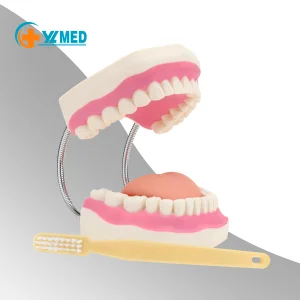
China Medical Science 6X magnification oral tooth with tongue model Teaching dental materials Dental consumables denture equipment Manufacturer, Factory
Dental teaching model · Factory quotation
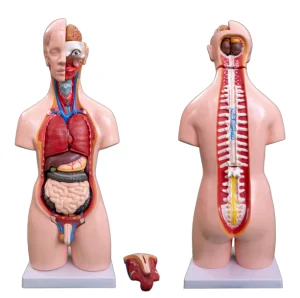
China A total of 20 55CM male and female torso models were made Factories, Service
Torso anatomy models · Bulk supply
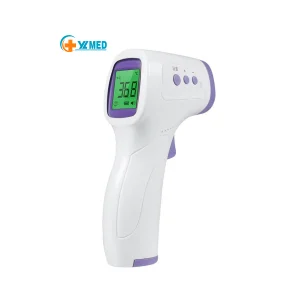
China Medical grade electronic temperature gun factory straight hair handheld electronic temperature measurement Factories, Service
Medical device supply · Mixed orders
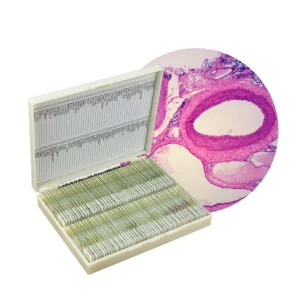
China Teaching advanced human histopathology slides wholesale, university standard, factory direct sales Factory, Service
Prepared slides · University standard
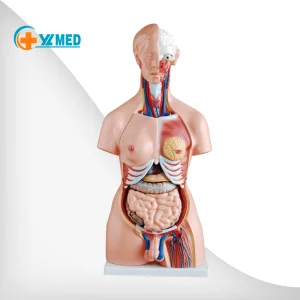
OEM There were 23 male and female 85CM torso models Factories, Quotes
Torso model set · OEM quotes available
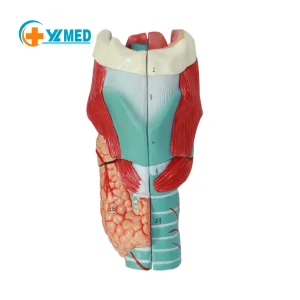
China Human Larynx Model, 2 Parts Larynx Throat Anatomical Model for Medical Anatomy and Physiology Study Research Teaching Manufacturers, Quotes
Larynx anatomy model · Teaching and research
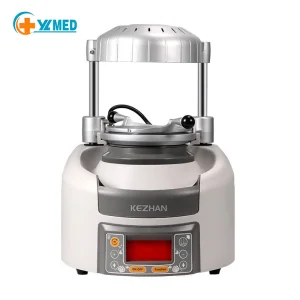
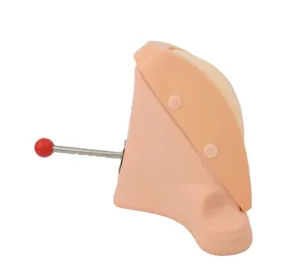
Wholesale Factory Supply High Quality and Best Price Episiotomy Incision and Suture Skills Training and Teaching Models Medical Science Manufacturers, Pricelist
Episiotomy and suture training model · Birth simulator accessory