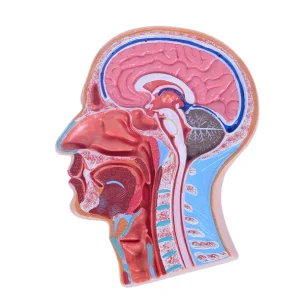
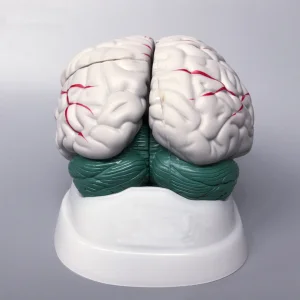
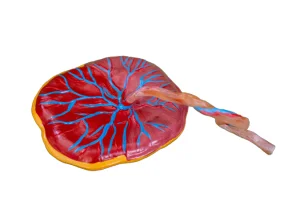
Eight Current Products for Vascular, Clinical Skills & Simulation Procurement
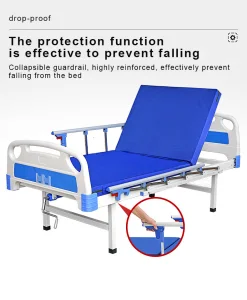
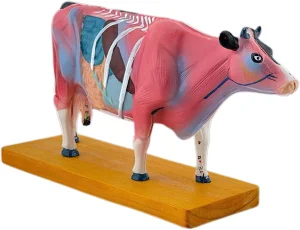
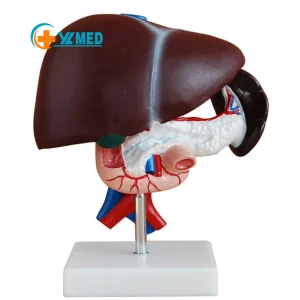
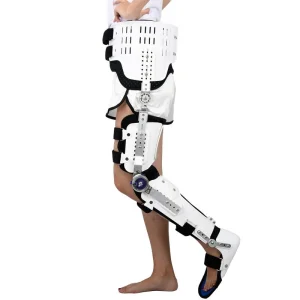
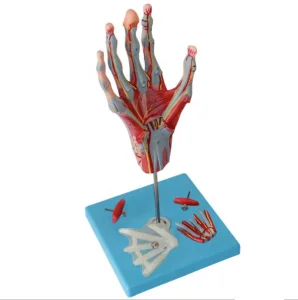
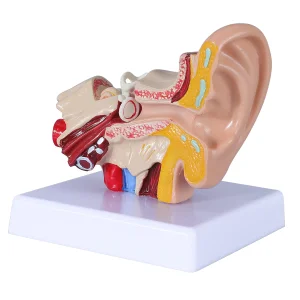
These product links are retained from the original Yulin Medical catalogue. Use them as adjacent sourcing references when building a combined ODM order for arm artery puncture injection training models, anatomy teaching and hospital equipment.
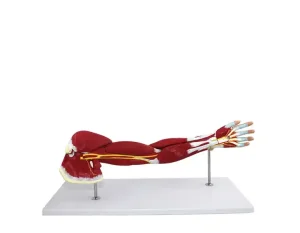
Why the Arm Artery Puncture Injection Training Model Is Moving from Catalogue Item to Strategic Simulation Asset
An ODM arm artery puncture injection training model is no longer a simple teaching dummy. It is a controlled, repeatable learning environment for radial and brachial artery puncture, arterial blood gas sampling, injection technique, catheter handling and complication recognition.
For distributors and teaching institutions, the buying decision now spans anatomy, material durability, replacement consumables, assessment workflow, packaging, local language instructions and tender documentation. A factory pricelist that shows only a unit price is therefore incomplete. The more useful question is: what does each learner encounter cost across the full training cycle? That calculation includes skin and vessel replacements, cleaning time, instructor supervision, storage, shipping volume and the risk of inconsistent quality between batches.
This whitepaper-style page is designed for procurement managers, simulation centre directors, medical school faculty, importing distributors and OEM brand owners who need more than a product photo. It explains global enterprise demand, macro solution architecture, technology road mapping, commercial manufacturing conditions, localisation and compliance support, and the practical pricelist logic behind ODM arm artery puncture injection training model programmes.
Henan Yulin Edu. Project Co., Ltd. — trading as Yulin Medical — has manufactured educational and medical training equipment in Xinxiang, Henan, China since 1958. Its quality management system has been ISO 9001 certified since 2008. The factory’s original motto remains relevant to simulation procurement: quality first, service first. For buyers, that translates into one accountable manufacturing partner for anatomy models, nursing simulators, laboratory teaching supplies and hospital equipment, consolidated into a single supply plan.
Enterprise Buying Patterns Across Hospitals, Universities, Distributors and Government Programmes
Demand for arm artery puncture and injection simulators is being reshaped by competency-based education, point-of-care testing, ultrasound-guided vascular access, accreditation requirements and the expansion of simulation laboratories.
Hospitals & Health Systems
Arterial puncture carries clinical consequence. Hospitals use task trainers for credentialing, ICU and emergency refresher courses, arterial line insertion practice, blood gas sampling and reduction of patient risk during supervised learning.
Medical & Nursing Schools
Faculties require repeatable models for OSCE stations, skills laboratories and blended learning. Standardised puncture feedback improves fairness when large student cohorts rotate through the same procedure.
Distributors & Importers
Distributors need a pricelist that supports stock models, private-label packaging and mixed-category orders. A single arm simulator can anchor a broader vascular access, anatomy and nursing skills catalogue.
EMS, ICU & Critical Care
Pre-hospital and critical care teams train under time pressure. Realistic arm positioning, vessel depth and replaceable puncture sites help learners build muscle memory without practising on patients.
Government & Defence Programmes
Tenders demand documentation, batch consistency, packaging control and long-term supply. Public health and defence buyers often require multi-year availability of consumables and spare parts.
OEM / ODM Brand Owners
Brand owners differentiate through anatomy, skin tone, vessel configuration, packaging, QR-linked instructions and local language labelling. ODM engineering turns a catalogue request into a defensible product line.
From One Training Arm to a Complete Vascular Access Learning Ecosystem
A serious ODM programme maps the buyer’s training curriculum before selecting materials and features. The goal is not simply to sell an arm model, but to create a repeatable simulation layer that fits existing faculty workflows.
Anatomical Realism Layer
Multi-layer skin, subcutaneous tissue, vessel course and arm contour should support radial and brachial puncture. Replaceable vessels and pads reduce long-term cost while preserving tactile realism.
Procedure Coverage Layer
The strongest platforms combine arterial puncture, injection, catheter placement and complication scenarios. Buyers should specify which procedures must be assessed, not only which body part is required.
Pulse & Feedback Layer
Optional pulse simulation and visible puncture response help learners confirm vessel location. For advanced programmes, sensorised feedback can be developed with clear validation against instructor assessment.
OSCE & Assessment Layer
Simulation centres need checklist integration, station setup guidance and consistent performance between candidates. QR-linked instructions and replacement-part coding simplify laboratory operations.
Hygiene & Lifecycle Layer
Materials must tolerate repeated cleaning and handling. Modular skin pads, vessel cartridges and drainage components should be replaceable without discarding the entire arm platform.
Blended Learning Layer
Local language manuals, demonstration videos, setup cards and QR resources improve adoption. For distributors, training content can be branded to support resale and after-sales service.
A Practical 2024–2030 View of Arm Puncture and Injection Simulation Technology
Technology should be adopted only when it improves learning evidence, reduces operating cost or strengthens supply reliability. The following route map reflects realistic development priorities for an ODM manufacturing programme.
2024–2026: Material & Haptic Realism
Softer multi-layer skin, tear-resistant vessels, controlled bleeding simulation and anatomically accurate arm contours. The commercial winner will be the platform that balances realism with replacement affordability.
2025–2027: Sensorised Feedback
Puncture depth, angle, time and site accuracy can be captured through low-cost sensors. AI-assisted scoring becomes credible only when validated against faculty judgement and curriculum standards.
2026–2028: AR / VR Blended Simulation
Physical arm trainers remain essential for touch. AR overlays can add vessel maps, ultrasound orientation and guided procedure steps, while VR supports scenario preparation before physical practice.
2027–2029: Modular Consumables
Buyers increasingly request replaceable pads, vessel inserts, skin patches and drainage modules. A circular consumables strategy lowers total cost and creates recurring revenue for distributors.
2028–2030: Cloud Credentialing
Training records, assessment rubrics and maintenance logs move to cloud dashboards. Equipment buyers value traceable competency data, especially across multiple campuses or hospital departments.
2030+: Standards Convergence
As simulation becomes embedded in licensing and accreditation, buyers will demand clearer evidence of durability, cleanability and learning validity. Documentation quality will matter as much as appearance.
How to Read the Manufacturing Landscape Behind an ODM Pricelist
The global supply base for medical training models includes trading companies, assembly workshops and vertically integrated manufacturers. Buyers should evaluate process control, documentation depth and repeat-order stability — not only sample appearance.
China’s medical education equipment cluster offers strong tooling, moulding, packaging and export logistics capabilities. However, two suppliers can quote the same product image with very different material specifications. A responsible factory pricelist should explain whether the quotation includes replaceable vessels, pulse simulation, skin pads, packaging, manual creation, testing and export protection. For ODM projects, design for manufacturability is critical: a beautiful prototype that cannot be moulded, assembled or repaired consistently is a commercial risk.
| Sourcing Mode | Best For | Customisation Level | Pricelist Logic | Risk Control Focus |
|---|---|---|---|---|
| Stock Catalogue Model | Distributors testing demand, small training centres | Logo, packaging, manual language | Unit price plus packing and freight | Sample approval, batch consistency, spare parts availability |
| Private-Label ODM | Importers and brands with recurring education orders | Skin tone, vessel layout, packaging, QR instructions | MOQ tiers, tooling, artwork, replacement pads | Design freeze, material validation, labelling accuracy |
| Full Custom ODM | Simulation centres, tender-driven programmes, OEM brands | Anatomy, sensors, feedback, carry case, assessment workflow | NRE, prototype fees, tooling, validation, production ramp | DFM review, IP ownership, change control, pilot production |
| Programme Supply | Government, defence, hospital groups, university networks | Packaging, documentation, local after-sales kit | Annual volume, spare-parts kit, service-level terms | Traceability, tender documents, delivery planning, audit readiness |
Reducing Import, Tender and After-Sales Risk Before the First Shipment
Compliance is a shared responsibility between manufacturer, importer and end user. An experienced ODM partner prepares clear documentation, avoids unsupported claims and supports the buyer’s local market obligations.
Documentation Pack
ISO 9001 certificate, material declarations, inspection records, packing lists and product-specific test reports can be provided where applicable. Training-use intended purpose is stated clearly to avoid clinical misuse.
Local Language & Labelling
IFU, warning labels, station cards and packaging can be localised for the target market. Clear traceability of model number, batch and replacement-part code supports distributor service operations.
Regulatory Mapping
Buyers should confirm local classification and import requirements. We support documentation requests and product descriptions, but final market authorisation remains with the importer or local legal manufacturer.
Tender & Procurement Support
For public tenders, we can prepare specification sheets, packing details, photographs, warranty statements and spare-parts lists. Consistency between quotation and tender documents reduces rejection risk.
Logistics & Export Packing
Protective packaging, carton marking, mixed-category consolidation and Incoterms planning are agreed before production. Buyers receive a shipping plan that reflects volume, weight and replacement-part replenishment.
Local After-Sales Enablement
Distributors receive spare-part lists, maintenance guidance and training content. Replaceable pads and vessels are planned as standard consumables so local support does not depend on whole-unit replacement.




A Six-Decade Manufacturer for ODM Medical Teaching & Training Equipment
Founded in 1958, Henan Yulin Edu. Project Co., Ltd. has grown into a well-known educational and medical equipment supplier integrating scientific research, production and sales. With registered capital of RMB 120 million and more than 200 professional employees, the company manages product development, manufacturing, inspection and export from its base at No. 8, Daoqing Road, Industry Park, Hongqi District, Xinxiang, Henan, China.
Its quality management system has been ISO 9001 certified since 2008. Product-specific documentation can be provided on request for tenders and import registration. For buyers, this means one accountable manufacturer for anatomy models, nursing simulators, laboratory slides and hospital equipment — consolidated into a single shipment and backed by a documented quality system.
- No. 8, Daoqing Road, Industry Park, Hongqi District, Xinxiang, Henan, China
- 0086-13503800666
- [email protected]
Share Requirements
Procedure, learner group, quantities, market, certification and tender needs.
DFM & Proposal
Product match, specification, packaging, pricelist logic and shipping plan.
Sample Evaluation
Faculty or distributor testing before design freeze and bulk production.
Production & QC
Batch control, inspection and documentation aligned with ISO 9001 practice.
Export & Support
Protective packing, delivery coordination and replacement-part planning.
Ten Product Lines Retained for One-Stop Medical Education Sourcing
These original category links support mixed-category procurement. Distributors can combine vascular access training models with anatomy, laboratory, dental, nursing and hospital equipment in one supply plan.
Frequently Asked Questions About ODM Arm Artery Puncture Injection Training Models
Direct answers for procurement teams evaluating factory capability, pricelist structure, compliance documents and local support.
What is an arm artery puncture injection training model used for?
It is a task-specific medical education simulator for practising radial or brachial artery puncture, arterial blood gas sampling, injection technique, catheter handling and complication recognition. It is intended for training and demonstration, not for patient care.
Can the model be customised for radial and brachial artery procedures?
Yes, ODM projects can define vessel layout, vessel depth, arm contour, skin tone, replaceable puncture pads, pulse simulation, packaging and instruction language. The scope should be documented in a design freeze before tooling or bulk production.
How is the factory pricelist calculated?
A useful pricelist separates the base arm platform, replaceable skin pads, vessel cartridges, optional pulse units, packaging, artwork, manuals, testing and shipping. MOQ, customisation and annual volume affect unit price. Buyers should compare total cost per learner encounter rather than only the first-unit price.
What documentation can be provided for tenders and import registration?
Documentation can include ISO 9001 certification, product specifications, packing lists, inspection records, material declarations and product-specific test reports where applicable. Import classification and market authorisation requirements should be confirmed with the local importer or regulatory consultant.
What is the minimum order quantity and typical lead time?
MOQ depends on whether the order uses a stock model, private-label packaging or full ODM tooling. Lead time is confirmed after specification freeze and is affected by sample approval, material preparation, production scheduling and shipping method. The export team typically replies within 24 hours with a practical proposal.
How do you protect quality consistency across repeat orders?
Repeat orders should reference a frozen specification, approved sample, material list and packaging artwork. Batch inspection, change-control communication and replacement-part coding help maintain consistency. For programme supply, spare-part kits and annual supply planning are recommended.
Can you support private-label packaging and local language materials?
Yes. The in-house design team develops private-label packaging, product presentation, warning labels and manuals for distributors. Localisation can improve shelf appeal, reduce training friction and support after-sales service in the target market.
Is this product a medical device for patient use?
Arm artery puncture injection training models are educational training products. They are not intended for diagnosis, treatment or direct patient contact. Buyers must use clear intended-purpose statements and comply with local market rules for training equipment.
Request a Factory Pricelist, ODM Proposal or Tender Documentation Pack
Share your target market, learner group, procedure requirements, estimated annual volume and certification needs. The team can recommend suitable models, clarify customisation options and propose a practical shipping plan.
Direct Channels
Eight Additional Products for Combined Medical Education & Hospital Orders
The original product links and images below are retained for buyers building a mixed-category shipment alongside ODM arm artery puncture injection training model production.