
ODM Anatomy Model Medical Factory & Factories
Factory-direct ODM/OEM anatomy models, medical teaching aids, nursing simulators, hospital equipment and healthcare training products from Henan Yulin Edu. Project Co., Ltd. — built for distributors, universities, hospitals, tender suppliers and private-label brands worldwide.
Featured Anatomy, Nursing, Mobility and STEM Models
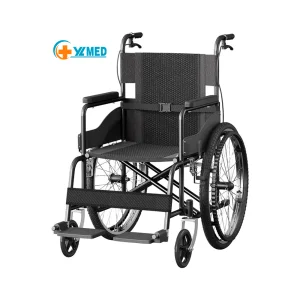
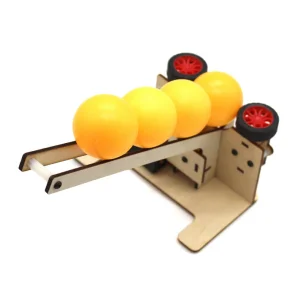
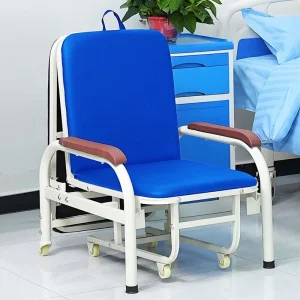
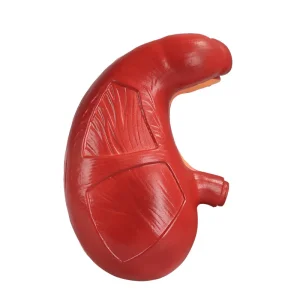
These eight programs show the practical range of a medical teaching model factory: from anatomical study and CPR training to rehabilitation, elderly mobility and classroom science. Each product link below is retained for direct buyer evaluation, quoting and distributor catalog planning.
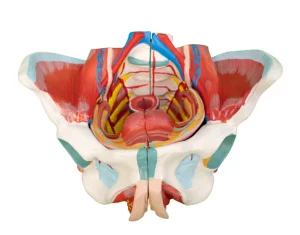
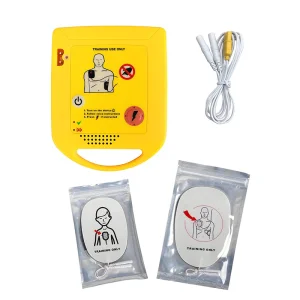
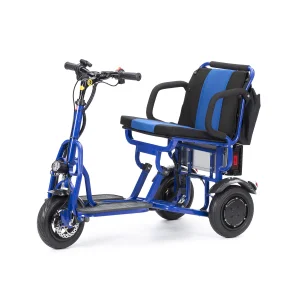
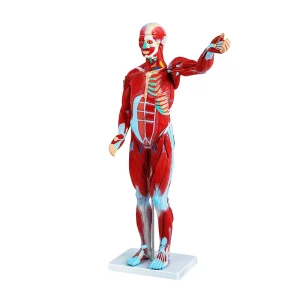
A Factory, Not a Middleman: What the “ODM Anatomy Model Medical Factory & Factories” Search Really Means
Buyers searching for an ODM anatomy model medical factory are usually not looking for a single catalog page. They are validating manufacturing identity, anatomical credibility, customization depth, compliance documentation and long-term supply continuity.
Manufacturing experience that can be verified
Henan Yulin Edu. Project Co., Ltd. — known commercially as Yulin Medical — was founded in 1958 and operates from Xinxiang, Henan, China. Our quality management system has been ISO 9001 certified since 2008. With registered capital of RMB 120 million and more than 200 professional staff, we manage product development, production, inspection, packaging and export coordination from our own facility at No. 8, Daoqing Road, Industry Park, Hongqi District, Xinxiang.
The phrase “factory & factories” is important in procurement language. It signals that a buyer is comparing core manufacturing capability with extended supplier networks. Our model is transparent: core categories are produced and inspected under our quality system, while long-term partner factories help consolidate mixed-category orders for distributors and tender projects. That gives buyers one accountable contact without forcing them to manage ten unrelated suppliers.
- Factory-direct supply across 10 product lines, from anatomy models to hospital furniture.
- In-house design and packaging support for private label, distributor catalogs and tender documentation.
- Mixed-category orders consolidated into one shipment with one point of contact.
- Export team online 7 days a week, typically replying within 24 hours.
Factory facts buyers can use in due diligence
- Legal entity: Henan Yulin Edu. Project Co., Ltd.
- Founded: 1958; ISO 9001 certified since 2008.
- Location: No. 8, Daoqing Road, Industry Park, Hongqi District, Xinxiang, Henan, China.
- Scale: 200+ professional staff; RMB 120 million registered capital.
- Product scope: anatomy models, nursing simulation, skeleton models, suture pads, dental teaching equipment, biology slides, hospital furniture and medical apparatus.
- Service promise: quality first, service first; 24/7 responsive export communication.
One-Stop Medical Education and Clinical Equipment Categories
Distributors, medical schools and hospitals increasingly prefer fewer suppliers with stronger documentation and consolidated shipping. This matrix lets procurement teams compare ten category routes without losing the original product-category links.
Anatomy Models
Torso, organ, heart, brain and muscle models with numbered structures for lectures and patient education.
View range →Biology Prepared Slides and Accessories
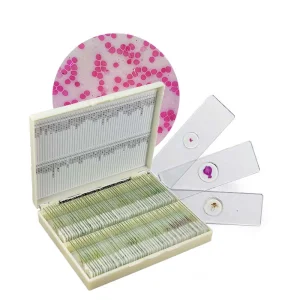
Histology, botany and zoology prepared slides plus storage and microscope accessories for biology labs.
View range →Dental Tools and Equipment
Dental teaching models, clinic lights, LED whitening units and endodontic instruments for training and practice.
View range →General Teaching Models
Science demonstration models for primary schools, secondary schools and education equipment tenders.
View range →Hospital Furniture and Equipments
Stainless steel examination couches, stretchers, walkers and shower chairs built for daily clinical use.
View range →Hospital Machine and Tools
Diagnosis and treatment devices and practical tools for wards, clinics and emergency departments.
View range →Medical Apparatus and Instruments
Emergency splints, extrication devices, cervical traction and rehabilitation instruments.
View range →Medical Nursing Model
Adult, child and neonatal CPR manikins, ACLS simulators and AED trainers for skills assessment.
View range →Skeleton Models
Life-size and desktop skeletons, skulls, spines and joint models for osteology teaching.
View range →Suture Pads and Kits
Realistic skin suture pads and complete instrument kits for surgical and wound-closure practice.
View range →Why Serious Buyers Compare ODM Anatomy Model Medical Factories Before They Ask for a Price
The highest-value search intent behind “ODM anatomy model medical factory” is not simply “cheap anatomy model.” It is a procurement investigation. Buyers want evidence that the supplier can support curriculum fit, private label, tender documentation, repeat orders and after-sales replacement.
1. Capability proof
Is there a real factory, an identifiable quality system and a stable team? Buyers check legal entity, location, staff, capital, product scope, inspection process and export experience.
2. Clinical credibility
Anatomy models must match teaching objectives. Structure numbering, removable parts, material finish, color coding and scale accuracy matter more than a low unit price.
3. Customization depth
ODM/OEM value comes from private-label packaging, localized manuals, logo placement, color changes, model variations and mixed-category kitting for distributors.
4. Compliance continuity
For tenders and import registration, buyers need consistent documentation, batch labels, packaging declarations and responsive after-sales support over multiple orders.
This is where information gain matters. A useful ODM partner should help you compare the total landed value of a program — not just the ex-works price. That includes sample iterations, tooling and mold amortization, packaging localization, mixed-container efficiency, documentation readiness, replacement-part planning and the risk cost of inconsistent quality on repeat orders.
From Static Anatomical Replicas to Connected Competency Systems
Anatomy model manufacturing is moving through three connected phases: better physical fidelity, richer blended learning, and eventually connected simulation with digital traceability. For buyers, the practical question is which capabilities to specify now so that a catalog remains usable for the next five years.
Modular anatomy and material refinement
Expect stronger demand for modular organ models, improved PVC and silicone surface realism, consistent color coding, magnet-assisted assembly and replaceable sub-components. Procurement teams should specify removable-part tolerances, cleaning compatibility and spare-part availability at the quotation stage.
QR-linked learning and blended simulation
Physical models will increasingly connect to QR-based labeling, multilingual learning pages and curriculum-aligned assessment prompts. This does not replace the physical model; it extends the teaching value of each unit and helps distributors offer a more complete solution to schools and hospitals.
Digital twin, AI assistance and sustainable production
Longer-term direction includes digital twin anatomy references, AI-assisted training feedback, recycled or lower-impact materials, and packaging designed for circular logistics. Buyers should treat these as roadmap criteria: ask suppliers how they document material changes, update learning content and protect supply continuity during transitions.
A realistic ODM roadmap is not about chasing every technology trend. It is about reducing obsolescence. If a school buys a pelvis model, a brain section model or a muscle model today, the supplier should be able to support the same curriculum with replacement parts, updated labeling and consistent future batches. That is the difference between a one-time factory order and a long-term medical education supply program.
Where Anatomy Models Fit Across Medical Education, Hospitals and Distribution
A medical teaching model factory serves very different buying centers. The same anatomy model may be purchased by a university anatomy department, a nursing simulation lab, a hospital patient-education team, a K-12 STEM supplier or a veterinary school. Each has different packaging, documentation and curriculum expectations.
Medical universities and anatomy departments
Priority is anatomical accuracy, numbered structure guides, removable organs, durable classroom handling and consistent scale. Tender packages often require detailed specifications, material declarations and multi-year replacement planning.
Nursing, EMS and allied health labs
These buyers need CPR manikins, AED trainers, nursing models, airway management aids and skill-assessment equipment that align with current resuscitation training expectations.
Hospitals and patient education
Hospitals use anatomical models for informed consent, patient communication and staff education. Clear structure labels, easy cleaning and compact desktop formats are often more important than full-body scale.
K-12 STEM and biology classrooms
Primary and secondary schools need robust, age-appropriate demonstration models, prepared microscope slides and science activity kits that survive repeated classroom use and ship economically.
Veterinary and comparative anatomy
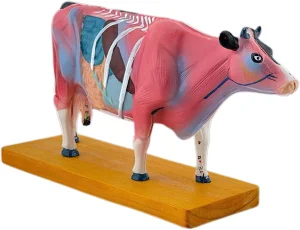
Veterinary schools and animal science programs require species-specific models, including cow anatomy and other comparative anatomy teaching aids, often with different labeling conventions.
Global distributors and tender suppliers
Distributors want stable quality, private-label packaging, catalog-ready images, quotation support, mixed-category consolidation and predictable lead times for repeat tenders.
Localized Support for Buyers Who Cannot Afford Documentation Gaps
Compliance is not a single certificate. It is a chain of product specifications, material declarations, labeling, packaging, inspection records and after-sales commitments. For anatomy models and teaching equipment, requirements vary by product type and destination market, so the right factory should help you ask better questions rather than promise a one-size-fits-all claim.
Language and labeling localization
English, Spanish, French, Arabic or other target-language labels can be discussed for manuals, model structure lists, packaging and distributor catalog inserts, subject to order volume and approval.
Market documentation pack
Our ISO 9001 quality system supports process consistency. Product-specific documents, material information, test reports, packing lists and declarations can be prepared for tenders and import registration where applicable.
Packaging and logistics localization
Drop-test-oriented export packing, barcode labeling, private-label cartons, mixed-carton planning and container-loading advice help reduce damage and make distributor warehousing more efficient.
After-sales and spare-part planning
For schools and hospitals, continuity matters. We discuss replacement components, model-part availability, instruction inserts and future reorder consistency before a program is scaled.
Supply Chain Resilience and Efficiency Advantages in China
“Factory 4.0” should not be a marketing slogan. For medical education products, it means disciplined order visibility, modular production, in-process quality checks, mixed-category consolidation and export-ready documentation. These capabilities matter when a distributor needs to support schools, hospitals and tender projects from one shipment.
Order visibility
Clear quotation, specification and packing records help reduce misunderstandings between product development, production, inspection and export coordination.
Modular production
Anatomy models and teaching aids benefit from modular molds, shared components and planned changeovers, especially when distributors request private-label or mixed-model assortments.
Quality and documentation
Incoming material checks, in-process review, finished-product inspection and export packing are managed with reference to our ISO 9001 quality management system.
Consolidation and export efficiency
Mixed-category orders can combine anatomy models, nursing trainers, hospital furniture and lab accessories, reducing supplier-management load and improving container utilization.
Supply-chain focus map — process emphasis, not a third-party score
The bars below illustrate where a resilient medical teaching model supply chain needs depth. They are not certifications or audited performance claims; they are practical evaluation areas buyers should discuss during supplier qualification.
 Headquarters and factory, Xinxiang
 Production workshop
 Bulk orders prepared for export
What Global Enterprises, Distributors and Institutions Actually Need
The winning supplier is not the one with the longest product list. It is the one that can reduce procurement risk across product accuracy, private label, documentation, mixed shipping, stable lead times and after-sales support.
Curriculum and anatomical fit
Buyers need models that match the structures, scale and learning level their instructors actually teach, not generic products that look similar in photos.
Private label and packaging
Distributors want their own brand on manuals, cartons and catalog materials. In-house design support helps turn factory products into market-ready programs.
Tender and import documentation
Public tenders and import registration require clear specifications, packing data, material information and timely responses to clarification requests.
Mixed orders and container efficiency
One shipment across anatomy, nursing, hospital furniture and lab products can lower freight complexity and improve inventory planning for distributors.
Stable lead times and consistency
Repeat orders must look, feel and perform like the first approved sample. Specification control and inspection discipline protect distributor reputation.
Fast response and after-sales
Time-zone-friendly communication, replacement-part planning and clear escalation paths make factory relationships easier to manage over the long term.
A Practical Scorecard for Comparing ODM Anatomy Model Factories
Use this scorecard during supplier qualification. It helps separate a true manufacturing partner from a catalog reseller and makes price comparisons more meaningful.
Manufacturing evidence
Verify legal entity, factory address, staff size, production scope, inspection workflow and export experience. Ask for a live video review or factory visit when order value justifies it.
Anatomical verification
Compare structure labels, removable parts, proportions, material finish and teaching guide quality against your curriculum. Request detailed photos or a sample for high-value programs.
Customization depth
Confirm logo placement, packaging, manuals, structure-numbering changes, color specifications, mixed kitting and whether new tooling is required.
Compliance file
Ask for the exact documents required for your market and product class. Avoid assuming that one certificate covers every item; product-specific confirmation is essential.
Supply resilience
Discuss MOQ, sample lead time, production lead time, packing method, mixed-container options, spare-part availability and repeat-order quality controls.
Total landed value
Compare product cost, packaging, freight, documentation, sample iterations, replacement parts and the risk of inconsistent repeat orders — not the unit price alone.
ODM Anatomy Model Medical Factory & Factories FAQ
Direct answers to the questions procurement managers, distributors and medical educators ask most often before requesting a quotation.
Is Yulin Medical a manufacturer or a trading company?
We are a manufacturer. Henan Yulin Edu. Project Co., Ltd. was founded in 1958 and operates its own factory in Xinxiang, Henan, China, with more than 200 professional staff. For one-stop orders, we also coordinate a stable network of long-term partner factories so buyers can consolidate mixed categories with one accountable contact.
What does ODM mean for anatomy models and medical teaching aids?
ODM means the factory helps turn a market requirement into a defined product configuration: model scale, removable parts, structure numbering, material choice, packaging, labels and product presentation. OEM generally focuses more on producing to a buyer’s existing design or brand requirements. In practice, many medical education projects combine both approaches.
Can you customize anatomical structures, colors, labels and packaging?
Customization can be discussed based on model type, order quantity and technical feasibility. Typical discussions cover logo placement, private-label cartons, manual inserts, structure-numbering changes, color specifications and mixed-product kits. For changes to anatomical shape or a new mold, a technical review and sample approval process are required before production.
What quality certification does Yulin Medical hold?
Our quality management system has been ISO 9001 certified since 2008. Product-specific documentation can be provided on request to support tenders and import registration in your country. Because regulatory requirements differ by product type and destination market, buyers should confirm the exact documentation list with our export team before ordering.
How do you protect anatomical accuracy and repeat-order consistency?
Accuracy starts with a clear specification: reference structures, scale, removable parts, color coding and material finish. Approved samples, reference photos and written specifications help align expectations. Production and inspection then follow controlled processes with reference to our ISO 9001 quality system, and repeat orders use the approved specification as the baseline.
Can you support public tenders and import registration?
We can support buyers with product specifications, packing data, material information, quotation documents and other commercially reasonable documentation required for a tender or import process. We do not replace the buyer’s regulatory responsibility: the importer should confirm which documents, labels or registrations are required for each product and market.
What about MOQ, samples and lead times?
MOQ and lead time depend on the product, customization level, packaging and seasonality. Stock or standard configurations are usually easier to sample, while new tooling, private-label packaging or complex kitting require more planning. Share your target market, quantities and required delivery window, and our export team will recommend a practical schedule.
How does China Factory 4.0 improve supply resilience for global buyers?
For this product sector, Factory 4.0 value comes from disciplined order visibility, modular production planning, inspection records, mixed-category consolidation and export-ready packing. It reduces the hidden cost of fragmented suppliers and makes repeat orders easier to forecast. It is not only about automation; it is about predictable coordination from quotation to shipment.
Do you support after-sales service and replacement parts?
Yes, after-sales planning can be discussed before the order is placed. For schools, hospitals and distributors, it is important to identify which components may need replacement and whether spare parts, instruction inserts or future reorder specifications should be documented. Our team is online 7 days a week and typically replies within 24 hours.
Additional Anatomy, Veterinary, Rehabilitation and Science Models
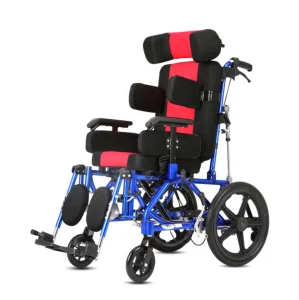
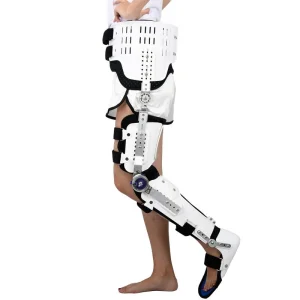
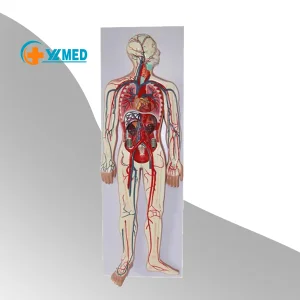
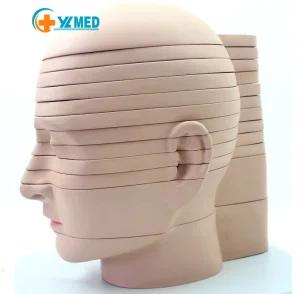
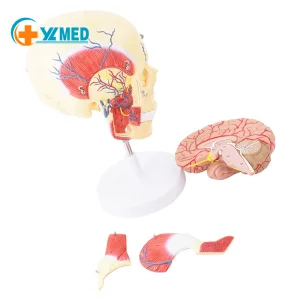
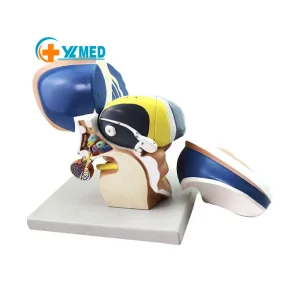
The second group of eight product programs completes the original product list. These links preserve the source product URLs and images for buyers who need to compare specific anatomy, veterinary, rehabilitation, microscope slide and rehabilitation-device options.
Need Specifications, Private-Label Packaging, a Price List or a Tender Package? We Reply Within 24 Hours.
Tell us your target market, product categories, quantities, certification requirements and delivery window. Our team can recommend suitable ODM/OEM models, explain customization feasibility, share specifications and propose a practical shipping plan for mixed-category orders.
- Email[email protected]
- Phone0086-13503800666
- Factory AddressNo. 8, Daoqing Road, Industry Park, Hongqi District, Xinxiang, Henan, China
- ManufacturerHenan Yulin Edu. Project Co., Ltd. — ISO 9001 certified since 2008