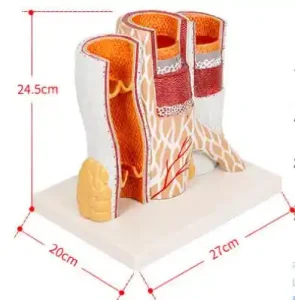
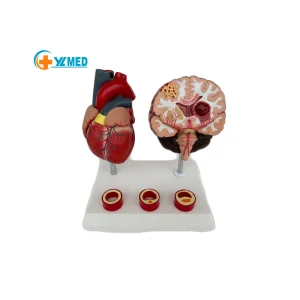
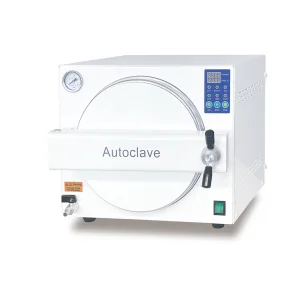
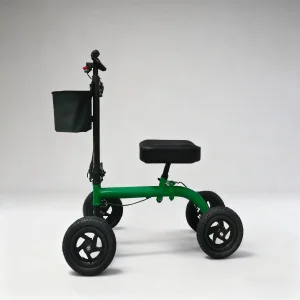
Products Frequently Quoted Alongside Suture Practice Kits
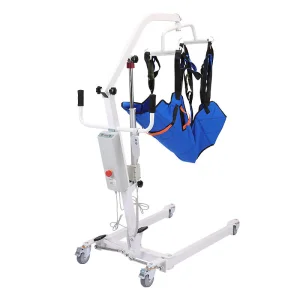
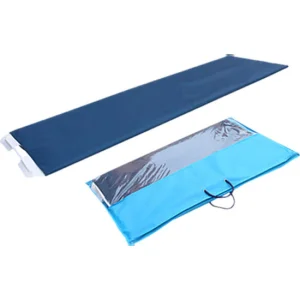
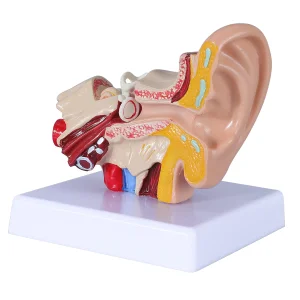
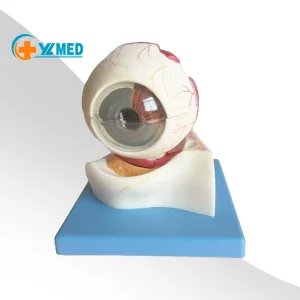
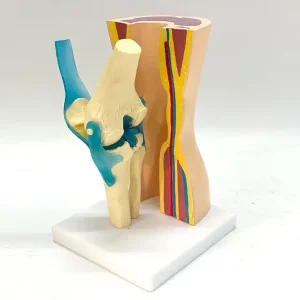
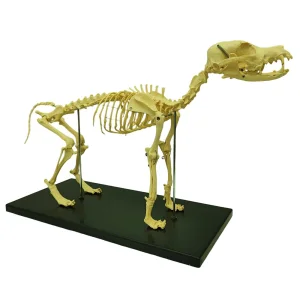
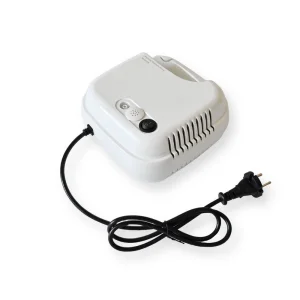
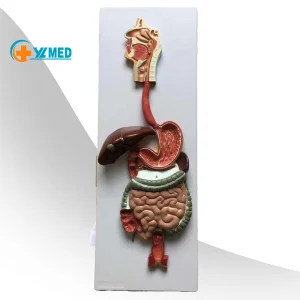
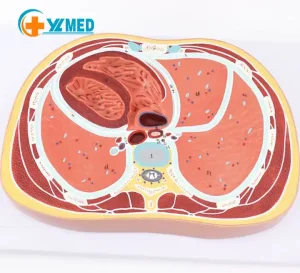
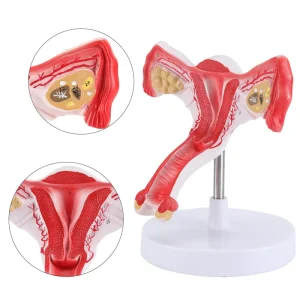
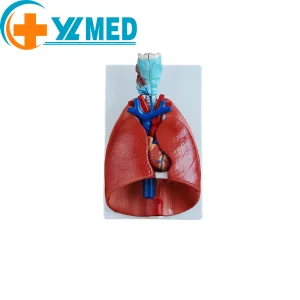
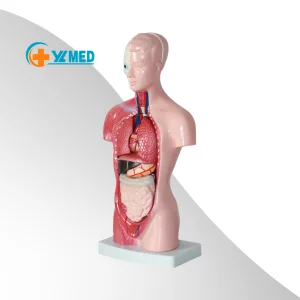
Suture training programmes rarely travel alone. Distributors, teaching hospitals and simulation centres often combine wound-closure consumables with anatomy models, nursing simulators, sterilization equipment and rehabilitation products in the same purchase order. The eight products below are representative catalog items frequently consolidated with suture-kit quotations. Each product image and product URL is retained for direct review; final specifications, packaging and prices are confirmed at quote stage.
China Suture Practice Kit Pricelist & Quotes: A Procurement Framework, Not a Fixed Price List
A useful quotation is not a single number. It is a specification, a quality standard, a packaging decision and a delivery plan. This guide explains what drives price, how to compare suppliers and how to build a repeatable programme.
Suture practice kits are no longer a generic classroom consumable. They are a training system used by medical schools, nursing programmes, surgical residency bootcamps, veterinary academies, EMS agencies and distributors that private-label procedure kits. For procurement teams, the real question is not simply “What is the lowest price per pad?” but “Which supplier can deliver repeatable tissue realism, instrument quality, packaging, documentation and replenishment at a predictable total cost?”
Henan Yulin Edu. Project Co., Ltd. (Yulin Medical) has built educational and medical training equipment in Xinxiang, China, since 1958. Our quality management system has been ISO 9001 certified since 2008, and our motto is simple: quality first, service first. With registered capital of RMB 120 million, more than 200 professional staff and ten product lines, we support distributors, universities, colleges and hospitals that need one accountable manufacturer rather than a chain of unrelated suppliers. This page is not a fixed price list; it is a buyer’s framework. Final prices depend on pad construction, instrument set, suture materials, packaging, order quantity, Incoterms, destination requirements and the documentation package you request.
What a suture practice kit actually includes
A complete kit usually contains a skin or silicone practice pad, sutures, a needle holder, forceps, scissors, a scalpel handle and blades where permitted, gloves, a storage case and a curriculum card. Some buyers separate consumables from durable instruments to simplify replenishment and customs clearance.
What changes the quotation
Pad layers, fibre orientation, skin tone, wound patterns, instrument grade, suture size, sterile-looking packaging, private-label printing, master carton strength, MOQ and destination compliance all move the price. A line-item quote is easier to compare than a lump-sum quote.
What serious buyers should ask
Ask for a sample evaluation record, material specification, instrument inspection criteria, replacement-pad pricing, carton drop-test standard, batch traceability and a clear statement of intended use. These details protect your tender, your reputation and your after-sales margin.
Global Procurement Demand: Six Buyer Segments Shaping Suture Kit Specifications
Demand for China suture practice kit pricelist and quotes is not driven by one market. Each buyer segment defines “value” differently, and those definitions should appear in the quotation.
In North America and Europe, procurement teams often focus on curriculum alignment, documentation and predictable replenishment. In the Middle East, Asia-Pacific, Latin America and Africa, distributors frequently prioritise mixed-container flexibility, private-label presentation and landed-cost control. Across all regions, buyers are moving away from one-off purchases toward annual frameworks because inconsistent pads disrupt assessment and create hidden administrative cost.
Medical schools and simulation centres
They need validated practice tasks, consistent tissue feel and repeatable assessment. A slightly higher pad cost is often acceptable if every student receives the same learning experience and if replacement pads arrive on schedule.
Nursing, EMS and allied health
High-volume programmes value durable instruments, simple kits, clear instructions and low-cost replacement pads. Packaging should survive repeated handling and storage in training rooms, ambulances or mobile teaching units.
Surgical residency and skills labs
Advanced users ask for layered pads, different wound patterns, finer sutures and procedure-specific modules. They compare realism, not only price, and often request custom configurations for bootcamps and assessment days.
Veterinary academies
Veterinary training often needs different tissue thickness, species-specific practice tasks and budget-sensitive kits. Private-label packaging and mixed orders with canine or anatomical models can improve distributor economics.
Distributors and private-label brands
They need a stable source, MOQ flexibility, barcode and label support, replacement components and a catalogue that can be localised. Their margin depends on product presentation and replenishment frequency as much as unit cost.
Hospital education and tender teams
They require documents, samples, delivery schedules and clear acceptance criteria. Multi-category consolidation with anatomy models, manikins and hospital equipment can reduce supplier administration and shipping complexity.
| Region | Typical quotation priority | Localisation and compliance note |
|---|---|---|
| North America | Curriculum fit, repeatable pad quality, replacement supply and clear intended-use labelling. | Confirm whether the buyer treats the kit as an educational product; provide English instructions, carton marks and product-specific documents where requested. |
| Europe | Documentation, packaging waste reduction, consistent batches and tender-ready specifications. | Discuss material declarations, language versions and importer responsibilities early. Classification depends on intended use and destination. |
| Middle East | Mixed-category orders, private-label presentation and reliable shipment consolidation. | Arabic labels and buyer-specific carton marks may be required. Confirm import documentation before production. |
| Asia-Pacific | Landed cost, MOQ flexibility, fast replenishment and local distributor support. | Language and labelling vary by country. Keep a master specification and adapt only what the market requires. |
| Latin America | Price competitiveness, durable packaging and mixed containers with other teaching models. | Spanish or Portuguese instructions may add value. Verify naming and claims with the local importer. |
| Africa | Affordable starter kits, replacement pads and training-the-trainer support. | Simplified kits and durable storage cases often matter more than premium packaging. Clarify after-sales responsibilities. |
Information gain: request a line-item quote, not a single lump sum
Ask the supplier to separate pad cost, instrument set, suture materials, case, packaging, tooling or plate charge, documentation and freight. This exposes the true cost of changing quantities and helps you compare offers on the same basis. It also gives your sales team a defensible price story when they speak to schools and distributors.
Macro Industry Solutions: From a Single Kit to a Simulation-Lab Programme
Buyers increasingly want a supplier who can support a programme, not just ship a box. That means curriculum-aligned configurations, private-label packaging, tender documentation, multi-category consolidation and a replenishment plan.
Curriculum-aligned kit design
Map the kit to the course: basic interrupted sutures, instrument ties, deep-layer closure or procedure-specific modules. A clear task card and consistent pad texture reduce instructor preparation time.
Private-label distributor programme
Our in-house design team develops private-label packaging and product presentation for distributors, helping increase shelf appeal and resale value in your market. Barcodes, language panels and carton marks can be planned before production.
Tender-ready documentation pack
Provide specifications, packing lists, inspection records and product-specific documents. For public tenders, consistency between the technical offer and the shipment is as important as the unit price.
Multi-category consolidation
Combine suture kits with anatomy models, nursing simulators, dental tools, hospital furniture and rehabilitation equipment. One shipment and one point of contact can reduce administration, freight waste and supplier risk.
Localisation and language support
Adapt instructions, labels, packaging and carton marks for your market. We recommend keeping a master specification and making only the changes that are required by the destination and the buyer.
Refillable and sustainable programme
Separate durable instruments from consumable pads, offer replacement pad packs and reduce unnecessary packaging where the market allows. A refill model can lower the student cost per practice session.
Total cost of ownership formula for suture practice kits
Landed programme cost = unit price + tooling or plate charge + packaging and localisation + freight and duties + compliance documentation + replacement pad consumption + inventory carrying cost + after-sales support. A quote that looks 10% cheaper per kit can become more expensive if the pad tears early, instruments fail inspection or replacement pads are difficult to reorder. Evaluate the programme, not only the first shipment.
These weights are an illustrative planning model, not a quotation formula. Actual priorities change by buyer, course level and destination.
Share requirements
Send product types, quantities, target market and any tender or certification needs.
Catalog and proposal
Receive matched models, specifications, packaging options and shipping suggestions.
Sample evaluation
Test samples with your instructors or clinicians before confirming bulk production.
Production and QC
Manufacturing and inspection follow our ISO 9001 quality management system.
Export and support
Protective export packing, delivery coordination and responsive after-sales service.
Technical Route Map and Future Outlook: Where Suture Training Is Heading
The commercial reality today is still physical practice. The next competitive advantage will come from materials consistency, modularity and useful digital support — not from technology for its own sake.
Multi-layer silicone and fibre orientation
Better separation between epidermis, dermis and subcutaneous layers, with consistent tearing behaviour. The goal is repeatable feedback for learners, not only a realistic look.
Procedure-specific modular packs
Interchangeable wound inserts for simple interrupted sutures, instrument ties, deep closures and specific specialties. Modularity reduces inventory complexity for distributors.
Sensor-ready practice pads
Embedded pressure or angle sensing can support objective assessment. Buyers should demand validation data before paying a premium; unvalidated sensors add cost without improving learning.
QR-linked instruction and competency records
A simple QR code can link to video demonstrations, assessment rubrics and replacement-part ordering. This is a low-cost way to add value without turning every kit into an electronic device.
Refill economy and material reduction
Durable instrument trays, replacement pad packs and right-sized packaging can lower waste and improve the cost per practice session. Local recycling rules should be checked before making environmental claims.
Connected simulation programmes
Skills labs may integrate consumables, manikins and assessment data into one programme. The winning supplier will be the one that can document quality and support the workflow, not merely sell a pad.
Our practical recommendation is staged adoption. Start with a stable, well-documented pad and instrument set; add modular inserts when course demand is proven; add digital or sensing features only when the buyer has a clear assessment need and the supplier can provide validation. This protects budgets and avoids “innovation” that does not improve training outcomes. For buyers who need a current China suture practice kit pricelist and quotes, the most valuable short-term improvements are usually consistency, packaging and replenishment — not an unproven electronic feature.
Localisation Support and Compliance Assurance for Cross-Border Buyers
Compliance is a process, not a logo. We support buyers with product-specific documents, labelling reviews and destination questions while keeping the intended use clear and honest.
Intended use and classification
Define whether the kit is for education, demonstration or another purpose. Classification depends on claims, components and destination rules; it should be reviewed before printing packaging.
Labels and language
English is common, but Arabic, Spanish, French or other language panels may be required by the buyer or importer. Keep warnings, batch codes and “not for clinical use” statements visible.
Private label and packaging
We support private-label packaging and product presentation. Artwork approval, barcode placement, carton marks and master-carton strength should be confirmed in writing before mass production.
Documentation pack
ISO 9001 certification has been held since 2008. Product-specific documents, inspection records and specifications can be provided on request to support tenders and import registration.
Sharps and instrument controls
Needles, blades and scissors require careful packing, warnings and import review. Some markets restrict certain items; the quotation should identify what is included and what must be sourced locally.
Tender and registration support
We can align technical descriptions with your tender structure and provide samples for evaluation. The buyer remains responsible for local registration and final regulatory interpretation.
Traceability and batch consistency
Batch codes, production records and inspection points help buyers investigate complaints and maintain repeat-order consistency. Ask for the traceability method in the quotation.
After-sales and replacement
Replacement pads, instrument spares and packaging reorders should be priced in advance. A clear after-sales path protects distributor margin and keeps training schedules on track.
Compliance note for suture practice kits
Suture practice kits are generally training and educational products, not sterile medical devices, and they must not be presented as suitable for clinical use. Where a kit includes instruments or materials with medical claims, classification depends on the intended use, components and destination. Yulin Medical provides product-specific information; the importer or buyer must verify local import rules, labelling requirements and claims before sale or use. This page is a sourcing guide, not legal advice.
Complete Sourcing Map: Ten Product Lines Under One ISO 9001 System
Ten specialised product lines let procurement teams source simulation, laboratory and hospital equipment from one accountable manufacturer instead of managing multiple suppliers. These are the original Yulin Medical category links for direct navigation.
Anatomy Models
Torso, organ, heart, brain and muscle models with numbered structures for lectures and patient education.
Biology Prepared Slides and Accessories
Histology, botany and zoology prepared slides plus storage and microscope accessories for biology labs.
Dental Tools and Equipment
Dental teaching models, clinic lights, LED whitening units and endodontic instruments for training and practice.
General Teaching Models
Science demonstration models for primary schools, secondary schools and education equipment tenders.
Hospital Furniture and Equipments
Stainless steel examination couches, stretchers, walkers and shower chairs built for daily clinical use.
Hospital Machine and Tools
Diagnosis and treatment devices and practical tools for wards, clinics and emergency departments.
Medical Apparatus and Instruments
Emergency splints, extrication devices, cervical traction and rehabilitation instruments.
Medical Nursing Model
Adult, child and neonatal CPR manikins, ACLS simulators and AED trainers for skills assessment.
Skeleton Models
Life-size and desktop skeletons, skulls, spines and joint models for osteology teaching.
Suture Pads and Kits
Realistic skin suture pads and complete instrument kits for surgical and wound-closure practice.
The sourcing advantage is not simply “more products.” It is the ability to consolidate mixed-category orders, align documentation and keep one point of contact for quality questions. For distributors, this can reduce the working capital tied up in multiple suppliers and simplify after-sales communication.
Manufacturing Depth, Quality System and the People Behind the Quote
A quotation is only credible when the factory behind it can repeat the specification. Our team manages product development, manufacturing, inspection and export from Xinxiang, Henan.

Founded in 1958, Henan Yulin Edu. Project Co., Ltd. has grown into a well-known educational and medical equipment supplier that integrates scientific research, production and sales. With registered capital of RMB 120 million and more than 200 professional employees, we manage product development, manufacturing, inspection and export from our base at No. 8, Daoqing Road, Industry Park, Hongqi District, Xinxiang, Henan, China. Our goal is to fully satisfy every customer through dependable quality and attentive service, while continuously developing the skills of our team so that each project is handled by experienced people.
- Factory-direct supply across ten product lines, from anatomy models to hospital furniture and suture pads.
- ISO 9001 quality management system certified since 2008, with product-specific documentation available on request.
- In-house design and packaging support for distributors that need private-label presentation and localised cartons.
- Export team online seven days a week, typically replying within 24 hours with catalogs, specifications and shipping options.



24/7 responsive service
Our team is online 24 hours a day, seven days a week. Whatever your time zone, you receive a detailed answer as quickly as possible, typically within 24 hours.
Design and packaging team
In-house specialists deliver professional product design and private-label packaging that strengthens your brand and increases the added value of every unit you sell.
Professional expertise
Our vision is to provide professional educational and medical training products from mainland China, built under ISO 9001 process control and decades of category knowledge.
60+ years of supply stability
A factory with more than 60 years of history and an integrated partner supply chain helps meet one-stop demands and keep lead times predictable on repeat orders.
Knowledge, Exhibitions and Buyer Education
Practical guidance from the team that designs, builds and exports training products — plus updates from the education equipment community.

Do you really know how to observe biological prepared slides?
Many plant and animal cell structures can only be studied under a microscope, which makes prepared biological slides essential in every biology lab. Yet many users never get the full value from them. Our specialists explain how to handle, focus and store slides correctly so students see clearer detail and your slide sets last for years.

The 5th Henan Provincial Educational Equipment Expo concludes successfully
Themed “Digital Leading Innovation and Development”, the expo reached a record 50,000 m² with more than 600 brands and 10,000 products on display, showcasing the latest educational equipment and training solutions.

Inside our product showroom
A look at the medical teaching models and training equipment buyers can inspect in person when visiting our Xinxiang facility. Seeing the pad texture, instrument finish and packaging in person remains one of the best ways to evaluate a supplier.
Suture Practice Kit Pricelist & Quotes: Frequently Asked Questions
Straight answers to the questions procurement managers ask most before placing a first order or renewing an annual programme.
Is Yulin Medical a manufacturer or a trading company?
We are a manufacturer. Henan Yulin Edu. Project Co., Ltd. was founded in 1958 and operates its own factory in Xinxiang, Henan, China, with more than 200 professional staff. For one-stop orders, we also coordinate a stable network of long-term partner factories.
What quality certification does Yulin Medical hold?
Our quality management system has been ISO 9001 certified since 2008. Product-specific documentation can be provided on request to support tenders and import registration in your country. Certification scope and product status should be confirmed for the exact SKU you intend to import.
Do you support OEM, private label and custom packaging?
Yes. Our in-house design team develops private-label packaging and product presentation for distributors, helping increase shelf appeal and resale value in your market. Artwork, language panels, barcodes and carton marks are confirmed before production.
How do I choose the right CPR training manikin?
Start with the learner group: adult, child or neonatal. Then check that real-time feedback covers compression depth, compression rate and ventilation volume; confirm alignment with current AHA resuscitation guidelines; and decide whether your courses need AED trainer integration. For advanced life-support programmes, an ACLS simulator with embedded scenarios offers more assessment value than a basic torso.
How quickly will I receive a reply?
Our export team is online seven days a week and typically replies within 24 hours with catalogs, specifications and shipping options. For tender deadlines, include your submission date and required documents in the first message so we can prioritise the response.
What is included in a suture practice kit quote?
A serious quote should separate pad specification, instrument set, suture materials, storage case, packaging, tooling or plate charge, MOQ, lead time, Incoterms, documentation and shipping. Ask for a line-item format so you can compare suppliers on the same basis and calculate landed cost.
Are suture practice kits medical devices?
They are generally training and educational products, not sterile medical devices, and must not be presented as suitable for clinical use. If a kit includes instruments or materials with medical claims, classification depends on intended use, components and destination. The importer or buyer must verify local rules before sale or use.
Can you consolidate suture kits with anatomy models, manikins and hospital equipment?
Yes. Our ten product lines allow mixed-category orders to be consolidated into one shipment with one point of contact. Provide your target quantities, destination and required documents; we will confirm MOQ, production schedule, packing plan and the most economical shipping option for the combined order.
Request a China Suture Practice Kit Pricelist, Sample or Tender Package
Tell us your target market, quantities, pad specification, instrument requirements, packaging language and certification needs. Our product specialists will recommend suitable models, share detailed specifications and propose a practical shipping plan. We usually reply within 24 hours.
More Products for Consolidated Sourcing
These additional catalog items are frequently requested by distributors and institutions that prefer to combine multiple product lines into one order, one inspection plan and one shipment.