
Products Displayed Below the Banner: 8 Training and Clinical Items
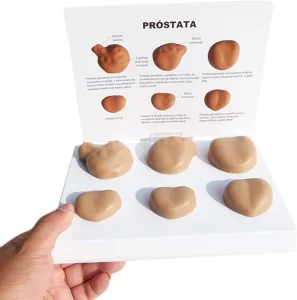
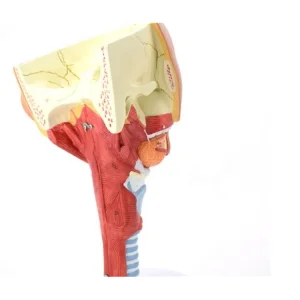
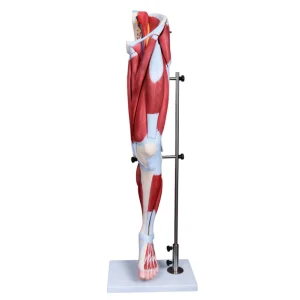
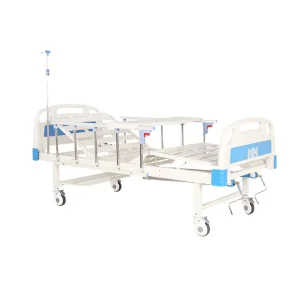
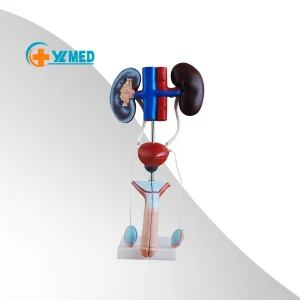
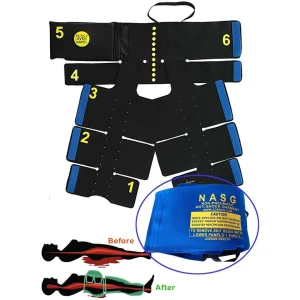
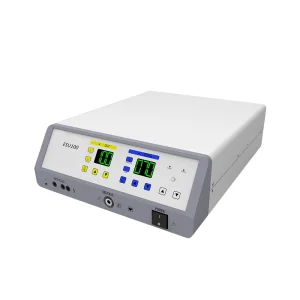
Suture pad sourcing rarely operates in isolation. Distributors and institutions often build complete skills laboratories that combine wound-closure consumables with anatomical models, emergency trainers, hospital furniture and teaching resources. The eight products below appear directly below the banner so buyers can evaluate adjacent categories in one sourcing workflow while the full guide explains the market, applications, technology route and procurement standards behind a China suture pad manufacturer relationship.
Suture Pad Manufacturing in China: What the Category Really Requires
A suture pad is not simply a piece of printed foam. It is a controlled simulation surface for instrument handling, needle placement, tissue tension, knot tying, wound closure and incision management. The best products help learners build transferable psychomotor skills before they work on patients.
A professional suture pad must reproduce several behaviours at once: realistic needle drag, controlled tissue gaping, predictable closure strength, stable layer bonding, and repeatable performance from pad to pad. Those characteristics depend on material formulation, mould design, layer architecture, assembly control and packaging. For distributors, the product is part technical training aid, part consumable and part curriculum enabler. For manufacturers, it is a materials-engineering and quality-control challenge that cannot be judged from catalogue photography alone.
China has become a major source for suture pads because the country combines polymer processing, mould-making, assembly, packaging and export logistics. However, the supplier landscape is layered. Some factories focus on low-cost single-layer pads; others invest in multi-layer skin simulation, custom kit assembly and private-label programmes. Buyers searching for a China suture pad manufacturer should compare evidence of process control, application understanding and documentation readiness rather than price alone.
Training Outcome Focus
The product must support measurable improvement in suture angle, depth, spacing, tension and knot security. Buyers should ask how the pad behaves after repeated passes and whether feedback can be standardised across learner groups.
One-Stop Category Advantage
Suture practice is often purchased alongside anatomy, emergency care, nursing and hospital equipment. A manufacturer with a broad catalogue can consolidate specifications, quality checks, packaging and shipping for distributors.
Export-Ready OEM Capability
Private-label packaging, product presentation, carton marks and mixed-category consolidation matter to importers. An experienced factory should treat these as part of the product, not as an afterthought.
Global Commercial and Industrial Status of Suture Pads
The commercial status of suture pads is shaped by the wider shift from classroom demonstration to competency-based clinical education. Demand is no longer limited to medical schools; it includes nursing colleges, surgical residency programmes, veterinary academies, emergency training centres, hospital education departments and distributors serving public tenders.
In mature markets, suture pads are increasingly specified as part of structured simulation programmes. Procurement teams ask for standardised thickness, consistent layer behaviour, needle compatibility, pack counts and clear storage instructions. In emerging markets, distributors often assemble mixed kits for hospitals, private academies and educational tenders. The same product may be described as a suturing pad, skin suture pad, practice suture pad, wound closure trainer or suturing kit. This semantic variety matters for keyword research and for product information quality: the manufacturer and distributor must explain the use case, not just the item name.
The industrial structure is layered across material suppliers, pad moulders, kit assemblers, packaging specialists, importers and end-user training institutions. A reliable China suture pad manufacturers partner should manage these interfaces with clear specifications and repeatable batch control. Yulin Medical operates from No. 8, Daoqing Road, Industry Park, Hongqi District, Xinxiang, Henan, China, with registered capital of RMB 120 million. Its suture pads and kits sit within a broader catalogue that includes anatomy models, biology prepared slides, dental equipment, hospital furniture, medical instruments, nursing models, skeleton models and general teaching models.
- Commercial demand: recurring consumable orders, tender-driven kit requirements and private-label programmes for distributors.
- Industrial differentiation: material consistency, layer bonding, needle drag, packaging protection and batch traceability separate professional suppliers from low-cost assemblers.
- Buyer intent: sourcing teams search for suppliers, manufacturers, factory-direct pricing, OEM service, custom suture pads and mixed medical teaching equipment.
- Supply-chain value: one consolidated shipment from one accountable manufacturer reduces inspection complexity and coordination risk.
Indicative Procurement Priority Signals for Suture Training Products
Buyer conversations in education and healthcare distribution commonly prioritise the following factors. The profile is qualitative and intended to support specification discussions rather than represent a statistical market forecast.
Four Industry Trends Reshaping Suture Pad Sourcing
Suture pad manufacturing is moving from a simple accessory category toward a more technical, curriculum-linked and brand-sensitive supply category. These trends affect product specification, packaging, quality documentation and supplier selection.
From Single Pads to Procedure-Ready Kits
Buyers increasingly request kits that combine pads, sutures, instruments, trays and instructional inserts. Kits reduce preparation time for training centres and create stronger distributor offers for tender packages.
Higher Realism and Layered Tissue Fidelity
Multi-layer construction now targets epidermis, dermis, subcutaneous tissue and sometimes vessel or muscle simulation. The goal is more realistic needle feedback, wound gaping and closure behaviour.
Private Label and Localisation
Distributors want packaging, language, pack counts and product naming aligned with local curricula. OEM and private-label support helps suppliers build resale value instead of competing only on unit price.
Traceability and Material Confidence
Importers increasingly request batch identification, material descriptions, packaging tests and clear handling guidance. Traceability protects both the distributor and the training institution.
Suture pads are becoming an assessed training consumable rather than an optional classroom extra. That shift raises the value of manufacturers who understand surgical learning objectives, not only moulding processes.
Yulin Medical sourcing perspectiveLocalized Application Scenarios for Suture Pads and Kits
The same suture pad can serve different learning outcomes depending on the institution. A clear application narrative helps distributors select pad thickness, layer realism, kit contents, packaging and instructional materials for each market.
Medical School Surgical Foundations
Basic knot tying, instrument handling and simple interrupted sutures. Pads should tolerate repeated practice and support standardised assessment across large student cohorts.
Nursing and Allied Health Programmes
Wound closure, dressing preparation and aseptic technique. Softer pads and clear instructional inserts help non-surgical learners build confidence without overcomplicating technique.
Residency and Operating-Room Orientation
More realistic multilayer pads support advanced suturing, deep closure and tissue handling practice. Kit presentation can match department protocols and simulation-centre inventory systems.
Veterinary and Animal Health Training
Veterinary colleges and pet-care training teams need durable pads and appropriate instruments for small-animal closure practice. Mixed orders can include veterinary infusion equipment and anatomy models.
Hospital Competency Refresh
Hospitals use suture pads for orientation, refresher workshops and low-frequency procedure maintenance. Batch packaging and storage stability become important for departmental inventory.
Distributor and OEM Education Kits
Distributors can localise packaging, language and kit composition for schools, academies and tender requirements, building a branded training solution rather than a commodity item.
Technology Roadmap and Future Outlook
The next stage of suture pad development is likely to combine material realism, modular curriculum design, traceable manufacturing and optional digital support. Manufacturers that prepare for these layers can serve higher-value education and healthcare programmes.
1. Material Architecture
Multi-layer skin simulation, tuned foam density, tear resistance and needle-drag control will continue to differentiate higher-value suture pads from basic practice boards.
2. Feedback-Enabled Training
Sensor-ready or digitally supported training formats may help assess depth, angle and consistency. Physical pads will remain central, but data can improve coaching and quality assurance.
3. Modular Curricula and Kits
Kits aligned with defined learning objectives, assessment rubrics and local language inserts will be easier for institutions to adopt and for distributors to localise.
4. Traceable, Sustainable Production
Batch identification, material documentation, packaging reduction and efficient carton design will strengthen trust and support international procurement requirements.
Over the coming decade, the most competitive suture pad manufacturers in China are likely to be those that combine consistent physical products with curriculum knowledge, responsive OEM support and transparent quality communication. The future is not only about making a pad look realistic in a photograph; it is about proving that the same pad performs predictably in a classroom, a simulation centre, a hospital refresher programme or a distributor’s tender package. For Yulin Medical, this aligns with a broader capability: supplying medical teaching models, nursing simulation, hospital equipment and educational resources through one accountable manufacturing relationship.
Macro Industry Solutions for Distributors and Institutions
A macro solution connects product supply with the realities of procurement: mixed-category orders, tender documentation, private-label presentation, inventory planning and reliable after-sales communication.
One-Stop Simulation Supply
Combine suture pads and kits with anatomy models, CPR manikins, nursing models, skeleton models and hospital equipment. One supplier contact can simplify specification matching, inspection and shipment consolidation.
OEM and Private-Label Programme
Use in-house design and packaging support to create distributor brands, local-language labels and product sets that fit specific markets. Private-label packaging can raise shelf appeal and resale value.
Tender and Compliance Package
Prepare specifications, packing lists, batch information and product documentation for tenders and import registration. ISO 9001 certification since 2008 supports quality management discussions.
Inventory and Logistics Planning
Plan repeat orders around training calendars, tender deadlines and shipping cycles. Mixed-category orders can be consolidated into one shipment with one point of contact for export coordination.
How to Evaluate a China Suture Pad Manufacturer with E-E-A-T
E-E-A-T is not a badge; it is a pattern of evidence. For medical training products, buyers should look for experience, real expertise, authoritative process control and trustworthy communication.
Experience You Can Verify
Henan Yulin Edu. Project Co., Ltd. was founded in 1958 and has more than 200 professional staff. A long manufacturing history is not enough by itself, but it provides useful context when combined with evidence of current process control.
- Company history and factory location
- Staff strength and product-line breadth
- Export experience with distributors and institutions
Expertise in Materials and Training Use
Suture pads must be designed around learning outcomes. Ask how thickness, layer structure, tear resistance and needle compatibility are specified. A manufacturer should speak the language of surgical training as well as moulding.
- Material and layer specification
- Needle and suture compatibility guidance
- OEM packaging and curriculum-kit support
Trust Signals for International Buyers
ISO 9001 certification since 2008, transparent contact details, clear specifications, sample evaluation and a 24-hour reply commitment reduce sourcing risk. Our motto remains quality first, service first.
- Address: No. 8, Daoqing Road, Industry Park, Hongqi District, Xinxiang, Henan, China
- Email: [email protected]
- Phone: 0086-13503800666
Frequently Asked Questions from Importers
These are the questions procurement managers, distributors and training institutions ask most often when evaluating a China suture pad manufacturer and related medical teaching equipment.
Is Yulin Medical a manufacturer or a trading company?
We are a manufacturer. Henan Yulin Edu. Project Co., Ltd. was founded in 1958 and operates its own factory in Xinxiang, Henan, China, with more than 200 professional staff. For one-stop orders, we also coordinate a stable network of long-term partner factories.
What quality certification does Yulin Medical hold?
Our quality management system has been ISO 9001 certified since 2008. Product-specific documentation can be provided on request for tenders and import registration.
Do you support OEM, private label and custom packaging?
Yes. Our in-house design team develops private-label packaging and product presentation for distributors, helping increase shelf appeal and resale value. Suture pad kits can also be localised by language, pack count and kit composition.
How do I specify the right suture pad?
Define the learner group, suture type, needle size, required tissue realism, pad thickness, layer structure, pack count and assessment method. Then request samples for instructor evaluation before confirming bulk production. For distributors, mixed kits with instruments and instructional inserts often improve resale value.
How do I choose the right CPR training manikin?
Match the manikin to the learner group such as adult, child or neonatal. Check that real-time feedback covers compression depth, rate and ventilation, confirm alignment with current AHA resuscitation guidelines where relevant, and decide whether AED training integration is required.
How quickly will I receive a reply?
Our export team is online 7 days a week and typically replies within 24 hours with catalogs, specifications and shipping options. Tell us your target market, quantities and certification requirements so our specialists can recommend suitable models.
Need Suture Pad Specifications, a Price List or a Mixed-Category Tender Package?
Tell us your market, learner group, quantities and documentation needs. Yulin Medical can recommend suitable suture pad and kit options, combine them with anatomy models, nursing simulators, hospital equipment and teaching resources, then propose an economical shipping plan.
No. 8, Daoqing Road, Industry Park, Hongqi District, Xinxiang, Henan, China
Founded 1958 · Registered capital RMB 120 million · ISO 9001 certified since 2008
Bottom Product Showcase: 8 Additional Medical Training and Equipment Products
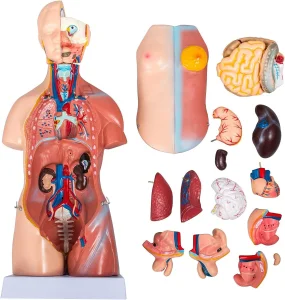
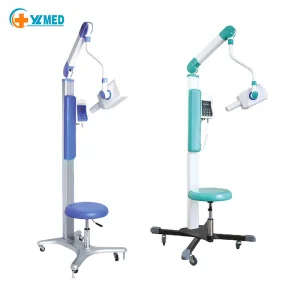
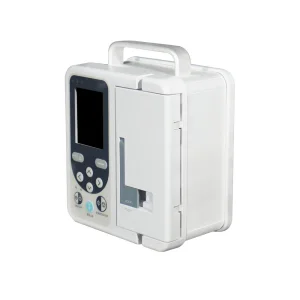
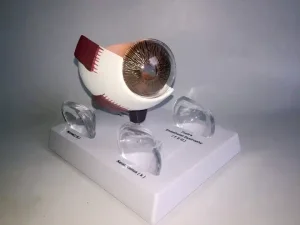
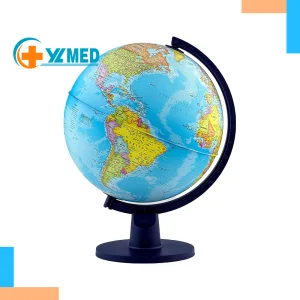
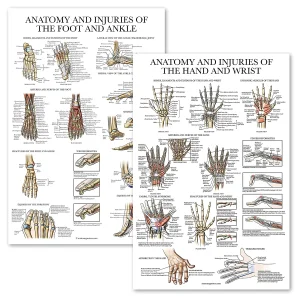
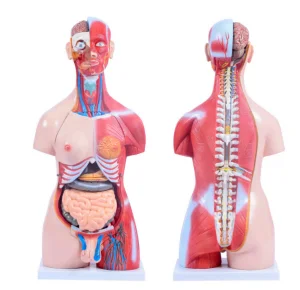
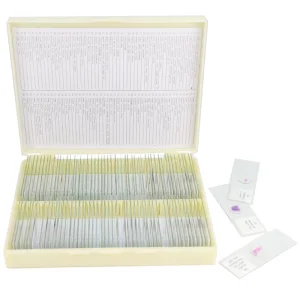
This final grid displays the remaining eight products from the original product set. Every image and product URL is retained so buyers can continue from suture pad sourcing into adjacent categories such as dental radiography, veterinary infusion, eye anatomy, geography teaching, anatomy posters, muscular torso models and prepared microbiology slides.
All original product images and product URLs from the provided set are retained above and in the banner-adjacent product grid. Images are fully displayed with proportional scaling and contain-style presentation.