China Simulation Injection Pad Manufacturers & Factories
A practical sourcing guide to injection training pads, OEM/ODM simulation consumables and factory-direct medical teaching models from an ISO 9001 manufacturer established in 1958.
Factory-Ready Products for Simulation, Anatomy & Clinical Skills Training
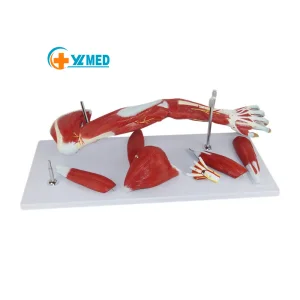
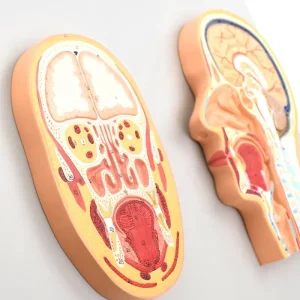
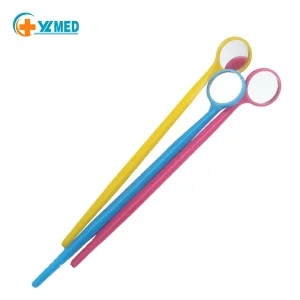
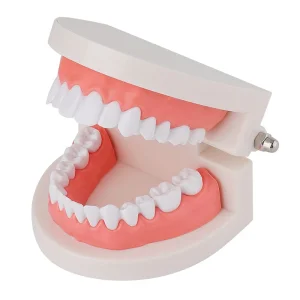
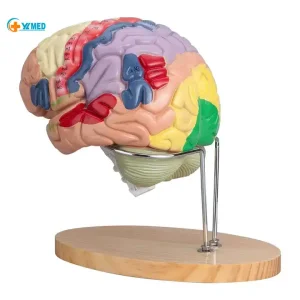
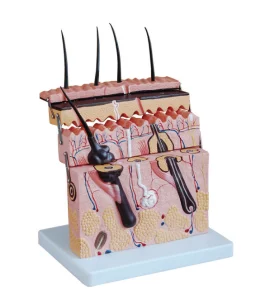
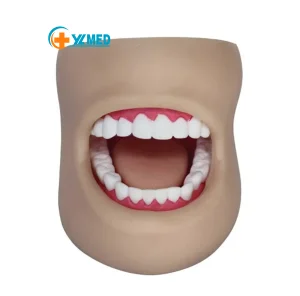
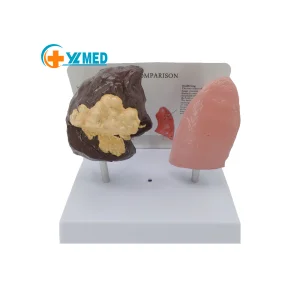
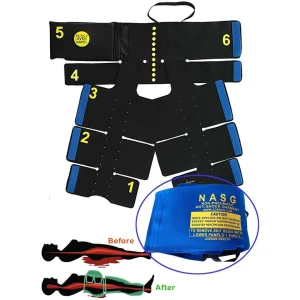
Procurement teams evaluating China simulation injection pad manufacturers and factories also need complementary teaching assets. These eight products demonstrate the factory's range across anatomical study, dental training, emergency care and classroom demonstration.
From Price Discovery to Capability Discovery in Simulation Injection Pad Sourcing
Global buyers no longer search for China simulation injection pad manufacturers and factories only to compare unit prices. They are evaluating material science, needle-feel realism, repeat-order consistency, documentation and the ability to localize packaging for different curricula.
Injection training is a high-frequency, high-consequence skill. A simulation injection pad must teach learners how to control angle, depth, pressure and aspiration while protecting the confidence of the learner and the economics of the training center. That is why the best sourcing decisions treat an injection pad as a technical training instrument, not a disposable accessory. The supplier's mold discipline, elastomer formulation, batch traceability and packaging logic directly shape how many effective practice repetitions each pad can support.
Yulin Medical's guide is written from the perspective of a China-based medical and educational equipment manufacturer established in 1958 and ISO 9001 certified since 2008. The factory's portfolio spans anatomy models, dental teaching products, nursing simulation, emergency devices and hospital equipment. This breadth matters because many distributors buy injection training consumables together with anatomy models, CPR manikins, suture pads and classroom demonstration aids. A single accountable supplier reduces coordination risk, simplifies inspection and consolidates export packing.
What Makes a High-Fidelity Simulation Injection Pad Different?
A credible China injection training pad factory should be able to explain the material architecture, not just the skin color. The most important variables are hardness gradient, puncture resistance, self-healing behavior and fluid management.
Dermis–epidermis hardness gradient
Realistic resistance comes from layers, not a single soft block. The pad should mimic skin surface tension, subcutaneous give and deeper tissue resistance so learners feel a controlled transition as the needle advances.
Needle-drag signature
Every curriculum has a preferred feel. A well-engineered pad balances lubricity and friction so the needle does not skate, tear or enter too easily. Buyers should compare samples using the needle gauges used in actual training.
Self-healing cycle index
Repeated injections create micro-channels that can change fluid behavior and needle feel. A factory should define a repeatable test method for closure time, surface recovery and leakage resistance across a stated number of puncture cycles.
Fluid and infection-control behavior
If the pad is designed for fluid simulation, the factory must control reservoir volume, leakage pathways and cleanability. For dry training, surface residue and disinfectant compatibility still matter for shared classroom use.
Where Injection Pad Manufacturing Is Heading Through 2030
The next generation of simulation injection pads will combine better materials with measurable training data. China factories that invest in mold precision, sensor integration and documentation will move from commodity supply into program-level partnerships.
Multi-layer material architecture
Silicone, hydrogel and hybrid elastomers will be tuned as systems. The goal is a stable skin surface, realistic subcutaneous drag and consistent self-healing across climates.
Sensor-enabled training pads
Conductive paths and pressure sensing can detect depth, angle and aspiration attempts. The pad becomes a data source for objective skills assessment rather than a passive practice surface.
AI and AR feedback loops
Camera-based motion tracking and AR overlays can guide landmark selection and injection angle. Pads with stable visual references will be easier to calibrate for digital scoring.
Sustainable and low-waste materials
Buyers increasingly request recyclable packaging, reduced material waste and safer formulations. Factories that document material origin and end-of-life options will win regulated markets.
Modular and localized kits
Regional curricula differ in needle type, aspiration protocol and documentation language. Modular pads, localized labels and private-label kits will replace one-size-fits-all packaging.
From Classroom to Hospital System: Matching the Pad to the Training Program
Different buyers define realism differently. A nursing school may prioritize cost per repetition, while a hospital simulation center may require sensor feedback, standardized documentation and strict batch consistency.
Nursing and medical schools
Need durable pads for repeated classroom practice, clear anatomical landmarks and predictable replacement schedules. Mixed orders with anatomy models and suture pads simplify procurement.
Hospitals and simulation centers
Require standardized training outcomes, documentation and consistency across departments. Sensor-ready pads and batch traceability support accreditation and internal audit.
EMS, military and field training
Need rugged kits, compact packaging and fast setup. Injection pads can be paired with emergency splints, CPR trainers and airway models for scenario-based drills.
Distributors and OEM brands
Focus on private-label packaging, resale value, stable lead times and mixed-category consolidation. The supplier becomes an extension of the distributor's own quality promise.
Supply Chain Resilience and Efficiency Advantages of Chinese Factories
China's manufacturing advantage in simulation consumables is not a single low-cost input. It is the density of tooling, elastomer suppliers, clean assembly, packaging converters, inspection labs and export logistics within a connected industrial region.
Yulin Medical operates from Xinxiang, Henan, with a factory history dating to 1958, registered capital of RMB 120 million and more than 200 professional staff. Its ISO 9001 quality management system has been certified since 2008. The company integrates product development, manufacturing, inspection and export, and coordinates long-term partner factories for one-stop orders. That structure supports the resilience advantage: a buyer can place mixed orders across anatomy models, nursing simulation, dental teaching products and hospital equipment while retaining one point of accountability.
Factory 4.0 readiness means more than automated machines. It means digital documentation, mold maintenance discipline, material lot tracking and export packing rules that reduce variability. For injection training pads, these controls protect the tactile feel that learners depend on. When a repeat order arrives six months later, the buyer needs the same needle drag, the same surface closure and the same packaging experience.
Visual emphasis of operational control priorities, not a third-party audit score.
Localization Support and Compliance Assurance for Global Buyers
International buyers need more than a product photo. They need labeling that matches local language requirements, packaging that survives distribution, documents that support tenders and a quality trail that can answer importer questions.
Documentation packages
ISO 9001 certification evidence, product specifications, packing lists and product-specific documents can be prepared on request to support tenders, importer registration and internal quality review.
Language and labeling
Private-label artwork, instruction inserts and carton markings can be localized for target markets. Clear lot, storage and handling information helps distributors reduce after-sales confusion.
Private-label packaging
An in-house design and packaging team helps distributors strengthen shelf presence and increase resale value without building their own tooling or sourcing multiple suppliers.
Tender and import support
Export teams can align quotations, packing data, model codes and lead times with tender schedules. Buyers should confirm destination-specific regulatory requirements before shipment.
Sample validation
Test samples before bulk production. Run the needles, fluids and disinfection routines used in your program. Document acceptance criteria so repeat orders can be checked against the same standard.
After-sales responsiveness
Export service is available seven days a week with a typical reply within 24 hours. Fast answers on specifications, replacement parts and shipping options protect distributor stock planning.
What Importers, Distributors and Institutions Ask Before Ordering
Successful sourcing programs define acceptance criteria before they request quotations. The most common requirements combine flexibility, documentation, packaging and repeatability.
MOQ flexibility and mixed orders
Distributors often want to test several SKUs in one shipment. Mixed-category consolidation across teaching models, dental products and simulation accessories reduces inventory risk.
OEM and ODM collaboration
Private-label packaging, product presentation and localized kits help distributors build brand value. Clear artwork approval and pre-production samples protect both sides.
Shipping and export packing
Protective inner packing, carton strength and labeling matter for simulation consumables. A single point of contact for consolidated shipments simplifies customs and receiving.
Quality consistency
Repeat orders should be compared against approved samples. Request batch records, inspection checkpoints and clear change-notification rules for materials or packaging.
Ten Product Lines from One Accountable Manufacturer
Simulation injection pads are often purchased alongside broader teaching and clinical equipment. Yulin Medical's ten product lines support one-stop sourcing, consolidated inspection and efficient export packing.
Anatomy Models
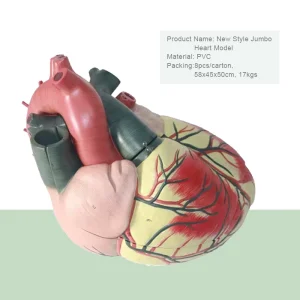
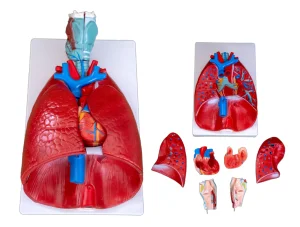
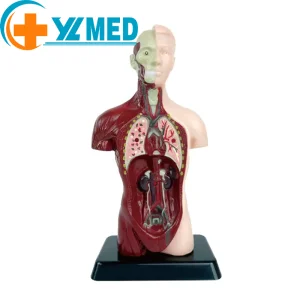
Torso, organ, heart, brain and muscle models for lectures, labs and patient education.
View range → 02Biology Prepared Slides and Accessories
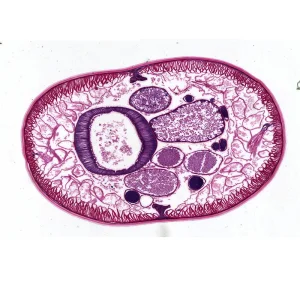
Histology, botany and zoology slides plus storage and microscope accessories.
View range → 03Dental Tools and Equipment
Dental teaching models, clinic lights, whitening units and endodontic instruments.
View range → 04General Teaching Models
Science demonstration models for schools, colleges and education equipment tenders.
View range → 05Hospital Furniture and Equipments
Stainless steel couches, stretchers, walkers and shower chairs for daily clinical use.
View range → 06Hospital Machine and Tools
Diagnosis and treatment devices and practical tools for wards, clinics and emergency teams.
View range → 07Medical Apparatus and Instruments
Emergency splints, extrication devices, cervical traction and rehabilitation instruments.
View range → 08Medical Nursing Model
Adult, child and neonatal CPR manikins, ACLS simulators and AED trainers.
View range → 09Skeleton Models
Life-size and desktop skeletons, skulls, spines and joint models for osteology teaching.
View range → 10Suture Pads and Kits
Realistic skin suture pads and complete instrument kits for surgical and wound-closure practice.
View range →A Transparent 5-Step Process for Overseas Buyers
From first inquiry to delivery, each stage has clear documentation and a named point of contact so buyers can plan tenders, stock and training schedules with confidence.
Share Requirements
Send product types, quantities, target market, needle types and any tender or certification needs.
Catalog & Proposal
Receive matched models, specifications, packaging options and practical shipping suggestions.
Sample Evaluation
Test samples with instructors or clinicians before confirming bulk production and acceptance criteria.
Production & QC
Manufacturing and inspection follow the ISO 9001 quality management system with batch records.
Export & Support
Protective export packing, delivery coordination and responsive after-sales service.
A Six-Decade Manufacturer Built for Long-Term Supply Stability
Founded in 1958, Henan Yulin Edu. Project Co., Ltd. has grown into a medical and educational equipment supplier integrating scientific research, production and sales. The motto is simple: quality first, service first.
24/7 Responsive Service
The export team is online seven days a week and typically replies within 24 hours with catalogs, specifications and shipping options, whatever the buyer's time zone.
Design & Packaging Team
In-house specialists deliver professional product presentation and private-label packaging that strengthens brand value and increases the resale value of each unit.
Professional Expertise
Decades of category knowledge in anatomy, nursing simulation, dental teaching and hospital equipment, supported by ISO 9001 process control since 2008.
60+ Years of Supply Stability
A long factory history and a stable partner supply chain support one-stop demands and predictable lead times for repeat orders and mixed-category shipments.
Need specifications, a price list or a tender package?
Tell us your target market, quantities and documentation requirements. The export team will recommend suitable models and a practical shipping plan.
Factory address: No. 8, Daoqing Road, Industry Park, Hongqi District, Xinxiang, Henan, China. Email: [email protected]. Phone: 0086-13503800666.
Practical Insights from the Team That Designs and Builds the Products
Buyer guides, lab practice notes and exhibition updates help distributors and educators make better decisions before they place an order.

Do You Really Know How to Observe Biological Prepared Slides?
Many plant and animal cell structures can only be studied under a microscope, which makes prepared biological slides essential in every biology lab. Correct handling, focusing and storage help students see clearer detail and extend the life of slide sets.

The 5th Henan Provincial Educational Equipment Expo Concludes Successfully
Themed “Digital Leading Innovation and Development”, the expo reached 50,000 m² with 600+ brands and 10,000+ products, showcasing the latest educational equipment for schools, laboratories and training centers.
Frequently Asked Questions About China Simulation Injection Pad Factories
Straight answers to the questions procurement managers, distributors and training institutions ask most before placing a first or repeat order.
Is Yulin Medical a manufacturer or a trading company?+
What quality certification do you hold?+
Do you support OEM, private label and custom packaging?+
How do I choose the right CPR training manikin?+
How quickly will I receive a reply?+
What should buyers look for in a simulation injection pad factory?+
Can injection pads be customized for different needle gauges and training levels?+
How do you manage consistency across repeat orders?+
What documentation is available for tenders and import registration?+
More Factory-Direct Teaching, Simulation & Clinical Products
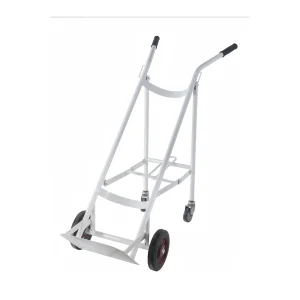
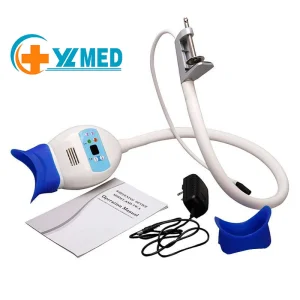
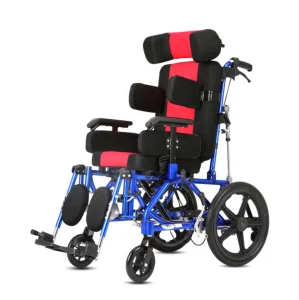
The second group of eight products highlights the factory's broader sourcing capability, from heart and organ models to microscopy slides, hospital trolleys, dental beauty instruments and rehabilitation wheelchairs.