China Silicone Wound Pad Quotes & Service
Factory-direct quotation guidance, OEM and private-label service, global documentation support, and a 60+ year medical manufacturing partner — with the original Yulin Medical product and company resources preserved below.
Original product list — first 8 items
All original product images, descriptions and URLs are retained. Each product link is presented as a button for quick quote requests and product review.
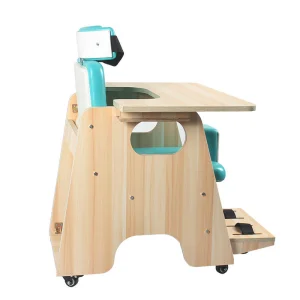
Wholesale Medical Supplies Anti-deformity Medical Rehabilitation Training Seat Children's Hemiplegia Sitting Posture Correction Body Manufacturer, Factory
View product / request quote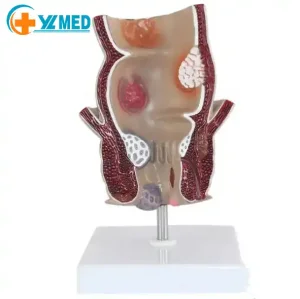
ODM Medical teaching Used for teaching enlarged display of anorectal acne pathological model rectal intestinal anatomical model Factory, Pricelist
View product / request quote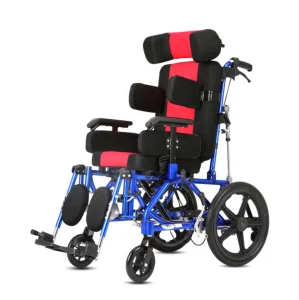
OEM High End Heavy Duty Children's CP Wheelchair Aluminum Alloy Manual Wheelchair for Cerebral Palsy Rehabilitation Therapy Supplies Manufacturer, Manufacturers
View product / request quote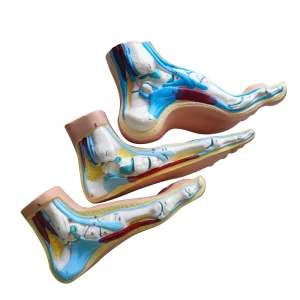
ODM PVC flat foot and arch model foot structure teaching display model for medical science education Factories, Pricelist
View product / request quote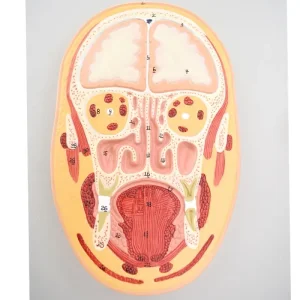
Wholesale Frontal section model of the human head Manufacturers, Pricelist
View product / request quote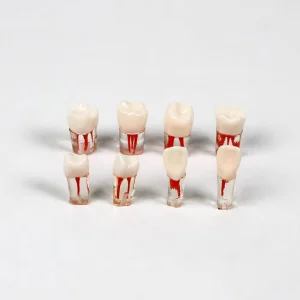
OEM Advanced Dental Root Canal Model for Effective Endodontic Training and Resin Teeth Replacement RCT Practice Replace Resin Teeth Factory, Factories
View product / request quote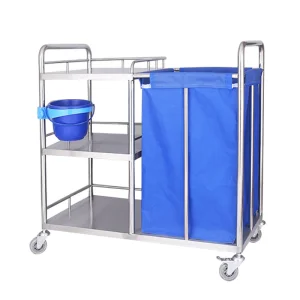
OEM Modern Stainless Steel Medical Trolley Mobile Hospital Furniture for Waste Collection and Commercial Use Factories, Quotes
View product / request quote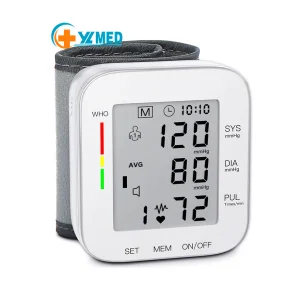
OEM Wrist Blood pressure monitor Blood pressure monitor Large LCD sphygmomanometer Adjustable wrist strap 5.31-7.68 inches Manufacturer, Factories
View product / request quoteFrom unit price to total procurement value: a buyer’s framework for China silicone wound pad quotes
“China Silicone Wound Pad Quotes & Service” is not a single price request. It is a procurement decision that combines materials science, clinical application, regulatory documentation, sterilization strategy, packaging, supply reliability and after-sales responsiveness. A silicone wound pad may be a perforated silicone wound-contact layer, a silicone-coated absorbent pad, or a multi-layer dressing designed to reduce adherence, support moisture management and protect fragile peri-wound skin. Buyers searching for quotes are usually comparing three things at once: unit cost, total landed cost, and the supplier’s ability to provide consistent documentation across repeat orders.
This guide is written for distributors, hospital groups, home-care brands, tender teams and OEM/private-label owners who need more than a catalogue price. It explains how to evaluate a Chinese manufacturing partner, what to include in an RFQ, which standards and documents to request, and how to localize a silicone wound pad programme for different care settings. It also preserves the original Yulin Medical product and company content, including medical teaching models, CPR manikins, hospital furniture and rehabilitation equipment, because many international buyers source wound-care consumables and clinical training products within the same procurement cycle.
The strongest quote is not always the lowest quote. In wound-care sourcing, a low piece price can disappear when a supplier adds tooling, documentation, minimum order quantities, packaging engineering, sterilization coordination or air freight. A capable China partner should make these variables visible before deposit, then lock the approved specification into a signed sample, a bill of materials and an inspection plan.
What buyers really mean by “China silicone wound pad quotes and service”
Search intent around this phrase is commercial-investigation plus supplier validation. The searcher may be ready to request a quotation, but they are also testing whether the supplier understands clinical use, regulatory evidence and repeat-order consistency.
Transactional intent
“Quotes” signals a request for pricing, MOQ, lead time, sample cost, shipping terms and payment conditions. The buyer wants a clear quotation matrix, not a generic catalogue PDF.
Supplier-validation intent
“Service” signals questions about OEM/private label, regulatory documents, sample iteration, quality control, after-sales support and whether the supplier can serve as a long-term partner.
Application intent
Clinical and procurement teams want to know which pad format suits post-operative wounds, fragile skin, chronic wounds, home care or kit assembly. Application fit changes the specification.
For SEO and content quality, a page targeting this query should answer the full semantic field: silicone wound contact layer, perforated silicone film, low-adherence dressing, absorbent pad, medical-grade silicone, private-label wound care, ISO 13485, ISO 10993, shelf life, sterilization, traceability, sample approval, MOQ and landed cost. Thin content that repeats “high quality, best price, fast delivery” does not demonstrate experience. A useful page shows how a quotation is built and how a buyer can verify each claim.
The E-E-A-T signal here is not a badge alone. It is evidence of experience: how samples are approved, how specifications are frozen, how complaints are investigated and how documents are controlled. That is why this page gives a practical quote checklist rather than only promotional statements.
The engineering behind a reliable silicone wound pad
A silicone wound pad is a dressing system, not a single material. The construction usually combines a skin-contact layer, an absorbent or cushioning core, a backing film, and optional adhesive borders. The silicone component is often a soft, perforated silicone gel or silicone-coated film intended to reduce adherence to the wound bed while allowing exudate to pass into the absorbent layer. The exact design determines comfort, handling, breathability, absorbency, stay-on performance and the regulatory evidence required.
Skin-contact layer
Silicone gel or perforated silicone film is selected for gentleness and low trauma. Perforation density, aperture size and coating weight influence exudate transfer and release behaviour.
Absorbent core
Nonwoven, foam, cellulose or superabsorbent blends change thickness, absorbency and cushioning. The core must match the expected exudate level and the intended wear time.
Backing and border
Backing film, adhesive border and release liner affect waterproofness, conformability and application time. A borderless pad and an adhesive-bordered pad are different products with different quotes.
Silicone wound pad quotation matrix
A practical RFQ should also state the target market, intended user, wear time, reimbursement or tender requirements, annual volume, first-order quantity, packaging language and whether the buyer needs a sterile or non-sterile SKU. These details allow the factory to quote accurately and reduce later engineering changes.
Why the supply chain matters more than a low unit price
China’s advantage in silicone wound pad manufacturing is not only labour cost. It is the depth of the medical materials ecosystem: silicone formulators, medical film converters, nonwoven suppliers, adhesive coaters, die-cutters, pouch printers, sterilization service providers and export logistics are often located within a concentrated industrial network. That proximity supports faster sampling, tighter iteration and more flexible private-label programmes.
Yulin Medical is based in Xinxiang, Henan, with a manufacturing history dating to 1958, ISO 9001 certification since 2008 and more than 200 professional staff. Our original strength is medical teaching models, CPR and nursing simulators, hospital furniture and rehabilitation equipment. For silicone wound pad projects, Yulin works as a factory-direct sourcing and service partner through qualified medical consumables manufacturing resources, so buyers can coordinate wound-care samples, private-label packaging, documentation and consolidated shipment alongside our core medical product lines.
Integrated material conversion
Silicone coating, lamination, die-cutting, pouch sealing and cartoning can be coordinated as one project, reducing hand-off risk between separate suppliers.
Customization speed
New sizes, perforation patterns, private-label artwork and kit configurations can be developed through sample iterations before mass production.
Quality process control
Approved samples, incoming material checks, in-process inspection, final inspection and lot traceability help protect repeat orders.
Total landed cost
Material yield, carton optimization, MOQ, consolidation and shipping mode can matter as much as the ex-works piece price.
Export documentation
Commercial invoice, packing list, certificate of origin and product-specific quality documents can be coordinated for tender and customs needs.
Long-term supply focus
A 60+ year manufacturing culture and a 24-hour reply commitment support distributors who need predictable communication, not one-off transactions.
The E-E-A-T test: documents, traceability and change control
For medical products, experience and authority must be demonstrable. A supplier should be able to explain its quality management system, show how materials are controlled, define the inspection plan and provide product-specific evidence. Generic certificates are helpful for supplier screening, but they do not replace a product-specific technical file review.
Biocompatibility
Ask for test reports relevant to skin contact, cytotoxicity, irritation and sensitization. Confirm the test article matches the final materials and process.
Sterilization
If the SKU is sterile, request the sterilization method, validation summary, bioburden controls and packaging validation. Non-sterile claims must also be clear.
Packaging integrity
Pouch material, seal strength, shelf-life study and transport simulation should match the product’s distribution environment and claimed shelf life.
Traceability
Lot numbers, raw-material records, production dates, inspection results and complaint handling should be linkable from finished pack to batch record.
Common standards and frameworks to discuss with a qualified supplier include ISO 13485 for medical device quality management, ISO 9001 for general quality management, ISO 10993 for biological evaluation, ISO 11607 for packaging, ISO 11135 and ISO 11137 for sterilization methods, EU MDR requirements where applicable, and REACH or RoHS declarations for market-specific chemical restrictions. FDA requirements depend on product classification and claims, so U.S. buyers should confirm the regulatory pathway with their own regulatory specialist. This article is procurement guidance, not legal or regulatory advice.
A strong document package may include a certificate of analysis, certificate of conformity, material safety data sheets where relevant, biocompatibility reports, sterilization validation summary, packaging validation summary, shelf-life rationale, IFU artwork, label proof and change-control procedure. The buyer should confirm that the documents are current, product-specific and issued for the same manufacturing site and material formulation as the quoted SKU.
What distributors, hospitals and tender teams ask before they place an order
International procurement teams evaluate a Chinese wound-care supplier across five practical dimensions: product fit, regulatory readiness, total cost, supply continuity and communication quality. The questions differ by market, but the underlying due diligence is similar.
European Union
Buyers commonly ask for a technical file structure aligned with EU MDR, classification rationale, IFU language control, UDI labelling, authorized representative details and post-market surveillance arrangements.
United States
U.S. buyers should clarify product classification, claims, establishment registration, listing and whether a 510(k) or other pathway is required. Supplier documentation must support the buyer’s own regulatory decision.
Middle East and Africa
Tender-driven markets often prioritize certificate of origin, conformity documents, Arabic or bilingual labelling, tender samples, shelf-life remaining on arrival and reliable shipping schedules.
Latin America
Local registration, Spanish or Portuguese labelling, importer responsibilities and sample documentation can affect project timing. Confirm the registration holder before artwork is finalized.
Asia-Pacific
Distributors often compare local stock availability, MOQ flexibility, multilingual IFU and the supplier’s ability to consolidate wound-care products with other medical equipment.
Tender and group purchasing
Public tenders may require fixed pack sizes, specific labelling, batch traceability, sample evaluation, lead-time commitments and penalty clauses. The quotation should separate product, packaging, testing and freight.
For buyers who also source education and hospital equipment, Yulin Medical can consolidate mixed-category orders into one shipment with one point of contact. This is especially useful for distributors supplying hospitals, nursing schools and clinics from a single import container. The original product categories on this page remain available for that consolidated procurement model.
Trends shaping silicone wound pad sourcing and service expectations
Advanced wound care is moving toward gentler skin contact, longer wear time, fewer dressing changes and better evidence. At the same time, distributors are under pressure to reduce inventory risk while offering more SKUs. The result is a procurement environment where service, documentation and supply agility matter as much as the product itself.
Illustrative buyer-priority index for supplier evaluation. Actual weighting varies by market, product class and tender requirements.
Advanced wound care growth
Low-adherence silicone contact layers are increasingly specified where fragile skin, pain at dressing change and peri-wound protection are priorities.
Home-care expansion
Home-care distributors need easy-to-apply formats, clear IFU and packaging that supports caregiver use outside the hospital environment.
Digital traceability
Lot-level records, scan-ready labels and controlled artwork are becoming standard expectations for hospital group purchasing and private-label quality teams.
Where silicone wound pads fit — and how to scale the programme
The same silicone wound pad specification is rarely right for every market. Local care protocols, reimbursement, user training, distribution format and regulatory class all shape the final SKU.
Hospital surgery and post-operative care
Low-adherence pads can be considered for wound protection where gentle removal and peri-wound skin protection are important. Confirm the hospital’s protocol, exudate level and fixation method.
Wound-care clinics
Clinics may need multiple sizes, clear documentation and sample packs for clinician evaluation. A quotation matrix by size and pack count improves comparison.
Home-care and community nursing
Easy handling, low pain at removal, simple IFU and packaging that fits home-care storage are key. Private-label brands often request retail-ready cartons.
Long-term care and elderly care
Fragile skin and repeated dressing changes make gentle adhesion and clear caregiver instructions important. Product training and multilingual labels add value.
Pediatric and neonatal settings
Smaller sizes and gentle skin contact may be relevant, but clinical use must be directed by qualified healthcare professionals and supported by appropriate evidence.
Emergency and surgical kits
Kitting requires controlled pack counts, sterile or non-sterile configuration, labelling and component compatibility. A single supplier coordinator can simplify kit assembly.
Macro industry solutions for distributors and hospital groups
OEM and private label
Custom artwork, cartons, IFU, pack sizes and branded launch samples can help distributors build a local wound-care portfolio.
Consolidated sourcing
Combine silicone wound pads with medical teaching models, CPR manikins, hospital furniture and rehabilitation products in one export plan.
Regulatory support package
Coordinate technical documents, declarations, labelling inputs and sample records so the buyer’s regulatory team can review faster.
Inventory and replenishment
Agree forecast visibility, MOQ, pack configuration and repeat-order inspection plans to reduce stock-out risk on fast-moving SKUs.
A transparent five-step process for overseas buyers
From first conversation to delivery, every stage should have a named contact, a document trail and a clear approval gate. This mirrors the original Yulin Medical process while adding wound-care-specific checkpoints.
Share requirements
Send product type, dimensions, application, target market, quantities, packaging needs and any tender or certification requirements.
Catalog and proposal
Receive matched models, specifications, quotation matrix, packaging options, sample plan and shipping suggestions.
Sample evaluation
Test samples with your clinical or procurement team before confirming bulk production. Freeze the approved specification in writing.
Production and QC
Manufacturing and inspection follow the agreed quality plan. Review lot records, packaging proofs and pre-shipment inspection results.
Export and support
Protective export packing, delivery coordination, document handover and responsive after-sales service for repeat orders.
A six-decade manufacturer trusted by educators and clinicians
Henan Yulin Edu. Project Co., Ltd. (Yulin Medical) has built educational and medical training equipment in Xinxiang, China, for more than six decades. Our quality management system has been ISO 9001 certified since 2008, and our motto is simple: quality first, service first. Every order is produced and inspected so that distributors, medical universities, nursing colleges and hospitals receive consistent, well-documented products on every batch.
Founded in 1958, Yulin Medical has grown into a well-known educational and medical equipment supplier that integrates scientific research, production and sales. With registered capital of RMB 120 million and more than 200 professional employees, we manage product development, manufacturing, inspection and export from our base at No. 8 Daoqing Road, Hongqi District, Xinxiang. Our goal is to fully satisfy every customer through dependable quality and attentive service, while continuously developing the skills of our team so that each project is handled by experienced people.
Original company media and export resources
 Medical teaching models and training equipment manufacturer
 Anatomy and skeleton models for medical schools and laboratories
 CPR manikins and nursing simulation models
 Hospital furniture and medical equipment
 Global export service for overseas distributors
 Anatomy and medical teaching model collection
 Medical nursing and clinical skills training models
 Hospital equipment and medical instruments



Complete sourcing for medical education and clinical use
Ten specialised product lines let procurement teams source simulation, lab and hospital equipment from one accountable manufacturer instead of managing multiple suppliers.
Anatomy Models
Torso, organ, heart, brain and muscle models with numbered structures for lectures and patient education.
View rangeBiology Prepared Slides and Accessories
Histology, botany and zoology prepared slides plus storage and microscope accessories for biology labs.
View rangeDental Tools and Equipment
Dental teaching models, clinic lights, LED whitening units and endodontic instruments for training and practice.
View rangeGeneral Teaching Models
Science demonstration models for primary schools, secondary schools and education equipment tenders.
View rangeHospital Furniture and Equipments
Stainless steel examination couches, stretchers, walkers and shower chairs built for daily clinical use.
View rangeHospital Machine and Tools
Diagnosis and treatment devices and practical tools for wards, clinics and emergency departments.
View rangeMedical Apparatus and Instruments
Emergency splints, extrication devices, cervical traction and rehabilitation instruments.
View rangeMedical Nursing Model
Adult, child and neonatal CPR manikins, ACLS simulators and AED trainers for skills assessment.
View rangeSkeleton Models
Life-size and desktop skeletons, skulls, spines and joint models for osteology teaching.
View rangeSuture Pads and Kits
Realistic skin suture pads and complete instrument kits for surgical and wound-closure practice.
View rangeWhy distributors and institutions partner with Yulin Medical
Four strengths overseas buyers consistently cite when they move long-term orders to our factory.
24/7 responsive service
Our team is online 24 hours a day, 7 days a week. Whatever your time zone, you receive a detailed answer as quickly as possible — typically within 24 hours.
Design and packaging team
In-house specialists deliver professional product design and private-label packaging that strengthens your brand and increases the added value of every unit you sell.
Professional expertise
Our vision is to provide the most professional educational and medical training products from mainland China, built under ISO 9001 process control and decades of category knowledge.
60+ years of supply stability
A factory with over 60 years of history and a deeply integrated partner supply chain lets us meet one-stop demands and keep lead times predictable on repeat orders.
CPR, emergency and rehabilitation equipment
Best-selling simulation manikins, first-aid devices and mobility aids requested by training centres, ambulance services and healthcare distributors. Original images and links are preserved.












Practical insights from our specialists
Exhibition updates and hands-on guidance written by the team that designs and builds our products.

Do You Really Know How to Observe Biological Prepared Slides?
Many plant and animal cell structures can only be studied under a microscope, which makes prepared biological slides essential in every biology lab. Yet many users never get the full value from them. Our specialists explain how to handle, focus and store slides correctly so students see clearer detail and your slide sets last for years.

The 5th Henan Provincial Educational Equipment Expo Concludes Successfully
Themed “Digital Leading Innovation and Development”, the expo reached a record 50,000 m² with 600+ brands and 10,000+ products on display, showcasing the latest educational equipment.

Inside Our Product Showroom
A look at the medical teaching models and training equipment buyers can inspect in person when visiting our Xinxiang facility.
Read more buyer guides
Sourcing tips, product comparisons and industry news for medical distributors, educators and procurement teams.
Visit Hot BlogFrequently asked questions from importers
Straight answers to the questions procurement managers ask most before placing a first order.
Is Yulin Medical a manufacturer or a trading company?+
What quality certification do you hold?+
Do you support OEM, private label and custom packaging?+
How do I choose the right CPR training manikin?+
How quickly will I receive a reply?+
What is a silicone wound pad, and how is it different from a standard gauze pad?+
What information do I need to provide for an accurate China silicone wound pad quote?+
Can you provide samples and private-label packaging?+
Which documents should I request?+
How do you control quality and traceability?+
Can you consolidate silicone wound pads with medical teaching models and hospital equipment?+
What are typical lead times?+
Need specifications, a price list or a tender package? We reply within 24 hours.
Tell us your target market, quantities and certification requirements. Our product specialists will recommend suitable models, share detailed specifications and propose the most economical shipping plan for your order.
For China silicone wound pad quotes and service, include your intended application, size, silicone format, sterile status, pack count, annual volume and required documentation so we can respond with a useful first proposal.
Original product list — second 8 items
The remaining original product images, descriptions and URLs are retained below. Each product link uses button styling for a consistent buyer experience.
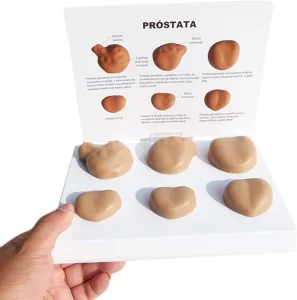
ODM Teaching Model,Human Prostate Model, Prostate Cancer Model, Prostate Mass Anatomical Structure Model Manufacturer, Factory
View product / request quote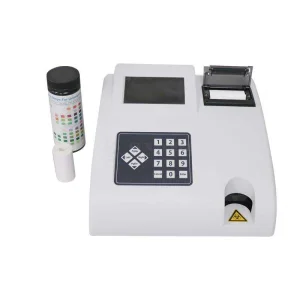
Wholesale Clinical Whole LCD Display Blood Serium Urine Laboratory Clinic Urine Analysis Medical Equipment Chemistry Analyzer Factories, Quotes
View product / request quote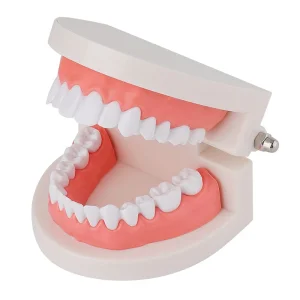
Wholesale Standard tooth brushing model Display demonstration tooth model Factories, Quotes
View product / request quote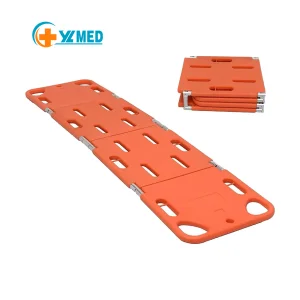
ODM Foldable Spine Board Stretcher Backboard for Patient, Transfer Backboard EMT Immobilization Portable Patient Transport Rescue Lightweight PE Plastics Ambulance Stretcher Factory, Factories
View product / request quote