China PRP Centrifuge Factory & Pricelist Buyer’s Guide
A factory-level sourcing, compliance and technology roadmap for clinics, hospitals, distributors and OEM brands comparing platelet-rich plasma centrifuge systems from China.
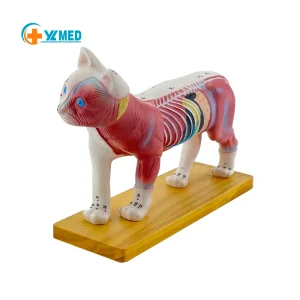
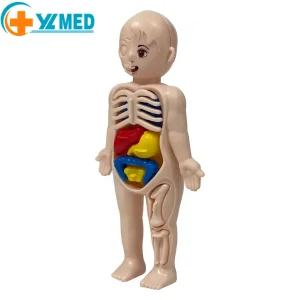
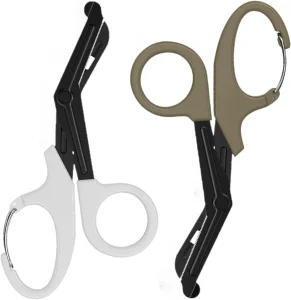
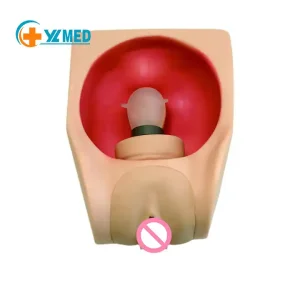
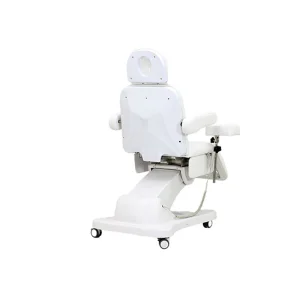
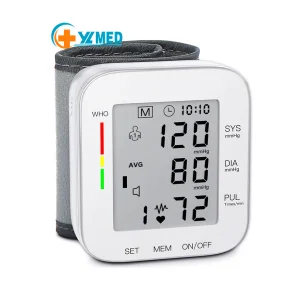
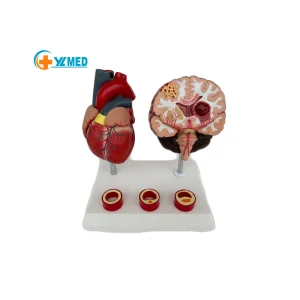
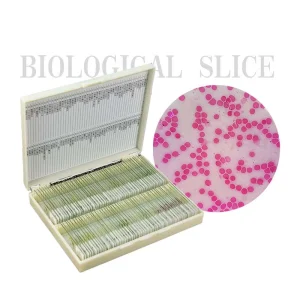
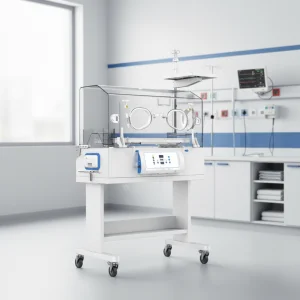
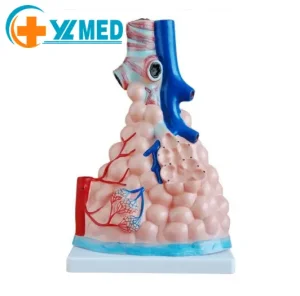
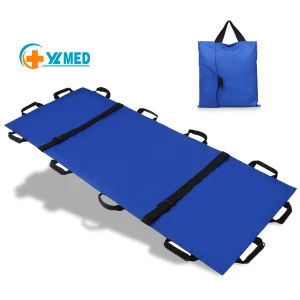
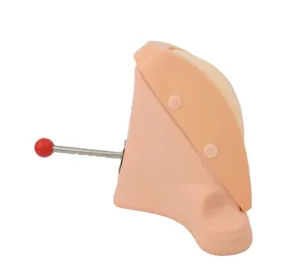
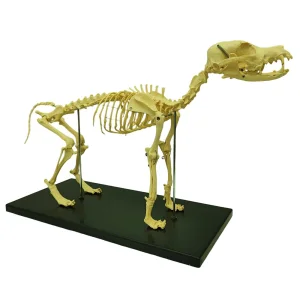
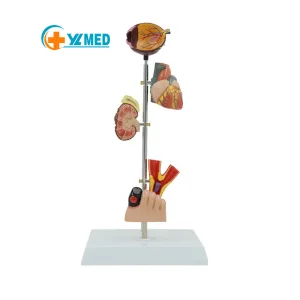
Products Frequently Consolidated with PRP and Clinical Equipment Orders
These established medical education, training and hospital products support distributors building a broader catalog. Each item keeps its original product details and factory inquiry link.
Why PRP Centrifuge Sourcing Is Now a Clinical and Commercial Decision
Search demand for a China PRP centrifuge factory and pricelist has moved beyond “lowest price per unit.” Buyers now ask whether the centrifuge can reproduce a clinical protocol, support distributor branding, pass an audit and stay serviceable after installation.
Platelet-rich plasma (PRP) is used across aesthetics, orthopedics, sports medicine, wound care, hair restoration, veterinary medicine and research. In each setting, the centrifuge is part of a point-of-care workflow: blood collection, tube selection, centrifugation, separation, activation and application. A stable result depends on rotor geometry, relative centrifugal force, acceleration and deceleration profiles, temperature control and operator consistency. That is why the most useful pricelist is a configuration map, not a single number.
Henan Yulin Edu. Project Co., Ltd. (Yulin Medical) has operated since 1958 and has held ISO 9001 certification since 2008. Its export model combines a 200+ person manufacturing organization, long-term production partners and private-label design support. For PRP centrifuge projects, this means buyers can discuss clinical fit, electrical configuration, documentation, packaging and consolidated shipment with one accountable contact instead of coordinating several unrelated suppliers.
What Clinics, Hospitals and Distributors Are Really Searching For
The strongest purchase intent comes from buyers who already understand PRP preparation and need a reliable “second system” or a complete clinic launch package. Semantic intent clusters include price list, OEM, rotor compatibility, CE documentation and after-sales support.
Aesthetic and Hair-Restoration Clinics
They need a compact, quiet, chair-side centrifuge with simple programs, low vibration and predictable tube kits. Price matters, but downtime and patient throughput matter more.
Orthopedic and Sports-Medicine Groups
They compare RCF, rotor angle, leukocyte-rich versus leukocyte-poor protocols and documentation for internal SOP validation. They want a factory that understands protocol reproducibility.
Hospital Laboratories and Blood Banks
They prioritize traceability, calibration records, safety interlocks, spare-part availability and compatibility with local power and infection-control procedures.
Importers and Distributors
They ask for OEM labels, stable cartons, multilingual manuals, mixed-category consolidation and a pricelist that differentiates clinic, laboratory and export configurations.
Veterinary and Equine Practices
They need rugged construction, variable tube sizes, broad speed ranges and travel-friendly systems for mobile practice or field regeneration procedures.
Research and Teaching Institutions
They look for programmable protocols, data logs, repeatability, low-noise operation and support for tender documentation and grant-funded procurement.
Matching PRP Centrifuge Capacity to the Care Model
No single centrifuge specification serves every buyer. A profitable clinic system, a hospital laboratory unit and an OEM distribution program require different rotors, controls, documentation and service plans.
In-Clinic PRP Workflow
A four- to eight-tube fixed-angle centrifuge with pre-set programs, compact footprint, low noise and simple digital controls is often the best fit. Prioritize tube availability and repeat order support.
Hospital-Grade PRP / PRF Preparation
Refrigerated or temperature-monitored systems, calibrated speed control and audit-friendly records support departments that must document procedures and train rotating staff.
Mobile Sports and Event Units
Lightweight design, transport locks, wide voltage tolerance and protective cases matter where equipment moves between clinics, teams and training grounds.
OEM and Private-Label Distribution
Distributors need stable production batches, customizable housing colors, private labels, multilingual manuals and packaging that protects margins and brand credibility.
Veterinary Regenerative Medicine
Variable speed, broad rotor compatibility and robust safety features accommodate small-animal, equine and mixed-practice tubes while coping with demanding field conditions.
Tender and Public Health Projects
Public procurement often values documentation quality, delivery scheduling, spare parts, training materials and compliance files over cosmetic features. Offer clear model tiers.
How to Specify a PRP Centrifuge That Can Be Validated
Technical evaluation should begin with the clinical protocol, not the promotional speed figure. The correct configuration connects RCF, rotor type, tube system, safety controls and operator training.
Rotor Geometry and Tube Fit
Fixed-angle rotors are common for fast PRP separation, while swing-out rotors may support different separation profiles. Confirm the exact tube dimensions, adapter availability and maximum fill volume.
RCF Is More Important Than RPM
Relative centrifugal force depends on rotor radius and speed. Two machines with the same RPM can produce different separation results. Require an RCF table for every rotor and tube combination.
Acceleration and Deceleration
Braking profiles can disturb the buffy coat or platelet layer. Programmable acceleration and deceleration allow clinics to reproduce a validated protocol instead of improvising.
Temperature and Gel Barriers
Some protocols require controlled temperature or specialized PRP/PRF tubes. Confirm whether ambient, ventilated or refrigerated operation is required and whether the rotor supports sealed safety cups.
Safety Interlocks and Imbalance Detection
A lid lock, imbalance sensor, over-speed protection and emergency release are basic expectations. For high-volume use, review the maintenance schedule and replacement-part availability.
Digital Control and Traceability
Program memory, cycle counters, error codes and calibration records help supervisors standardize training. For tenders and audits, request a model-specific document pack.
How a China PRP Centrifuge Quotation Is Built
Factory quotations vary because a PRP centrifuge is configured. Rotor type, tube capacity, refrigeration, display, safety package, packaging, certification support and order volume all change the ex-works cost.
A professional pricelist should separate the base unit from the configuration. Ask for ex-works unit price, rotor price, adapter price, tube starter pack, manual language, packaging dimensions and gross weight. If a supplier only sends a single photo and a single price, compare carefully: the low figure may exclude the rotor, tubes, certification documents or export carton. For distributor programs, request tiered pricing at sample, trial-order and repeat-order quantities.
Compact Fixed-Angle System
US$250–650Indicative ex-works band for a basic 4×10 mL class configuration, digital timer and standard rotor. Verify RCF, safety lock and tube compatibility.
Best for small clinics, sample evaluation and first-time buyers.Programmable Clinical Unit
US$650–1,300Typical band for 8×10/15 mL capacity, multiple program memory, improved display and broader rotor options for aesthetic and orthopedic workflows.
Best for established clinics and regional distributors.Refrigerated or PRF-Capable
US$1,300–3,500Higher specification for temperature control, sealed cups, PRF protocols, larger capacity or laboratory-style traceability. Actual price follows rotor and control package.
Best for hospitals, research groups and advanced PRP/PRF centers.Custom or Closed-System Program
US$3,500–10,000+Custom housing, private label, automated workflow, specialized tubes or regulatory documentation. Quotation depends on engineering scope and volume commitment.
Best for brand owners, tender projects and multi-site groups.Price bands are indicative and exclude freight, insurance, import duties, taxes, local registration and consumables unless stated. Final quotation depends on configuration, destination, payment terms and order quantity. Request a written specification sheet before comparing suppliers.
Where PRP Centrifuge Demand Is Growing and Why
The global opportunity is uneven. Mature markets reward documentation and service; fast-growing markets reward configuration flexibility, training and affordable entry points.
North America
High awareness of PRP protocols and strong demand for validated workflows. Buyers ask detailed questions about electrical compliance, documentation, insurance and service response.
Europe
Regulatory scrutiny, multilingual support and environmental packaging influence purchasing. Distributors prefer clear model families and reliable technical files.
Middle East
Aesthetic clinics, private hospitals and tender projects create mixed demand. Voltage configuration, heat tolerance and rapid spare-part support are practical concerns.
Asia-Pacific
Rapid clinic expansion and strong distributor competition drive demand for programmable systems at competitive price points, with strong training support.
Latin America
Importers often combine PRP centrifuges with broader medical equipment orders. Spanish-language manuals, consolidation and flexible payment terms help.
Africa
Public health, private clinics and veterinary practices require robust equipment, accessible service and pragmatic documentation for local registration.
Illustrative PRP Centrifuge Procurement Activity
Relative buyer activity by region, based on inquiry patterns and multi-category sourcing behavior. Not a statistical market forecast.
Reducing Cross-Border Risk Before the First Shipment
Compliance is not a logo on a brochure. It is a chain of documents, labels, test reports, declarations and service commitments that must match the exact model shipped to the buyer.
Quality System Evidence
Yulin Medical has held ISO 9001 certification since 2008. Request the current certificate, scope, model list and internal inspection plan for the specific centrifuge configuration.
Model-Specific Documentation
Depending on the destination, buyers may need declarations, test reports, electrical safety information, EMC data, labels and manuals. Confirm the regulatory pathway with your local agent before ordering.
Voltage, Plug and Environment
Specify 110 V or 220–240 V, frequency, plug type, ambient temperature and humidity expectations. Factory settings and labels should match the destination market.
Language and Training Materials
English is standard for export, but Spanish, French, Arabic or other language packs can improve distributor performance. Manuals should include safety, installation, operation and maintenance sections.
Packaging and Traceability
Protective export cartons, rotor locking, desiccant, shock indicators and batch labels reduce transit damage. Serial numbers and packing lists support local service and warranty tracking.
Spare Parts and After-Sales
Agree on spare rotors, fuses, control boards, tube adapters and consumable supply. A simple warranty statement, response plan and escalation contact are part of a reliable commercial offer.
Request a China PRP Centrifuge Pricelist
Share your target market, preferred tube system, estimated annual quantity and compliance requirements. Yulin Medical’s export team will reply with configuration options, indicative pricing and shipping guidance. The team is online seven days a week and typically replies within 24 hours.
Factory Audit Checklist: 8 Questions to Ask Before Approval
Use these questions to compare a trading offer, an OEM program and a true factory-backed supply chain. Ask for evidence, not adjectives.
1. Factory or Trading Model?
Clarify who owns production, who controls final inspection and who holds spare parts. A mixed model can work, but responsibility must be explicit.
2. Rotor and Drive Quality
Request rotor material, balancing process, motor type and service life data. The rotor is the most important mechanical component.
3. RCF Accuracy Evidence
Ask for a speed-to-RCF table and calibration method. Confirm the value at the tube position, not only at the rotor edge.
4. Safety Interlock Package
Verify lid lock, imbalance detection, over-speed protection and emergency release. Ask how errors are displayed to the operator.
5. Tube and Consumable Supply
Ensure the chosen PRP tubes, adapters and sealed cups remain available. Consumable continuity protects your clinical protocol.
6. Tender Document Quality
Check certificates, model-specific specifications, packing lists and declaration drafts. Poor paperwork can delay customs and registration.
7. MOQ and OEM Terms
Compare sample policy, private-label minimums, artwork approval, carton branding and repeat-order lead times.
8. Service Response Commitment
Ask for a named contact, typical reply time, warranty process and spare-part dispatch plan. Confirm who trains the local distributor.
What the Next Generation of PRP Centrifuges Will Reward
Equipment buyers increasingly expect closed workflows, digital traceability and lower total cost of ownership. Suppliers that can document outcomes will win more than suppliers that only quote speed.
Closed and Automated PRP/PRF Systems
Single-use closed systems reduce handling variation. Centrifuges will be evaluated as part of a complete kit, not as isolated machines.
Sensor-Driven Quality Control
Imbalance detection, temperature logs, cycle verification and electronic program locks will support multi-operator clinics and regulated environments.
Connected Training and Service
QR-code manuals, remote diagnostics, video SOPs and digital maintenance records will become part of the export package for distributors.
Sustainability and Cost Control
Energy-efficient drives, longer rotor life, recyclable packaging and predictable consumable supply will influence total-cost decisions in mature markets.
From Inquiry to Delivery with Clear Responsibilities
The same disciplined process used across Yulin Medical’s medical education and hospital equipment lines can be applied to PRP centrifuge sourcing.
Share Requirements
Send product type, tube sizes, target market, quantity and any tender or certification needs.
Receive a Configuration Map
Get matched models, rotors, specifications, packaging options and shipping suggestions.
Evaluate Samples
Test the centrifuge and tube workflow with your clinical or laboratory team before bulk production.
Production and Inspection
Manufacturing and final inspection follow the agreed specification and ISO 9001 quality approach.
Export and After-Sales
Protective packing, delivery coordination, manuals, spare-part guidance and responsive support.
A Six-Decade Medical Equipment Manufacturer with Export Discipline
Yulin Medical is known for medical teaching models, anatomy models, CPR and nursing simulators, prepared slides, dental tools and hospital equipment. The same quality-first thinking supports PRP centrifuge sourcing programs.
Founded in 1958, Henan Yulin Edu. Project Co., Ltd. has grown into an educational and medical equipment supplier integrating production, sourcing and export. With registered capital of RMB 120 million and more than 200 professional employees, the company manages product development, manufacturing, inspection and export from its base at No. 8 Daoqing Road, Hongqi District, Xinxiang, Henan. Its quality management system has been ISO 9001 certified since 2008, and its operating motto remains quality first, service first.
For overseas distributors, the commercial value is not simply a catalog. It is the ability to combine anatomy models, nursing simulators, laboratory slides, hospital furniture and PRP centrifuge programs into one discussion, one inspection plan and one shipment. Our in-house design team develops private-label packaging and product presentation to increase shelf appeal and resale value. Mixed-category orders can be consolidated with one point of contact, while product-specific documentation can be prepared to support tenders and import registration.
China PRP Centrifuge Factory & Pricelist Questions
Practical answers for procurement managers comparing specifications, compliance, pricing and after-sales support.
Is Yulin Medical a manufacturer or a trading company?
Yulin Medical is the export brand of Henan Yulin Edu. Project Co., Ltd., a manufacturer founded in 1958 with its own factory and more than 200 professional staff in Xinxiang, Henan, China. For one-stop orders, the company also coordinates a stable network of long-term partner factories. This means buyers can access factory-controlled production and complementary medical equipment categories through one accountable commercial team.
What quality certification does Yulin Medical hold?
The quality management system has been ISO 9001 certified since 2008. Product-specific documentation can be provided on request to support tenders, import registration and distributor due diligence. Buyers should always confirm that the certificate scope and the exact model documentation match their destination market.
Do you support OEM, private label and custom packaging?
Yes. The in-house design team develops private-label packaging, product presentation and multilingual manual layouts for distributors. For PRP centrifuge programs, OEM discussions should cover housing colors, labels, carton design, manual content, MOQ, sample approval and spare-part branding.
How do I choose the right PRP centrifuge?
Start with the clinical protocol and tube system, then confirm the required relative centrifugal force, rotor type, acceleration and deceleration profile, temperature control, safety interlocks and program memory. Decide whether the unit is for a single clinic, a hospital laboratory, mobile use or an OEM distribution program. Always compare RCF values rather than only RPM, and request a trial sample before committing to a bulk order.
How is a China PRP centrifuge pricelist structured?
A reliable quotation separates the base unit, rotor, adapters, starter tube pack, packaging, manuals, certification support and freight. Ask for ex-works price, MOQ, lead time, payment terms and spare-part costs. Indicative entry-level systems may start around US$250–650 ex-works, while mainstream programmable units and refrigerated or OEM systems move into higher bands. Final pricing depends on configuration, quantity and destination.
What is the minimum order quantity?
MOQ depends on whether the buyer requests a neutral model, private label, custom packaging or a new electrical configuration. Sample orders are usually possible for standard models, while OEM projects require higher quantities and artwork approval. Share your target annual volume and market positioning so the supplier can propose a realistic tier.
What lead time should I expect?
Standard samples and small orders are typically quicker than private-label or customized production. Lead time is affected by rotor availability, packaging, documentation and shipping method. For tender projects, request a production schedule with inspection milestones rather than a single delivery date.
Can you provide compliance documents for my country?
Documentation support depends on the model and destination. Typical requests include ISO 9001 evidence, product specifications, electrical safety and EMC information, declaration drafts, packing lists and manuals. Medical device and IVD requirements vary by country, so buyers must confirm the local regulatory pathway with their own consultant or authorized representative before importing.
What after-sales support is available?
Support can include installation guidance, operation manuals, training videos, spare-part lists, warranty terms and remote troubleshooting. For distributors, a named export contact and a clear escalation process improve service response. Confirm the warranty period and spare-part supply plan in the quotation.
Do you also supply CPR manikins, anatomy models and hospital equipment?
Yes. The broader Yulin Medical range includes anatomy and skeleton models, CPR and nursing simulation manikins, suture kits, biology prepared slides, dental tools, hospital furniture and emergency equipment. When choosing a CPR training manikin, match the learner group (adult, child or neonatal), check feedback for compression depth, rate and ventilation, confirm alignment with current resuscitation guidelines, and decide whether AED training integration is required. Mixed-category orders can be consolidated to reduce shipping complexity.
How quickly will I receive a reply?
The export team is online seven days a week and typically replies within 24 hours with catalogs, specifications, configuration options and shipping guidance. For urgent tenders, include the closing date, destination port and required documentation in your first message.
Additional Medical, Laboratory and Training Products for Consolidated Sourcing
These items complete the 16-product showcase. They can be combined with PRP centrifuge inquiries, distributor catalog development and hospital or medical-school procurement projects.