A procurement-grade whitepaper for obstetric, pelvic and placental anatomical models—covering global demand, clinical applications, technical roadmaps, quality benchmarks and factory-direct quotes from Henan Yulin Edu. Project Co., Ltd.
ISO 9001 certified since 2008 Factory-direct supply OEM / private label
Factory-Direct Selection
Pregnant Model & Medical Teaching Selections
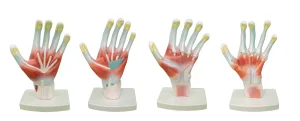
The eight products below are drawn from Yulin Medical’s wider catalogue for maternal-health, anatomy, nursing, first-aid and STEM education. Each original product image and quotation URL is preserved; use the product button to review specifications or request a factory quote.
A pregnant model is a physical or hybrid anatomical teaching device used to represent the pregnant female pelvis, uterus, placenta, fetal position, pelvic floor and related obstetric anatomy. In professional procurement language, buyers may search for “pregnant pelvis model manufacturer,” “placenta anatomy model quotes,” “obstetric anatomical model supplier,” “childbirth education model,” or “maternal simulation model factory.” These queries share a commercial intent: they are not looking for a decorative object; they need a repeatable teaching asset that supports safe clinical practice.
The category overlaps with several product families: pelvic and placental models, female sagittal anatomy, fetal development models, childbirth mechanism demonstrations, perineal repair trainers, neonatal resuscitation manikins and maternal nursing simulators. Yulin Medical’s portfolio includes obstetric-adjacent products such as the placental tissue simulation model with pelvis, the female human sagittal anatomical model and neonatal ACLS training equipment. For distributors, this means a pregnant-model enquiry can often be converted into a broader maternal-health or clinical-skills package rather than a single-unit order.
Quote quality depends on specification clarity. A factory quote should state the anatomical scope, material and finish, removable or replaceable parts, dimensions, weight, packaging, documentation, minimum order quantity and lead time. A low unit price without replacement-part availability or export protection can be misleading. The most useful information gain for buyers is a total-cost-of-ownership view: how long the model will survive in a teaching lab, how easily it can be cleaned, how quickly modules can be replaced, and whether the supplier can support tenders with consistent documentation.
Global Commercial & Industrial Context
Global Commercial and Industrial Status of Pregnant Models
Demand for pregnancy-related anatomical models is tied to long-term investments in maternal health, nursing education and simulation-based training. Universities are expanding obstetric simulation laboratories; hospitals are building in-situ team-training programmes; and public-health projects are using visual models to explain pregnancy risk, placental position, fetal station and delivery options to patients and communities. In many markets, the procurement decision is influenced by accreditation requirements, tender specifications and the need to standardise teaching across multiple campuses.
China remains a significant manufacturing base for medical teaching models because suppliers can combine mould-making, silicone and PVC processing, painting, assembly, packaging and export documentation in one production ecosystem. Henan, Guangdong and Jiangsu host clusters of educational and medical equipment manufacturers. For international buyers, the practical advantage is not simply lower labour cost; it is the ability to consolidate anatomy models, CPR manikins, first-aid products, hospital furniture and science-teaching items into a mixed container with one point of accountability.
Search behaviour reflects this maturity. Buyers increasingly combine commercial and technical qualifiers: “ISO 9001 pregnant model manufacturer,” “placenta model OEM quotes,” “pelvic model for nursing school tender,” “custom pregnant anatomical model factory.” They want evidence of experience, not only a product photo. That is why Yulin Medical publishes its manufacturing history, quality certification, staff scale, product lines and export process—so procurement teams can evaluate supplier reliability before requesting a quotation.
60+Years of manufacturing history
200+Professional staff
¥120MRegistered capital (RMB)
2008ISO 9001 certified since
10Specialised product lines
24hTypical export reply commitment
Industry Trends
Six Trends Reshaping Pregnant Model Procurement
The pregnant-model category is moving from static demonstration pieces toward modular, evidence-supported teaching systems. These six trends should shape your specification and supplier questions.
Simulation-first obstetric curricula
Medical and nursing schools are integrating simulation earlier in the curriculum. A pregnant pelvis or placenta model must support defined learning outcomes such as fetal positioning, placental localisation and mechanism of labour, not simply occupy a shelf.
Material realism and cleanability
Buyers are asking for soft-touch surfaces, colourfast painting and cleanable materials that withstand repeated handling. Material data and cleaning instructions are becoming part of the quotation package, especially for shared teaching laboratories.
Modular, replaceable anatomy
Modular pelvis, uterus, placenta and vessel sections reduce lifecycle cost. A replacement-part list and module numbering system allow institutions to repair a single component instead of replacing an entire model.
Digital learning layers
QR-linked guides, bilingual labels and optional AR overlays are helping instructors standardise content. Digital layers do not replace physical fidelity; they make the model easier to teach with and easier to audit during accreditation.
Private-label and local-language programmes
Distributors increasingly request branded boxes, local-language manuals, barcode labels and market-specific packaging. A supplier with in-house design and packaging capability can raise resale value without creating a separate supply chain.
Tender-ready documentation
Public tenders often require consistent model numbers, specifications, packing lists, warranty terms and certification evidence. One-stop sourcing reduces the risk of mismatched documents when anatomy models, manikins and hospital equipment are purchased together.
Localised Applications
Where Pregnant Models Create Measurable Value
Medical universities and nursing colleges
Use pregnancy anatomy models to teach pelvic landmarks, placental implantation, fetal orientation, station and the mechanics of labour. In nursing programmes, the same model can support antenatal assessment, patient positioning and complication recognition.
Hospitals and obstetric simulation centres
Obstetric drills benefit from tangible anatomy when teams rehearse postpartum haemorrhage, retained placenta, shoulder dystocia or emergency caesarean decision-making. Models can be combined with neonatal manikins and task trainers for scenario-based team training.
Childbirth education and patient communication
A visible pregnant pelvis and placenta model helps clinicians explain fetal position, placenta praevia, induction, monitoring and delivery options in plain language. This improves informed consent and reduces anxiety during antenatal consultations.
Distributors and public tender projects
Distributors serving ministries of health, nursing councils and hospital groups need a supplier who can bundle models, provide English specifications and maintain consistent packaging across repeat orders. Localisation and documentation are often the deciding factors.
Technical Roadmap
Technical Roadmap and Future Outlook, 2025–2030
The next procurement cycle will reward suppliers who can connect anatomical fidelity, modular serviceability and teaching documentation. The roadmap below is a practical lens for evaluating pregnant-model suppliers and planning multi-year tenders.
2025
Material fidelity and modular anatomy
High-fidelity silicone and PVC surfaces, colourfast painting, removable placenta and pelvic modules, and clearly numbered structures become baseline expectations for professional teaching models.
2026
Sensor-enabled birth simulation
Feedback on descent, rotation, suction, traction and simulated blood loss will move from premium manikins into modular obstetric trainers, enabling objective assessment in simulation centres.
2027
Digital twin and AR overlays
QR-linked bilingual guides, AR anatomy overlays and cloud-based scenario libraries will supplement physical models. The strongest suppliers will provide both the physical asset and the teaching content layer.
2028+
Localised production and lifecycle services
Regional kitting, local-language manuals, replacement-part programmes and circular material choices will become differentiators in public tenders and long-term distributor agreements.
What buyers should ask now
Material data sheet, cleaning protocol and colourfastness information.
Anatomical reference source or clinical review basis for the model.
Replacement-part list with module numbers and lead times.
Packaging validation for export, including drop protection and moisture control.
Information gain for procurement teams
Instead of comparing only unit price, build a five-year ownership model. Include replacement modules, instructor training time, storage requirements, cleaning labour, shipping damage risk and documentation effort. A supplier that can answer these questions in writing is usually better prepared for tender audits and repeat institutional orders.
For pregnant-model enquiries, ask for a sample or detailed close-up video before confirming bulk production. Confirm that the placenta, pelvic floor and fetal-position components align with the learning objectives used in your local curriculum.
Macro Solutions
Macro Industry Solutions for Programme-Level Buyers
One-stop mixed-category sourcing
Combine pregnant-model selections with anatomy models, CPR manikins, first-aid supplies, hospital furniture and science-teaching products. Mixed-category consolidation reduces supplier management and can improve container utilisation.
OEM, private label and packaging engineering
Yulin Medical’s in-house design team supports private-label packaging and product presentation for distributors. Local-language labels, barcodes and branded instruction sheets help strengthen resale value and market fit.
Tender, compliance and after-sales support
Request catalogues, specifications, packing lists and product-specific documentation for tender preparation. A named export contact and 24-hour reply commitment make it easier to coordinate samples, approvals and repeat orders.
E-E-A-T & Manufacturing Evidence
Why Yulin Medical Is a Reliable China Pregnant Model Manufacturing Partner
Henan Yulin Edu. Project Co., Ltd. (Yulin Medical) was founded in 1958 and has grown into a manufacturer of educational and medical training equipment integrating scientific research, production and sales. The company operates from No. 8, Daoqing Road, Industry Park, Hongqi District, Xinxiang, Henan, China, with registered capital of RMB 120 million and more than 200 professional employees. Its quality management system has been ISO 9001 certified since 2008.
The company motto is “quality first, service first.” For overseas buyers, this translates into one accountable manufacturer for anatomy models, nursing simulators, biology prepared slides, dental teaching equipment and hospital equipment—consolidated into a single shipment and supported by a responsive export team. Yulin Medical also coordinates a stable network of long-term partner factories for one-stop orders.
Product development, mould-making, painting, assembly, inspection and export packing are managed so that distributors, medical universities, nursing colleges and hospitals receive consistent, well-documented products on every batch. The export team is online seven days a week and typically replies within 24 hours with catalogues, specifications and shipping options.
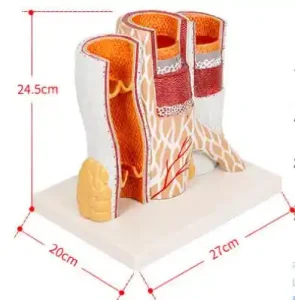
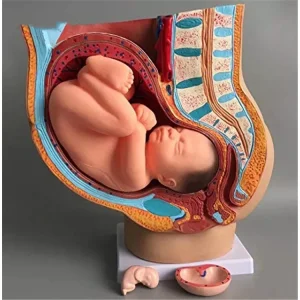
For buyers specifically sourcing pregnant models, the most practical entry points are the placental tissue simulation model with pelvis and the female human sagittal anatomical model. Both can be used in obstetric anatomy teaching, nursing skills laboratories and patient-education settings.
Useful for explaining placental position, placental tissue structure and pelvic relationships. Ask for module details, cleaning guidance and private-label packaging options for distributor programmes.
A four-piece teaching model that supports pelvic anatomy, reproductive organ orientation and sagittal-plane instruction. Confirm language labelling, display base and replacement-part availability for tenders.
Structures must match the curriculum and support correct clinical interpretation.
25%
Material and cleanability
Repeated handling in skills labs requires durable, cleanable and colourfast surfaces.
20%
Modularity and spare parts
Replaceable placenta, pelvic and vessel modules reduce lifecycle cost.
20%
Documentation and compliance
Specifications, packaging lists and certification evidence support tender audits.
20%
Supply and after-sales
Lead time, export packing and responsive support protect teaching schedules.
15%
Adjacent Clinical Range
Featured Clinical Training, Emergency & Hospital Equipment
A pregnant-model enquiry often sits inside a broader maternal-health or clinical-skills package. The following factory-direct products support that one-stop requirement and preserve the original product images and links.
A supplier’s visual evidence should show production capability, product breadth and export readiness. These original images from Yulin Medical illustrate the factory, product collections and global service context.
Research Notes
Exhibitions and Practical Buyer Guides
Lab Guide
Do You Really Know How to Observe Biological Prepared Slides?
Many plant and animal cell structures can only be studied under a microscope, which makes prepared biological slides essential in every biology lab. Our specialists explain how to handle, focus and store slides correctly so students see clearer detail and your slide sets last for years.
Exhibition
The 5th Henan Provincial Educational Equipment Expo Concludes Successfully
Themed “Digital Leading Innovation and Development”, the expo reached a record 50,000 m² with 600+ brands and 10,000+ products on display, showcasing the latest educational equipment.
Showcase
Inside Our Product Showroom
A look at the medical teaching models and training equipment buyers can inspect in person when visiting our Xinxiang facility. Factory visits can be arranged for distributor onboarding and tender evaluation.
Frequently Asked Questions: China Pregnant Model Manufacturers & Quotes
These answers address the commercial, technical and documentation questions procurement teams ask most often before placing a first order.
Is Yulin Medical a manufacturer or a trading company?
We are a manufacturer. Henan Yulin Edu. Project Co., Ltd. was founded in 1958 and operates its own factory in Xinxiang, Henan, China, with more than 200 professional staff. For one-stop orders, we also coordinate a stable network of long-term partner factories.
What quality certification does Yulin Medical hold?
Our quality management system has been ISO 9001 certified since 2008. Product-specific documentation can be provided on request for tenders and import registration.
Do you support OEM, private label and custom packaging?
Yes. Our in-house design team develops private-label packaging and product presentation for distributors to increase shelf appeal and resale value. Local-language manuals, barcodes and branded instruction sheets can be discussed during quotation.
How do I choose the right CPR training manikin?
Match the manikin to the learner group (adult, child or neonatal), check that real-time feedback covers compression depth, rate and ventilation, confirm alignment with current AHA resuscitation guidelines, and decide whether AED training integration is required.
What should I check in a pregnant model quote?
Confirm the anatomical scope, material and finish, removable modules, dimensions, cleaning instructions, replacement-part availability, packaging, minimum order quantity, lead time and document package. Ask for close-up photos or a sample when the model will be used for clinical assessment.
Can you customise pregnant models for local curricula?
Customisation options depend on the model platform and order volume. Typical requests include language labels, colour schemes, branded packaging, module selection and combined kits with neonatal manikins or first-aid products. Share your curriculum objectives and target quantity for a practical recommendation.
How are anatomical models protected during export?
Models are protected with inner sleeves, foam or moulded inserts where appropriate, corrugated outer cartons and moisture-control measures for sea freight. Fragile or large modules can be separated to reduce movement. Packaging specifications are confirmed before production.
How quickly will I receive a reply?
Our export team is online 7 days a week and typically replies within 24 hours with catalogues, specifications and shipping options.
Talk to Our Export Team
Request a Pregnant Model Quote or Tender Package
Tell us your target market, quantities, curriculum requirements and certification needs. Our product specialists will recommend suitable pelvic, placental or female sagittal models, share detailed specifications and propose an economical shipping plan for your order.
Henan Yulin Edu. Project Co., Ltd. · Medical & educational equipment manufacturer since 1958 · ISO 9001 certified since 2008.
Complete Product Index
More Factory-Direct Products for One-Stop Medical & Educational Sourcing
The final eight products complete the original sixteen-item product index. Each card keeps the original image and quotation URL, with a button-style product link for easy review.
























 Lab Guide
 Exhibition
 Showcase