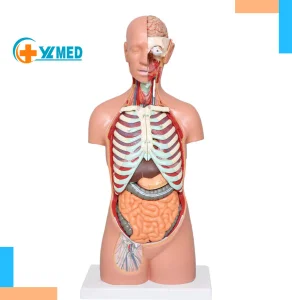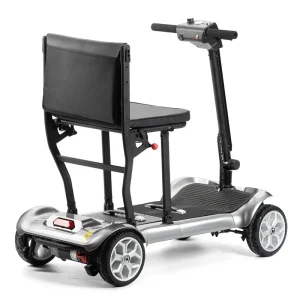
8×
Factory-direct product examples
Eight Product Examples from the Yulin Medical Range
These factory-direct medical and educational items show the breadth of the Yulin Medical catalogue. They are retained here as original product references; for oxygen concentrator projects, buyers should still request a product-specific specification, medical-device registration file and factory audit package.
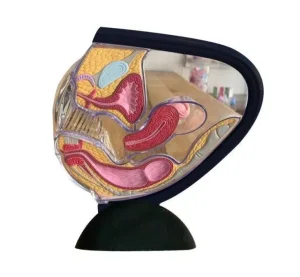
OEM Uterus Model Female Transparent Uterine Anatomy Model Pelvic Cavity Rectum Teaching Model for Medical Educational Training (Black) Manufacturers, Service
View product & quote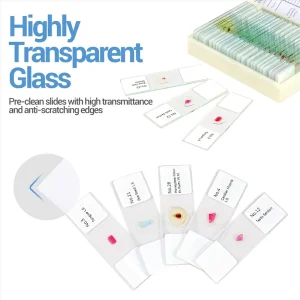
China 50pcs microbiology slides prepared for microscope, include bacteria and fungi Manufacturer, Service
View product & quote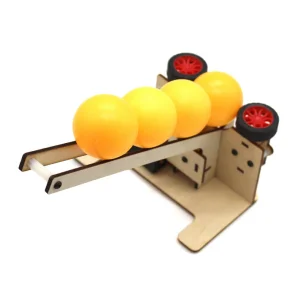
ODM Teaser Fun Science small production of primary and secondary school students stem education movement Energy driving model Manufacturers, Factory
View product & quote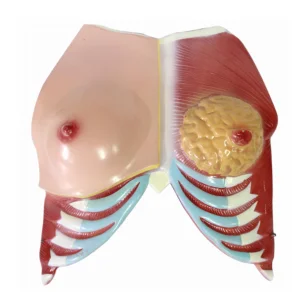
Wholesale Breast anatomical model (1 part) Factory, Factories
View product & quote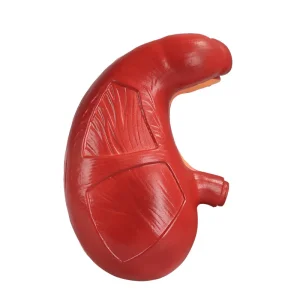
OEM Advanced Quality PVC Human Natural Size Stomach Anatomy Structure Model Teaching Instruments Anatomy Stomach Model for Teaching Manufacturer, Manufacturers
View product & quote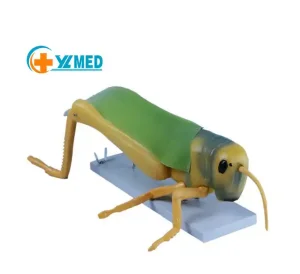
China Medical Science Enlarged Locust Structure Animal Model free 3d animal model life size animal model Factories, Service
View product & quote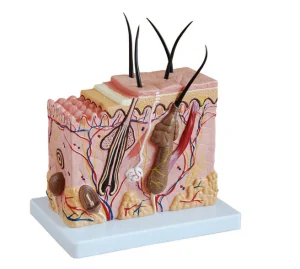
ODM Medium sized skin magnification model Factory, Service
View product & quote
O₂
Executive sourcing brief
Why China Oxygen Concentrator Factories & Quotes Are Strategic—Not Transactional
The oxygen concentrator category rewards buyers who compare the total supply system: pressure swing adsorption (PSA) engineering, compressor quality, sieve-bed life, alarm logic, calibration, regulatory file depth, packaging and after-sales parts. A quote is only useful when it is tied to a specification and a market-access pathway.
China’s oxygen concentrator supply base is no longer a single price list. It is a layered ecosystem of PSA specialists, compressor and molecular-sieve suppliers, plastic and PCB subcontractors, medical-device assemblers and export documentation teams. For a distributor, the practical question is not simply “who has the lowest quote?” but “which factory can keep purity, flow, outlet pressure, alarm behaviour, spare-part fit and regulatory documentation consistent across repeat orders?” That distinction separates a one-off purchase from a scalable oxygen business.
Global demand has moved from emergency procurement to continuous home-care, hospital backup, long-term-care and distributed oxygen infrastructure. Buyers search for China oxygen concentrator factories because the country combines mature PSA engineering, component depth, flexible private-label production and export experience. Yet the same depth creates noise: hundreds of suppliers, overlapping certificates, unclear medical-versus-industrial positioning and quotes that hide lifecycle cost in filters, sieve beds, compressors and service labour. The most reliable purchasing strategy is to request quotes against a written specification, then score every response for clinical suitability, certification, serviceability and landed cost.
🫁
Respiratory & aging demand
COPD, pulmonary fibrosis, asthma, sleep-related breathing disorders and long-term oxygen therapy continue to expand home-care demand. Buyers need quiet, reliable units with clear alarms, low maintenance and locally available filters.
🏠
Home-care decentralization
Home-care providers increasingly prefer portable and continuous-flow units that support patient mobility, caregiver training and remote compliance monitoring rather than hospital-only equipment.
🚨
Emergency resilience
Hospitals and public-health agencies keep concentrators as surge-capacity assets and backups for cylinder logistics. Quotes should include accessories, cannulas, humidifiers, filters and service kits.
📦
Private-label distributors
Distributors want factory quotes with MOQ, packaging, manual language, warranty terms, spare-parts kits and certification support that match their tender or retail channel.
Buyer intent signal: “China oxygen concentrator factories & quotes” usually indicates commercial evaluation, not casual reading. The page should therefore answer price drivers, certification, minimum order quantity, lead time, OEM options and after-sales support in a transparent way.
PSA
Macro solutions
Global Procurement Demand and Oxygen Solution Architecture
Different buyers ask for the same “oxygen concentrator” but mean very different systems. A home-care distributor may need 1–5 LPM portable units; a hospital group may require 10 LPM continuous-flow devices plus backup; a district health programme may evaluate multi-patient PSA plants or cylinder-filling infrastructure.
This is why a credible China oxygen concentrator factory should ask about the end application before quoting. Medical oxygen concentrators normally use PSA with zeolite sieve beds to separate oxygen from compressed air. Industrial oxygen generators may look similar in a product photograph but have different purity targets, duty cycles, materials, safety logic and documentation. For medical use, the buyer must verify the device classification, registration status and electrical safety file for the target market. For industrial use—ozone feed, aquaculture, metal cutting support, wastewater treatment or combustion assistance—the buyer should compare purity, dew point, pressure and continuous-duty design rather than medical registration alone.
| Application | Typical flow | Oxygen purity | Primary buyer focus |
|---|---|---|---|
| Home oxygen therapy | 1–5 LPM | 90% ±3% | Noise, alarm clarity, portability, filter availability, warranty |
| Clinic or small hospital | 5–10 LPM | 90%–93% | Continuous flow, outlet pressure, duty cycle, service access |
| Hospital backup or ward support | 10–20 LPM | 90%–93% | Electrical safety, redundancy, maintenance plan, spare parts |
| Multi-patient PSA oxygen plant | 20–200+ Nm³/h | 93% ±3% | Compressor package, dryer, buffer tank, purity monitoring, installation |
| Industrial oxygen use | 3–100+ Nm³/h | Application-specific | Duty cycle, pressure, dew point, controls, energy consumption |
Macro planning should also consider oxygen delivery beyond the concentrator itself. A practical programme may combine portable concentrators for ambulatory patients, stationary units for home therapy, cylinder backup for power interruptions, and centralized PSA or liquid oxygen for high-acuity facilities. Procurement teams that map these layers before requesting quotes avoid buying the wrong capacity at the wrong price.
RFQ
Quote comparison
How to Compare China Oxygen Concentrator Factory Quotes
A professional quote should be detailed enough for a technical reviewer, a finance controller and a regulatory officer to evaluate it without guessing. Ask every factory to quote the same configuration and documentation package.
| Quote line item | What to request | Why it changes the decision |
|---|---|---|
| Flow and mode | Continuous flow, pulse dose or dual mode; LPM at stated purity | Flow at lower purity can mislead; patient use requires stable output. |
| Purity and sensor | Oxygen purity range, sensor type, calibration interval, alarm thresholds | Affects clinical safety and long-term calibration cost. |
| Compressor and sieve bed | Brand/type, oil-free design, zeolite specification, bed life estimate | Often determines noise, energy use and service interval. |
| Electrical safety | IEC 60601-1, EMC, plug type, voltage, battery backup | Needed for market access review and local use. |
| Certification file | ISO 13485, medical device registration, CE/FDA/other market certificates where claimed | Generic ISO 9001 alone is not evidence of device registration. |
| Warranty and spare parts | Warranty terms, filter kit, sieve replacement, compressor parts, local service plan | Low FOB price may hide high lifecycle cost. |
| Packaging and MOQ | Export carton, drop test, private label, manual languages, MOQ per SKU | Affects distributor stock planning and resale value. |
| Lead time and capacity | Sample lead time, bulk lead time, monthly output, QC process | Prevents tender delays and repeat-order gaps. |
| Documentation language | English manual, labels, UDI where applicable, declaration documents | Local registration and customs review often depend on it. |
| After-sales response | Contact channel, response SLA, remote troubleshooting, spare-part list | Medical equipment requires accountable support, not only shipment. |
Quote red flags: no purity specification at advertised flow; “CE” mentioned without a certificate number or applicable directive/regulation; no distinction between medical and industrial models; no spare-parts list; no alarm threshold detail; no warranty exclusions; and an unexplained price gap against comparable configurations.
TEC
Technical roadmap
PSA, Continuous Flow, Pulse Dose and the Future of Oxygen Concentrators
The mainstream medical oxygen concentrator remains a PSA system: ambient air is compressed, dried, filtered and passed through zeolite sieve beds that adsorb nitrogen and release an oxygen-enriched gas stream. Product differentiation now sits in efficiency, reliability, intelligence and serviceability.
High-efficiency PSA core
Improved zeolite packing, valve timing and pressure control can raise oxygen recovery and reduce energy consumption. Buyers should ask for stable purity at the advertised flow, not a laboratory peak.
Oil-free compressor design
Compressor quality drives noise, heat, service life and contamination risk. A factory should be transparent about compressor type, cooling strategy, duty cycle and replacement parts.
Continuous versus pulse dose
Continuous flow is easier to validate for clinical use; pulse dose improves portability and battery life. Dual-mode units can serve both home and ambulatory needs but require clear mode verification.
Sensors, alarms and self-diagnostics
Oxygen sensors, pressure sensors and flow sensors should support meaningful alarms for low purity, low flow, power failure, overheating and blockage. Alarm logic must be understandable to caregivers.
Connected service
Optional IoT modules can log run hours, purity trends, filter status and error codes. This creates information gain for distributors: predictive maintenance, remote support and better tender differentiation.
2025–2030 outlook
Expect quieter units, modular sieve and compressor assemblies, wider altitude tolerance, stronger battery management, remote diagnostics and more transparent lifecycle data. Low-resource markets will prioritise repairability over cosmetic features.
Technical due diligence question: “Can the factory show a purity-versus-flow test under stable ambient conditions, and explain how the alarm thresholds are calibrated after service or sensor replacement?”
🌍
Global commercial landscape
Global Commercial and Industrial Status of Oxygen Concentrator Supply
Demand is not uniform. Each region combines clinical need, reimbursement rules, power quality, tender culture and regulatory barriers. A factory that performs well in one market may need a different documentation package, plug type or service model in another.
North America
Home-care providers and distributors expect FDA clearance where required, strong service networks, clear manuals and spare-parts availability. Retail and e-commerce channels demand packaging quality and liability documentation.
Europe
EU MDR/CE documentation, UDI, post-market surveillance and language localization are central. Public tenders often score technical files, warranty and training alongside price.
Middle East
Hospital projects and tenders may require SFDA or local registration, voltage compatibility, high-temperature performance and on-site commissioning support.
Asia-Pacific
Large home-care markets, altitude and humidity variation, and diverse registration pathways make product configuration and local service critical.
Latin America
Distributors often seek strong price-to-service value, Spanish/Portuguese manuals, spare filters and training. Registration requirements vary by country.
Africa & NGO programmes
Repairability, power resilience, training and long-term spare-parts supply matter as much as initial price. Programme buyers value simple maintenance and clear user instructions.
📋
Localization & compliance
Compliance Assurance, Localization and After-Sales Support
For medical oxygen equipment, “the factory has a certificate” is too broad a statement. Market access depends on the product, intended use, classification, testing route and local registration. Buyers should request a document matrix that links each claim to a specific model and market.
Regulatory dossier
Request business licence, medical-device manufacturing licence where applicable, ISO 13485, product registration, test reports, labels, IFU and declarations. Verify what is current and model-specific.
Localized labelling
Manual language, plug type, voltage, warning symbols, packaging and shelf markings should match the destination market and distributor brand guidelines.
Service and spares
A spare-parts list with part numbers, filter replacement intervals, compressor kits, sieve modules and training videos reduces downtime and protects brand reputation.
Training and commissioning
Distributors need product training, troubleshooting scripts and escalation paths. For larger PSA systems, installation and commissioning support should be quoted explicitly.
Localization is not a translation task alone. It links electrical safety, clinical workflow, service labour, regulatory responsibility and customer expectation. A quote that includes local-language manuals, spare filter kits and a named technical contact is often more valuable than a lower unit price that leaves the distributor to solve these issues alone.
AUD
Factory audit
How to Audit a China Oxygen Concentrator Factory Before You Request a Quote
Use a consistent audit and scoring system. The objective is not to collect the largest folder of certificates; it is to confirm that the factory can manufacture, test, document and support the exact model you intend to sell.
Factory and quality checklist
- Business licence, premises and ownership transparency.
- Medical-device manufacturing licence and product registration where applicable.
- ISO 13485 quality management system and scope.
- IEC 60601-1 and EMC test reports for the exact model.
- Incoming inspection for compressors, sieve beds, sensors and valves.
- In-process leak, pressure, flow and purity tests.
- Ageing / burn-in procedure and final QC record.
- Calibration method for oxygen sensors and alarms.
- Packaging drop test and export-marking control.
- Complaint handling, corrective action and spare-parts system.
Supplier scorecard
| Area | Weight | Evidence required |
|---|---|---|
| Technical match | 25% | Purity-flow curve, alarms, duty cycle, power data |
| Compliance file | 20% | Model-specific registrations and test reports |
| Quality system | 15% | ISO 13485, QC records, traceability |
| Serviceability | 15% | Spare parts list, training, response SLA |
| Commercial terms | 15% | Price, MOQ, warranty, lead time, payment |
| Localization | 10% | Manual, labels, plug, packaging |
RFQ tip: include the intended market, annual volume, required flow and purity, continuous or pulse mode, voltage, alarm language, certification target, packaging requirement, spare-parts kit and after-sales expectations. A factory can only provide a comparable quote when these variables are fixed.
ISO
Publisher transparency & E-E-A-T
Yulin Medical: Six Decades of Medical & Educational Equipment Supply
This guide is published by Henan Yulin Edu. Project Co., Ltd. Yulin Medical is a manufacturer of medical teaching models, CPR and nursing simulators, skeleton and anatomy models, biology prepared slides and hospital equipment. The company is not presented as a dedicated oxygen concentrator OEM; rather, its 60+ years in regulated medical-equipment supply provide practical context for factory evaluation, mixed-category sourcing and compliance-led procurement.
 Yulin MedicalSince 1958 · Xinxiang, Henan, China
Medical Teaching Models, CPR Manikins & Hospital Equipment Manufacturer Since 1958
Henan Yulin Edu. Project Co., Ltd. (Yulin Medical) has built educational and medical training equipment in Xinxiang, China, for more than six decades. Our quality management system has been ISO 9001 certified since 2008, and our motto is simple: quality first, service first. Every order is produced and inspected so that distributors, medical universities, nursing colleges and hospitals receive consistent, well-documented products on every batch.
Founded in 1958, the company has grown into an educational and medical equipment supplier integrating scientific research, production and sales. With registered capital of RMB 120 million and more than 200 professional employees, we manage product development, manufacturing, inspection and export from our base at No. 8 Daoqing Road, Hongqi District, Xinxiang.
✓
Factory-direct supply across 10 product lines, from anatomy models to hospital furniture.
✓
Private-label packaging and product design that supports distributor resale value.
✓
Mixed-category orders consolidated into one shipment with one point of contact.



60+Years of Manufacturing
200+Professional Staff
¥120MRegistered Capital (RMB)
2008ISO 9001 Certified
10Product Lines
24hReply Commitment








10
Product categories
Complete Sourcing for Medical Education & Clinical Use
Ten specialised product lines let procurement teams source simulation, laboratory and hospital equipment from one accountable manufacturer instead of managing multiple suppliers.
01
View range
Anatomy Models
Torso, organ, heart, brain and muscle models with numbered structures for lectures and patient education.
02
View range
Biology Prepared Slides and Accessories
Histology, botany and zoology prepared slides plus storage and microscope accessories for biology labs.
03
View range
Dental Tools and Equipment
Dental teaching models, clinic lights, LED whitening units and endodontic instruments for training and practice.
04
View range
General Teaching Models
Science demonstration models for primary schools, secondary schools and education equipment tenders.
05
View range
Hospital Furniture and Equipments
Stainless steel examination couches, stretchers, walkers and shower chairs built for daily clinical use.
06
View range
Hospital Machine and Tools
Diagnosis and treatment devices and practical tools for wards, clinics and emergency departments.
07
View range
Medical Apparatus and Instruments
Emergency splints, extrication devices, cervical traction and rehabilitation instruments.
08
View range
Medical Nursing Model
Adult, child and neonatal CPR manikins, ACLS simulators and AED trainers for skills assessment.
09
View range
Skeleton Models
Life-size and desktop skeletons, skulls, spines and joint models for osteology teaching.
10
View range
Suture Pads and Kits
Realistic skin suture pads and complete instrument kits for surgical and wound-closure practice.
CPR
More products
Featured CPR, Emergency & Rehabilitation Equipment
Best-selling simulation manikins, first-aid devices and mobility aids requested by training centres, ambulance services and healthcare distributors.

Advanced Full-Body CPR Training Manikin with 8" Color Feedback Display
View product
AED Automated External Defibrillator Trainer for CPR Courses
View product
5-Year-Old Child ACLS Emergency Simulation Manikin
View product
Neonatal ACLS Training Manikin Aligned with AHA 2020 Guidelines
View product
Adjustable Rescue Scoop Stretcher with 3 Safety Straps
View product
Portable Kendrick Extrication Device (KED) Body Splint
View product
Non-Pneumatic Shock-Absorbing Emergency Splint & Tension Bandage
View product
Stainless Steel Clinic Examination Bed & Patient Couch
View product
Height-Adjustable Aluminum Folding Walker with Front Wheels
View product
Foldable Shower Chair for Elderly and Home Care
View product
Lightweight Aluminum Foldable Standard Walker
View product
Inflatable Cervical Neck Traction Device for Home Use
View product
STR
Why choose us
Why Distributors and Institutions Partner with Yulin Medical
Four strengths overseas buyers consistently cite when they move long-term orders to our factory.
24/7
24/7 Responsive Service
Our team is online 24 hours a day, 7 days a week. Whatever your time zone, you receive a detailed answer as quickly as possible—typically within 24 hours.
DSN
Design & Packaging Team
In-house specialists deliver professional product design and private-label packaging that strengthens your brand and increases the added value of every unit you sell.
EXP
Professional Expertise
Our vision is to provide professional educational and medical training products built under ISO 9001 process control and decades of category knowledge.
60+
60+ Years of Supply Stability
A factory with over 60 years of history and a deeply integrated partner supply chain lets us meet one-stop demands and keep lead times predictable on repeat orders.
5×
How we work
A Transparent 5-Step Process for Overseas Buyers
From first conversation to delivery, every stage has a clear documentation and communication purpose, so you can plan stock, tenders and training schedules with confidence.
01
Share Requirements
Send product types, quantities, target market and any tender or certification needs.
02
Catalog & Proposal
Receive matched models, specifications, packaging options and shipping suggestions.
03
Sample Evaluation
Test samples with your instructors or clinicians before confirming bulk production.
04
Production & QC
Manufacturing and inspection follow our ISO 9001 quality management system.
05
Export & Support
Protective export packing, delivery coordination and responsive after-sales service.
NEWS
Company news
News & Practical Insights from Our Specialists
Exhibition updates and hands-on guidance written by the team that designs and builds our products.

Lab Guide
Do You Really Know How to Observe Biological Prepared Slides?
Many plant and animal cell structures can only be studied under a microscope, which makes prepared biological slides essential in every biology lab. Yet many users never get the full value from them. Our specialists explain how to handle, focus and store slides correctly so students see clearer detail and your slide sets last for years.
Visit Hot Blog
Exhibition
The 5th Henan Provincial Educational Equipment Expo Concludes Successfully
Themed “Digital Leading Innovation and Development”, the expo reached a record 50,000 m² with 600+ brands and 10,000+ products on display.

Showcase
Inside Our Product Showroom
A look at the medical teaching models and training equipment buyers can inspect in person when visiting our Xinxiang facility.
FAQ
Buyer Q&A
Frequently Asked Questions from Importers
Straight answers to the questions procurement managers ask most before placing a first order—plus oxygen concentrator sourcing questions for mixed medical-equipment projects.
Is Yulin Medical a manufacturer or a trading company?
We are a manufacturer. Henan Yulin Edu. Project Co., Ltd. was founded in 1958 and operates its own factory in Xinxiang, Henan, China, with more than 200 professional staff. For one-stop orders, we also coordinate a stable network of long-term partner factories.
What quality certification do you hold?
Our quality management system has been ISO 9001 certified since 2008. Product-specific documentation can be provided on request to support tenders and import registration in your country.
Do you support OEM, private label and custom packaging?
Yes. Our in-house design team develops private-label packaging and product presentation for distributors, helping increase shelf appeal and resale value in your market.
How do I choose the right CPR training manikin?
Start with the learner group: adult, child or neonatal. Then check that real-time feedback covers compression depth, compression rate and ventilation volume; confirm alignment with current AHA resuscitation guidelines; and decide whether your courses need AED trainer integration. For advanced life-support programmes, an ACLS simulator with embedded scenarios offers far more assessment value than a basic torso.
How quickly will I receive a reply?
Our export team is online 7 days a week and typically replies within 24 hours with catalogs, specifications and shipping options.
What should a China oxygen concentrator quote include?
Ask for the exact model, flow and purity at that flow, continuous or pulse mode, outlet pressure, noise level, power consumption, alarm thresholds, compressor and sieve-bed specification, warranty, spare-parts list, packaging, MOQ, lead time, manual language and target-market certificates. The quote should be comparable line by line with other factories.
Is a medical oxygen concentrator the same as an industrial oxygen generator?
No. They may share PSA principles, but medical devices require different safety, alarm and documentation controls. Industrial systems may prioritize purity, pressure, dew point and continuous duty rather than medical-device registration. Buyers should define the intended use before requesting a quote.
Which certificates should I verify?
Depending on the market, verify medical-device registration, ISO 13485, IEC 60601-1 and EMC reports for the exact model, and market-specific approvals where claimed. ISO 9001 is useful for general quality management but is not by itself proof of medical-device market access.
Can the factory support local language, plug and voltage requirements?
Yes, this should be specified in the RFQ. A good supplier will confirm manual language, label language, plug type, voltage, alarm text, packaging marks and any UDI or local registration requirements before production.
How do I reduce after-sales risk on a first order?
Order a sample or pre-production unit, request a spare-parts kit, confirm sensor calibration and filter replacement intervals, ask for troubleshooting videos, and document warranty exclusions. For larger projects, include commissioning and training in the contract.

Talk to our export team
Need Specifications, a Price List or a Tender Package?
Tell us your target market, quantities and certification requirements. Our product specialists will recommend suitable models, share detailed specifications and propose an economical shipping plan. For oxygen concentrator projects, be explicit about medical versus industrial use, flow, purity, voltage, alarm language and market registration so the quote can be compared correctly.
Direct Channels
✉Email[email protected] ☎Phone0086-13503800666 WAWhatsApp+86 135 0380 0666Address: No. 8, Daoqing Road, Industry Park, Hongqi District, Xinxiang, Henan, China.
8×
More factory-direct references
Eight Additional Product Examples for Mixed Medical Sourcing
These items complete the original product references and demonstrate the breadth of educational, anatomical, laboratory and patient-care products available through Yulin Medical’s factory and partner network.
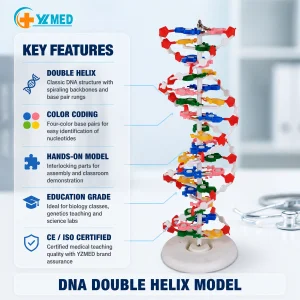
Wholesale Medical Experimental DNA Model/Biological Model Medical Teaching Biology Double Helix DNA Structure Model Manufacturer, Service
View product & quote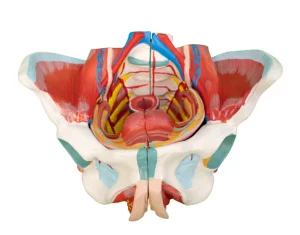
China Life Size Human Female Pelvis Model with Pelvic Floor Muscles, Vessels Nerves & Reproductive, 4 Parts Removable Organs, for the teaching of physiology and hygiene in the teaching of anatomy schools Factories, Quotes
View product & quote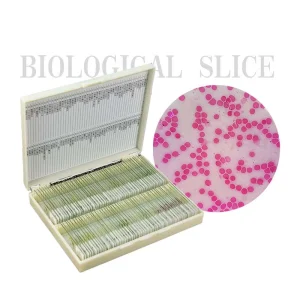
ODM Fixed 100 Items Different Prepared Microscope Histology Slides Set Manufacturer, Pricelist
View product & quote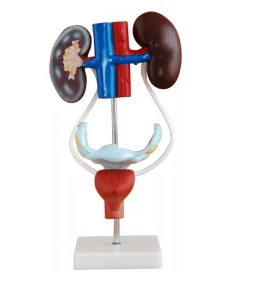
ODM Anatomical model of female genitourinary system Factory, Pricelist
View product & quote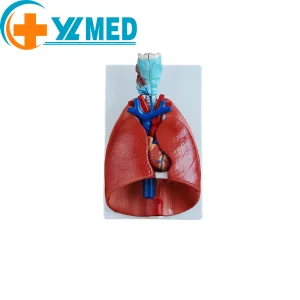
OEM Medical science biological model Larynx cardiopulmonary model Anatomical model for students to learn Quotes, Service
View product & quote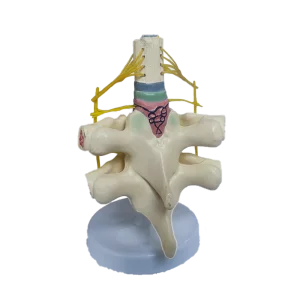
OEM Medical Science Teaching Equipment Medical Human Anatomical Education Model PVC Spinal Nerve Enlargement Skeleton Model Manufacturers, Factories
View product & quote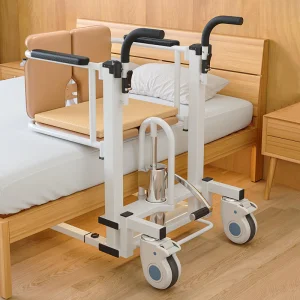
OEM Multifunctional Elderly Transfer Machine Paralyzed Elderly Care Lifting Toilet Chair Disabled Hydraulic Model Factories, Quotes
View product & quote