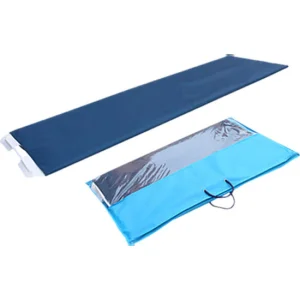
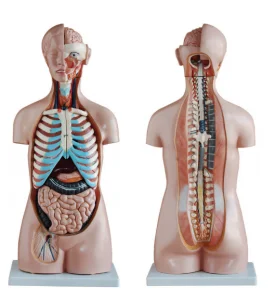
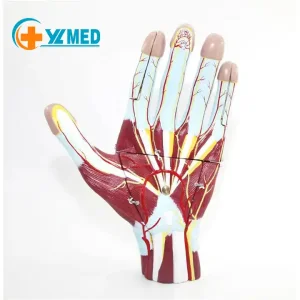
Medical Equipment & Teaching Models Frequently Requested with Centrifuge Projects
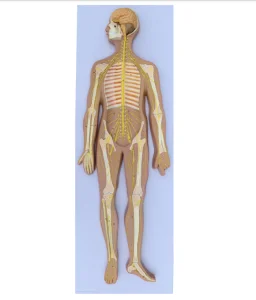
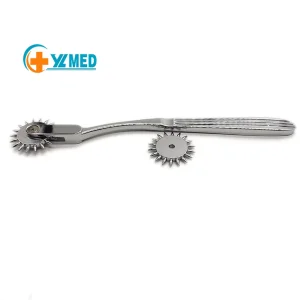
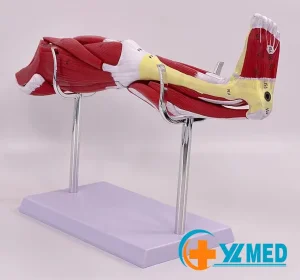
The first eight original product references are preserved below with their image assets and destination URLs. They support mixed-category sourcing for hospitals, training centres and distributors evaluating a broader China medical equipment program.
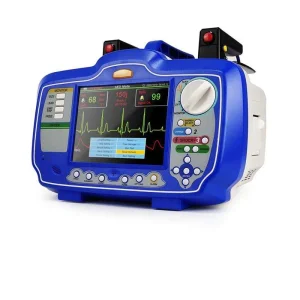
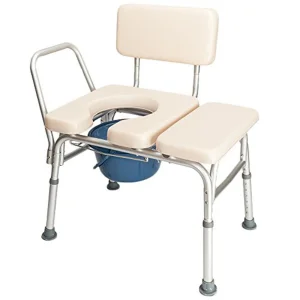
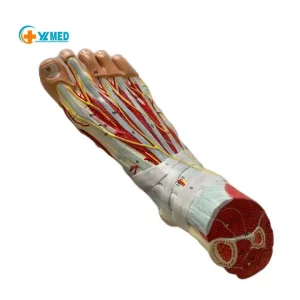

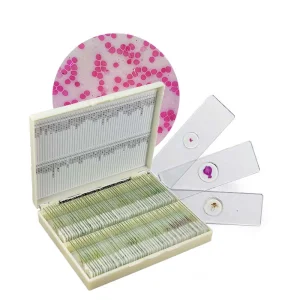
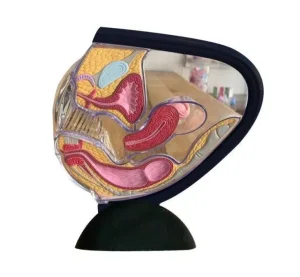
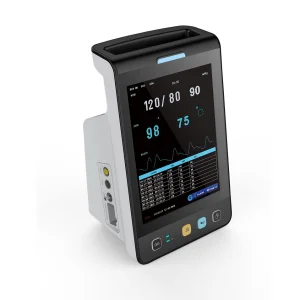
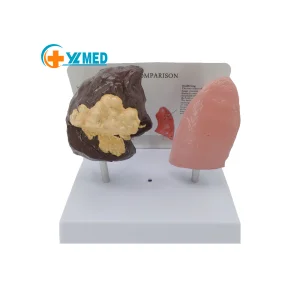
All original image assets and product destination URLs in this section are retained. For centrifuge-specific inquiries, use these items as part of an integrated hospital, training or distributor procurement program.
What Buyers Actually Need from a China Medical Centrifuge Factory
A medical centrifuge is a long-life asset with clinical consequences. Factory selection should therefore be based on technical transparency, documentation, localization and service continuity, not only a low quotation.
Medical centrifuges sit at the quiet centre of clinical decision-making. In a hospital laboratory, a blood bank, a molecular diagnostics unit or a biopharmaceutical QC bench, the centrifuge separates samples before the result that guides treatment. The machine may look simple—motor, rotor, chamber, lid and control board—but its performance is tightly linked to sample integrity, operator safety, turnaround time and the cost of repeated tests. For importers and procurement teams, that is why evaluating a China medical centrifuge factory should be treated as a technical and service qualification exercise, not a price comparison.
This whitepaper is written for distributors, hospital groups, laboratory chains, tender teams and service partners evaluating China medical centrifuge factories and service. It draws on Yulin Medical’s manufacturing and export background—founded in 1958, ISO 9001 certified since 2008, and serving education, hospital and training buyers worldwide—and applies that experience to centrifuge-specific due diligence. The objective is information gain: the practical details often missing from supplier catalogues, such as rotor lifecycle, imbalance tolerance, temperature recovery, voltage localization, calibration evidence, spare-parts planning and response-time commitments.
The strongest sourcing strategy separates the factory from the trader. A real factory can explain how the chamber is balanced, how the motor is matched to the rotor, how the lid interlock is tested, and how service documentation is controlled. It can also show a traceable quality system, not only a certificate image. For medical centrifuges, relevant evidence usually includes ISO 13485 where the product is a medical device, ISO 9001 for the manufacturing system, IEC 61010-2-020 for laboratory centrifuge safety, EMC test data, and market-specific registration or CE/IVDR/FDA documentation where applicable. Buyers should verify the exact model and intended use, because a certificate for one product family does not automatically cover every rotor or accessory.
Where Medical Centrifuges Create Clinical and Industrial Value
Centrifuges are used wherever separation matters. The requirement changes by environment: a single-speed benchtop unit for a clinic is not the same as a refrigerated floor model for a blood bank or a high-speed microplate system for molecular diagnostics.
Hospital & Clinical Laboratories
Routine chemistry, haematology, coagulation, urinalysis and serology depend on reproducible spin protocols. STAT laboratories value fast acceleration, quiet operation and easy program recall; refrigerated models protect temperature-sensitive analytes. Local service should include calibration and rotor inspection.
Blood Banks & Transfusion Services
Blood grouping, crossmatching, antibody screening and component preparation require swing-out rotors, validated buckets and strong biosafety practices. Buyers should request aerosol containment options, imbalance protection and documented temperature performance.
IVD & Molecular Diagnostics
PCR plates, microtubes and sample-preparation workflows demand microplate rotors, high speed and repeatable temperature control. In molecular laboratories, aerosol management and easy decontamination of the chamber are practical selection criteria.
Life Science Research
Cell culture, nucleic acid extraction, protein work and biobanking require flexible rotor options, refrigeration, low noise and data logs. Research groups often value programmability and the ability to validate protocols across studies.
Pharmaceutical & Bioprocessing
QC laboratories, pilot plants and biobatch processing need documented validation, material compatibility and service records suitable for audits. Vendor change control and spare-parts continuity matter as much as maximum RCF.
Veterinary & Public Health
Field laboratories, veterinary clinics and public-health surveillance units need rugged, simple-to-operate centrifuges with local voltage configuration and fast support in remote areas.
Supply, Demand and China’s Manufacturing Role
China is one of the world’s most complete manufacturing environments for laboratory equipment. The opportunity is real, but supplier variance is wide, so qualification must be evidence-based.
China has mature supply chains for brushless motors, refrigeration compressors, electronic drives, precision machining, sensors and sheet-metal enclosures. That ecosystem allows qualified Chinese factories to offer a wide range of medical and laboratory centrifuges—from compact benchtop units to refrigerated floor models—at competitive cost and with shorter customization cycles than many buyers expect.
Demand is being pushed by ageing populations, chronic disease management, decentralized testing, blood safety programmes, vaccine and biologics development, and university research. At the same time, buyers are more cautious. They ask for performance verification, certificate scope, spare-parts guarantees and local service partners. The commercial risk is not “China” as a country; it is the wide variance among suppliers. Some suppliers are strong OEM factories; others are trading offices that cannot control the process. The difference becomes visible during installation, calibration, rotor replacement and the first service event.
China medical centrifuge factories also face a new competitive standard. Price still matters, but contracts are increasingly won by suppliers that can document product safety, provide English and local-language IFUs, configure 110 V/60 Hz and 220 V/50 Hz variants, and support distributors with training and spare kits. In mature markets, the factory’s quality system and technical file are part of the product. In emerging markets, fast service and training often decide repeat orders.
Low-Cost Trading Supplier
Attractive initial price, but limited traceability, weak change control and higher downtime risk. Service often depends on a third party that may not hold spare rotors or control boards.
Audited OEM / ODM Factory
Best value for many distributors: documented QMS, customizable voltage and labelling, spare-parts planning, application training and a defined service escalation path.
Global Brand
Mature service network and standardized validation, but at a premium price. It is the benchmark for uptime and documentation, not always the best fit for every tender or distributor program.
A Practical RFP Weighting Model for China Medical Centrifuge Suppliers
Adjust the weights for your market, but keep technical fit, compliance, serviceability and total cost of ownership visible in the same scorecard.
From Certificate to Calibration: What Localization Really Means
A centrifuge exported to another country must fit the local electrical grid, language, maintenance culture and regulatory pathway. Localization is not a translated manual; it is a service system.
Quality System & Product Safety
Request evidence for ISO 13485 where applicable, ISO 9001, IEC 61010-2-020 laboratory centrifuge safety and EMC performance. The certificate scope must match the exact model, rotor and intended use.
Market Access & Registration
Depending on the destination, buyers may need CE/IVDR documentation, FDA 510(k) clearance, NMPA registration, local import registration or tender-specific declarations. Confirm who owns the technical file and who updates it.
Electrical & Language Localization
Specify 110 V/60 Hz or 220 V/50 Hz, plug type, fuse rating, label language, IFU language and local units. A factory that manages this correctly reduces installation delays and safety incidents.
Service Localization & Calibration
Define preventive maintenance, speed/RCF verification, temperature calibration, rotor inspection and spare-parts stock. A local service partner with remote factory support is often more practical than a distant regional office.
Documentation Package
Ask for IFU, service manual, test reports, risk-file summary, packing list, calibration certificate, spare-parts list and training materials. Documentation is part of the product, not an afterthought.
Installation & Operator Safety
Confirm floor loading, bench clearance, ventilation, noise limits and emergency stop behaviour. Train operators on balancing, lid interlock checks, rotor retirement and spill response.
Matching the Centrifuge to the Real Workflow
The correct centrifuge configuration is the one that fits the sample type, throughput, safety level, room conditions and service model. These scenarios help buyers brief a China medical centrifuge factory accurately.
Small Clinics & Satellite Laboratories
A compact 4–12 tube benchtop centrifuge with preset programs and low noise is often sufficient. Localization should cover 220 V or 110 V configuration, national plug type and simple local-language labels. Service can be supported by an exchangeable motor/control-board strategy.
District & General Hospitals
Refrigerated benchtop and floor units process chemistry, immunology and blood samples across shifts. The service plan should include preventive maintenance visits, speed and temperature calibration, and a backup unit or fast repair path during downtime.
Blood Centres & Transfusion Units
Swing-out rotors, safety cups and validated buckets are central. Localization requires audit-ready records, temperature alarms and biological-safety training. Confirm that rotor and bucket combinations are validated as a set.
Molecular Diagnostics Laboratories
High-speed microplate centrifugation and aerosol containment support PCR and sample-preparation workflows. Easy chamber cleaning, clear error codes and application training reduce contamination risk and operator error.
Universities & Research Institutes
Multi-rotor platforms, quiet operation and data export are valuable when one instrument supports several research groups. Training and preventive maintenance should be scheduled around academic terms and grant cycles.
Mobile & Field Laboratories
Rugged, low-power centrifuges with transport locks and stable performance at variable voltage are preferred. Local service should include quick calibration, spare fuses and a remote troubleshooting protocol.
What the Next Generation of Medical Centrifuges Will Be Judged On
Speed and capacity still matter, but the next competitive frontier is digital traceability, energy efficiency, predictive service and local lifecycle support.
2025–2026: Digital Traceability
Rotor QR/RFID identification, exportable error logs, electronic service records and remote firmware support become practical differentiators for distributors managing fleets.
2026–2028: Efficiency & Acoustics
Brushless motors, improved insulation, variable-speed compressors and quieter operation reduce energy use and improve the working environment in high-throughput laboratories.
2028–2030: Predictive Service
Imbalance detection, vibration analytics and self-diagnostics can help predict bearing wear, rotor fatigue and cooling faults before a sample run is lost.
2030+: Circular & Localized Service
Lower-GWP refrigerants, modular electronics, rebuildable rotors and local assembly or kitting can reduce lead times and extend the service life of the installed base.
For buyers, the roadmap has a practical implication: do not buy only for today’s speed. Ask whether the control platform can support firmware updates, whether error logs can be exported, whether the rotor can be tracked, and whether the factory plans to keep spare parts available for the asset life.
12 Checks Before You Place a Centrifuge Order
Use this checklist in your RFQ and supplier audit. It turns a catalogue conversation into a verifiable project plan.
Factory & Commercial Checks
- Verify the legal manufacturer name, factory address and business licence.
- Ask for a live video tour or third-party factory audit.
- Request two reference customers in your region or segment.
- Confirm product liability, warranty and who supplies spare parts.
Technical Validation
- Verify speed and RCF accuracy at low, mid and high setpoints.
- Test temperature recovery after door opening.
- Review imbalance protection and lid interlock test records.
- Check noise, vibration and rotor fatigue documentation.
Compliance & Lifecycle
- Match certificates to the exact model and accessories.
- Obtain IFU, service manual, test reports and risk-file summary.
- Confirm calibration interval and rotor retirement criteria.
- Secure a written service SLA and spare-parts list.
Acquisition
Unit price, rotor configuration, shipping, duties, installation and training. A low unit price can be offset by missing accessories.
Consumables & Rotors
Rotor life, bucket sets, adapters, seals and calibration kits. Confirm part numbers and local availability before the first order.
Energy & Noise
Refrigerated units consume more power. Low noise and efficient cooling improve operator comfort and can reduce room-level HVAC load.
Downtime & Sample Risk
Response time, spare-parts stock and backup capacity protect reporting deadlines and reduce the cost of re-draws or delayed results.

Yulin Medical: 1958 Heritage, ISO 9001 Quality System and Export Service
Henan Yulin Edu. Project Co., Ltd. (Yulin Medical) has built educational and medical training equipment in Xinxiang, China, for more than six decades. Our quality management system has been ISO 9001 certified since 2008, and our motto is simple: quality first, service first. Every order is produced and inspected so that distributors, medical universities, nursing colleges and hospitals receive consistent, well-documented products on every batch.
Founded in 1958, Henan Yulin Edu. Project Co., Ltd. has grown into a well-known educational and medical equipment supplier that integrates scientific research, production and sales. With registered capital of RMB 120 million and more than 200 professional employees, we manage product development, manufacturing, inspection and export from our base at No. 8 Daoqing Road, Industry Park, Hongqi District, Xinxiang.
Our goal is to fully satisfy every customer through dependable quality and attentive service, while continuously developing the skills of our team so that each project is handled by experienced people.
Original Product Categories: Complete Sourcing for Medical Education & Clinical Use
Ten specialised product lines let procurement teams source simulation, laboratory and hospital equipment from one accountable manufacturer instead of managing multiple suppliers.
01. Anatomy Models
Torso, organ, heart, brain and muscle models with numbered structures for lectures and patient education.
View range02. Biology Prepared Slides and Accessories
Histology, botany and zoology prepared slides plus storage and microscope accessories for biology labs.
View range03. Dental Tools and Equipment
Dental teaching models, clinic lights, LED whitening units and endodontic instruments for training and practice.
View range04. General Teaching Models
Science demonstration models for primary schools, secondary schools and education equipment tenders.
View range05. Hospital Furniture and Equipments
Stainless steel examination couches, stretchers, walkers and shower chairs built for daily clinical use.
View range06. Hospital Machine and Tools
Diagnosis and treatment devices and practical tools for wards, clinics and emergency departments.
View range07. Medical Apparatus and Instruments
Emergency splints, extrication devices, cervical traction and rehabilitation instruments.
View range08. Medical Nursing Model
Adult, child and neonatal CPR manikins, ACLS simulators and AED trainers for skills assessment.
View range09. Skeleton Models
Life-size and desktop skeletons, skulls, spines and joint models for osteology teaching.
View range10. Suture Pads and Kits
Realistic skin suture pads and complete instrument kits for surgical and wound-closure practice.
View rangeWhy Distributors and Institutions Partner with Yulin Medical
Four strengths overseas buyers consistently cite when they move long-term orders to our factory.
24/7 Responsive Service
Our team is online 24 hours a day, 7 days a week. Whatever your time zone, you receive a detailed answer as quickly as possible — typically within 24 hours.
Design & Packaging Team
In-house specialists deliver professional product design and private-label packaging that strengthens your brand and increases the added value of every unit you sell.
Professional Expertise
Our vision is to provide the most professional educational and medical training products from mainland China, built under ISO 9001 process control and decades of category knowledge.
60+ Years of Supply Stability
A factory with over 60 years of history and a deeply integrated partner supply chain lets us meet one-stop demands and keep lead times predictable on repeat orders.
A Transparent 5-Step Process for Overseas Buyers
From first conversation to delivery, every stage has a named contact and clear documentation, so you can plan stock, tenders and training schedules with confidence.
Share Requirements
Send product types, quantities, target market and any tender or certification needs.
Catalog & Proposal
Receive matched models, specifications, packaging options and shipping suggestions.
Sample Evaluation
Test samples with your instructors or clinicians before confirming bulk production.
Production & QC
Manufacturing and inspection follow our ISO 9001 quality management system.
Export & Support
Protective export packing, delivery coordination and responsive after-sales service.
Facility, Production and Export Gallery
Original Yulin Medical facility images are preserved to support supplier verification and factory due diligence.

Headquarters & factory, Xinxiang

Production workshop

Bulk orders ready for export
Original Featured CPR, Emergency & Rehabilitation Equipment
The following original product images and links are preserved for buyers who need an integrated hospital, emergency and training equipment portfolio.












Company News & Practical Insights from Our Specialists
Exhibition updates and hands-on guidance written by the team that designs and builds our products.

Do You Really Know How to Observe Biological Prepared Slides?
Many plant and animal cell structures can only be studied under a microscope, which makes prepared biological slides essential in every biology lab. Our specialists explain how to handle, focus and store slides correctly so students see clearer detail and your slide sets last for years.

The 5th Henan Provincial Educational Equipment Expo Concludes Successfully
Themed “Digital Leading Innovation and Development”, the expo reached a record 50,000 m² with 600+ brands and 10,000+ products on display, showcasing the latest educational equipment.

Inside Our Product Showroom
A look at the medical teaching models and training equipment buyers can inspect in person when visiting our Xinxiang facility.
Frequently Asked Questions from Importers
Straight answers to the questions procurement managers ask most before placing a first order, plus centrifuge-specific qualification questions.
Is Yulin Medical a manufacturer or a trading company?
We are a manufacturer. Henan Yulin Edu. Project Co., Ltd. was founded in 1958 and operates its own factory in Xinxiang, Henan, China, with more than 200 professional staff. For one-stop orders, we also coordinate a stable network of long-term partner factories.
What quality certification do you hold?
Our quality management system has been ISO 9001 certified since 2008. Product-specific documentation can be provided on request to support tenders and import registration in your country.
Do you support OEM, private label and custom packaging?
Yes. Our in-house design team develops private-label packaging and product presentation for distributors, helping increase shelf appeal and resale value in your market.
How do I choose the right CPR training manikin?
Start with the learner group: adult, child or neonatal. Then check that real-time feedback covers compression depth, compression rate and ventilation volume; confirm alignment with current AHA resuscitation guidelines; and decide whether your courses need AED trainer integration. For advanced life-support programmes, an ACLS simulator with embedded scenarios offers far more assessment value than a basic torso.
How quickly will I receive a reply?
Our export team is online 7 days a week and typically replies within 24 hours with catalogues, specifications and shipping options.
How should I evaluate a China medical centrifuge factory for our market?
Start with the exact intended use and required certificate scope. Then request a factory audit or live video tour, model-specific test reports, rotor lifecycle data, service documentation, spare-parts list and at least two references. For medical use, confirm whether ISO 13485, IEC 61010-2-020, EMC and local registration or CE/IVDR/FDA documentation apply to the exact configuration.
What certificates should I request for a medical centrifuge?
Request the quality-system certificate and the product-safety or market-access documents relevant to your destination. Check that the model number, rotor, voltage and intended use match the certificate. Also ask for test reports covering speed/RCF accuracy, temperature performance, lid interlock, imbalance protection and EMC where applicable.
How do I compare fixed-angle and swing-out rotors?
Fixed-angle rotors are efficient for pelleting and high-speed applications. Swing-out rotors are preferred for blood banking, cell separation and protocols that require horizontal separation. Confirm tube/plate capacity, adapter availability, maximum RCF, aerosol containment options and validated bucket combinations.
What service documents should be included?
Ask for the IFU, service manual, preventive-maintenance schedule, calibration procedure, rotor inspection and retirement criteria, spare-parts list, packing list, warranty terms and training materials. A written service-level agreement should define response time, escalation path and parts availability.
What is a realistic lead time?
For standard models, lead time is often several weeks and depends on the model, rotor configuration, voltage customization, packaging and shipping method. Custom labelling, local-language manuals or special documentation can extend the schedule, so confirm every item in the quotation.
Need Specifications, a Price List or a Tender Package? We Reply Within 24 Hours.
Tell us your target market, quantities and certification requirements. Our product specialists will recommend suitable models, share detailed specifications and propose the most economical shipping plan for your order.
More Medical Equipment & Training Products from the Original List
The remaining eight original product references are preserved below with their images and destination URLs for complete sourcing continuity.