Factory-Quoted Teaching, Anatomy and Clinical Models
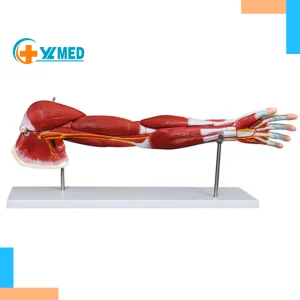
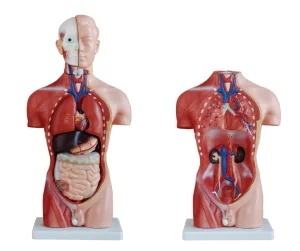
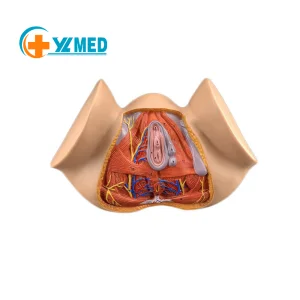
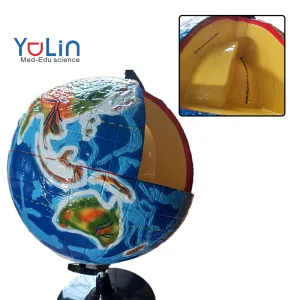
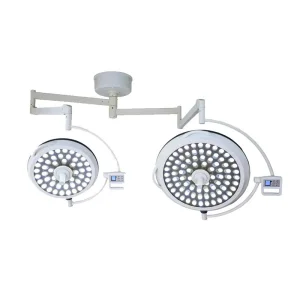
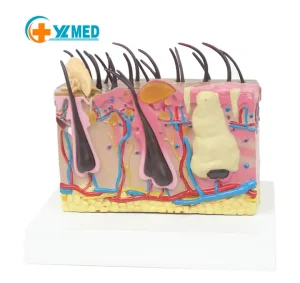
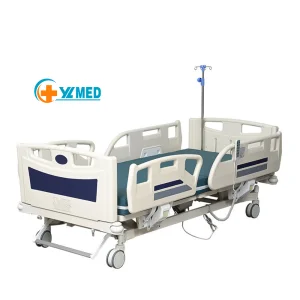
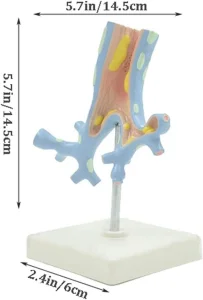
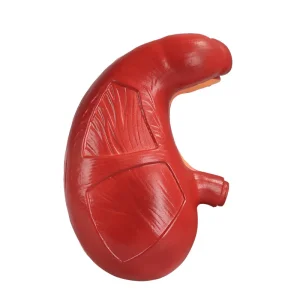
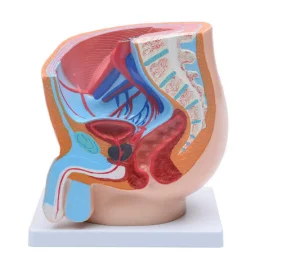
These eight products sit directly below the banner to give procurement teams immediate access to representative Yulin Medical export items. The original product URLs and images are preserved. Click any product button to open its quote page.
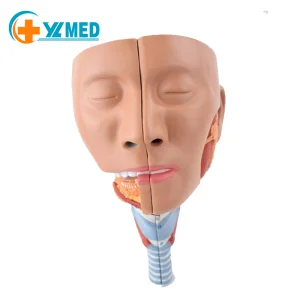
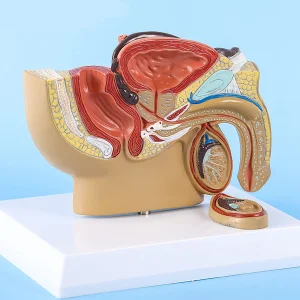
China Fullbody Male & Female Mannequin Sourcing: The Short Answer
When buyers search for China mannequins fullbody male and female factories & quotes, they are usually comparing manufacturing capability, anatomical fidelity, material durability, OEM flexibility, documentation and landed cost. A strong supplier page must answer those commercial questions directly while proving factory experience.
What the query really means
Searchers are not only looking for a product picture. They want a reliable full-body male and female mannequin factory in China that can quote matched sets, support private label packaging, supply spare parts, provide tender documents and ship mixed orders without creating supplier complexity.
For distributors, the commercial intent is resale value and repeatability. For universities and hospitals, it is teaching outcome, anatomical accuracy, safety and long service life. For tender buyers, it is documentation, traceability and predictable lead time.
Why quotes differ so much
Two factories may show similar-looking mannequins yet quote very different prices because of wall thickness, joint design, skin material, internal reinforcement, paint durability, packaging protection, accessory count, manual quality and documentation scope.
Ask every supplier to quote against the same specification sheet: sex, height, clinical functions, material, joints, feedback sensors, language, plug standard, packaging, spare parts and compliance documents. That single step removes most quotation noise.
Factory verification
Check founding year, factory address, staff size, quality system, product lines, export experience and named contact. Ask for current certificates rather than screenshots embedded in old catalogues.
Quote comparison
Compare unit price, MOQ, tooling cost, sample fee, packaging, carton dimensions, gross weight, Incoterms, lead time, warranty and spare-part price — not simply the lowest FOB number.
OEM readiness
For distributors, private-label packaging, product naming, manual language, barcode placement, retail cartons and master-carton markings can increase margin and shelf appeal.
Tender support
Public tenders usually require consistent specifications, traceable batch records, packaging statements, manuals and declarations. Request a document checklist before quotation.
Full-Body Male and Female Mannequin Trends Shaping 2025–2030
The category is moving from static anatomical display toward modular, sensor-ready and program-level training assets. For buyers, the winning specification is the one that balances realism, cleanability, repairability and total lifecycle cost.
Sex-specific anatomical fidelity
Full-body male and female mannequins are increasingly purchased as paired teaching assets. Buyers expect accurate external landmarks, exchangeable genital inserts, breast modules, pelvic structures and realistic joint movement. Anatomical accuracy now influences tender scoring because it directly affects how students learn physical examination, catheterisation, patient positioning and emergency care.
Modularity and repairability
Schools prefer mannequins whose limbs, joints, airway components, skin covers and genital inserts can be replaced separately. Modular design reduces downtime and spare-part cost. A factory that can supply an exploded parts list, service guide and replenishment kit is more valuable than one that only sells a sealed unit with no long-term support plan.
Sensorized skills assessment
CPR feedback, airway management, IV access, auscultation and patient-care scenarios are becoming measurable. Compression depth, rate, recoil, ventilation volume and hand position can be shown in real time. The next procurement wave will favour mannequins that generate objective skills data rather than only visual demonstration.
Realistic but cleanable materials
PVC, silicone, TPE and blended skins each trade realism against cost, tear resistance and cleanability. Healthcare buyers increasingly require surfaces that tolerate repeated disinfection. Suppliers must document material composition, cleaning limits, colour-fastness and repair methods so that realism does not become a hygiene liability.
Lightweight portability
Mobile training teams, community health programmes and ambulance services need mannequins that can be moved without compromising realism. Internal reinforcement, carry handles, collapsible stands and compact packaging are becoming differentiators. For distributors, lighter cartons can also reduce freight cost and damage risk during multimodal shipping.
Hybrid physical-digital learning
QR-linked instructions, AR anatomy overlays, digital scenario cards and LMS-ready assessment records are starting to accompany physical mannequins. The factory advantage is not simply making the body; it is integrating the physical product with training content, language localisation and service documentation that institutions can actually deploy.
Global Procurement Demand: What Universities, Hospitals and Distributors Buy
Demand for fullbody male and female mannequins from China is not a single market. A nursing college may prioritise catheterisation and bed-care functions; an EMS programme may need airway, CPR and trauma realism; a distributor may care more about packaging, MOQ and spare-part availability. The RFQ must translate these use cases into a comparable technical and commercial specification.
Sex, age and body matrix
Specify male, female, adult, child, neonatal or bariatric configurations. For paired mannequins, confirm whether genital inserts, breast modules, pelvic structures and skin tones must be exchangeable or fixed.
Clinical task list
List procedures: bed bathing, catheterisation, enema, injection, auscultation, airway management, CPR, IV access, wound care or patient transfer. Each function changes internal structure, consumables and price.
Material and finish
Decide between soft PVC, silicone, TPE or rigid anatomical materials. Ask for tear strength, surface texture, colour options, cleaning agent compatibility and repair samples before approving a batch.
Joint range and structure
Confirm shoulder, elbow, hip, knee, neck and jaw movement. For positioning and transfer training, internal reinforcement and weight distribution matter as much as the visible skin.
Digital feedback and power
For sensorized models, specify feedback metrics, display size, language, battery life, charging method, plug type, voltage and whether data export is needed for assessment records.
Labeling and language
State the required manual language, warning labels, product marking, private-label logo, barcode format and master-carton information. Localisation problems often delay customs clearance or tender acceptance.
Spare parts and service kits
Buyers should request a recommended spare-parts kit: skin covers, joints, airway lungs, tubing, seals, sensors, power adapters and fixation tools. Serviceability protects your installed base.
Documentation and traceability
Ask for batch identification, inspection records, packing list, material declarations, certificate copies and instructions for use. Documentation quality is a major differentiator in public tenders.
Regional procurement patterns
Typical buyer scorecard weighting
Use this illustrative scorecard to compare suppliers consistently. Adjust weights for your tender, distributor policy or clinical programme.
Macro Industry Solutions: Program-Level Sourcing for Fullbody Mannequins
A single mannequin order is straightforward. A programme-level order involving male and female sets, nursing models, anatomy models, slides, hospital furniture and consumables requires a supplier that can coordinate specifications, inspection, packaging and shipment without losing accountability.
One-stop mixed-category orders
Combine full-body male and female mannequins with anatomy models, nursing simulators, biology prepared slides, hospital furniture and instruments. One commercial contact, one inspection plan and one consolidated shipment reduce procurement overhead and improve landed-cost control.
OEM and private-label programmes
For distributors, factory design support can cover logo placement, retail packaging, product naming, manual language, barcode labels and master-carton marks. Private label is not only branding; it is a repeat-order system that protects your margin and local market position.
Tender package engineering
Quote packages can be structured around your tender schedule: model numbers, technical parameters, material statements, packing details, accessory lists, warranty terms, spare-parts recommendations and document checklists. Clear documentation reduces bid clarification risk.
Batch QC and pre-shipment inspection
Under an ISO 9001 quality management system since 2008, production can be checked against approved samples, colour standards, accessory counts, mechanical function, packaging drop protection and label accuracy before shipment.
Export packing and logistics
Mannequins need protection at joints, face, hands and control modules. Fit-for-purpose cartons, moisture barriers, pallet plans and container loading advice help protect products during multimodal transport and reduce dealer rework on arrival.
Programme lifecycle support
After delivery, buyers need replacement skin covers, joints, sensors, airway parts and manuals. A factory that plans spare parts at quotation stage protects your installed base and makes future expansion orders easier to forecast.
A Transparent Six-Step Process for Overseas Buyers
From first inquiry to after-sales support, every stage can have a named contact and clear documentation, helping distributors and institutions plan stock, tenders and training schedules with confidence.
Share requirements
Send product types, male/female quantity matrix, target market, clinical functions and any tender or certification requirements.
Catalog & proposal
Receive matched models, specifications, packaging options, accessory lists and practical shipping suggestions.
Sample evaluation
Test anatomical landmarks, materials, joints and feedback functions with your instructors or clinicians before bulk production.
Production & QC
Manufacturing and inspection follow the approved sample, specification sheet and ISO 9001 quality-management process.
Export & documentation
Protective export packing, delivery coordination and document preparation support smooth customs and receiving processes.
After-sales & replenishment
Spare parts, repeat-order planning and responsive after-sales communication help protect long-term programme performance.
Localization Support and Compliance Assurance for Importers
Compliance is market-specific and product-specific. A responsible China mannequin factory should help you assemble the right document package, label set and technical statements, while making clear which actions belong to the importer, distributor or local regulatory representative.
Market-entry document matrix
Clarify whether your market requires CE marking, UKCA, FDA clearance, medical-device registration, electrical safety statements, RoHS, REACH or other declarations. Product titles containing CE/ISO wording must be supported by current, product-specific documents before tender submission.
ISO 9001 and QMS evidence
Yulin Medical has held ISO 9001 certification since 2008. The quality system supports process control, inspection discipline and traceability. For tenders, request the current certificate copy and any product-specific test or declaration documents needed by your buyer.
Labels, manuals and language
Specify target language, warning icons, model numbers, manufacturer information, importer details where applicable, lot numbers and storage instructions. Consistent label templates reduce rework and help your local sales team present a professional product.
Electrical safety and plug variants
For powered simulators, monitors, ICU beds or LED equipment, confirm voltage, frequency, plug type, adapter certification, battery transport rules and labelling. Electrical configurations should be fixed at quotation stage, not after production.
Packaging and transport compliance
Declare carton markings, pallet dimensions, gross weight, drop-test expectations and any dangerous-goods considerations for batteries or liquids. Correct transport data prevents avoidable port delays and dealer claims.
Traceability and after-sales records
Batch identification, packing lists, inspection records and spare-part references should be retained so that repeat orders, warranty questions and tender audits can be answered accurately. Traceability is part of reliability, not administration.
Technical Roadmap and Future Mannequin Development
The next competitive frontier is not simply a more realistic body. It is a connected training asset that combines durable materials, modular serviceability, objective skills measurement and localised teaching content. Buyers who specify for this roadmap today will avoid premature replacement tomorrow.
2025–2026
Sensor-ready modular bodies. More male/female paired models will be designed with replaceable limb, airway, genital and sensor modules. Factory quotations will increasingly include spare-part kits and upgrade paths.
2026–2027
AI-assisted skills scoring. CPR, airway, injection and patient-care data can be scored against course rubrics. Expect stronger demand for exportable assessment records, multi-language interfaces and instructor dashboards.
2027–2028
AR overlays and remote instruction. Physical mannequins will increasingly link to digital anatomy overlays, scenario cards and remote demonstration tools, helping institutions train larger cohorts with fewer specialist instructors.
2028–2030
Sustainable materials and circular service. Buyers will ask for lower-waste packaging, recyclable content, documented material composition and long-life replacement parts. Suppliers that design for repair will win repeat institutional orders.
Why Yulin Medical Is a Credible China Supply Partner
Henan Yulin Edu. Project Co., Ltd. was founded in 1958 and has grown into a well-known educational and medical equipment supplier that integrates scientific research, production and sales. The company is based at No. 8, Daoqing Road, Industry Park, Hongqi District, Xinxiang, Henan, China, with registered capital of RMB 120 million and more than 200 professional employees. Its quality management system has been ISO 9001 certified since 2008, and the operating motto is quality first, service first.
For full-body male and female mannequin projects, this matters because procurement is rarely limited to one item. A university may need anatomy models, nursing mannequins, prepared slides and hospital furniture in the same semester. A distributor may need mixed-category containers, private-label packaging and repeat-order support. Yulin Medical combines a long manufacturing history with ten product lines and an export team that typically replies within 24 hours.
Q&A: China Fullbody Male and Female Mannequin Factories & Quotes
These are the questions procurement teams ask most often before requesting a factory quotation for male and female full-body mannequins or related medical teaching models.
Yes, but you should define what “matching” means. Confirm whether male and female models share the same height, joint system, skin material, internal structure and optional feedback modules. Also decide whether genital inserts, breast modules and pelvic anatomy must be exchangeable. A matched set is easier to teach with and easier to replenish when spare parts are standardised.
Check the legal company name, factory address, founding year, employee count, product lines and quality certification. Ask for current ISO 9001 documents, product-specific test reports where applicable, factory photos tied to the real location, and references or export records. Compare the quotation’s specification against the sample, not only against catalogue photos.
A useful quote states model number, male/female configuration, material, dimensions, weight, included accessories, optional sensors, packaging, carton size, gross weight, MOQ, sample fee, production lead time, Incoterm, warranty, spare-parts price and document scope. For tender use, ask for a parameter table that can be copied into your bid schedule.
Yes. An in-house design and packaging team can develop private-label presentation for distributors, including logo placement, product naming, manual language, barcode labels and retail cartons. Custom packaging is most economical when planned with the first production order so that carton structure, master-carton marks and spare-part kits are standardised for repeat orders.
The applicable documents depend on product classification, target market and intended use. Yulin Medical can provide ISO 9001 quality-system evidence and product-specific documentation on request. Buyers should confirm whether CE, UKCA, FDA, medical-device registration, electrical safety, RoHS, REACH or other requirements apply, and obtain current documents for the exact model before import or tender submission.
Sampling requirements and MOQ depend on the model, customisation level and packaging. A practical process is: send your specification, receive a quote and catalogue, approve a sample, confirm packaging and documents, place the production order, complete pre-shipment inspection, then arrange export shipping. The export team typically replies within 24 hours with specifications, price guidance and shipping options.
Need Specifications, a Price List or a Tender Package? We Reply Within 24 Hours.
Tell us your target market, quantities, male/female mannequin requirements, clinical functions and certification needs. Our product specialists will recommend suitable models, share detailed specifications and propose an economical shipping plan for your order.
Henan Yulin Edu. Project Co., Ltd. · No. 8, Daoqing Road, Industry Park, Hongqi District, Xinxiang, Henan, China · ISO 9001 certified since 2008 · Manufacturing since 1958
Complete Factory Quote List: Eight More Models for Program Sourcing
These remaining eight products are shown at the bottom of the page as part of the complete Yulin Medical sourcing view. The original product URLs and images remain intact, and each product title is available through a button-style link for quick quotation.