
Factory-Ready Medical Teaching & Clinical Training Products
The same manufacturing, quality and export team that supports China intravenous intramuscular training pad quotations also supplies anatomy models, nursing simulators, laboratory slides, hospital equipment and rehabilitation products. Distributors can consolidate mixed categories into one shipment with one point of contact.
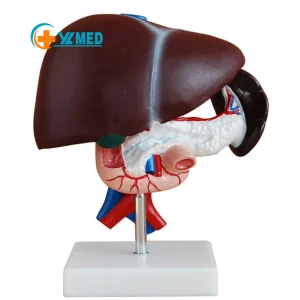
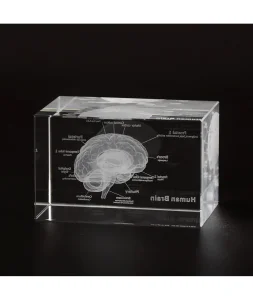
Wholesale Ultrassist 3D Human Brain Glass Model Laser Etched Anatomical Model for Home and Office Decoration Neurology Gifts Manufacturer, Service
View Product & Quote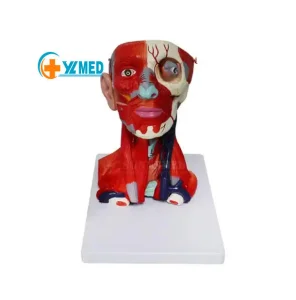
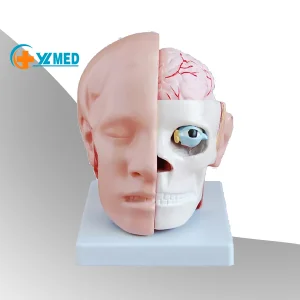
China Human Head and Neck Muscle Blood Vessel and Brain Model PVC Material Head and Face Anatomy Model with Brain Manufacturers, Pricelist
View Product & Quote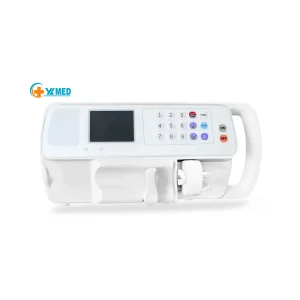
China Longermay Support 5ml 10ml 20ml 50ml/60ml Electric Syringe Pump High Quality Medical Cheap Syringe Pump Pricelist, Quotes
View Product & Quote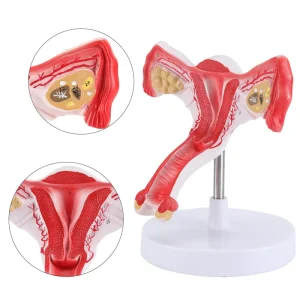
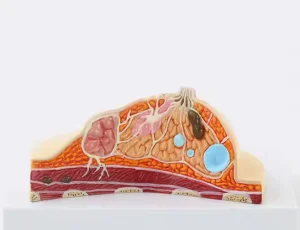
China Medical Science High Quality and Best Price Human Breast Cancer Self-Exam Model 3401 Factory, Quotes
View Product & Quote
What Are Intravenous and Intramuscular Training Pads?
A practical buyer guide for distributors, medical schools, hospitals and simulation centres evaluating factory-direct IV and IM injection training pads from China.
Intravenous and intramuscular training pads are simulated tissue constructs used to practise needle placement, vein puncture, cannulation, injection angle, aspiration, needle depth and securement in a classroom, nursing lab or clinical skills centre. A well-designed pad should reproduce the feel of skin, subcutaneous tissue and the target vessel or muscle while giving learners clear visual and tactile feedback. For procurement teams, the difference between a usable training pad and a poor one is rarely visible in a photograph. It appears in repeatability: how the surface responds after 20 or 50 attempts, whether the simulated vessel tracks remain stable, whether the base moves during practice, and whether the product can be cleaned and stored without premature degradation.
A low-cost pad that tears after a few attempts or feels nothing like tissue can create false confidence. A carefully built pad should support repeatable practice, consistent haptic response, cleanability and a controlled cost per training attempt. That is why serious buyers compare materials, layer bonding, surface texture, base stability and replacement options, not only the unit price. They also ask whether the manufacturer can supply the same specification on repeat orders, provide instructions in the buyer's language, and support tender documentation when a public institution is purchasing through a formal process.
Yulin Medical approaches IV/IM training pads as part of a wider medical education supply programme. We are a manufacturer, not a trading company. Henan Yulin Edu. Project Co., Ltd. was founded in 1958 and operates its own factory in Xinxiang, Henan, China, with more than 200 professional staff and registered capital of RMB 120 million. Our quality management system has been ISO 9001 certified since 2008, and our product portfolio covers ten integrated lines, from anatomy models and nursing simulators to biology prepared slides, suture pads and hospital equipment. For buyers, this matters because it reduces the risk of fragmented documentation, inconsistent packaging and multiple suppliers who cannot coordinate a mixed order.
When a distributor asks for quotes, the conversation should be specific. A useful RFQ for intravenous intramuscular training pads normally states the intended procedure, the learner level, the required layer construction, whether replaceable inserts are needed, the expected number of practice attempts, the packaging format, the language of the instructions, the destination market and any tender or import documentation requirements. With those details, a manufacturer can quote a realistic specification instead of an entry-level sample that will not survive real classroom use. The result is a more accurate cost per training session and fewer surprises after the purchase order is confirmed.
- Procedure fit: IV cannulation, venipuncture, IM injection or combined skills practice.
- Construction: skin-like surface, tissue layer, vessel or muscle simulation and stable base.
- Reusability: cleanability, replacement inserts and expected attempts per pad.
- Localization: language, packaging, labels, barcodes and distributor branding.
- Compliance: material guidance, use instructions and product-specific documents on request.
- Logistics: carton size, gross weight, mixed-category consolidation and delivery schedule.
Why Buyers Choose Yulin for IV/IM Training Pad Programs
Medical education procurement is not only about finding a low quote. It is about finding a supplier whose samples, repeat orders, packaging and documentation remain aligned after the first shipment.
60+ Years of Manufacturing Experience
Founded in 1958, Yulin Medical has supplied educational and medical training products for more than six decades. That history is useful to buyers because it reflects long-term process knowledge, export experience and a stable factory organisation rather than a short-term trading operation.
ISO 9001 Quality Discipline
Our quality management system has been ISO 9001 certified since 2008. For training pad projects, we discuss incoming materials, layer construction, surface finish, base stability, packing and final inspection so that the approved sample can be reproduced on repeat orders.
OEM, Private Label & Packaging
Our in-house design team supports private-label packaging, product presentation, barcodes, instruction inserts and distributor branding. This is especially valuable for companies that sell through catalogues, tenders, online stores or regional dealer networks.
One Accountable Supply Partner
With ten integrated product lines, we can consolidate anatomy models, CPR manikins, suture pads, prepared slides, hospital furniture and training pads into one shipment. Buyers reduce supplier administration while keeping one point of contact for specifications and after-sales follow-up.
China Factory Supply Chain Advantages for IV/IM Training Pad Programs
China's advantage is not simply lower labour cost. For training pads, it is the combination of material access, tooling, process control, packaging capability and export coordination.
Material & Component Coordination
Our location in Xinxiang, Henan, gives us access to a mature network of medical education, plastics, packaging and laboratory suppliers. For IV/IM training pads, this helps coordinate skin-like elastomers, stable bases, pigments, inserts and cartons against the approved specification rather than sourcing each element from unrelated traders.
Layer Consistency & Process Control
Training pad quality depends on layer thickness, surface texture, vessel or muscle positioning, edge finishing and base stability. We discuss these variables during sampling and keep production aligned with the approved reference so that repeat orders do not drift into a different feel or appearance.
Mixed-Category Consolidation
Distributors often need more than pads. An order may also include CPR manikins, suture pads, anatomy models, biology prepared slides, hospital furniture or rehabilitation aids. Consolidating these lines with one manufacturer reduces duplicate shipping, customs paperwork and supplier follow-up.
Private-Label Speed
Our in-house design and packaging team helps distributors launch a local brand without building a factory. We can discuss label layout, instruction inserts, carton marks, barcodes and presentation images so the product is ready for the buyer's catalogue, tender file or online listing.
Export-Ready Protective Packing
Training pads must arrive clean, flat and undamaged. Export packing can be planned around product size, quantity per carton, moisture protection, carton strength and shipping mode. Packing lists and carton marks are prepared to support the importer's receiving and warehouse processes.
Scalable Repeat Orders
For distributors and hospital groups, the second and third orders matter as much as the first sample. A factory with long-term material relationships, documented processes and planned production can reduce lead-time uncertainty and protect the buyer's stock availability during tender seasons and academic semesters.
A lower unit price can become expensive if the pad deforms quickly, the packaging arrives crushed, or the next batch feels different from the approved sample. Evaluate the total cost of training, replacement frequency, storage, documentation and delivery reliability — not only the FOB price.
Localized Support and Compliance Assurance for Global Distributors
Localization is not only translation. It is the alignment of packaging, instructions, labelling, documentation and training support with the expectations of the destination market.
Different markets teach IV and IM procedures in different ways. A nursing school in one country may prioritise venipuncture and cannulation, while a hospital group may focus on injection safety, angle control and infection prevention. A distributor may need English instructions for one customer, French or Spanish labelling for another, and a tender-ready specification sheet for a public procurement project. Our export team works from the buyer's intended use, learner group and market requirements so that the supplied training pads support the local curriculum rather than creating extra adaptation work later.
Localized support can include private-label packaging, distributor logos, barcode formatting, instruction inserts, product photos for catalogues and specification tables for tenders. For larger programs, we can discuss carton marks, language versions, sample evaluation checklists and replacement planning. The goal is to make the product easier for the importer to stock, easier for the instructor to explain and easier for the end user to reorder.
Compliance must be handled with precision. IV/IM training pads are educational training aids, not products for human injection. They should be used according to the supplied instructions and local institutional policies. Nothing on this page should be read as a claim that a training pad is a medical device, an injectable product or suitable for human use. Final market classification and import requirements remain subject to the destination country's regulations. We support buyer due diligence with product-specific information on request and do not invent certifications or approvals.
Our quality management system has been ISO 9001 certified since 2008. This certification supports a structured approach to quality control, document control and inspection, but it is not a substitute for product registration in the buyer's market. For tender teams, we can discuss model drawings, material guidance, packaging specifications, carton dimensions, gross weight and instructions. Where a buyer requires declarations or test reports for a particular market, the request should be included in the RFQ so that the correct documents can be reviewed before the quotation is finalised.
Authoritative buyer note: request a sample and a document checklist before committing to a bulk order. Confirm the intended use, cleaning method, storage conditions and disposal guidance with your local instructors or compliance team.
Documentation & Localization Options
- English instruction support; additional language versions on request
- Private-label packaging, labels, barcodes and distributor branding
- Tender-ready specifications, packing lists and carton marks
- Cleaning, storage and handling guidance for training use
- Material declarations and product-specific documents where applicable
- Batch consistency planning and final inspection follow-up
- Mixed-category export consolidation across ten product lines
What Global Enterprises Ask for When Sourcing IV/IM Training Pads
Distributors, hospital groups, universities and EMS training providers evaluate suppliers through different lenses, but their core risks are similar: inconsistent quality, unclear documentation, late delivery and a product that does not match the local curriculum.
Tender & Import Readiness
Public institutions need clear specifications, packing data, model numbers and documents that can be attached to a purchase file. We help buyers prepare the product information required for internal review, while the importer remains responsible for local registration and market access.
Repeatable Quality Across Reorders
An approved sample is a promise. Distributors need the next shipment to feel the same, pack the same and perform the same. Our quality process focuses on specification control, material consistency and final inspection so that reorders do not create a new product experience.
Cost Engineering Without Weak Simulation
Buyers want a competitive quote, but not at the expense of useful training. We discuss layer construction, replaceable inserts, packaging and order volume to find a specification that balances realism, durability and total cost per learner attempt.
Delivery Planning & Low-Risk Sampling
Before a bulk order, instructors should test the sample with the actual learner group. A structured sample evaluation can reveal whether the pad feels right, whether the vessel or muscle target is visible and whether the product survives the expected cleaning routine.
Illustrative Procurement Priorities for Training Pad Projects
The percentages above are an illustrative visualisation of common buyer priorities, not a statistical survey. They are intended to help procurement teams structure their evaluation criteria.
Industry Trends Shaping Intravenous and Intramuscular Training Pads
Medical education is moving toward competency-based assessment, higher-fidelity simulation and more accountable procurement. Training pads are becoming part of a broader skills ecosystem rather than a disposable classroom accessory.
High-Fidelity Layered Realism
Educators increasingly expect training pads to reproduce the feel of skin, subcutaneous tissue and the target vessel or muscle. Layer thickness, surface tension and needle feedback are becoming evaluation criteria rather than optional features.
Competency-Based Education
Programs need learners to demonstrate consistent technique before moving to supervised clinical practice. Training pads that support repeatable attempts, clear target identification and structured peer assessment fit better into competency-based curricula.
Reusable & Sustainable Materials
Institutions are reviewing waste, cleaning routines and replacement frequency. Reusable pads and replaceable inserts can reduce consumable waste, but only if the material survives the cleaning protocol and retains realistic feedback after repeated use.
Hybrid Learning & Digital Instructions
Blended learning models combine classroom practice with video demonstrations and remote assessment. Clear instructions, consistent product presentation and distributor-ready digital assets help instructors deliver the same training standard across multiple sites.
Local Protocol Alignment
Injection safety guidance, cannulation procedures and infection-control expectations vary by region. Buyers increasingly ask suppliers to support local labelling, language and training notes so that the product fits the local curriculum.
Supplier Consolidation
Distributors prefer fewer suppliers with broader catalogues and reliable documentation. A manufacturer that can combine IV/IM pads with anatomy models, CPR manikins, suture pads, slides and hospital equipment reduces administrative complexity and shipping fragmentation.
Localized Application Scenarios Across Healthcare Education
Training pads are used differently across nursing schools, hospitals, emergency services, community health programs and veterinary education. The right specification depends on the learner, the procedure and the local teaching protocol.
Nursing Schools & University Skills Labs
Students need repeated practice in venipuncture, cannulation and IM injection before supervised clinical placement. Pads with clear target identification, stable bases and replaceable inserts help skills labs manage large cohorts without sacrificing practice quality.
Hospital In-Service & Residency Programs
Hospitals use pads for refresher training, onboarding and competency assessment. Standardised pads allow educators to compare technique across departments and document completion of practical skills requirements.
EMS & Pre-Hospital Teams
Emergency teams practise rapid decision-making under pressure. Durable pads that can be packed, transported and used in field-training exercises are valuable for refresher courses and scenario-based simulation.
Community Health & Vaccination Training
Public health programs need safe, repeatable injection practice before staff deliver community services. Local language instructions and consistent product quality help trainers maintain standards across multiple locations.
Pharmacy, Home Care & Elderly Care
Care providers and pharmacy teams may require basic injection technique training and refresher practice. Training pads offer a controlled environment for learning angle, depth and safe handling before any supervised clinical exposure.
Veterinary & Laboratory Education
Veterinary schools and laboratory training centres also use simulated tissue for injection practice. Different species and procedures may require different pad sizes, target depths and surface characteristics, which can be discussed during sampling.
From Enquiry to Quote: A Transparent 5-Step Process
Clear inputs produce useful quotations. The process below keeps product specification, sample approval, production and export documentation aligned from the beginning.
Share Requirements
Tell us the procedure, learner group, expected attempts, quantity, destination market, packaging preference and any documentation needs.
Specification & Proposal
We propose a suitable pad construction, material options, replacement strategy, packaging format, carton plan and shipping suggestion.
Sample Evaluation
Test the sample with instructors or clinicians. Confirm tactile response, target visibility, cleaning routine and expected service life.
Production & QC
Bulk production follows the approved reference and our ISO 9001 quality management workflow, with final inspection before packing.
Export & Follow-Up
Protective packing, carton marks, packing list coordination and responsive after-sales communication support the delivery stage.
Our export team is online 7 days a week and typically replies within 24 hours with catalogues, specifications follow-up and shipping options.
How to Build a Better RFQ for Intravenous Intramuscular Training Pads
If you want comparable quotes from different manufacturers, give every supplier the same structured brief. This reduces the risk of comparing a premium training model with an entry-level sample that was never designed for your learner group.
Define the Learning Objective
State whether the pad is for IV access, IM injection, aspiration practice, cannulation or combined skills. Include the learner level and the number of practice attempts expected per session.
Specify Construction & Realism
Describe the desired skin feel, layer depth, vessel or muscle target, base stability and whether replaceable inserts are required. Request a sample that matches the proposed production specification.
Plan Packaging & Compliance
Confirm language, labels, private-label artwork, barcode format, instructions and any documents required for tender or import review. Ask the manufacturer to list what can and cannot be provided.
Plan Volume, Samples & Delivery
Provide annual volume, first-order quantity, delivery deadline and destination. Ask for carton dimensions, gross weight, packing quantity and whether mixed-category consolidation is possible.
Product type · pad size · layer structure · target procedure · quantity · packaging · language · destination port · sample requirement · documentation requirement · preferred delivery date.
More Products from Yulin Medical's Integrated Supply Network
These additional factory-direct listings show the breadth of the Yulin Medical catalogue. Distributors can combine training pads, anatomy models, laboratory teaching materials and hospital equipment in a single sourcing plan.
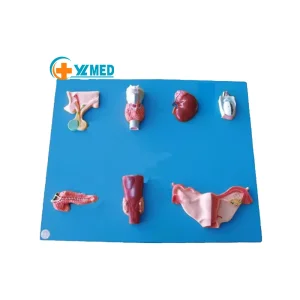
ODM Educational Adhesive Medical Science Anatomical Model Human Endocrine Organ Hypophysis Thyroid Testis Science Demonstrations Manufacturers, Quotes
View Product & Quote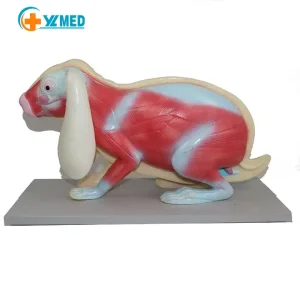
Wholesale Medical anatomy teaching advanced PVC rabbit model Rabbit anatomical model Factories, Quotes
View Product & Quote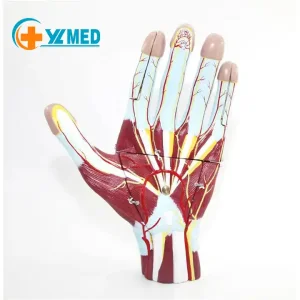
Wholesale Medical Science Palmar anatomy Enlarged model aponeurosis moves the palmar anatomy Manufacturer, Factory
View Product & Quote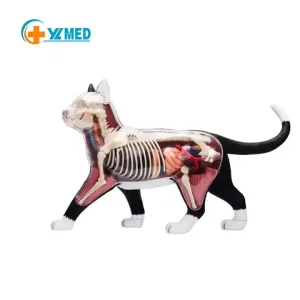
OEM Anatomical cat anatomy model for medical learning with prompt delivery medical science cat anatomy model for kids learning Factory, Quotes
View Product & Quote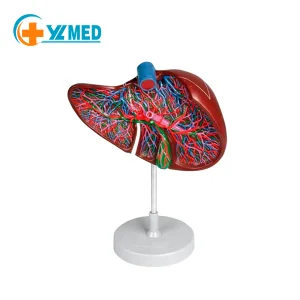
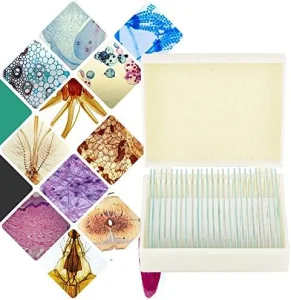
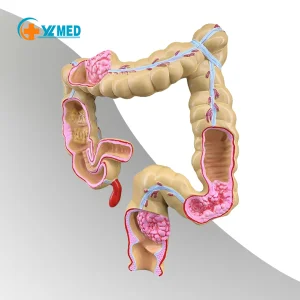
Related Product Categories for Integrated Medical Education Sourcing
Combine IV/IM training pads with the wider Yulin Medical catalogue to simplify supplier administration, consolidate shipments and support tender packages that require multiple teaching categories.
Frequently Asked Questions About IV/IM Training Pads and Quotes
Straight answers for procurement managers, distributors, medical schools and hospital training teams evaluating a China-based manufacturer.
Is Yulin Medical a manufacturer or a trading company?
We are a manufacturer. Henan Yulin Edu. Project Co., Ltd. was founded in 1958 and operates its own factory in Xinxiang, Henan, China, with more than 200 professional staff. For one-stop orders, we also coordinate a stable network of long-term partner factories.
What quality certification do you hold?
Our quality management system has been ISO 9001 certified since 2008. Product-specific documentation can be provided on request to support tenders and import registration. Certification scope and product documentation should always be confirmed for the specific item and destination market before final purchase.
Do you support OEM, private label and custom packaging?
Yes. Our in-house design team develops private-label packaging and product presentation for distributors. We can discuss label layout, barcodes, instruction inserts, carton marks and distributor branding to help increase shelf appeal and resale value in your market.
What are IV/IM training pads usually made of?
Construction varies by model and learning objective. A typical training pad may combine a skin-like outer layer, a simulated tissue layer, a target vessel or muscle section, and a stable base. The exact material, thickness and replaceable-insert design should be agreed during sampling so that the pad matches the intended procedure and cleaning routine.
Are these training pads medical devices for human use?
No. They are educational training aids for simulation and skills practice, not products for human injection or clinical treatment. Regulatory classification depends on the destination market and intended use. The importer remains responsible for local market access, while we support buyer due diligence with product-specific information on request.
How do I choose between IV and IM training pads?
Start with the learning objective. IV training pads should support vein targeting, puncture angle, cannulation and securement practice. IM pads should support injection angle, depth and muscle-site practice. Also consider the learner level, expected number of attempts, replaceable inserts, surface realism and whether the pad will be used for classroom demonstrations or individual practice.
Can I request samples and a factory quote?
Yes. Send your procedure type, target specification, quantity, destination market, packaging preference and documentation needs. We will recommend a suitable model, discuss sample evaluation and prepare a quotation. Our export team typically replies within 24 hours and is online 7 days a week.
How do you support local languages and tender requirements?
We can discuss English instructions and additional language versions on request, along with private-label labels, packaging artwork, barcodes, specification tables and packing lists. For tender projects, provide the exact document list and language requirement in the RFQ so that the correct information can be reviewed before quotation.
How quickly will I receive a reply?
Our export team is online 7 days a week and typically replies within 24 hours with catalogues, specifications and shipping options. For urgent projects, include the word “URGENT” and your required delivery date in the subject line or first message.
Need Specifications, a Price List or a Tender Package for IV/IM Training Pads?
Tell us your target market, learner group, quantities and certification requirements. Our product specialists will recommend suitable models, share detailed specifications and propose a practical shipping plan for your order. Yulin Medical combines a factory-direct supply base, ISO 9001 quality management and a broad medical education catalogue to support distributors, schools, hospitals and training centres worldwide.
Henan Yulin Edu. Project Co., Ltd. · Founded 1958 · ISO 9001 certified since 2008 · No. 8, Daoqing Road, Industry Park, Hongqi District, Xinxiang, Henan, China.