
Eight selected products for clinical training, emergency care and hospital support
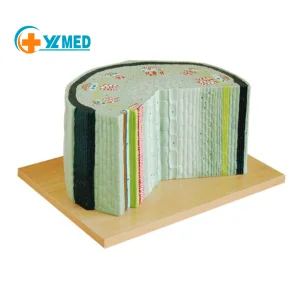
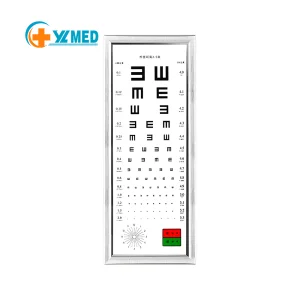
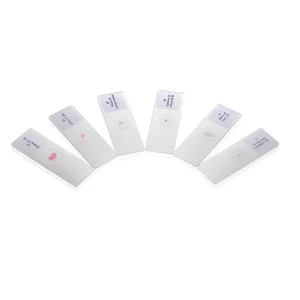
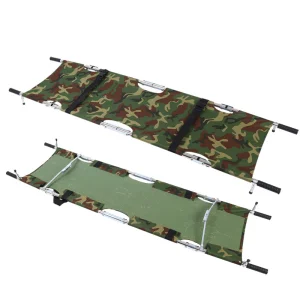
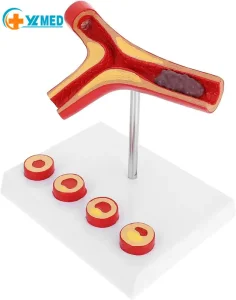
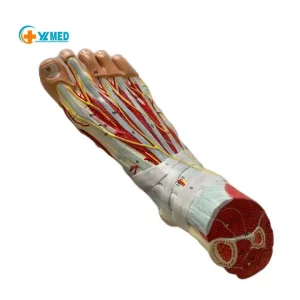
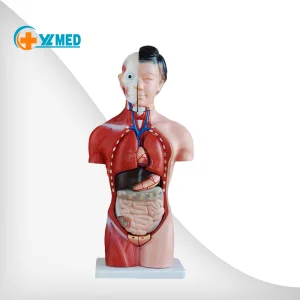
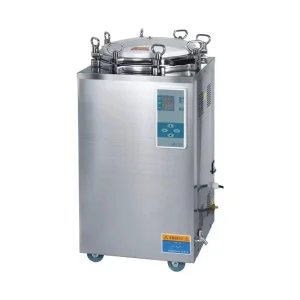
Infusion pump procurement rarely stands alone. Hospitals and distributors also need training models, emergency transfer equipment, infection-control furniture and simulation tools. These eight products are part of Yulin Medical’s broader medical education and hospital equipment range; all original images and product URLs are retained for direct quotation.
What “China Infusion Pump With Alarm Quotes & Service” Should Really Include
For procurement teams, the search phrase is not only about price. A credible quote must define alarm logic, pump mechanism, drug library capability, battery runtime, occlusion pressure range, network interface, documentation and service responsibilities. A service commitment must explain how alarm logs are exported, how error codes are interpreted, how spare parts are supplied and how local clinical engineers are trained.
Yulin Medical approaches this as a documentation-led sourcing program. We align the required clinical scenario—ICU, oncology, pediatric, emergency or home infusion—with a suitable infusion pump platform, then build a quote around the configuration, compliance file, packaging, language and after-sales plan. Buyers receive a comparable technical matrix rather than an unexplained price list.
- Alarm categories: air-in-line, occlusion, door open, battery low, infusion complete and KVO status.
- Localized IFU, labels, languages, plug type and voltage configuration for the destination market.
- Compliance file by product and target market, with clear responsibility for import registration.
- Lifecycle support: spare parts, training, service manual, error-code list and preventive maintenance.
Example procurement scorecard
Weights can be adjusted by hospital, distributor or tender committee.From Single Pump to Infusion Ecosystem
Alarm performance only creates lasting value when it is governed across the fleet. These six solution modules help hospitals and distributors design a coherent infusion program instead of buying isolated devices.
Fleet standardization & SKU rationalization
Define one or two pump families for wards, ICU and transport, then standardize accessories, consumables and training. Fewer configurations reduce clinical confusion and simplify spare-parts planning.
Alarm management governance
Set alarm priority, volume limits, silence behaviour, escalation rules and documentation expectations. The goal is not fewer alarms at any cost; it is faster recognition of actionable alarms.
Drug library & Dose Error Reduction
A structured drug library with hard and soft limits supports safer programming. Buyers should confirm that the DERS configuration can be edited, audited and exported without breaking local protocol control.
EMR/HIS connectivity & cybersecurity
Where interoperability is required, clarify the interface method, data fields, nurse-call integration, access control and firmware update process. Connectivity without cybersecurity is not a clinical feature.
Clinical training & simulation
Infusion safety improves when nurses, biomedical engineers and pharmacy teams practise alarm response together. Yulin Medical’s broader training catalog can support skills labs and simulation-based education.
Lifecycle service & spare parts
A practical service plan identifies wear parts, battery replacement intervals, calibration needs, error-code interpretation and local escalation contacts before the first shipment leaves China.
What Changing Demand Means for Infusion Pump Buyers
The infusion pump market is being reshaped by clinical safety regulation, labor pressure and the shift of infusion therapy beyond the ICU. A China quote should be evaluated as a total clinical operating model, not as a single unit price.
Structural demand drivers
Aging populations, chronic disease management, oncology care, hospital modernization and home infusion continue to expand the installed base. Buyers increasingly require quieter operation, clear alarms, long battery runtime and data traceability.
Supply-chain reality
China remains a major source of medical devices because of cluster depth, component availability and responsive engineering support. At the same time, serious buyers now audit software documentation, cybersecurity, traceability and post-sales capability before placing repeat orders.
Total cost of ownership
Evaluate batteries, accessories, consumables compatibility, training, spare parts, firmware maintenance and local service access together. A low unit price can be expensive if alarm logs cannot be analyzed or local engineers lack error-code knowledge.
Alarm Intelligence, DERS and Interoperability
A modern infusion pump with alarm is a safety system, not just a fluid-delivery motor. The technical route should make alarm cause, priority and response traceable for clinical users and biomedical engineers.
Alarm taxonomy and escalation
High-priority alarms should be clearly differentiated from medium and low-priority notices. Review audible patterns, visual hierarchy, silence behaviour, escalation timing, nurse-call output and event history. The alarm must identify the likely cause: air-in-line, upstream occlusion, downstream occlusion, door open, battery depletion or infusion complete.
Dose error reduction system
A drug library with concentration, dose limits, weight-based calculation and KVO settings can reduce programming errors. Confirm whether hard limits are enforced, whether soft limits require confirmation, and whether the library can be version-controlled by the pharmacy team.
Sensors, mechanism and battery
Ask for occlusion pressure ranges, air-sensor sensitivity, bolus protection, anti-free-flow design and battery runtime under representative flow rates. Battery age, charging policy and replacement interval directly affect alarm reliability during transport and power interruption.
Software lifecycle and cybersecurity
For connected models, request evidence aligned with IEC 62304 software lifecycle processes, ISO 14971 risk management and applicable EMC and infusion-pump safety standards such as IEC 60601-2-24. Clarify access control, audit logs, firmware update authorization and HL7/FHIR or gateway integration responsibilities.
Evidence, Language and Service Readiness for Each Market
Regulatory responsibility remains with the importing legal manufacturer, but a capable China supplier should make the evidence trail easier to assemble. The service plan should be written for the people who will actually maintain and train on the device.
Document pack by product
Request certificates, test reports, risk management files, labels, IFUs and software documentation relevant to the exact model and destination. Do not accept a generic certificate for a different configuration.
Market registration support
We coordinate product-specific evidence from qualified manufacturing partners for CE, FDA, local registration or tender review where applicable. Final regulatory classification and submission remain with the importer or legal manufacturer.
IFU and label localization
Language, symbols, voltage, plug type, packaging warnings and service-contact details should match the target market. Localized labeling reduces user error and improves inspection readiness.
Pre-shipment validation
Define inspection items: alarm test, battery check, occlusion test, accuracy verification, accessory completeness, packaging drop protection and label review. Photos and inspection records can be shared before shipment.
Traceability and batch records
Serial numbers, production batches, firmware versions and accessory lists should be traceable. This supports recalls, warranty claims, preventive maintenance and hospital asset registration.
Service readiness
Provide error-code lists, spare-parts recommendations, battery replacement guidance, calibration intervals and escalation contacts. Where needed, online technical training can be arranged for local clinical engineers.
Configure for the Care Setting, Not Just the Catalog
Different departments tolerate different alarm behaviour, flow ranges and mobility requirements. A good quote maps the device configuration to the real working environment.
ICU and high-acuity wards
Prioritize multi-channel infusion, upstream and downstream occlusion distinction, nurse-call integration, battery runtime during transfers and clear alarm escalation for high-risk drugs.
Oncology and chemotherapy
Focus on accurate low-flow delivery, drug-library controls, hazardous-drug handling workflow, infusion history and alarm traceability for pharmacy review and quality audit.
Pediatric and neonatal care
Micro-flow accuracy, small-volume accuracy, anti-bolus behaviour, soft alarm tones and weight-based dose settings are essential. Training and color-coded accessories reduce misconfiguration risk.
Operating room and anesthesia
Rapid start-up, stable low-flow performance, visible alarm status in a crowded workspace and compatibility with anesthesia workflows are more important than consumer-style interfaces.
Emergency and transport
Transport configuration should emphasize impact resistance, secure pole-clamp mounting, long battery life, loud but controllable alarms and fast troubleshooting during ambulance or intra-hospital movement.
Home and ambulatory infusion
Home care users and caregivers need simple programming, clear visual alarms, remote support pathways, quiet operation and robust training materials. Service logistics should include replacement units and battery guidance.
What the Next Infusion Pump Platform Should Be Ready For
Hospitals are moving from device purchasing to data-enabled clinical operations. The roadmap below reflects the capabilities buyers should discuss during supplier review.
2025–2026: Connectivity foundations
Standardized network gateways, role-based access, firmware audit trails and reliable alarm-log export become baseline expectations for hospital integration.
2026–2027: Alarm analytics
Hospitals will ask for dashboards that reveal alarm clusters, response times and nuisance-alarm patterns, supported by predictive battery and occlusion diagnostics.
2027–2028: Closed-loop ecosystem
Infusion data will connect more deeply with eMAR, pharmacy validation and smart-pump drug libraries. Cybersecurity evidence will become part of routine tender scoring.
2028+: Human-centered resilience
Design will focus on alarm clarity, repairability, battery circularity, remote service and caregiver usability as infusion moves further into home and ambulatory care.
A Transparent Four-Step Supply Process
From first quote to local service readiness, each stage is documented so that clinical engineering, procurement and regulatory teams can review the same facts.
Share requirements
Send care setting, target market, quantities, alarm expectations, connectivity needs and required certifications.
Technical proposal & quote
Receive a configuration matrix, compliance checklist, packaging plan, lead-time estimate and transparent price breakdown.
Sample and document validation
Review samples, alarm behaviour, IFU and available product-specific documents before bulk production.
Production, export and after-sales
Coordinate inspection, export packing, shipping documents, spare-parts list and technical training arrangements.
Six Decades of Medical and Educational Equipment Experience
Henan Yulin Edu. Project Co., Ltd. (Yulin Medical) was founded in 1958 and operates from No. 8 Daoqing Road, Industry Park, Hongqi District, Xinxiang, Henan, China. The company integrates research, production and sales of medical teaching models, simulation manikins, laboratory slides, hospital furniture and medical equipment. Its quality management system has been ISO 9001 certified since 2008.
With registered capital of RMB 120 million and more than 200 professional staff, Yulin Medical supports distributors, universities, hospitals and clinical training centers in global markets. For infusion pump with alarm projects, the company applies a documentation-led approach: clarify clinical intent, select a qualified manufacturing partner, review product-specific compliance evidence, then coordinate export packing, labeling and after-sales support.
Contact: Email [email protected] · Phone 0086-13503800666 · WhatsApp +86 135 0380 0666.
Q&A: China Infusion Pump With Alarm Quotes and Service
Straight answers for procurement managers, distributors and clinical engineering teams evaluating a China-based infusion pump with alarm program.
Can Yulin Medical support infusion pump with alarm sourcing for OEM or distributor projects?
Yes. We coordinate configuration review, quotation, packaging, documentation and export support with qualified manufacturing partners. The exact OEM/ODM scope, certification responsibility and label ownership should be confirmed in the technical proposal before production.
Which alarm conditions should be specified in the quotation?
At minimum, specify air-in-line, upstream occlusion, downstream occlusion, door open, battery low, battery depleted, infusion complete and KVO status. Also define alarm priority, silence behaviour, escalation, nurse-call output and event-log export requirements.
What compliance documents can buyers request?
Buyers can request product-specific certificates, test reports, risk management files, IFU and labeling files, EMC reports and software lifecycle evidence where applicable. For infusion pumps, relevant standards often include IEC 60601-2-24, IEC 62304 and ISO 14971. Final market registration remains the responsibility of the importing legal manufacturer.
How can a hospital reduce alarm fatigue during fleet deployment?
Start with alarm governance: standardize drug libraries, set appropriate volume and escalation rules, train staff on cause-based response, review alarm logs monthly and remove unnecessary duplicate notifications. The device quote should support these workflows with usable logs and configuration controls.
Do you provide localized labels, IFUs and service documentation?
Yes, localization can be planned around the destination market. Language, symbols, voltage, plug type, packaging warnings, service contacts and training materials should be reviewed together so that clinical users and biomedical engineers receive consistent information.
What is the typical next step for a quote?
Send the care setting, target market, required alarm features, estimated quantity, connectivity needs and any tender documentation. Our team will reply with a configuration matrix, available compliance evidence, packaging options and a transparent quotation path.
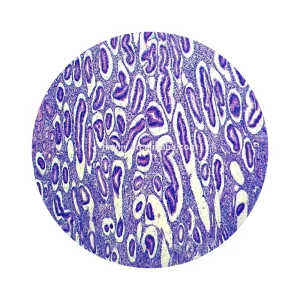
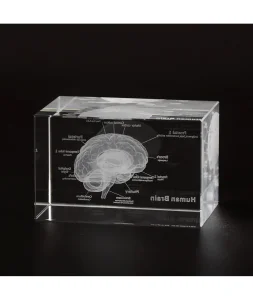
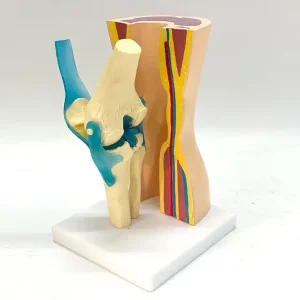
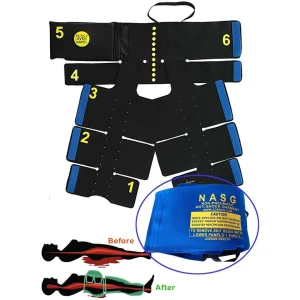
Eight additional products for distributor and institutional orders
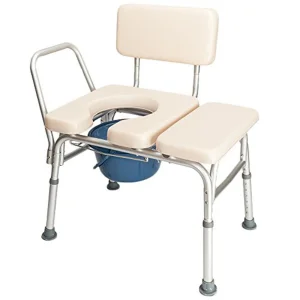
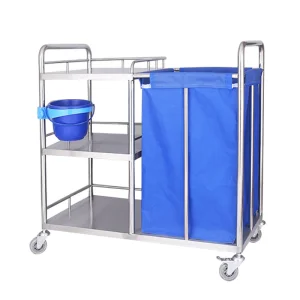
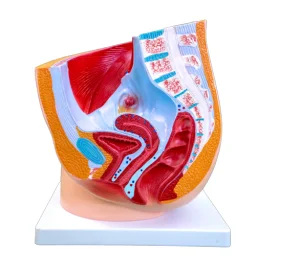
These products support the wider clinical environment around infusion therapy, including patient mobility, infection control, anatomy education, emergency response and hospital logistics. All original images and product URLs are preserved.
Request China Infusion Pump With Alarm Quotes and Local Service Planning
Tell us your target market, care setting, required alarm features, estimated quantities and certification needs. Our team will recommend a suitable configuration, prepare a transparent quotation path and outline the documentation and service plan required for your market.
Email Your Requirements