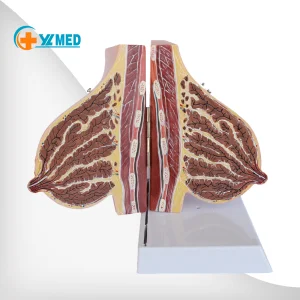
8 Procurement-Ready Products for Gynecological & Clinical Training
These factory-direct products support anatomy teaching, gynaecology patient communication, clinical examination, diagnostics and general medical education. Each product link leads to the original specification and quotation page.
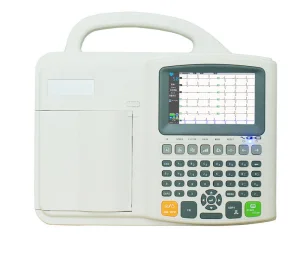
China 6 Channel ECG Machine Portable Ecg Monitoring Automatic Electrocardiograph 5'' Color LCD Screen ECG Machine Factories, Service
View Product / Get Quote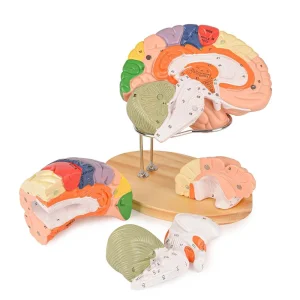
China Human Brain Model for Neuroscience, Brain Model Labeled with Study Guide, for Science Education Study Display Manufacturer, Factory
View Product / Get Quote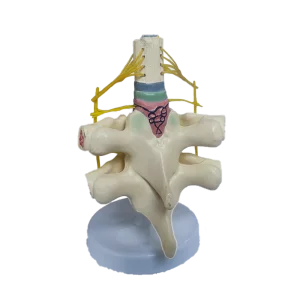
OEM Medical Science Teaching Equipment Medical Human Anatomical Education Model PVC Spinal Nerve Enlargement Skeleton Model Manufacturers, Factories
View Product / Get Quote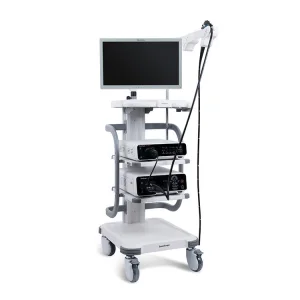
Wholesale High Definition Images Video Gastroscope / Colonoscope System with Trolley and Monitor Factories, Quotes
View Product / Get Quote
Why Gynecological Training Models Are Becoming Strategic Procurement Assets
Buyers are no longer purchasing isolated teaching aids. They are building repeatable simulation infrastructure that must survive accreditation review, multi-campus deployment, international student cohorts and increasingly strict tender documentation.
Gynecological training models sit at the intersection of women's health education, clinical competency, patient communication and procurement risk management. In 2025 and beyond, the commercial question has changed from “what does the model cost?” to “what does the model enable, how quickly can it be localized, and what evidence supports the tender?” A female pelvic model, breast pathology model or obstetric examination trainer is only one part of the answer. The larger requirement is a reliable supply partner who can connect anatomy, procedure training, equipment integration and export documentation.
Henan Yulin Edu. Project Co., Ltd. (Yulin Medical) approaches this category with a manufacturer's perspective. Founded in 1958 and based in Xinxiang, Henan, China, the company has produced educational and medical training equipment for more than six decades. The quality management system has been ISO 9001 certified since 2008. Ten product lines span anatomy models, biology prepared slides, dental tools, general teaching models, hospital furniture, hospital machines and tools, medical apparatus, nursing models, skeleton models and suture kits. That breadth matters because a gynaecology training programme often combines female pelvic anatomy, breast pathology, obstetric examination, patient communication, clinical chairs, monitoring devices and consumables in one procurement package.
The most useful information gain for global buyers is not another catalogue list. It is the ability to link educational intent to specification, compliance evidence, packaging, spare-parts planning and total cost of ownership. This white paper therefore maps global procurement demand, macro solution design, technology roadmaps, commercial conditions, localization support, compliance assurance and factory capabilities.
Educational Intent
Match models to curriculum outcomes: anatomy recall, examination sequence, patient explanation, consent practice, pathology recognition or equipment familiarization.
Specification Confidence
Confirm scale, material, numbered structures, removable organs, pathology inserts, cleaning method, replacement parts and assessment compatibility.
Localization & Compliance
Plan for private-label packaging, import documentation, voltage and plug requirements, multilingual labels and product-specific regulatory classification.
Who Buys Gynecological Training Models, and What They Need
Demand is being pulled by several independent forces: women's health awareness, simulation-based curricula, accreditation requirements, patient-safety programmes and the global shortage of trained clinicians.
In North America and Europe, simulation accreditation and patient-safety mandates have made physical models a routine part of nursing, medical and continuing-education budgets. Universities expect anatomical accuracy, study guides, numbered structures and assessment-friendly designs. Hospitals and simulation centres increasingly ask for procedure rehearsal, patient communication tools, durable materials and replacement parts that can survive heavy cohort use.
In Asia-Pacific, the Middle East, Africa and Latin America, demand is more varied. Government tenders, private medical colleges, nursing schools and distributors often need a single source that can consolidate mixed-category orders, provide English-language documentation, adapt packaging for long-distance shipping and keep lead times predictable. Public-health and NGO programmes may prioritize portable, low-maintenance kits with clear visual teaching aids and culturally appropriate patient-education materials.
Across all regions, the winning supplier is the one that reduces procurement friction. That means answer speed, sample availability, specification clarity, export packing and after-sales support matter as much as the unit price of a pelvic model or breast pathology model.
Medical Schools & Universities
Need anatomical accuracy, numbered structures, study guides, reproducible assessment, replacement parts and curriculum-aligned model families.
Hospitals & Simulation Centres
Need procedure rehearsal, patient communication, durable materials, cleanability, spare parts and integration with examination rooms.
Distributors & Tender Suppliers
Need OEM/private label, mixed containers, ISO 9001 evidence, tender documentation, predictable lead times and responsive export support.
Public Health & NGOs
Need portable, lower-maintenance teaching aids, clear visual guides, multilingual training support and cost-effective deployment.
Procurement criteria that separate a good quote from a reliable programme
- Female-specific anatomical accuracy and pathology representation
- Material durability, cleaning protocol and skin-tone options
- Modularity, replaceable inserts and long-term spare-part availability
- Sensor-readiness and digital content compatibility
- ISO 9001 documentation and tender-ready specifications
- Export packaging, mixed-category consolidation and shipping support
- After-sales communication, multilingual labels and sample evaluation
From Single Models to Integrated Clinical Simulation Laboratories
The most effective procurement strategy is not one model at a time. It is a learning pathway that combines anatomy, procedure training, patient communication and equipment integration.
A nursing college may start with a life-size female pelvis and breast pathology model, then add obstetric examination and patient-communication training, and finally integrate a motorized gynecological chair, examination bed and vital signs monitor into a realistic clinic room. A distributor may need a compact private-label range for schools, while a hospital simulation centre may require higher-fidelity modular models and replacement pathology inserts. One accountable manufacturer can reduce the number of purchase orders, inspection points and documentation gaps.
Yulin Medical's product lines support this macro solution model. Anatomy models, nursing models, skeleton models, hospital furniture, medical apparatus and instruments, and hospital machines can be consolidated into a single shipment with one point of contact. For buyers, the benefit is not merely logistics. It is consistent labeling, packaging and specification language across categories.
Female Pelvic & Breast Pathology
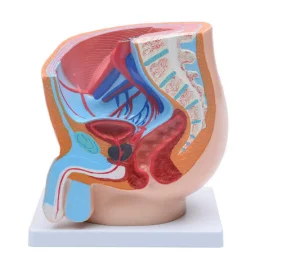
Layered anatomy, palpable pathology, numbered keys and patient-explanation value for gynaecology doctors, nurses and health educators.
Obstetric Examination & Procedure Training
Positioning, examination sequence, patient comfort, consent practice and team communication using realistic physical trainers.
Clinical Skills & Patient Communication
Show anatomy, explain pathology, rehearse consent and improve shared decision-making with models designed for two-way teaching.
Equipment Integration
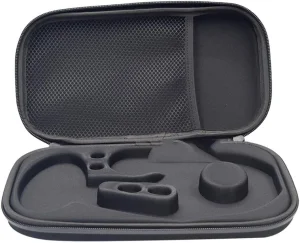
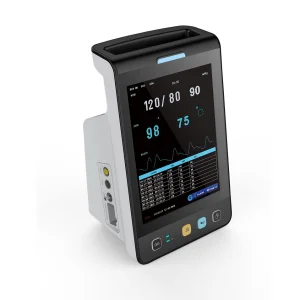
Combine anatomy models with gynecological chairs, examination beds, vital signs monitors, stethoscope cases and teaching accessories.
Technology Roadmap 2025–2030 for Gynecological Training Models
The category is moving from static anatomy to modular, sensor-ready and digitally supported training systems — while retaining the durability and cleanability that procurement teams require.
Material Realism
Soft-tissue silicone, multi-layer skin, antibacterial additives and improved cleanability support repeated clinical skills practice.
Modular Pathology
Replaceable inserts and magnetic connections let one base model demonstrate normal anatomy, common pathology and post-operative states.
Sensor Feedback
Pressure, insertion-depth and haptic feedback turn physical models into measurable competency tools for simulation centres.
AR & Digital Twin
QR-linked procedure videos, AR overlays and multilingual guides connect the physical model to measurable learning content.
AI-Assisted Assessment
Automated scoring, usage analytics and lifecycle planning will help institutions compare total cost of ownership, not only unit price.
Buyers should treat the roadmap as a specification tool. For immediate 2025 tenders, ask for material samples, cleaning instructions, replacement-part lists and packaging tests. For 2026–2027 planning, ask whether the model family supports removable pathology inserts and whether digital content can be localized without changing the physical product. For 2028–2030, ask how feedback data will be stored, whether assessment reports can be exported, and how the supplier will manage software updates, spare parts and end-of-life replacement.
The future is not a fully virtual gynaecology curriculum. It is a blended environment in which a physical model teaches palpation, spatial awareness and patient communication, while digital content adds repetition, multilingual support and objective assessment. Suppliers that can connect both layers will create real information gain for distributors and institutions.
A Stable but Upgrading Supply Chain for Medical Teaching Models
China remains the deepest manufacturing base for anatomy and teaching models, but the industry is moving from low-cost casting to documentation-intensive, multi-material production.
Global buyers are consolidating suppliers. Instead of managing one vendor for anatomy, another for chairs and a third for monitoring devices, procurement teams prefer a single accountable manufacturer with ISO 9001 process control, familiar export documentation and a stable partner network. This reduces inspection costs, improves packaging consistency and simplifies after-sales communication.
At the same time, freight volatility, tariff changes and tender cycles force buyers to plan mixed containers and repeat orders carefully. A supplier with ten product lines, more than 200 professional staff, RMB 120 million registered capital and a factory history since 1958 can support that planning more reliably than a trading intermediary with limited production visibility.
The commercial opportunity is strongest where buyers need private label, mixed-category consolidation and tender-ready documentation. These are precisely the areas where factory-direct communication and a long manufacturing history create an advantage.
Indicative demand mix by buyer segment
Indicative planning model for buyers assessing mixed-category demand. Actual mix varies by market, tender cycle and curriculum design.
Tender Readiness, Private Label and Export Support
Training models are generally educational products, while powered examination chairs, monitors and diagnostic devices may be regulated medical equipment in the destination market. This distinction should be explicit in procurement documents.
ISO 9001 Since 2008
Quality management system certification supports consistent production, inspection and documentation for distributors and tender teams.
Tender Documentation
Specification sheets, packing details and product-specific documents can be provided on request to support import registration and tenders.
Private-Label Packaging
In-house design support helps distributors build shelf appeal, multilingual labels and resale value under their own brand.
Voltage & Plug Adaptation
For powered chairs and monitors, buyers should confirm destination voltage, plug type, documentation and local regulatory classification.
Export Packing & Mixed Shipments
Protective export packing and mixed-category order consolidation reduce handling risk and simplify supplier management.
After-Sales & Spare Parts
Replacement-part planning, multilingual support and sample evaluation help protect long-term training budgets.
Henan Yulin Edu. Project Co., Ltd. Since 1958
Medical Teaching Models, CPR Manikins & Hospital Equipment Manufacturer | Yulin Medical
Medical Teaching Models, CPR Manikins & Hospital Equipment Manufacturer Since 1958
Henan Yulin Edu. Project Co., Ltd. (Yulin Medical) has built educational and medical training equipment in Xinxiang, China, for more than six decades. Our quality management system has been ISO 9001 certified since 2008, and our motto is simple: quality first, service first. Every order is produced and inspected so that distributors, medical universities, nursing colleges and hospitals receive consistent, well-documented products on every batch.
- Factory-direct supply across 10 product lines, from anatomy models to hospital furniture
- Private-label packaging and product design that raises your resale value
- Mixed-category orders consolidated into one shipment with one point of contact
Founded in 1958, Henan Yulin Edu. Project Co., Ltd. has grown into a well-known educational and medical equipment supplier that integrates scientific research, production and sales. With registered capital of RMB 120 million and more than 200 professional employees, we manage product development, manufacturing, inspection and export from our base at No. 8 Daoqing Road, Hongqi District, Xinxiang.
Our goal is to fully satisfy every customer through dependable quality and attentive service, while continuously developing the skills of our team so that each project is handled by experienced people.
Factory, Product and Export Gallery
Original Yulin Medical images are preserved below to document factory history, product categories, production workshops and export packing.












Why Distributors and Institutions Partner with Yulin Medical
Four strengths overseas buyers consistently cite when they move long-term orders to our factory.
24/7 Responsive Service
Our team is online 24 hours a day, 7 days a week. Whatever your time zone, you receive a detailed answer as quickly as possible — typically within 24 hours.
Design & Packaging Team
In-house specialists deliver professional product design and private-label packaging that strengthens your brand and increases the added value of every unit you sell.
Professional Expertise
Our vision is to provide the most professional educational and medical training products from mainland China, built under ISO 9001 process control and decades of category knowledge.
60+ Years of Supply Stability
A factory with over 60 years of history and a deeply integrated partner supply chain lets us meet one-stop demands and keep lead times predictable on repeat orders.
A Transparent 5-Step Process for Overseas Buyers
From first conversation to delivery, every stage has a named contact and clear documentation, so you can plan stock, tenders and training schedules with confidence.
Share Requirements
Send product types, quantities, target market and any tender or certification needs.
Catalog & Proposal
Receive matched models, specifications, packaging options and shipping suggestions.
Sample Evaluation
Test samples with your instructors or clinicians before confirming bulk production.
Production & QC
Manufacturing and inspection follow our ISO 9001 quality management system.
Export & Support
Protective export packing, delivery coordination and responsive after-sales service.
Complete Sourcing for Medical Education & Clinical Use
Ten specialised product lines let procurement teams source simulation, lab and hospital equipment from one accountable manufacturer instead of managing multiple suppliers.
Anatomy Models
Torso, organ, heart, brain and muscle models with numbered structures for lectures and patient education.
View RangeBiology Prepared Slides and Accessories
Histology, botany and zoology prepared slides plus storage and microscope accessories for biology labs.
View RangeDental Tools and Equipment
Dental teaching models, clinic lights, LED whitening units and endodontic instruments for training and practice.
View RangeGeneral Teaching Models
Science demonstration models for primary schools, secondary schools and education equipment tenders.
View RangeHospital Furniture and Equipments
Stainless steel examination couches, stretchers, walkers and shower chairs built for daily clinical use.
View RangeHospital Machine and Tools
Diagnosis and treatment devices and practical tools for wards, clinics and emergency departments.
View RangeMedical Apparatus and Instruments
Emergency splints, extrication devices, cervical traction and rehabilitation instruments.
View RangeMedical Nursing Model
Adult, child and neonatal CPR manikins, ACLS simulators and AED trainers for skills assessment.
View RangeSkeleton Models
Life-size and desktop skeletons, skulls, spines and joint models for osteology teaching.
View RangeSuture Pads and Kits
Realistic skin suture pads and complete instrument kits for surgical and wound-closure practice.
View RangeFeatured CPR, Emergency & Rehabilitation Equipment
Best-selling simulation manikins, first-aid devices and mobility aids requested by training centres, ambulance services and healthcare distributors.












News & Practical Insights from Our Specialists
Exhibition updates and hands-on guidance written by the team that designs and builds our products.

Do You Really Know How to Observe Biological Prepared Slides?
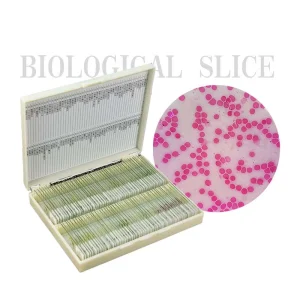
Many plant and animal cell structures can only be studied under a microscope, which makes prepared biological slides essential in every biology lab. Our specialists explain how to handle, focus and store slides correctly so students see clearer detail and your slide sets last for years.

The 5th Henan Provincial Educational Equipment Expo Concludes Successfully
Themed "Digital Leading Innovation and Development", the expo reached a record 50,000 m² with 600+ brands and 10,000+ products on display, showcasing the latest educational equipment.

Inside Our Product Showroom
A look at the medical teaching models and training equipment buyers can inspect in person when visiting our Xinxiang facility.
Sourcing tips, product comparisons and industry news
Frequently Asked Questions from Importers
Straight answers to the questions procurement managers ask most before placing a first order.
Is Yulin Medical a manufacturer or a trading company?+
What quality certification do you hold?+
Do you support OEM, private label and custom packaging?+
How do I choose the right CPR training manikin?+
How quickly will I receive a reply?+
What should distributors evaluate in a gynecological training model?+
Can you customize female pelvic and breast pathology models with private label?+
What documentation is provided for tenders?+
How are models packaged for export?+
How do I request quotes for mixed containers?+
Need Specifications, a Price List or a Tender Package? We Reply Within 24 Hours.
Tell us your target market, quantities and certification requirements. Our product specialists will recommend suitable models, share detailed specifications and propose the most economical shipping plan for your order.
Original Navigation, Contact and Product Resources
Henan Yulin Edu. Project Co., Ltd. · Medical & Educational Equipment Manufacturer Since 1958
Product Lines
Anatomy Models Medical Nursing Model Skeleton Models Suture Pads and Kits Dental Tools and Equipment Hospital Furniture and EquipmentsContact
0086-13503800666 [email protected] No. 8, Daoqing Road, Industry Park, Hongqi District, Xinxiang, Henan, ChinaMore Gynecological, Anatomical & Clinical Training Products
Eight additional products from the original Yulin Medical range, including a professional gynecological examination chair, female breast pathology model, vital signs monitor, anatomical teaching aids and clinical accessories.
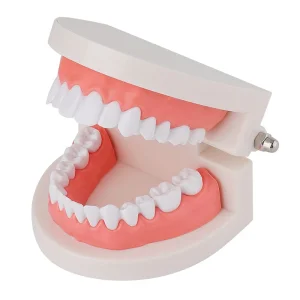
Wholesale Standard tooth brushing model Display demonstration tooth model Factories, Quotes
View Product / Get Quote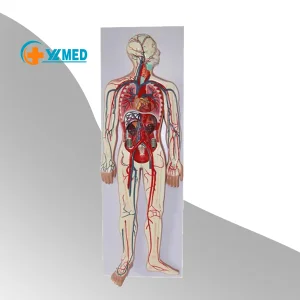
ODM Blood Circulation Model Anatomical Circulatory System Model Heart Visceral Organ Anatomical Model Medical Teaching Aids Quotes, Service
View Product / Get Quote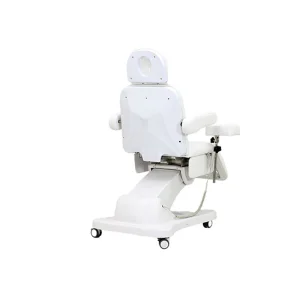
China Best Selling Factory Supply Professional 4 Motor Electric Gynecological Chair Obstetric Examination Medical Operation Bed Manufacturer, Service
View Product / Get Quote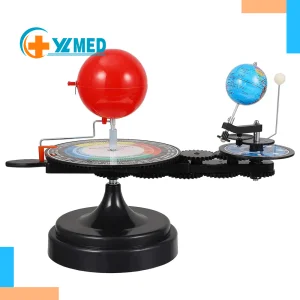
Wholesale Sun Earth Moon Orbital Model Kits Solar System Model Astronomical Science Educational Kits Solar System Model Kit Manufacturer, Quotes
View Product / Get Quote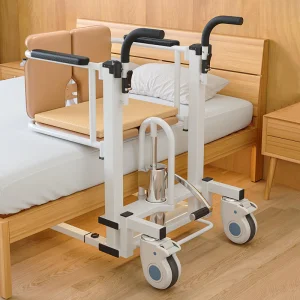
OEM Multifunctional Elderly Transfer Machine Paralyzed Elderly Care Lifting Toilet Chair Disabled Hydraulic Model Factories, Quotes
View Product / Get Quote