Banner Product Showcase: One Factory, Multiple Clinical & Teaching Categories
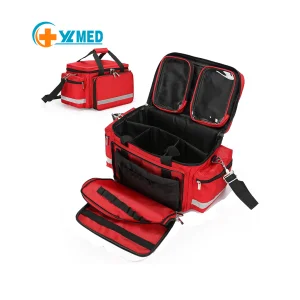
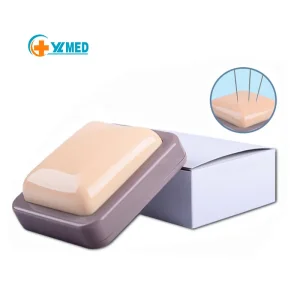
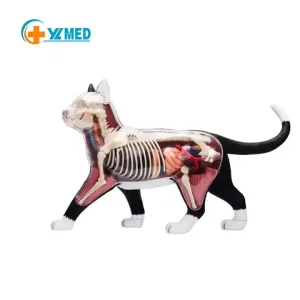
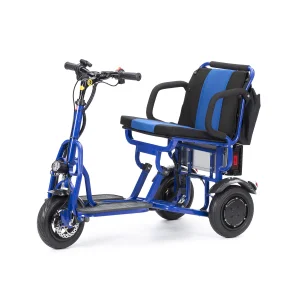
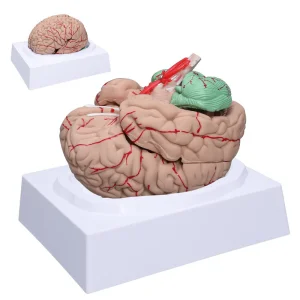
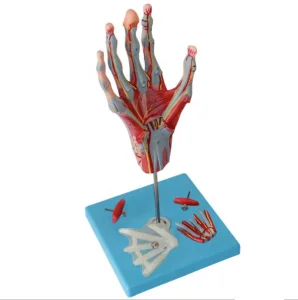
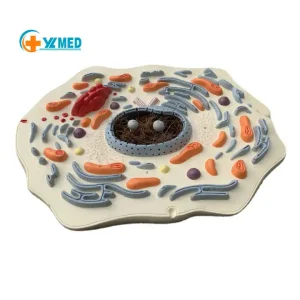
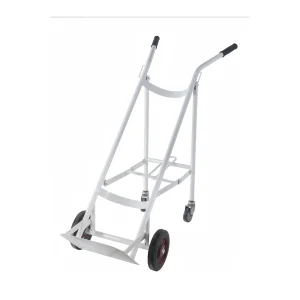
These eight supplied product links illustrate the breadth behind a China CPR model gender manufacturer search. Emergency bags, acupuncture pads, anatomy models, rehabilitation aids and hospital furniture can be sourced through one accountable factory platform, which reduces supplier fragmentation and helps buyers consolidate mixed-category orders.
Why China CPR Model Gender Sourcing Is Now a Procurement Strategy
The query “China CPR Model Gender Manufacturers & Factory” combines transactional supplier discovery, product specification research and factory due-diligence. This white paper answers all three intents with practical sourcing criteria, technical context and original company evidence.
A manufacturer, not an anonymous listing
Henan Yulin Edu. Project Co., Ltd. was founded in 1958 and operates its own factory in Xinxiang, Henan, China, with more than 200 professional staff. Its quality management system has been ISO 9001 certified since 2008, and registered capital is RMB 120 million. The company’s 10 product lines cover anatomy models, skeleton models, nursing and CPR simulation manikins, biology prepared slides, dental teaching equipment, suture pads, hospital furniture and related medical training supplies.
For overseas distributors and public tenders, the important information gain is not simply that a Chinese factory can produce a manikin. It is that the same factory can document materials, control repeat-batch consistency and consolidate mixed-category orders into one shipment with one point of contact.
What procurement teams actually need to verify
A credible CPR model gender program should clarify whether the manikin represents male, female or neutral anatomy; whether the chest is replaceable; how airway, compression depth and ventilation feedback work; which language the manual uses; and what documentation supports import, tender or distributor registration. These questions matter more than a generic “best price” claim because they determine whether the model survives daily training use.
- Factory-direct supply across 10 product lines, from anatomy models to hospital furniture
- Private-label packaging and product design that raises resale value
- Mixed-category orders consolidated into one shipment with one point of contact
CPR Model Gender: What Buyers Should Specify, Not Assume
In procurement language, “CPR model gender” usually refers to an anatomically representative male, female or neutral training torso. It is a clinical-education and product-design term, not a statement about learners’ identities. The best specification uses clear anatomical language, training objectives and local teaching policies.
Male CPR training model
Male manikins are often selected for basic life support, EMS refresher training and high-volume CPR practice. Buyers should confirm chest compliance, nipple-line landmarks, airway anatomy, compression-depth feedback and whether the chest skin is replaceable after heavy use.
Female CPR training model
Female CPR models help instructors discuss breast tissue, sternum access, modesty, bystander confidence and trauma-informed teaching. A well-designed unit should preserve realistic chest contour while keeping hand placement, ventilation and AED pad positioning educationally clear.
Neutral / sexless torso
Neutral torsos are cost-effective for schools, workplace first aid and large certification programmes where the priority is consistent compression and ventilation practice. They can be paired with male and female modules when curriculum requirements demand anatomical diversity.
From a search-intent perspective, “CPR model gender manufacturer” is not the same as “CPR manikin supplier.” A distributor may need OEM packaging and spare chest skins; a university may need male, female, child and neonatal manikins in one laboratory; a tender authority may ask for English manuals, material declarations, warranty terms and packing lists. A factory that understands these differences can reduce back-and-forth and improve tender responsiveness.
Where Gender-Specific CPR Models Improve Local Training Outcomes
Localization is not just translation. It is the fit between manikin design, learner group, cultural context, clinical protocol and procurement rules. These eight scenarios show how gender-specific CPR models are used in real programmes.
Medical schools & nursing colleges
Faculty can rotate male, female and neutral torsos through skills labs so students practise landmark identification, chest compression and ventilation on varied anatomy before entering clinical placements.
Hospital resuscitation teams
In-service training benefits from female and male models because clinical teams need consistent performance across body types, clothing removal scenarios and AED pad placement decisions.
EMS & pre-hospital responders
Field responders train for rapid assessment, chest exposure, compression quality and team handover. Gender-specific chest designs make simulation more realistic without reducing protocol discipline.
Workplace first aid
Factories, offices and logistics hubs can use neutral torsos for certification courses and add female models to address bystander hesitation and inclusive emergency response policies.
Schools & sports programmes
Secondary schools and sports academies often require compact, durable manikins with simple feedback. Gender-specific modules help instructors explain anatomy respectfully to younger learners.
Community & public programmes
Community CPR campaigns need low-friction practice. A female torso can be used to normalise bystander action, while neutral models keep large public classes affordable and efficient.
Military, police & public safety
Public-safety teams simulate mass-casualty and tactical scenarios. Gender-specific models add realism to casualty assessment, chest exposure and handover communication during high-stress drills.
Maternal, paediatric & neonatal labs
Gender representation should be paired with child and neonatal manikins. Buyers can build a modular lab where adult female, adult male, child and neonatal trainers share AED trainers, feedback devices and consumables.
Complete Sourcing for Medical Education & Clinical Use
Ten specialised product lines let procurement teams source simulation, laboratory and hospital equipment from one accountable manufacturer instead of managing multiple suppliers.
Anatomy Models
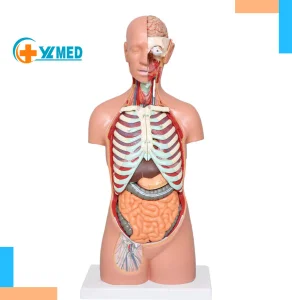
Torso, organ, heart, brain and muscle models with numbered structures for lectures and patient education.
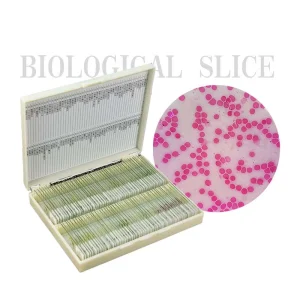
View range → 02Biology Prepared Slides and Accessories
Histology, botany and zoology prepared slides plus storage and microscope accessories for biology labs.
View range → 03Dental Tools and Equipment
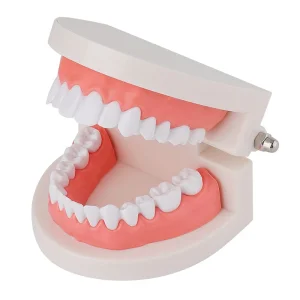
Dental teaching models, clinic lights, LED whitening units and endodontic instruments for training and practice.
View range → 04General Teaching Models
Science demonstration models for primary schools, secondary schools and education equipment tenders.
View range → 05Hospital Furniture and Equipments
Stainless steel examination couches, stretchers, walkers and shower chairs built for daily clinical use.
View range → 06Hospital Machine and Tools
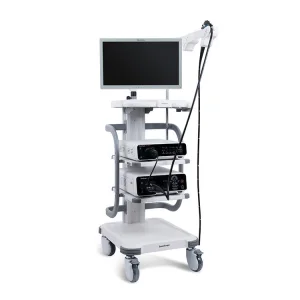
Diagnosis and treatment devices and practical tools for wards, clinics and emergency departments.
View range → 07Medical Apparatus and Instruments
Emergency splints, extrication devices, cervical traction and rehabilitation instruments.
View range → 08Medical Nursing Model
Adult, child and neonatal CPR manikins, ACLS simulators and AED trainers for skills assessment.
View range → 09Skeleton Models
Life-size and desktop skeletons, skulls, spines and joint models for osteology teaching.
View range → 10Suture Pads and Kits
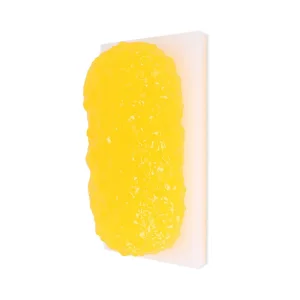
Realistic skin suture pads and complete instrument kits for surgical and wound-closure practice.
View range →From Silicone Torso to Connected Simulation: A CPR Model Gender Roadmap
A factory that only copies a torso shape cannot support long-term distributor growth. The stronger route is a staged technical roadmap that links anatomical accuracy, material durability, electronic feedback and digital training content.
Anatomical design & material selection
Male, female and neutral chest forms are modelled around identifiable landmarks. Skin materials such as silicone, TPE or soft PVC are selected for compression resilience, cleaning compatibility and realistic feel.
Airway & chest mechanics
Replaceable chest skins, airway bags, face skins and lung bags determine total cost of ownership. Good design keeps maintenance simple for training centres running hundreds of cycles per month.
Sensor and feedback integration
Compression depth, rate, recoil and ventilation volume can be displayed through compact feedback modules. Buyers should verify calibration, battery access and replacement-part availability.
Modular ALS, AED & paediatric platforms
A modular family allows one supplier to support BLS, AED, ACLS, child and neonatal courses. Shared electronics and consumables simplify inventory planning for distributors.
Digital, AR & sustainable simulation
Future manikins will connect to scoring dashboards, multilingual e-learning and AR-guided landmark training. Recyclable materials and repairable modules will become procurement differentiators.
For buyers, the practical message is to ask for a platform strategy, not a single SKU. If male and female CPR torsos share airway parts, chest skins, feedback modules and packaging formats, the distributor can grow its catalogue without multiplying spare-parts complexity.
Why China’s Medical Simulation Supply Chain Remains Competitive
The strongest Chinese suppliers combine manufacturing depth with export discipline. For CPR model gender programmes, resilience comes from material availability, mould control, quality documentation and the ability to mix categories without losing schedule visibility.
Raw-material & component depth
Silicone, TPE, PVC, airbags, sensors, batteries, cartons and printed manuals can be sourced through mature regional networks. This reduces single-supplier risk and shortens replacement-part lead times.
Mould & tooling iteration
In-house or closely coordinated mould-making allows chest contours, detachable parts and packaging inserts to be revised quickly for OEM projects, gender variants and private-label programmes.
ISO 9001 process control
Yulin Medical’s quality management system has been ISO 9001 certified since 2008. Repeat orders benefit from incoming inspection, production checks, final inspection and documented packing.
Mixed-category consolidation
Buyers can combine CPR manikins, anatomy models, slides, suture kits and hospital furniture in one shipment. This lowers freight complexity and gives distributors a single after-sales contact.
Demand Drivers for Gender-Specific CPR Training Models
Across markets, demand is moving from “a manikin for demonstration” to “a training system with measurable outcomes.” This shift creates opportunities for suppliers that can document quality and localise content.
Simulation-based education
Medical schools and nursing colleges increasingly use outcome-based simulation. Buyers compare compression feedback, airway realism, replacement-part cost and curriculum alignment rather than price alone.
Workplace & community mandates
First aid training requirements in workplaces, schools and public facilities support steady demand for durable BLS trainers. Gender-specific modules respond to inclusive training policies and bystander confidence research.
Tender documentation & localisation
Public tenders often require English manuals, packing lists, warranty statements and after-sales commitments. Distributors prefer factories that can prepare tender-ready documents and private-label packaging.
Industrial competition is no longer only about low-cost moulding. It is about repeatable quality, spare-part availability, export packaging and local support. A Chinese factory with decades of category experience can act as a manufacturing partner for distributors who need consistent supply across CPR, anatomy, laboratory and hospital-furniture categories.
What “Local Support” Should Mean for Overseas Buyers
Localisation is a set of practical controls: language, power requirements, packaging, documentation and after-sales clarity. Specifying these early prevents delays at customs, tender evaluation or end-user training.
Language & training materials
Manuals, labels, quick-start cards and product videos can be prepared in importer language for distributor training. For electronic feedback models, interface language should be confirmed before mass production.
Compliance documents
ISO 9001 certification, product specifications, material declarations, packing lists, certificates of origin and warranty terms support tenders and import processes. Product-specific regulatory claims should always be confirmed by model and destination market.
After-sales & spare parts
Replaceable chest skins, lung bags, face skins, airway components and chargers should be listed in the quotation. A clear spare-parts schedule reduces downtime and protects the distributor’s local reputation.
Inside Yulin Medical: Factory, Showroom, Exhibition & Product Evidence
A manufacturer’s credibility is strengthened by visible facilities, product displays and exhibition participation. The following original images are retained in full-display cards so buyers can review the factory context while sourcing CPR model gender programmes.

Medical teaching models and training equipment manufacturer

Anatomy and skeleton models for medical schools and laboratories

CPR manikins and nursing simulation models for clinical skills training

Hospital furniture and medical equipment from the factory

Global export service for overseas distributors

Anatomy and medical teaching model collection

Medical nursing and clinical skills training models

Hospital equipment and medical instruments

Headquarters and factory, Xinxiang, Henan

Production workshop

Bulk orders ready for export

Biology prepared slides under a microscope

5th Henan Provincial Educational Equipment Expo

Product showroom training models

Export team support and global service

A Six-Decade Manufacturer Trusted by Educators and Clinicians
Founded in 1958, Henan Yulin Edu. Project Co., Ltd. has grown into a well-known educational and medical equipment supplier that integrates scientific research, production and sales. With registered capital of RMB 120 million and more than 200 professional employees, the company manages product development, manufacturing, inspection and export from its base at No. 8 Daoqing Road, Hongqi District, Xinxiang.
The company’s goal is to fully satisfy every customer through dependable quality and attentive service while continuously developing team skills so that each project is handled by experienced people. Its quality management system has been ISO 9001 certified since 2008, with product-specific documentation available on request for tenders and import registration.
Company facts retained from the original profile
Henan Yulin Edu. Project Co., Ltd. operates its own factory in Xinxiang, Henan, China, with more than 200 professional staff. For one-stop orders, it also coordinates a stable network of long-term partner factories. Its export team is online 7 days a week and typically replies within 24 hours with catalogs, specifications and shipping options.
Why Distributors and Institutions Partner with Yulin Medical
Four strengths overseas buyers consistently cite when they move long-term orders to this factory.
24/7 Responsive Service
The team is online 24 hours a day, 7 days a week. Whatever the time zone, buyers receive a detailed answer as quickly as possible, typically within 24 hours.
Design & Packaging Team
In-house specialists deliver product design and private-label packaging that strengthens the distributor’s brand and increases the added value of every unit sold.
Professional Expertise
The vision is to provide professional educational and medical training products from mainland China, built under ISO 9001 process control and decades of category knowledge.
60+ Years of Supply Stability
A factory with more than 60 years of history and a deeply integrated partner supply chain meets one-stop demands and keeps lead times predictable on repeat orders.
A Transparent 5-Step Process for Overseas Buyers
From first conversation to delivery, every stage has a named contact and clear documentation so buyers can plan stock, tenders and training schedules with confidence.
Share Requirements
Send product types, quantities, target market and any tender or certification needs.
Catalog & Proposal
Receive matched models, specifications, packaging options and shipping suggestions.
Sample Evaluation
Test samples with instructors or clinicians before confirming bulk production.
Production & QC
Manufacturing and inspection follow the ISO 9001 quality management system.
Export & Support
Protective export packing, delivery coordination and responsive after-sales service.
News & Practical Insights from Our Specialists
Exhibition updates and hands-on guidance written by the team that designs and builds the products.
Do You Really Know How to Observe Biological Prepared Slides?
Many plant and animal cell structures can only be studied under a microscope, which makes prepared biological slides essential in every biology lab. Yet many users never get the full value from them. Our specialists explain how to handle, focus and store slides correctly so students see clearer detail and slide sets last for years.
The 5th Henan Provincial Educational Equipment Expo Concludes Successfully
Themed “Digital Leading Innovation and Development”, the expo reached a record 50,000 m² with 600+ brands and 10,000+ products on display, showcasing the latest educational equipment.
Inside Our Product Showroom
A look at the medical teaching models and training equipment buyers can inspect in person when visiting the Xinxiang facility.
Featured CPR, Emergency & Rehabilitation Equipment
Best-selling simulation manikins, first-aid devices and mobility aids requested by training centres, ambulance services and healthcare distributors. The original product images and links are retained below.












Need Specifications, a Price List or a Tender Package? We Reply Within 24 Hours.
Tell us your target market, quantities and certification requirements. Our product specialists will recommend suitable models, share detailed specifications and propose the most economical shipping plan for your order.
Frequently Asked Questions from Importers
Straight answers to the questions procurement managers ask most before placing a first order.
Is Yulin Medical a manufacturer or a trading company?
What quality certification does Yulin Medical hold?
Do you support OEM, private label and custom packaging?
How do I choose the right CPR training manikin?
How quickly will I receive a reply?
Are gender-specific CPR models really necessary?
Can we order male, female and neutral CPR models in one shipment?
What documents can support import and tender preparation?
Bottom Product Showcase: Complete the One-Stop Sourcing Review
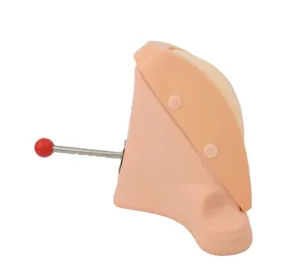
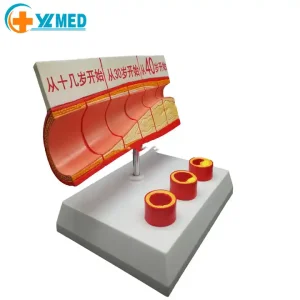
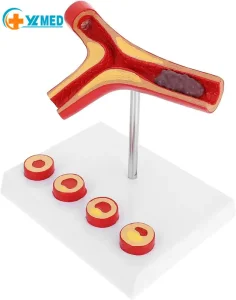
The final eight supplied product links cover histology slides, anatomical models, suture training, endoscopy, cardiology, torso anatomy and dental education. Together with the first eight items, they complete the original product set while supporting a one-factory sourcing strategy for CPR model gender and broader medical teaching equipment.