China CPR Infant Mannequin Manufacturers & Service
Factory-direct infant CPR training manikins, localised compliance support and a 60+ year medical education supply chain from Henan Yulin Medical.
Featured Product Portfolio: 8 Sourcing Options for CPR, Anatomy and Clinical Training Programs
These eight product groups sit within the broader Yulin Medical catalogue that supports infant CPR training centres, medical schools, distributors and hospital procurement teams. They are retained with their original product images and URLs for direct sourcing review.
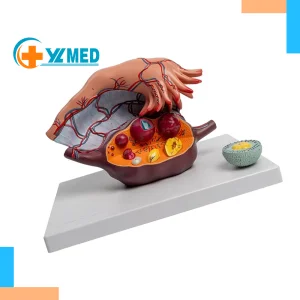
Wholesale Anatomical Model of Female Uterus Ovary & Oviduct Umbrella for Follicular Development-Enlarged Medical Science Product Pricelist, Quotes
View Product / Request Quote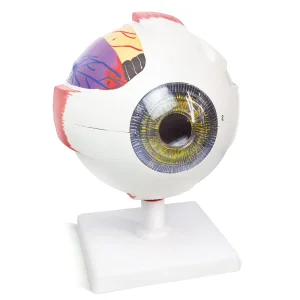
China 6X Enlarged Human Eye Anatomical Model, 6 Parts Eyeball Anatomical Model Showing Optic Nerve Cornea Iris Lens and Vitreous Body with Detachable Stand for Medical Classroom Teaching Research Manufacturer, Pricelist
View Product / Request Quote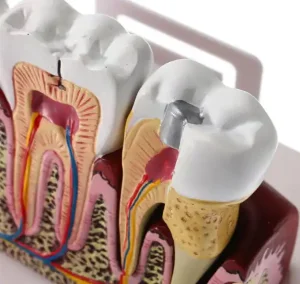
China Dental student jaw model teaching tooth models for dentistry student teeth model Manufacturers, Service
View Product / Request Quote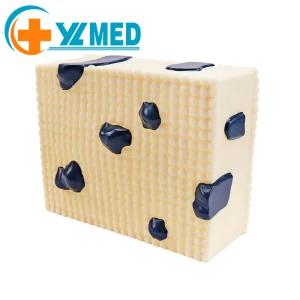
Wholesale Medical science cell membrane structure model Anatomy model Medical teaching biology teaching equipment Manufacturer, Quotes
View Product / Request Quote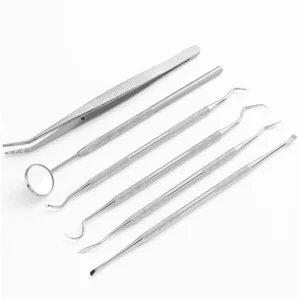
OEM 6 pieces of metal dental tools Manufacturer, Manufacturers
View Product / Request Quote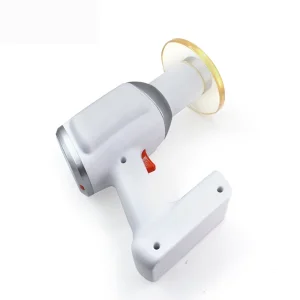
OEM New Packaging Medical Equipment Xray Dental Dental Imaging Portable X-ray Dental Xray Camera Machine Manufacturer, Quotes
View Product / Request Quote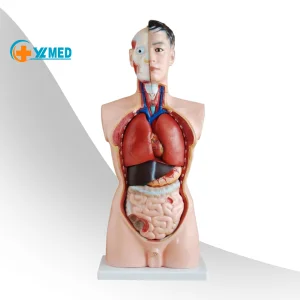
Wholesale life size human anatomical model 85cm male torso 19 parts teaching models for medical use Manufacturer, Factories
View Product / Request Quote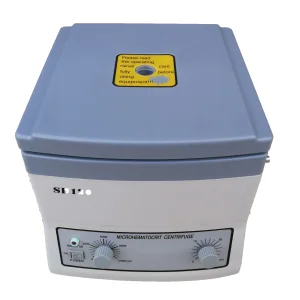
OEM Hot Sale Good Quality Laboratory Normal Speed Centrifugal Fans Centrifuge Machine Manufacturer, Quotes
View Product / Request QuoteSource basis: company profile of Henan Yulin Edu. Project Co., Ltd., a manufacturer of medical teaching models, CPR and nursing simulators, anatomy models, dental tools, biology slides and hospital equipment. Product selection and regulatory classification must always be confirmed against the destination market’s current requirements.
Executive Summary: What the Search for China CPR Infant Mannequin Manufacturers & Service Really Means
The query sits at the intersection of product specification, supplier verification, local compliance and after-sales service. Buyers are rarely looking for a generic manikin; they are looking for a predictable training asset that can survive daily teaching use.
A procurement team searching for China CPR infant mannequin manufacturers & service is usually trying to answer four practical questions: can the supplier manufacture consistently, can the product support infant-specific CPR technique, can the documentation satisfy a tender or import review, and can the supplier localise packaging, manuals, spare parts and delivery terms for the destination market?
Those questions matter because infant CPR training has a different design brief from adult CPR training. The learner must practise small-chest compression, correct landmark identification, delicate ventilation volumes and two-rescuer coordination. A manikin that simply scales down an adult torso may look convincing in a catalogue but can teach poor technique if chest compliance, airway resistance or chest-rise feedback is not engineered for infant training. This is why serious buyers compare the internal construction, the consumable strategy and the feedback mechanism, not only the unit price.
Yulin Medical approaches this category as a manufacturer and export service partner. Founded in 1958, Henan Yulin Edu. Project Co., Ltd. operates from Xinxiang, Henan, with more than 200 professional staff, registered capital of RMB 120 million and an ISO 9001 quality management system certified since 2008. Its product ecosystem covers anatomy models, nursing and CPR simulators, biology prepared slides, dental teaching equipment, hospital furniture and clinical instruments. For infant CPR programmes, this breadth is useful because training centres rarely purchase one item in isolation: they also need airway models, AED trainers, replacement lungs, hygiene consumables, teaching charts and supporting anatomy models.
For distributors, the commercial logic is equally clear. A supplier that can consolidate mixed-category orders reduces the administrative burden of managing several factories, improves container utilisation and creates a cleaner tender response. A supplier with documented quality controls and an established export process can also reduce the risk of batch inconsistency, labelling errors and late-stage surprises. The result is not simply a lower purchase price; it is a lower total cost of ownership across sourcing, inspection, shipping, training and replacement cycles.
Buyer Intent Map: Four Decision Paths Behind Infant CPR Manikin Sourcing
Semantic search visibility depends on matching the many reasons a buyer enters the category, not only the head term. The most valuable information gain is practical decision support.
Supplier Verification Intent
Is the company a real manufacturer or a trading intermediary? Buyers look for factory history, staff scale, registered capital, quality certification, production scope and evidence of export experience. A clear manufacturer profile shortens the trust-building cycle.
Specification Comparison Intent
Which model supports infant, child or adult training? Does it provide compression depth, rate and ventilation feedback? Can it accept an AED trainer, bag-valve-mask ventilation and two-rescuer scenarios? Buyers need side-by-side clarity before requesting samples.
Compliance Evidence Intent
Can the supplier provide ISO 9001 documentation, material declarations, packaging information, batch records and product-specific test reports? In some markets, infant CPR manikins are treated as educational equipment; in others, classification may be different, so buyers need accurate claims.
Service Localisation Intent
Language-localised manuals, private-label packaging, spare lungs, replacement skin, QR-linked training videos and regional distributor support are often the difference between a one-off order and a repeat programme.
Engineering Requirements for Infant CPR Manikins: A Practical Buyer Checklist
Infant CPR training equipment should support correct technique, withstand daily teaching use and make consumable replacement easy for the training centre.
An infant CPR manikin is not a miniature adult torso. It must reproduce a smaller chest geometry, appropriate rib compliance, realistic airway resistance and a visible chest rise when ventilation is performed correctly. The learner also needs clear landmarks for compression and correct hand placement. For procurement teams, the most reliable approach is to define the training standard first and then ask suppliers to demonstrate how their manikin supports it.
Commonly taught infant CPR benchmarks include a compression rate of 100–120 compressions per minute, compression depth of approximately 4 cm or one-third of the anterior-posterior chest diameter, and a compression-to-ventilation ratio that varies with single-rescuer or two-rescuer contexts. These figures should always be checked against the current guidance adopted by the training organisation, such as AHA, ERC, ILCOR or national resuscitation council requirements. A responsible manufacturer should not imply universal compliance without confirming the version of the guideline used in the buyer’s market.
- Infant-specific chest mechanics with realistic recoil, compression resistance and visible chest rise for ventilation feedback.
- Airway and ventilation realism including head-tilt/chin-lift positioning, airway resistance and compatibility with bag-valve-mask practice.
- Objective feedback options for compression depth, compression rate, recoil, ventilation volume and cycle timing.
- Hygiene strategy with disposable or replaceable lungs, easy cleaning surfaces and accessible internal channels.
- Consumable and spare-part planning so schools can replace faces, lungs, chest skins and feedback components without replacing the full unit.
- AED training compatibility for realistic pad placement, rhythm prompts and integrated first-aid scenarios.
- Durability validation based on expected class sizes, storage conditions, cleaning cycles and transport between training rooms.
Infant CPR Training Design Benchmark
Illustrative training design factors for supplier discussion. Local resuscitation guidance remains the final authority.
Information gain for buyers: request a training-centre evaluation scorecard before ordering. Weighted factors might include realism 25%, feedback quality 20%, hygiene and consumables 20%, durability 15%, localisation 10% and after-sales 10%. Run a small sample class with actual instructors before scaling.
Localisation Support and Compliance Assurance: The Service Layer That Protects Your Programme
The phrase “manufacturers & service” is important. A manikin supplier that cannot support local documentation, language and after-sales requirements creates risk long after the shipment arrives.
Documentation Pack
Buyers should request an ISO 9001 certificate, product specification sheet, material declarations, packing list, batch traceability information and available test reports. For electronic feedback components, RoHS or REACH declarations may be relevant. For tenders, a clear document index saves evaluators time and reduces the risk of non-responsive submissions.
Destination-Market Alignment
Infant CPR manikins may be regulated differently across jurisdictions. Some buyers require CE, UKCA, FDA, TGA or other evidence depending on product classification; others treat the item primarily as educational equipment. A reliable supplier avoids vague certification claims and states clearly what is covered by the certificate and what is product-specific.
Language and Packaging Localisation
Private-label packaging, translated user manuals, local plug types, voltage options, QR-linked instruction videos and distributor branding all improve resale performance. For schools, clear assembly and cleaning instructions are especially important because poor maintenance shortens product life.
Spares, Warranty and Training Support
A practical service package includes recommended spare-parts kits, replacement lungs and faces, warranty terms, inspection guidance and trainer orientation materials. Distributors benefit from a supplier that can support local demonstrations and respond quickly to replacement requests during tender delivery periods.
China Factory Supply Chain Advantages: Scale, Integration and Predictable Export Delivery
China’s medical education equipment supply chain offers more than competitive pricing. The strongest advantage for overseas buyers is integration: mould making, silicone and plastic components, electronics, packaging, inspection and export consolidation can be coordinated through a mature manufacturing ecosystem. This is particularly valuable for infant CPR manikins, where skin durability, airway parts, chest springs and feedback electronics must work together as a reliable system.
Yulin Medical is based in Xinxiang, Henan, an industrial region with deep capabilities in educational and medical products. With a history dating to 1958, more than 200 professional staff and registered capital of RMB 120 million, the company combines long-standing manufacturing experience with a broad product portfolio. Its ISO 9001 quality management system, certified since 2008, supports process control from incoming materials through production, inspection and export packing.
For global distributors, the ability to consolidate CPR manikins with anatomy models, dental teaching products, biology slides, hospital furniture and clinical instruments into one shipment can materially reduce logistics complexity. A single point of contact for specifications, packaging, documentation and shipping also improves accountability when deadlines are tight.



Global Procurement Needs and a Transparent 5-Step Process
Overseas buyers need more than a catalogue. They need a repeatable process with named responsibilities, sample evaluation, quality control and export support.
Share Requirements
Send product types, quantities, target market, certification expectations, packaging needs and tender deadlines.
Catalog & Proposal
Receive matched models, specifications, private-label options, spare-part recommendations and shipping suggestions.
Sample Evaluation
Test samples with instructors, clinicians or biomedical teams before confirming bulk production and packaging.
Production & QC
Manufacturing and inspection follow documented quality-management steps, with batch and packing records where required.
Export & Support
Protective export packing, delivery coordination, document preparation and responsive after-sales communication.
For tenders, provide your evaluation criteria early. A supplier can then align specifications, labels, manuals, warranty statements and packing marks with the tender document instead of correcting them after production.
Industry Trends Shaping Infant CPR Manikin Procurement
Training equipment is moving toward measurable skills, modular consumables and stronger local support. These trends should appear in your supplier scorecard.
Objective Skills Feedback
Instructors increasingly expect compression depth, rate, recoil and ventilation feedback. Buyers should confirm whether feedback is integrated, optional or available as an upgrade, and whether replacement sensors are supported.
Paediatric and Neonatal Specialisation
One adult torso cannot cover every learner group. Training centres are building age-specific programmes for adult, child and infant CPR, which increases demand for anatomically appropriate infant and neonatal trainers.
Modular Consumables and Hygiene
Replaceable lungs, faces and chest skins are now a purchasing criterion, not an accessory. Schools want predictable consumable costs and simple cleaning workflows that fit high-throughput class schedules.
Blended and Digital Learning
QR-linked instruction videos, downloadable manuals and multilingual training assets help distributors support end users remotely. Digital support must be accurate, version-controlled and aligned with the delivered product configuration.
Regulatory Transparency
Buyers are more cautious about certification language. Clear statements about product classification, documentation scope and destination-market responsibilities are becoming a competitive advantage for responsible manufacturers.
Total Cost of Ownership
Procurement teams now compare spare-part availability, cleaning time, warranty response and shipping efficiency alongside unit price. A lower-cost manikin with poor durability can cost more over a multi-year training programme.
Localised Application Scenarios for Infant CPR Manikins
Different buyer groups evaluate the same manikin against different criteria. Localising the sales conversation around actual use cases improves both conversion quality and training outcomes.
Medical and Nursing Schools
Need durable manikins for repeated skills labs, objective assessment and integration with anatomy teaching. Consumable costs and instructor training matter as much as realism.
Hospital Paediatric Simulation Labs
Require scenario-based practice for ward staff, emergency teams and paediatric resuscitation drills. Feedback data, hygiene and rapid reset between scenarios are key.
EMS, Fire and Rescue Services
Focus on field realism, portable training setups, AED integration and team coordination. Rugged construction and transport protection reduce downtime.
Workplace and Community First Aid
Need clear visual feedback and easy cleaning for short courses. Language-localised instructions and minimal maintenance are important for high-volume programmes.
Distributors and Tender Suppliers
Prioritise consistent specifications, private-label packaging, spare-parts kits and documentation that supports tender submissions and multi-year supply agreements.
Maternal, Child Health and NGO Programmes
Often require practical training equipment for community instructors. Simplified maintenance, durable skin and clear multilingual visuals can improve long-term programme sustainability.
Ten Product Category Capability Map
One accountable manufacturer for medical education and clinical equipment categories, supporting consolidated sourcing across simulation, anatomy, dental, laboratory and hospital products.
Manufacturer Authority: Henan Yulin Edu. Project Co., Ltd.
A six-decade manufacturer serving educators, clinicians and distributors through documented quality management and responsive export service.
Founded in 1958, Henan Yulin Edu. Project Co., Ltd. has grown into a well-known educational and medical equipment supplier integrating scientific research, production and sales. With registered capital of RMB 120 million and more than 200 professional employees, the company manages product development, manufacturing, inspection and export from its base at No. 8 Daoqing Road, Industry Park, Hongqi District, Xinxiang, Henan, China.
The quality management system has been ISO 9001 certified since 2008. The company’s stated motto is “quality first, service first,” and its export team supports distributors, medical universities, nursing colleges and hospitals with product selection, private-label packaging, consolidated shipments and after-sales communication.
For infant CPR manikin programmes, Yulin Medical can combine simulation products with anatomy models, biology slides, dental teaching equipment, hospital furniture and clinical instruments. This reduces supplier fragmentation and helps buyers build a coherent training or tender package.
Direct Contact & Factory Details
Company: Henan Yulin Edu. Project Co., Ltd.
Address: No. 8, Daoqing Road, Industry Park, Hongqi District, Xinxiang, Henan, China
Email: [email protected]
Phone: 0086-13503800666
WhatsApp: +86 135 0380 0666
Core scope: medical teaching models, CPR and nursing simulators, anatomy models, skeleton models, suture pads, dental tools, biology prepared slides, hospital furniture and instruments.
News and Practical Insights from Our Specialists
Hands-on guidance and exhibition updates from the team that designs, manufactures and exports medical education equipment.

Do You Really Know How to Observe Biological Prepared Slides?
Many plant and animal cell structures can only be studied under a microscope, which makes prepared biological slides essential in every biology lab. Our specialists explain how to handle, focus and store slides correctly so students see clearer detail and slide sets last for years.

The 5th Henan Provincial Educational Equipment Expo Concludes Successfully
Themed “Digital Leading Innovation and Development,” the expo reached a record 50,000 m² with 600+ brands and 10,000+ products on display, showcasing the latest educational equipment.

Inside Our Product Showroom
A look at the medical teaching models and training equipment buyers can inspect in person when visiting our Xinxiang facility. The showroom helps distributors compare product realism, packing options and catalogue fit before placing volume orders.
Frequently Asked Questions from Importers
Straight answers to the questions procurement managers ask most before placing a first order for CPR manikins and medical teaching equipment.
Is Yulin Medical a manufacturer or a trading company?
We are a manufacturer. Henan Yulin Edu. Project Co., Ltd. was founded in 1958 and operates its own factory in Xinxiang, Henan, China, with more than 200 professional staff. For one-stop orders, we also coordinate a stable network of long-term partner factories.
What quality certification does Yulin Medical hold?
Our quality management system has been ISO 9001 certified since 2008. Product-specific documentation can be provided on request to support tenders and import registration in your country. Buyers should confirm the exact certificate scope and any additional destination-market requirements before ordering.
Do you support OEM, private label and custom packaging?
Yes. Our in-house design team develops private-label packaging and product presentation for distributors, helping increase shelf appeal, tender fit and resale value in your market. We can discuss manual translation, label content, plug type and spare-parts kit configuration as part of the OEM brief.
How do I choose the right CPR training manikin?
Start with the learner group: adult, child, infant or neonatal. Then check that real-time feedback covers compression depth, compression rate and ventilation volume; confirm alignment with the resuscitation guidelines adopted in your market; and decide whether your courses need AED trainer integration. For advanced life-support programmes, an ACLS simulator with embedded scenarios offers far more assessment value than a basic torso.
Are infant CPR manikins compliant with AHA or ERC guidelines?
Compliance is a training-design question, not a single label. A manikin should support the compression rate, depth, recoil, ventilation and scenario requirements referenced by the training organisation. Because AHA, ERC, ILCOR and national councils may update guidance, buyers should specify the guideline version used in their courses and ask the supplier to demonstrate how the product supports it. We do not state universal compliance without confirming the destination market and course standard.
What localisation support is available for overseas distributors?
Support can include private-label packaging, user-manual translation, voltage and plug options, QR-linked training content, spare-parts kits, tender document preparation and consolidated shipments with mixed product categories. The exact service package is confirmed against order volume and destination-market requirements.
What is the minimum order quantity and typical lead time?
MOQ and lead time depend on the model, customisation level, packaging requirements and whether the order combines multiple product categories. For initial projects, we recommend sharing target quantities, destination, deadline and any tender milestones so the export team can propose a realistic production and shipping plan.
Can I evaluate a sample before bulk production?
Yes, sample evaluation is strongly recommended for infant CPR manikins. Instructors should test chest compliance, airway feel, chest rise, feedback accuracy, cleaning steps and consumable replacement before confirming bulk production. Sample cost and shipping terms are quoted according to the product and destination.
How do you manage hygiene and consumable replacement?
We recommend specifying replaceable lungs, faces and chest skins, together with cleaning instructions and a recommended spare-parts kit. Training centres should establish a routine for cleaning, drying, inspection and replacement based on class volume. Distributors can hold fast-moving consumables locally to reduce downtime.
Can you consolidate CPR manikins with anatomy models and hospital products?
Yes. Yulin Medical supports mixed-category sourcing across ten product lines, including anatomy models, nursing simulators, dental tools, biology slides, hospital furniture and clinical instruments. Consolidation can reduce supplier administration and improve container utilisation, subject to product-specific packing and documentation requirements.
What shipping terms and export documents are available?
Shipping terms are quoted according to the order and destination, and may include common international trade terms. Export documents can be prepared to support the agreed shipment, such as commercial invoice, packing list and other documents required for the transaction. Buyers should confirm import licensing, customs classification and local regulatory obligations with their own compliance advisers.
How quickly will I receive a reply?
Our export team is online 7 days a week and typically replies within 24 hours with catalogs, specifications and shipping options.
Need Specifications, a Price List or a Tender Package? We Reply Within 24 Hours.
Tell us your target market, learner group, quantities and certification requirements. Our product specialists will recommend suitable models, share detailed specifications and propose a practical shipping plan for your order.
Bottom Product Showcase: 8 Additional Sourcing Options from Yulin Medical
These eight product links complete the catalogue selection shown in this article. Each image and product URL is retained for direct review by distributors, schools, hospitals and procurement teams.
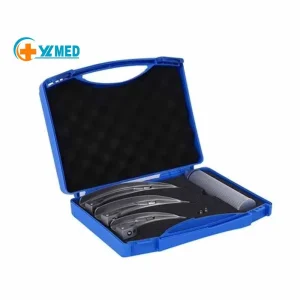
Wholesale Genuine Stainless Steel Indirect Video Laryngoscope Electric Adult Pediatric Laryngeal Ear Eye Nose Throat Surgical Instrument Quotes, Service
View Product / Request Quote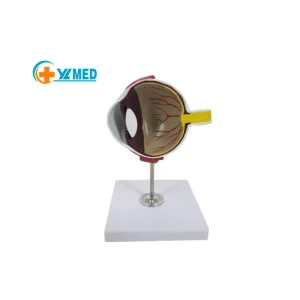
China Biology Science Education Equipment Veterinary Medical Simulation Animal Dog Anatomy Model Canine Eye Model Manufacturer, Manufacturers
View Product / Request Quote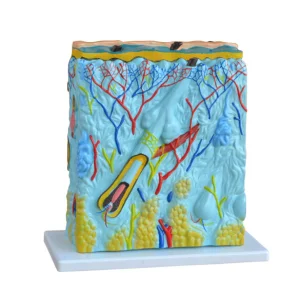
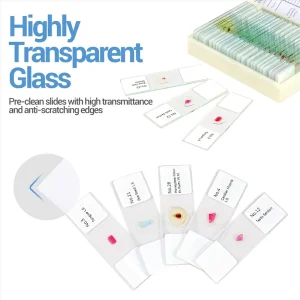
China 50pcs microbiology slides prepared for microscope, include bacteria and fungi Manufacturer, Service
View Product / Request Quote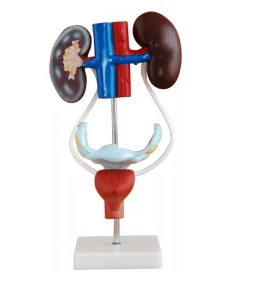
ODM Anatomical model of female genitourinary system Factory, Pricelist
View Product / Request Quote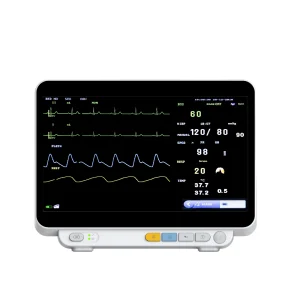
Wholesale Adjustable Medical Diagnostic Devices Portable 14" Multi-parameter Patient Monitors with Electric Power Source Manufacturers, Factories
View Product / Request Quote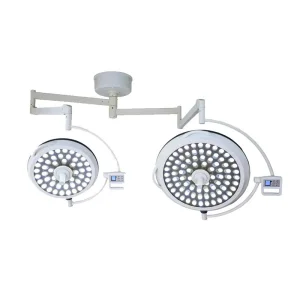
China Hospital with double head LED shadowless lamp Factories, Quotes
View Product / Request Quote