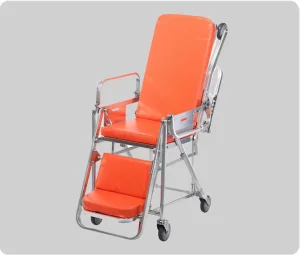
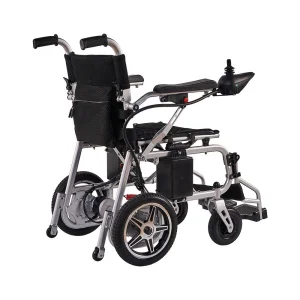
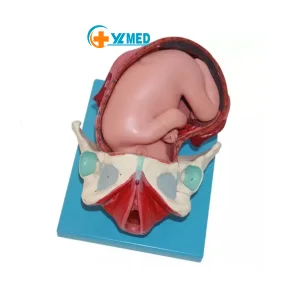
8 Source-Verified Pricelist & Service Listings
These original product links are retained for buyers who want to move directly from category research into quotation, sample evaluation or tender preparation. Each listing should be read together with the specification, packaging and compliance questions in the guide below.
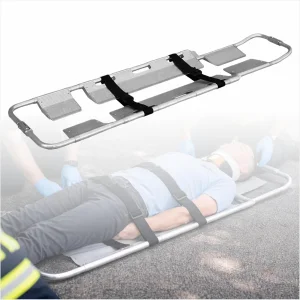
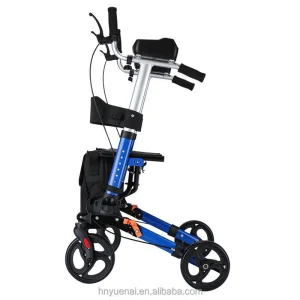
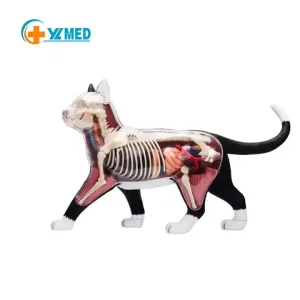
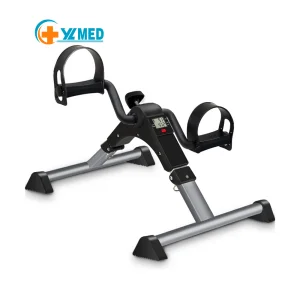

What the Query “China CPR Baby Reanimationspuppe Pricelist & Service” Really Means
The phrase combines a German category term with English commercial modifiers. “Reanimationspuppe” is used by German-speaking buyers for a resuscitation manikin, while “pricelist and service” signals late-stage procurement intent rather than casual browsing.
German-Speaking Market Intent
Distributors in Germany, Austria and Switzerland often search in German but evaluate suppliers in English. A strong page must bridge both languages with clear specifications, documentation language and delivery terms.
Institutional Procurement Intent
Hospitals, nursing colleges and emergency services need unit pricing, spare parts, warranty scope, training support and tender documents, not only a photo and a headline price.
Information-Gain Intent
Experienced buyers compare lung resistance, face-skin replacement intervals, feedback calibration, wipe-down chemical compatibility and total cost of ownership across a multi-year training cycle.
Distributor Reorder Intent
Importers and private-label sellers look for stable repeat production, packaging control, model consolidation, mixed-category orders and predictable lead times from one accountable factory.
For buyers, the most useful answer to this query is not a generic price table. It is a procurement map: which baby CPR training manikin configuration fits which learner group, what service commitments should be written into the quotation, and which documents must be ready before a tender or import registration can proceed. That is where information gain becomes a commercial advantage.
Where a CPR Baby Reanimationspuppe Earns Its Place
Infant and neonatal resuscitation training differs from adult basic life support. The right manikin should match the learner group, the feedback requirement, the cleaning protocol and the documentation standard of the institution.
Hospital Pediatric & Neonatal Simulation
Use baby CPR manikins for ward drills, NRP-oriented team training, airway positioning practice and ventilation consistency checks. Departments often request replaceable lungs, faces and chest skins to keep courses running.
EMS & Ambulance Services
Pre-hospital teams need durable training devices that tolerate frequent pack-and-move use. Clear carry bags, wipe-down surfaces and consistent spare-part supply reduce downtime between refresher courses.
Medical & Nursing Schools
Lecturers benefit from models that support instructor demonstration, student rotation and skills assessment. Numbered anatomical references and modular parts can improve teaching efficiency.
Community First Aid Programmes
Community trainers and NGOs often need low-complexity, easy-clean manikins for infant choking and CPR awareness sessions. Local-language handouts and simple maintenance instructions improve programme continuity.
Corporate & Childcare Safety
Childcare groups, schools and workplace safety teams are expanding pediatric first-aid awareness. Baby CPR models help staff practise proportionally correct compression and ventilation techniques.
OEM & Private-Label Distributors
Importers can combine CPR manikins with anatomy models, nursing simulators, stretchers and rehabilitation products. Private-label packaging and model documentation help distributors build local catalogues.
Technical Roadmap for Baby CPR Training Manikins
The category is moving from passive torso models toward measurable, serviceable training systems. The roadmap below reflects buyer priorities and engineering direction; actual feature availability should always be confirmed quotation by quotation.
Sensor-Enabled Feedback
Compression depth, rate, recoil and ventilation volume are becoming easier to score objectively. Future training workflows will increasingly connect manikins to simple dashboards and instructor reports.
Modular Hygiene & Serviceability
Replaceable faces, airways, lungs and chest skins reduce total cost of ownership. Tool-free maintenance and clearly labelled spare parts are important for busy training centres.
Connected Content Ecosystems
QR-linked instructions, multilingual course support and digital maintenance logs can help distributors add value beyond the physical manikin, while respecting user data and local privacy expectations.
Sustainable Materials & Digital Production
Durable skin materials, recyclable packaging and digital production tracking align with public-sector procurement trends. The objective is not green marketing, but measurable consistency and lower replacement waste.
Supply Chain Resilience & Efficiency from Xinxiang, Henan
Henan Yulin Edu. Project Co., Ltd. has built educational and medical training equipment in Xinxiang, China, for more than six decades. The company reports a registered capital of RMB 120 million, more than 200 professional staff, ten product lines and an ISO 9001 quality management system certified since 2008.
Quality System & Inspection
ISO 9001 process control, in-house quality checks and export packing discipline help reduce batch-to-batch variation. Buyers should still specify incoming inspection criteria, sampling plans and packaging tests in the purchase order.
One-Stop Category Consolidation
CPR manikins, anatomy models, skeleton models, hospital furniture, emergency equipment and rehabilitation products can be coordinated through one contact to simplify mixed-category orders.
OEM, Private Label & Packaging
An in-house design team supports private-label packaging and product presentation for distributors. This is especially valuable for importers who sell through local catalogues and e-commerce channels.
Responsive Export Service
The export team is online seven days a week and typically replies within 24 hours with catalogues, specifications and shipping options. Mixed-category orders can be consolidated into one shipment with one point of contact.



Why Global Buyers Are Rebalancing Toward Documented Supply
Demand for resuscitation training is shaped by refresher cycles, public first-aid programmes, hospital simulation investment and distributor catalogue expansion. In this environment, the winning supplier is not simply the one with the lowest unit price; it is the one that can document specifications, maintain spare-part continuity and support tender workflows.
Replacement & Refresh Cycles
Training centres replace faces, lungs and skins before they replace the full manikin. A pricelist that omits consumables is incomplete because it hides the real multi-year cost of running courses.
Training Infrastructure Expansion
Hospitals, universities and emergency services continue to invest in simulation-based education. Buyers increasingly ask for blended orders that include CPR models, anatomy models and ward equipment.
Procurement Professionalization
Public tenders and large distributor contracts reward suppliers who can provide consistent model naming, documentation, warranty terms, spare-part lists and multilingual packaging support.
Ten Product Lines Behind a One-Stop Medical & Educational Supply Chain
These original category links show the wider ecosystem that supports cross-selling and consolidated purchasing for distributors, schools and hospitals.
Localization Support That Makes the Pricelist More Usable
A CPR Baby Reanimationspuppe quotation becomes commercially useful only when the buyer can see how the product will be labelled, documented, maintained and supported in the destination market. The following service framework should be discussed before a purchase order is issued.
Language & Documentation
English catalogues and specifications are standard starting points. For German-speaking markets, distributors may request bilingual packaging or local-language instruction inserts for their own private-label programme.
Labelling & Packaging Control
Private-label cartons, model codes, barcodes, warnings and replacement-part references should be approved before mass production. Packaging artwork must be controlled to prevent mixed versions in one shipment.
Standards Mapping
Where a buyer needs alignment with current resuscitation training practice, the specification should state the intended learner level, feedback requirements and guideline references. Final compliance remains market-specific.
Tender & Import Support
Product-specific documents can be provided on request for tenders and import registration. Buyers should confirm which certificates, declarations and translated materials their local authority requires.
Spare Parts & Consumables
Faces, lungs, chest skins and airway components should be quoted alongside the manikin. A distributor who plans consumable stock can protect course schedules and build recurring revenue.
After-Sales & Training Content
Responsive after-sales communication, maintenance guidance and instructor-friendly content improve the buyer experience. For complex configurations, request a written service scope before payment.
How to Compare a Pricelist & Service Package
The original buying process used by Yulin Medical follows a practical five-step path: share requirements, receive a catalogue and proposal, evaluate samples, approve production and quality control, then coordinate export and after-sales support. Each step should produce written evidence.
Share Requirements
Send product types, learner group, quantities, target market and tender or certification needs.
Catalog & Proposal
Receive matched models, specifications, packaging options and shipping suggestions.
Sample Evaluation
Test samples with instructors or clinicians before confirming bulk production.
Production & QC
Manufacturing and inspection follow the ISO 9001 quality management system.
Export & Support
Protective export packing, delivery coordination and responsive after-sales service.
China CPR Baby Reanimationspuppe Pricelist & Service — Buyer FAQ
Direct answers for procurement managers, distributors and training institutions preparing a first inquiry or a repeat order.
Is Yulin Medical a manufacturer or a trading company?
What quality certification does Yulin Medical hold?
Do you support OEM, private label and custom packaging?
How should I choose the right CPR baby manikin?
Does “Reanimationspuppe” mean the page is only for Germany?
What should be included in the “service” part of a quotation?
Can mixed-category orders be consolidated?
How quickly will I receive a reply?
Do you offer samples before bulk production?
Is a CPR training manikin a medical device?
Request a Pricelist, Sample or Tender Pack
Tell the export team your target market, learner group, quantity, packaging preference and any certification or tender requirement. A precise brief produces a more useful quotation and a faster technical review.
8 More Verified Pricelist & Service Listings
The remaining source-verified product listings are retained here for complete navigation. They also demonstrate the breadth of the factory’s emergency, rehabilitation, education and hospital equipment ecosystem for mixed-category buyers.