




China Child CPR Mannequin Manufacturers & Service
A 2025 buyer’s guide to pediatric CPR training manikins, Factory 4.0 supply-chain resilience, global procurement requirements, localized training scenarios, and verified OEM service from Henan Yulin Edu. Project Co., Ltd.
Eight Buyer-Relevant Items from Yulin’s Verified Product Range
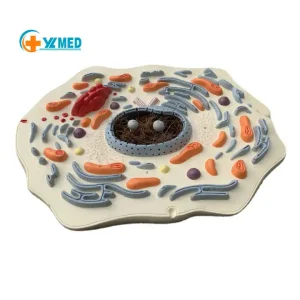
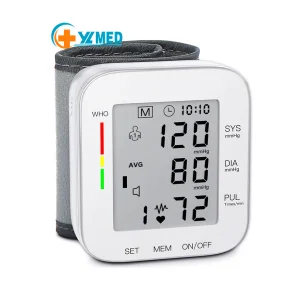
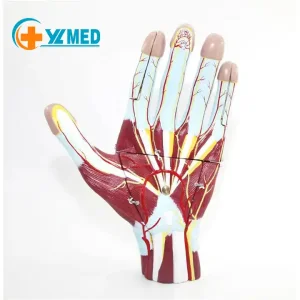
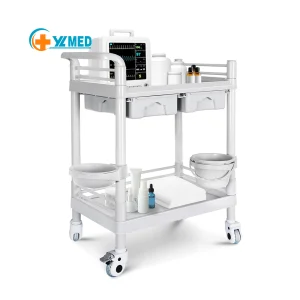
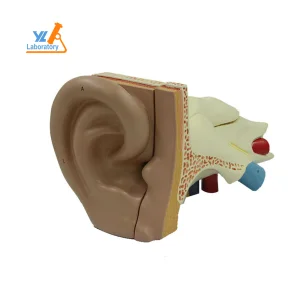
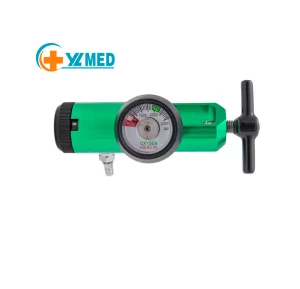
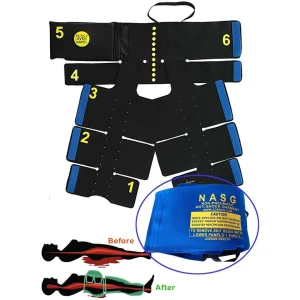
These eight items are shown immediately below the banner so distributors, tender teams, and procurement managers can inspect original product imagery, exact product URLs, and category breadth before reading the technical guide.

Why the Search for China Child CPR Mannequin Manufacturers & Service Has Become More Specific
Google’s semantic search systems now interpret procurement language as a set of related problems, not as one repeated keyword. A serious buyer is usually trying to answer several questions at once: which pediatric manikin fits a child learner, how feedback is measured, how the airway and chest are maintained, what documentation supports a tender, how OEM packaging works, and whether one supplier can consolidate mixed categories into a resilient shipment.
Informational Intent
Researchers compare child, infant, and adult manikins; they ask about compression depth, ventilation, chest rise, AED pad placement, sanitation, and alignment with current resuscitation guidelines. The page must explain these differences with clinical literacy rather than simply repeating product names.
Commercial Investigation
Distributors and tender teams compare feedback technology, replaceable lungs, face-skin materials, carrying bags, warranty terms, MOQ, private-label packaging, and export documentation. They want side-by-side criteria that reduce evaluation time and support internal purchasing decisions.
Transactional Readiness
At the final stage, buyers request a quotation, sample, catalog, certificate package, or production schedule. Clear contact paths, a 24-hour reply commitment, and a documented five-step process turn technical interest into a qualified inquiry.
This is where information gain matters. A page that merely lists “China child CPR mannequin manufacturers” competes on repetition. A page that explains pediatric fidelity, feedback metrics, consumable planning, localized training scenarios, tender evidence, and Factory 4.0 supply-chain logic gives search engines and buyers a reason to treat it as a decision resource. Yulin Medical’s experience since 1958, ISO 9001 certification since 2008, more than 200 professional staff, registered capital of RMB 120 million, and ten product lines provide verifiable E-E-A-T signals: experience, expertise, authority, and trust.
What a Child CPR Mannequin Must Do Before It Earns a Place in Your Program
A child CPR mannequin is not a scaled-down adult torso. It is a training instrument for a specific learner group, chest compliance profile, ventilation pathway, feedback requirement, and hygiene workflow. Buyers should match the manikin to the course curriculum, the age of learners being trained, and the evidence required by local resuscitation councils.
Age-Appropriate Anatomy
The chest, head, airway, and hand position should support child-focused technique. Trainers should be able to demonstrate visible chest rise, correct head tilt, and realistic resistance without confusing learners with adult-only proportions.
Objective Feedback
Compression depth, rate, recoil, hand position, and ventilation volume are the core metrics. Feedback may be audible, visual, or software-linked. The best option depends on whether you need basic community training or scored healthcare simulation.
Hygiene & Consumables
Disposable lungs, removable face skins, easy airway access, and cleanable surfaces reduce turnaround time between learners. Consumable availability is a long-term procurement issue, not an afterthought.
Durability & Service
Training centres care about cycle life, replacement parts, storage, carrying weight, and warranty support. A lower unit price can become expensive if face skins, lungs, or electronics are difficult to source.
For pediatric programs, buyers should also distinguish between a child manikin and an infant manikin. Child training commonly involves different hand placement, compression force, and ventilation technique, while infant training focuses on small-airway management and two-finger compression technique. Always confirm the exact depth, rate, and ratio taught in your market against current AHA, ILCOR, or regional guidelines, because course providers and regulators may update requirements. The manikin should support the curriculum your instructors are certified to deliver.
A well-designed child CPR manikin also supports instructor workflow. Quick airway access matters during multi-station courses. Clear anatomical landmarks help novices understand where to place hands. Realistic chest recoil teaches rescuers not to lean on the chest. AED training pads and trainer interfaces should integrate cleanly if your course includes defibrillation awareness. Packaging, labeling, and quick-start guides should be available in the languages your distributors sell into.
2025–2030 Trends Shaping Pediatric Resuscitation Training Equipment
The child CPR mannequin market is moving from simple torso models toward integrated training systems. Demand is being shaped by school CPR mandates, hospital simulation accreditation, community first-aid programs, workplace safety requirements, and the need for objective evidence that training actually changed learner performance.
Pediatric Fidelity
Buyers increasingly ask for child-specific anatomy, realistic airway resistance, and age-appropriate chest compliance instead of accepting adult manikins for pediatric courses.
Sensorized Feedback
Compression depth, rate, recoil, ventilation, and hand position are being captured as training data. Feedback helps instructors standardize assessment across large classes.
Hybrid Learning
Manikins are being paired with QR guides, video demonstrations, and remote debriefing. Physical models remain central, but digital content extends instructor reach.
Hygiene by Design
Modular faces, disposable lungs, and tool-free disassembly are becoming purchasing criteria in schools, hospitals, and high-volume training centres.
Sustainability
Durable skins, replaceable components, and recyclable packaging reduce waste. Buyers are asking suppliers to document material choices and spare-part availability.
Localized Documentation
Tenders often require localized manuals, labeling, certificates, and packaging. Suppliers with in-house design and private-label capability have an advantage.
A second shift is the integration of pediatric training into broader emergency-care ecosystems. Schools may pair child CPR manikins with AED trainers; hospitals may combine them with ACLS simulation, airway management, and team-debriefing scenarios; community programs may require lightweight kits that can be transported between venues. This is why a supplier’s ability to coordinate multiple product lines—CPR manikins, anatomy models, emergency splints, hospital furniture, and diagnostic equipment—can be more valuable than a single low-cost quote. Mixed-category consolidation reduces supplier-management overhead and improves inventory planning.
What Distributors, Hospitals, Schools, and Tender Teams Are Asking For
Global demand for child CPR training manikins is not a single market. It is a set of buyer journeys with different documentation, price, service, and localization requirements. A distributor may need OEM packaging and predictable replenishment. A medical school may need instructor-friendly feedback and durable consumables. A government tender may require certificates, test reports, warranty terms, and delivery schedules.
Distributors & OEM Buyers
They look for private-label packaging, stable specifications across batches, mixed-category orders, catalog support, and marketing-ready imagery. Their risk is inventory that does not match local course demand.
Hospitals & Universities
They prioritize training outcomes, feedback accuracy, hygiene, spare-part availability, and documentation for internal accreditation. They often prefer sample evaluation before bulk approval.
Government, EMS & NGOs
They need tender-ready specifications, compliance evidence, delivery coordination, and long-term service support. Clear packing lists and multilingual labeling improve acceptance.
This index is an illustrative planning aid, not a market forecast or a statistical claim. Buyers should weight criteria according to their own market, course volume, and regulatory context.
Supply-Chain Resilience and Efficiency Advantages of a 1958-Era Manufacturer
Yulin Medical is not a newly created trading brand. Henan Yulin Edu. Project Co., Ltd. was founded in 1958 and has grown into an educational and medical equipment manufacturer integrating research, production, inspection, and sales. The company operates from No. 8, Daoqing Road, Industry Park, Hongqi District, Xinxiang, Henan, China, with more than 200 professional staff and registered capital of RMB 120 million. Its quality management system has been ISO 9001 certified since 2008.
Process-Control Mindset
Factory 4.0 is not only automation; it is disciplined process control. For training manikins, that means stable materials, repeatable assembly, inspection criteria, and batch consistency.
One Accountable Supplier
Eleven? No—ten product lines allow buyers to consolidate CPR manikins, anatomy models, hospital furniture, dental equipment, and emergency tools into a single shipment and one point of contact.
Private-Label Capability
An in-house design team develops private-label packaging and product presentation that raises shelf appeal and resale value for distributors.
Supply-Chain Resilience
A long operating history and a stable partner network help keep lead times predictable, support one-stop orders, and reduce the risk of stock-outs during training seasons.
The efficiency advantage is practical. A distributor placing a mixed order can request CPR training manikins, anatomy models for teaching, emergency splints for first-aid courses, and hospital furniture for clinical customers in one production conversation. Consolidated packing can reduce freight complexity, while a single documentation package simplifies customs and tender follow-up. For buyers, the strongest supply chain is not always the one with the lowest unit price; it is the one that can maintain specification integrity, communicate proactively, and support repeat orders without surprises.
Tariffs, Compliance, Lead Time, and Total Landed Cost: The Real Buying Equation
International procurement in 2025 is shaped by more than factory price. Importers must plan for freight volatility, tariffs, certification reviews, customs documentation, warehousing, local training support, and spare-part replenishment. A child CPR mannequin program that looks inexpensive at the quotation stage can become costly if consumables are unavailable or if documentation delays a tender delivery.
Regulatory Evidence
Confirm which documents your market requires. CPR training manikins may be treated as training equipment rather than medical devices in some jurisdictions, but local rules and tender requirements still matter.
Logistics Planning
Carton dimensions, pallet configuration, and mixed-category consolidation affect freight cost. Protective export packing should protect face skins and electronics during transit.
Consumable Economics
Disposable lungs, face skins, and airway components are recurring costs. Ask for a replenishment plan and confirm compatibility before committing to a large fleet.
After-Sales Response
Training schedules cannot wait for unresolved quality questions. A supplier with 24/7 response, clear warranty terms, and named contacts reduces operational risk.
The global commercial landscape also rewards localization. A product that works for a hospital simulation lab may be too complex for a community first-aid workshop. A school program may need lightweight kits, simple cleaning routines, and durable carrying bags. An EMS agency may need scenarios that integrate child CPR with AED use, airway management, and team communication. Manufacturers that can support different configurations, labels, manuals, and packaging are better positioned to serve multiple markets without forcing every buyer into the same specification.
Where Child CPR Manikins Create Measurable Training Value
Use cases shape the specification. A pediatric hospital may value advanced feedback and scenario control, while a primary school may prioritize durability, low maintenance, and simple sanitation. The same supplier can serve both only if the product portfolio is segmented clearly.
K–12 Schools
School CPR mandates and first-aid awareness programs need robust manikins, simple instructor guides, and efficient cleaning between classes. Storage and carrying weight matter.
Nursing & Medical Schools
Simulation labs need objective feedback, realistic airway management, and compatibility with assessment rubrics. Consumables and replacement parts should be easy to forecast.
Pediatric Hospitals
Clinical educators may require child-specific scenarios, team debriefing, and integration with AED trainers or advanced life-support programs.
EMS & Fire Services
Pre-hospital teams train under time pressure. Manikins should support rapid setup, realistic chest response, and durable field-friendly packaging.
Community First Aid
NGOs and public programs need affordable, low-maintenance models with clear visual feedback so volunteers can learn quickly and confidently.
Workplace & Home Safety
Corporate responders and families benefit from compact child CPR trainers that pair with AED awareness, choking response, and emergency action planning.
Ten Sourcing Lines in One Accountable Supply Chain
Yulin Medical’s ten product lines let buyers source core training equipment and complementary clinical products from one manufacturer relationship. This is especially useful for distributors serving schools, hospitals, clinics, and emergency-training organizations that rarely buy only one category at a time.
Anatomy Models
Torso, organ, heart, brain, and muscle models for lectures and patient education.
⌬Biology Prepared Slides and Accessories
Histology, botany, and zoology slides plus storage and microscope accessories.
✦Dental Tools and Equipment
Dental teaching models, clinic lights, whitening units, and endodontic instruments.
▣General Teaching Models
Science demonstration models for primary, secondary, and education-equipment tenders.
⌂Hospital Furniture and Equipments
Examination couches, stretchers, walkers, and shower chairs for daily clinical use.
⚙Hospital Machine and Tools
Diagnosis and treatment devices plus practical tools for wards and clinics.
✚Medical Apparatus and Instruments
Emergency splints, extrication devices, cervical traction, and rehabilitation instruments.
◈Medical Nursing Model
Adult, child, and neonatal CPR manikins, ACLS simulators, and AED trainers.
⌁Skeleton Models
Life-size and desktop skeletons, skulls, spines, and joint models for osteology.
⇄Suture Pads and Kits
Realistic skin suture pads and complete instrument kits for surgical practice.
Featured CPR, Emergency, and Rehabilitation Equipment
The broader Yulin range includes advanced CPR simulation, AED training, pediatric and neonatal emergency manikins, extrication devices, hospital furniture, mobility aids, and physiotherapy products. These complementary products help distributors build a more complete educational and clinical catalog.












Verified Manufacturer Signals Buyers Can Inspect
Yulin Medical’s motto is “quality first, service first.” That motto is supported by a quality management system certified to ISO 9001 since 2008, more than 200 professional staff, and a manufacturing base in Xinxiang, Henan. The company’s export team is online seven days a week and typically replies within 24 hours with catalogs, specifications, packaging options, and shipping suggestions.

Henan Yulin Edu. Project Co., Ltd. was founded in 1958 and has grown into a well-known educational and medical equipment supplier integrating scientific research, production, and sales. Registered capital is RMB 120 million, and the factory address is No. 8, Daoqing Road, Industry Park, Hongqi District, Xinxiang, Henan, China.
For buyers, these are not decorative facts. A long operating history suggests process maturity. ISO 9001 certification indicates a documented quality system. A broad product portfolio supports one-stop procurement. In-house design and packaging capability helps distributors localize products for their market. Responsive communication reduces the risk of delayed tenders and missed training schedules.
- Factory-direct supply across ten product lines
- Private-label packaging and product presentation support
- Mixed-category orders consolidated into one shipment
- Documentation support for tenders and import registration
Contact Evidence
Email: [email protected]
Phone: 0086-13503800666
WhatsApp: +86 135 0380 0666
Address: No. 8, Daoqing Road, Industry Park, Hongqi District, Xinxiang, Henan, China






A Transparent Five-Step Process for Overseas Buyers
Every stage has a clear deliverable, so distributors and institutions can plan stock, tenders, and training schedules with confidence.
Share Requirements
Send product types, quantities, target market, and any tender or certification needs.
Catalog & Proposal
Receive matched models, specifications, packaging options, and shipping suggestions.
Sample Evaluation
Test samples with instructors or clinicians before confirming bulk production.
Production & QC
Manufacturing and inspection follow the ISO 9001 quality management system.
Export & Support
Protective export packing, delivery coordination, and responsive after-sales service.
Practical Guidance from Yulin Specialists
Product knowledge and exhibition updates written by the team that builds and supports the equipment.

Do You Really Know How to Observe Biological Prepared Slides?
Many plant and animal cell structures can only be studied under a microscope, which makes prepared biological slides essential in every biology lab. Handling, focus, and storage practices determine how clearly students see detail and how long slide sets last.

The 5th Henan Provincial Educational Equipment Expo Concludes Successfully
Themed “Digital Leading Innovation and Development,” the expo reached a record 50,000 m² with 600+ brands and 10,000+ products on display, showcasing the latest educational equipment.

Inside Our Product Showroom
A look at the medical teaching models and training equipment buyers can inspect in person when visiting our Xinxiang facility.
What to Put in Your RFQ for Child CPR Manikins
A structured request for quotation shortens evaluation time and reduces specification mismatch. Use the checklist below to brief suppliers clearly.
Learner Group
State whether the manikin is for child, infant, adult, or multi-age courses. Confirm the expected course volume and instructor-to-learner ratio.
Feedback
Specify audible, visual, or software feedback. List required metrics: compression depth, rate, recoil, hand position, and ventilation.
Hygiene
Ask about disposable lungs, removable faces, cleaning time, replacement-part pricing, and compatibility across batches.
Documentation
Request ISO 9001 evidence, product specifications, packing lists, warranty terms, and any market-specific certificates you need for tender review.
Localization
Confirm manual language, labels, plug or battery requirements, carrying bags, and private-label packaging.
Mixed Order
List complementary products such as AED trainers, anatomy models, splints, or hospital furniture if you want one consolidated shipment.
Sample Plan
Agree on sample units, evaluation criteria, and the approval process before bulk production begins.
After-Sales
Define response time, spare-part support, packing standards, and the named contact responsible for follow-up.
This structured approach supports both SEO and real purchasing value. Search engines can recognize that the page addresses informational, commercial, and transactional intent; buyers can use the same content as an internal checklist. That combination of usefulness and clarity is a stronger long-term ranking asset than keyword repetition alone.
Eight More Verified Items from Yulin’s Product Range
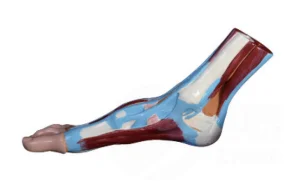
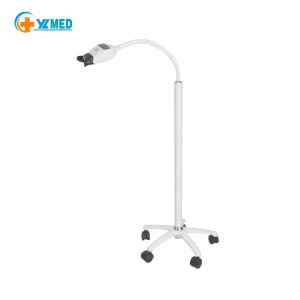
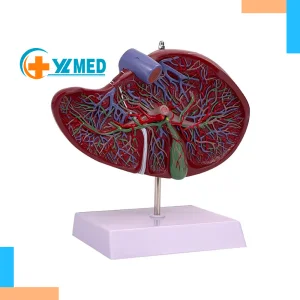
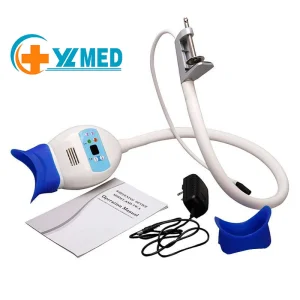
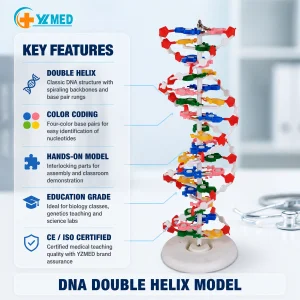
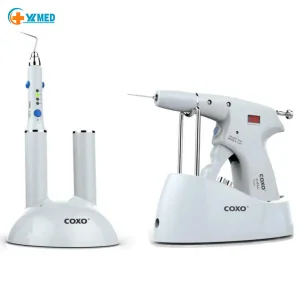
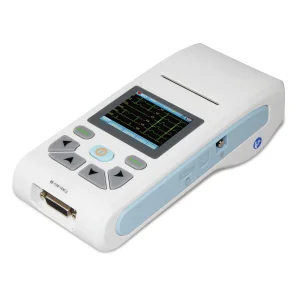
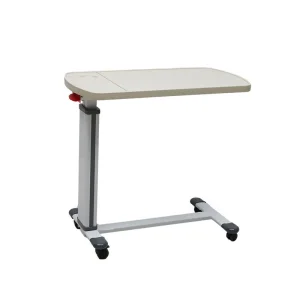
The final product showcase keeps the remaining original product images, titles, and URLs visible near the bottom of the page, supporting navigation, product discovery, and distributor sourcing.
Frequently Asked Questions from Importers and Training Providers
Straight answers to the questions procurement managers ask most before placing a first order.
Is Yulin Medical a manufacturer or a trading company?
We are a manufacturer. Henan Yulin Edu. Project Co., Ltd. was founded in 1958 and operates its own factory in Xinxiang, Henan, China, with more than 200 professional staff. For one-stop orders, we also coordinate a stable network of long-term partner factories.
What quality certification does Yulin Medical hold?
Our quality management system has been ISO 9001 certified since 2008. Product-specific documentation can be provided on request for tenders and import registration.
Do you support OEM, private label, and custom packaging?
Yes. Our in-house design team develops private-label packaging and product presentation for distributors to increase shelf appeal and resale value.
How do I choose the right child CPR training manikin?
Match the manikin to the learner group and course standard, check real-time feedback for compression depth, rate, recoil, and ventilation, confirm hygiene and consumable availability, and verify alignment with current AHA or local resuscitation guidelines. If your courses include AED training, confirm trainer compatibility before ordering.
What is the difference between a child and infant CPR manikin?
A child manikin typically reflects a larger pediatric body and different hand placement and compression force, while an infant manikin supports small-airway management and infant-specific technique. The correct choice depends on the age group your course certifies and the protocols taught in your market.
What feedback metrics should a pediatric CPR manikin measure?
Compression depth, compression rate, chest recoil, hand position, and ventilation volume are the core metrics. For advanced programs, scenario control, timing, and debriefing data may also be valuable. Always follow the assessment criteria of your certifying body.
Can I combine child CPR manikins with anatomy models or emergency equipment in one order?
Yes. Yulin Medical supports mixed-category orders across ten product lines, allowing distributors and institutions to consolidate CPR manikins, anatomy models, emergency splints, hospital furniture, and other products into one shipment with one point of contact.
What documents can support a tender or import review?
Depending on the market and product, we can provide catalogs, specifications, packing information, ISO 9001 evidence, warranty terms, and other available product documentation. Tell us your tender requirements early so the export team can confirm what is available.
How quickly will I receive a reply?
Our export team is online seven days a week and typically replies within 24 hours with catalogs, specifications, and shipping options.
How should I plan lead time and samples?
Start with a sample evaluation for the models you intend to sell or deploy. After approval, confirm quantities, packaging, documentation, and production schedule in writing. Lead times vary by product mix, customization, and season, so early planning is recommended for tender deadlines and training calendars.
Need Specifications, a Price List, or a Tender Package?
Tell us your target market, learner group, quantities, and certification requirements. Our product specialists will recommend suitable child CPR manikins, share detailed specifications, and propose a practical shipping plan. We typically reply within 24 hours.