Banner Product Showcase: 8 Training & Clinical Models from the Factory Portfolio
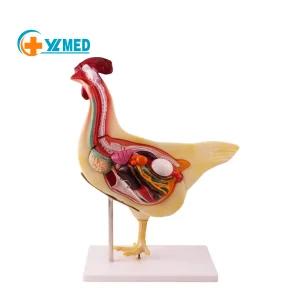
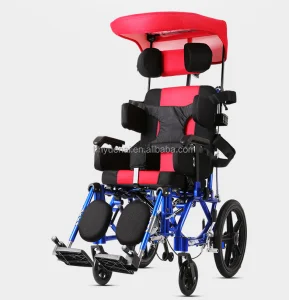
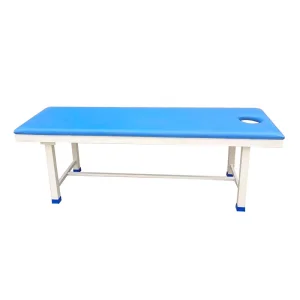
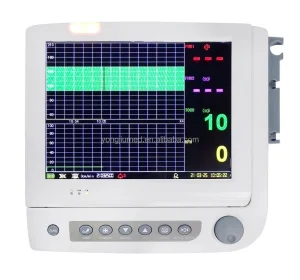
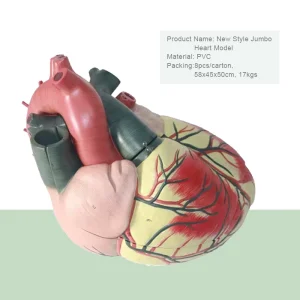
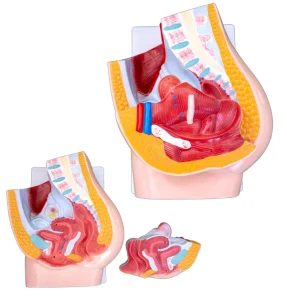
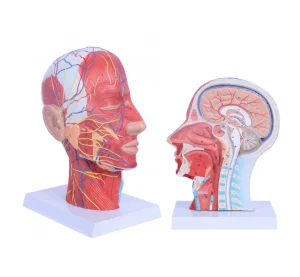
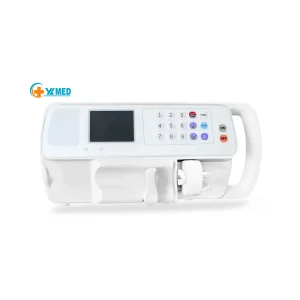
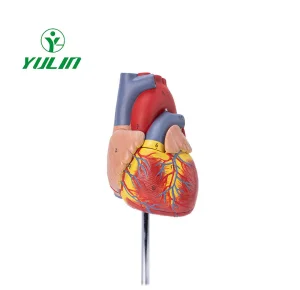
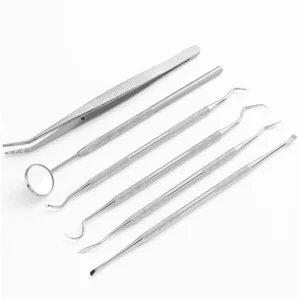
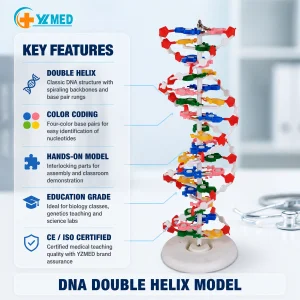
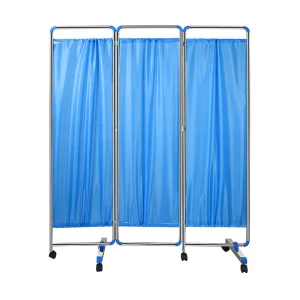
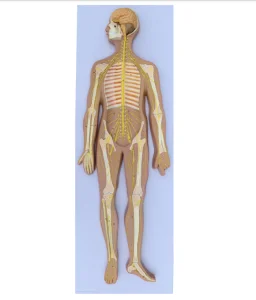
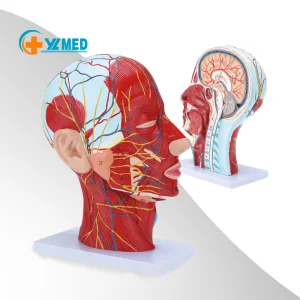
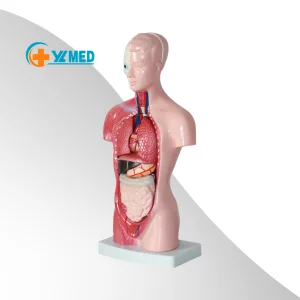
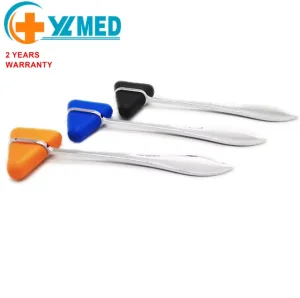
Arm puncture model procurement rarely happens in isolation. Distributors, nursing colleges and hospital groups often bundle venipuncture arms with anatomy models, CPR trainers, hospital furniture and diagnostic equipment to reduce supplier count, consolidate freight and simplify tender documentation. The eight products below preserve the exact factory product links supplied for this page and provide a direct route into Yulin Medical’s wider educational and clinical range.
Arm Puncture Model Sourcing: From Commodity Trainer to Clinical Competency Asset
An arm puncture model is a task trainer that reproduces forearm and antecubital anatomy for venipuncture, IV cannulation, blood collection and injection practice. Buyers also search for the same category as a venipuncture training arm, IV injection arm model, phlebotomy practice arm, arm puncture simulator or venepuncture training arm. For distributors and teaching hospitals, the difference between a basic demonstration arm and a modular competency trainer is the difference between a low-ticket item and a repeatable programme with revenue from replacement veins, skins, tubing and accessories.
The commercial risk is not simply unit price. A cheap arm that leaks after a few punctures can cost a training centre far more in instructor time, consumables and learner disruption. A well-specified model should offer predictable vein wall resistance, realistic flashback, replaceable vessels, secure skin fixation and clear instructions for cleaning and storage. For OEM buyers, consistency across batches matters because course materials, assessment checklists and replacement parts are usually standardized across a semester or a multi-year hospital contract.
This is why serious procurement teams evaluate arm puncture models with a total-cost-of-ownership lens: price per learner, number of punctures before vein replacement, availability of spare cartridges, shipping weight, carton durability, language support and the manufacturer’s ability to combine arm trainers with other simulation and hospital lines. Henan Yulin Edu. Project Co., Ltd. — Yulin Medical — has supplied educational and medical training equipment from Xinxiang, Henan, China since 1958, with an ISO 9001 quality management system certified since 2008. That heritage matters when a buyer needs a China arm puncture model manufacturer that can support both private-label programmes and mixed educational tenders.
- Specify the learner group first: introductory nursing, phlebotomy certification, IV cannulation, OSCE assessment or hospital competency validation.
- Ask for vein replacement cost, puncture life, skin material, tubing connector standard and cleaning instructions before comparing quotations.
- Confirm whether the supplier can provide English or multilingual manuals, private-label packaging, spare parts kits and mixed-carton consolidation.
- Request item-specific documentation for the destination market rather than assuming that a general ISO 9001 certificate covers every regulatory question.
Quick Buyer Brief
- Best-fit buyersNursing schools, hospital simulation centres, blood donation services, EMS training units, private healthcare academies and medical equipment distributors.
- What to requestMaterial data, vein cartridge replacement guide, puncture-life statement, batch inspection record, packing drop test and warranty terms.
- Customization optionsPrivate label, skin tone variants, language manuals, carry bags, replacement vein kits, barcode labels and mixed-category cartons.
- Why China sourcing remains relevantMature silicone, mould-making, injection-moulding, electronics and export-packaging clusters support fast iteration and cost-effective scale.
Where Arm Puncture Models Deliver Training ROI
The same arm model can serve very different buyers. The localization question is not only language; it is curriculum fit, infection-control practice, consumable availability and assessment standards.
Nursing and Medical Schools
Students need repeated, low-risk practice before touching patients. A multi-layer arm puncture model with visible flashback and replaceable veins allows instructors to teach site selection, aseptic technique, needle angle, stabilization and patient communication in one sequence. For semester-based programmes, replacement vein cartridges and consistent skin texture matter more than cosmetic detail.
Hospital Simulation and OSCE Centres
Competency assessment demands standardized difficulty. Buyers should ask whether vein depth, vessel roll and skin resistance are consistent across units, and whether the model can be reset quickly between candidates. In OSCE and clinical skills labs, arm puncture models support safe failure, debriefing and repeatable scoring without patient risk.
Blood Donation and Phlebotomy Services
Blood collection teams train donor safety, vacuum-tube order, haemostasis and haematoma prevention. A phlebotomy practice arm should tolerate repeated puncture, provide convincing flashback and allow different vein paths. For high-throughput donation centres, replacement parts and cleaning workflow are operational decisions, not accessories.
Emergency and Critical Care Training
Emergency teams need difficult-access practice under time pressure. Advanced arm trainers can simulate collapsed veins, deeper vessels, rolling veins or limited access sites. For distributors selling into EMS and critical-care accounts, pairing arm puncture models with emergency splints, CPR manikins and hospital equipment can strengthen a single tender response.
Community Care and Injection Technique
Community health, pharmacy and home-care training providers may use arm models for site selection, injection technique and infection-prevention drills. Buyers should confirm whether the model is designed for venipuncture, intramuscular injection or subcutaneous practice, because arm puncture arms and injection pads are not interchangeable. Clear labelling prevents curriculum mismatch.
Distributors, OEM and Tender Programmes
Distributors need more than a product photo. They need stable carton dimensions, HS-code support, private-label manuals, replacement-part availability and a manufacturer that can consolidate multiple product lines. Yulin Medical’s 10 product lines and in-house design and packaging team allow mixed-category orders to move through one accountable point of contact.
Arm Puncture Model Technology Roadmap: 2025–2030
Arm puncture training is moving from passive silicone towards measurable competency. The most valuable suppliers will be those that can combine realistic materials with modular serviceability, digital feedback and export-ready documentation.
Material Realism
Multi-layer silicone skins, self-sealing membranes and vein walls with calibrated resistance will move closer to human tissue feel. Skin tone diversity, matte finish and anatomically credible antecubital landmarks will become standard expectations rather than premium options.
Replaceable Vein Architecture
Modular vein cartridges reduce downtime and extend product life. Future systems will offer variable vessel depth, rolling veins, bifurcations and difficult-access configurations so one base arm can serve beginner and advanced learners without buying an entirely new model.
Sensor Feedback
Pressure, angle and depth sensors can detect incorrect puncture, excessive force or missed vein entry. Real-time indicators and simple scoring modules will help instructors compare learners objectively, especially in large nursing cohorts and standardized hospital assessments.
AI, AR and Digital Scoring
Computer vision and AR overlays may guide site selection, needle angle and aseptic field preparation. Integration with learning-management systems will allow training centres to record attempts, identify recurring errors and demonstrate competency evidence during accreditation reviews.
Sustainability and Serviceability
Recyclable packaging, replaceable parts, low-consumable designs and local repair kits will matter to buyers under cost and environmental pressure. A serviceable arm puncture model with available spare veins and skins often has a lower total cost than a sealed low-price unit.
Why China’s Medical Training Supply Chain Still Wins on Resilience and Efficiency
China’s advantage is not only labour cost. It is the density of specialised suppliers: silicone formulators, mould makers, injection moulders, electronics assemblers, print and packaging converters, and export logistics providers operating within mature industrial clusters. For arm puncture models, that ecosystem shortens tooling cycles, improves material options and supports rapid iteration between sample feedback and mass production.
Integrated Quality Control
From incoming silicone and mould inspection to assembly, leak checks, functional testing and export packing, an ISO 9001-based process creates traceable checkpoints. Buyers can request item-specific inspection records, packing details and material declarations to support their own supplier qualification.
Mixed-Category Efficiency
One shipment can combine arm puncture models, anatomy models, CPR manikins, hospital furniture and diagnostic products. Consolidation reduces freight complexity, documentation errors and supplier management workload. Yulin Medical coordinates a stable network of long-term partner factories for one-stop orders.
Export Packaging and Logistics
Protective cartons, inner trays, replacement-part kits and private-label cartons can be planned at quotation stage. For distributors, predictable carton dimensions and clear labelling reduce warehouse handling and improve shelf presentation. Local ports and mature freight routes provide options for sea, air and express shipments.
What Buyers Should Know About the Global Arm Puncture Training Market
Healthcare systems face nursing shortages, ageing populations, infection-prevention scrutiny and rising demand for simulation-based education. Procurement is shifting from one-off product purchases toward framework agreements, repeat consumable orders and documented competency programmes. Arm puncture models sit inside this shift because they allow learners to practise invasive skills without patient risk.
North America and Europe
Buyers prioritize traceability, documentation, consistent quality and alignment with institutional competency frameworks. Private-label distributors need packaging and manuals that fit local procurement expectations, while universities may require samples and repeat-order consistency before approving a supplier.
Middle East and Africa
Durability, heat resistance in storage, spare-part availability and mixed-container efficiency often matter more than premium electronics. Distributors value manufacturers that can support multilingual labelling, consolid ate multiple product categories and provide replacement veins for long service life.
Asia-Pacific and Latin America
Cost-performance, fast replacement and local training support drive purchasing decisions. Private academies, nursing colleges and hospital groups often need flexible order quantities and a supplier that can grow from a sample order to a tender-ready programme without changing quality systems.
| Buyer Due-Diligence Criterion | Weight | Evidence to Request | Commercial Impact |
|---|---|---|---|
| Clinical realism and replaceable veins | 25% | Material data, vein replacement guide, puncture-life statement, sample evaluation | Fewer learner complaints, longer service life and lower consumable cost per student |
| Quality system and batch consistency | 20% | ISO 9001 certificate, inspection records, batch traceability, packing test | Reduced reject rates and stronger tender credibility |
| Total cost of ownership | 20% | Spare-part price list, carton dimensions, freight weight, warranty terms | More accurate landed-cost calculation and predictable resale margin |
| Localization and after-sales | 20% | Language manual, private-label packaging, training video, replacement availability | Faster distributor onboarding and fewer support tickets |
| Digital and assessment readiness | 15% | Sensor feedback options, scoring method, data export, future roadmap | Higher-value positioning for simulation centres and advanced training accounts |
Localized Support and Compliance Assurance for Arm Puncture Model Programmes
Overseas buyers need a supplier that understands the difference between a model, a medical device and a training aid. The final classification, claims and registration pathway depend on the destination country and intended use. Our role is to provide accurate product information and available documentation so your importer, regulatory consultant or tender team can make an informed decision.
OEM, Private Label and Packaging
Our in-house design team develops private-label packaging and product presentation for distributors. Options can include brand logos, language variants, barcodes, carry bags and replacement-part kits. Retail-ready or tender-ready packaging is planned before production, not after.
Documentation for Regulatory Review
Available support includes ISO 9001 certification, item specifications, material information, inspection records and packing data. Product-specific certificates or declarations are confirmed per SKU and destination market. We do not substitute a general certificate for item-level regulatory assessment.
Language, Voltage and Local Use
For electronic training aids, plug type, voltage, labeling and manual language should be specified at quotation stage. For passive arm puncture models, local-use considerations include cleaning agents, storage temperature, replacement-vein availability and alignment with institutional aseptic protocols.
After-Sales and Spare Parts
Long-term programmes need replacement veins, skins, tubing and connectors. Distributors can discuss spare-part ratios, batch packing and training videos to reduce support burden. Our export team is online seven days a week and typically replies within 24 hours with specifications and shipping options.
A Six-Decade China Manufacturer Behind the Product Portfolio
Henan Yulin Edu. Project Co., Ltd. — Yulin Medical — was founded in 1958 and has grown into a well-known educational and medical equipment supplier that integrates scientific research, production and sales. With registered capital of RMB 120 million and more than 200 professional employees, the company manages product development, manufacturing, inspection and export from its base at No. 8, Daoqing Road, Industry Park, Hongqi District, Xinxiang, Henan, China.
The quality management system has been ISO 9001 certified since 2008. The company motto — quality first, service first — is supported by an in-house design and packaging team, a broad 10-line product portfolio and a stable network of long-term partner factories for one-stop orders. For overseas distributors, this means one accountable manufacturer for anatomy models, nursing simulators, lab slides, dental tools and hospital equipment, consolidated into a single shipment with one point of contact.
Market engagement is part of the company’s experience base. At the 5th Henan Provincial Educational Equipment Expo, themed “Digital Leading Innovation and Development”, the event reached 50,000 m² with more than 600 brands and 10,000 products on display, reflecting the pace of change in educational equipment. Our specialists also publish practical buyer guidance, such as how to observe biological prepared slides correctly, and maintain a product showroom in Xinxiang where buyers can inspect teaching models and training equipment in person.
 Headquarters and factory, Xinxiang
 Production workshop
 Bulk orders ready for export

Manufacturer Credentials at a Glance
- CompanyHenan Yulin Edu. Project Co., Ltd. / Yulin Medical
- Founded1958, with more than 60 years of manufacturing history
- Quality systemISO 9001 certified since 2008
- ScaleRMB 120 million registered capital and 200+ professional staff
- Scope10 product lines covering anatomy, nursing, dental, biology, hospital furniture and medical instruments
- AddressNo. 8, Daoqing Road, Industry Park, Hongqi District, Xinxiang, Henan, China
- Export supportOEM, private label, mixed-category consolidation and responsive English-language communication
Related Product Lines from the Same China Factory
Arm puncture models can be bundled with these product lines to reduce supplier count and simplify tender packages. Each link preserves the original category destination.
Bottom Product Showcase: 8 Additional Models from the Same Factory
These additional products preserve the remaining original product links for buyers assembling a broader medical education, clinical training or hospital equipment order.
Frequently Asked Questions About China Arm Puncture Model Manufacturing
Practical answers for distributors, medical schools, hospital procurement teams and OEM buyers evaluating an arm puncture model programme.
Is Yulin Medical a manufacturer or a trading company?
What quality certification does Yulin Medical hold?
Do you support OEM, private label and custom packaging?
How do I choose the right arm puncture model?
How do I choose the right CPR training manikin?
What documentation can support import registration and tenders?
Can you consolidate mixed-category orders?
How quickly will I receive a reply?
Need Specifications, a Price List or a Tender Package?
Tell us your target market, learner group, quantities, packaging requirements and certification questions. Our product specialists will recommend suitable arm puncture model configurations, share detailed specifications and propose the most economical shipping plan for mixed-category orders. We reply within 24 hours in most cases.