China Acrylic Infant Incubator Manufacturer & Pricelist
A procurement-ready guide to medical-grade acrylic neonatal incubators, servo thermoregulation, humidification, export documentation, Factory 4.0 supply resilience, and configuration-based pricelist planning.
8 Export-Ready Products Frequently Sourced Alongside Incubator Programs
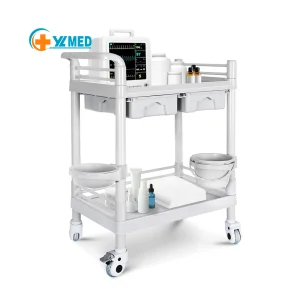
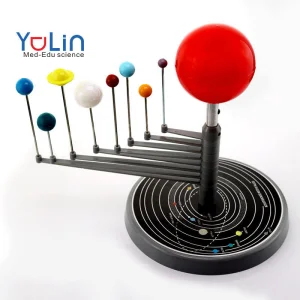
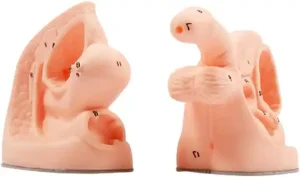
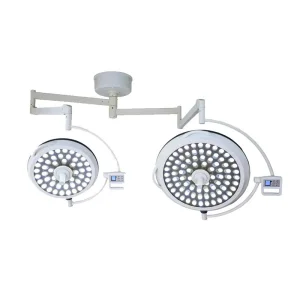
Hospital groups, distributors, and tender teams often consolidate neonatal equipment with emergency, teaching, dental, and clinical support products. The first eight catalog items are displayed below the banner with their original product links preserved.
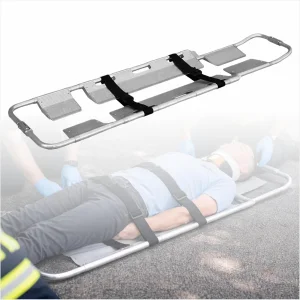
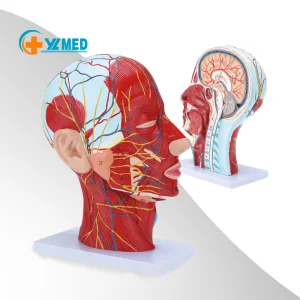
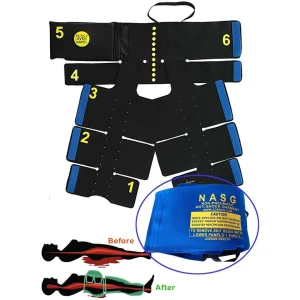
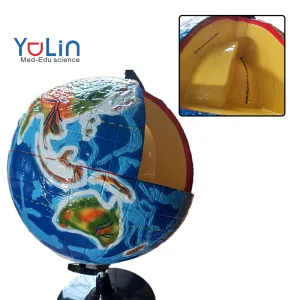
What Makes a China Acrylic Infant Incubator Manufacturer Different?
A neonatal incubator is not merely a transparent box. It is a controlled microenvironment that combines thermal stability, humidity control, oxygen management, noise reduction, infection prevention, alarm reliability, and ergonomic access for clinicians. The acrylic hood is the most visible component, but it is also a critical interface for visibility, cleaning, structural rigidity, and thermal performance.
China has become a deep manufacturing base for acrylic infant incubators because the country combines medical-grade PMMA sheet supply, precision CNC and laser fabrication, electronics clusters, sensor calibration capability, and mature export logistics. For international buyers, the strongest supplier is not simply the one with the lowest quotation. It is the one that can document material grade, control acrylic yellowing, validate alarm logic, provide spare parts, and support tender documentation.
This guide is written from the perspective of an export manufacturer with a history dating to 1958 and an ISO 9001 quality system since 2008. It is designed for hospital groups, government tender teams, distributors, OEM brands, and clinical engineering departments that need information gain before price negotiation.
Clinical Intent
Maintain a neutral thermal environment for preterm and low-birth-weight infants while preserving visibility, access, and infection-control workflow.
Engineering Reality
Balance acrylic thickness, hood geometry, gasket sealing, sensor placement, airflow, humidifier compatibility, and service access.
Procurement Outcome
Reduce total cost of ownership through spare-part availability, modular electronics, documented calibration, training, and predictable lead times.
Medical-Grade Acrylic Specification Guide for Buyers
- ✓Optical clarity suitable for continuous neonatal observation
- ✓UV-stabilized PMMA sheet with low yellowing risk under cleaning cycles
- ✓Thickness, edge polish, and radiused corners specified to avoid sharp edges
- ✓Compatibility with common hospital disinfectants and wiping protocols
- ✓Batch traceability for acrylic sheet, annealing, and assembly
- ✓Double-wall or single-wall hood options based on NICU level and budget
Acrylic Infant Incubator Trends Reshaping NICU Procurement
Buyers are moving away from single-function boxes toward connected, serviceable, and evidence-ready neonatal platforms. The following trends are visible in tenders, distributor requests, and factory design reviews.
Servo Thermoregulation
Skin-temperature and air-temperature servo modes are becoming baseline expectations in advanced NICU projects, with trend memory and alarm history supporting clinical audit.
Active Humidification
Integrated humidification reduces insensible water loss and supports preterm skin integrity. Buyers increasingly request servo humidity and water-level alarms.
Digital Monitoring
Touch displays, data logging, and optional IoT gateways help hospitals integrate incubator status into biomedical engineering and remote service workflows.
Infection-Control Design
Smooth acrylic surfaces, removable gaskets, tool-free hood release, and cleanable air paths are now evaluated during clinical acceptance testing.
Modular Serviceability
Plug-and-play sensors, replaceable control boards, and accessible humidifier modules reduce downtime and make spare-parts planning more predictable.
Hybrid Care Platforms
Incubator-to-warmer conversion, integrated phototherapy, and procedure access are increasingly requested in higher-acuity neonatal departments.
Procurement Signal Dashboard
What serious neonatal equipment buyers evaluate before releasing a purchase order. The percentages below reflect common weighting patterns in distributor and hospital requirement reviews; they are planning indicators, not universal tender rules.
Global Enterprise Buying Demand for Acrylic Infant Incubators
Procurement behavior differs sharply by buyer type. A distributor may prioritize margin, packaging, and model breadth; a Ministry of Health tender may prioritize clinical evidence, training, and long-term service; a private hospital group may prioritize uptime and standardisation across sites.
Hospital Groups & GPOs
They request standardised configurations, service-level agreements, spare-parts lists, and biomedical training so that multiple facilities can share maintenance knowledge.
Government Tenders
Ministries and public hospitals need regulatory files, test reports, training plans, warranty terms, and delivery schedules that survive audit.
Distributors & OEM Brands
They look for private-label packaging, documentation support, model differentiation, MOQ flexibility, and reliable repeat-order quality.
NGOs & Field Health Programs
Humanitarian procurement emphasizes rugged packaging, low-power operation, simple maintenance, and clear training materials for resource-limited settings.
China Factory 4.0: Supply Chain Resilience and Efficiency Advantages
China’s advantage in acrylic infant incubators is no longer just labour cost. It is the ability to integrate material science, precision fabrication, electronics, testing, packaging, and export documentation inside a mature industrial ecosystem.
Digital Traceability
Material lot, acrylic sheet batch, sensor calibration, alarm test results, and final inspection records can be linked to serial numbers for tender audits.
Automated Acrylic Fabrication
CNC routing, laser cutting, annealing, and edge polishing improve dimensional consistency, optical finish, and repeatability across production batches.
Clean Assembly & Test
Temperature stability, humidifier performance, alarm logic, battery backup, and leakage checks can be documented before export packing.
Resilient Supplier Network
Dual sourcing for sensors, filters, compressors, and control boards, plus modular design, helps protect delivery schedules during global component shortages.
For overseas buyers, Factory 4.0 means fewer surprises: a documented bill of materials, controlled change notices, calibrated test equipment, export-grade packaging, and a service plan that can be explained to clinical engineering teams after arrival.
Global Commercial and Industrial Landscape for Neonatal Incubators
Demand for neonatal incubators is supported by persistent preterm birth rates, expansion of NICU capacity in emerging economies, and replacement cycles in mature healthcare systems. At the same time, buyers face regulatory tightening, freight volatility, and pressure to localise service.
Regulatory Convergence
IEC 60601-1 and IEC 60601-2-19 design considerations, risk management, biocompatibility, and clinical evaluation expectations are becoming more consistent across markets, even where national registration pathways differ.
Regional Capacity Building
Asia-Pacific, the Middle East, Africa, and Latin America are investing in maternal and neonatal care. Buyers want equipment that can be maintained locally, not just purchased at a low initial price.
Freight and Tariff Volatility
Shipping costs, container availability, and tariff changes make total landed cost planning essential. Modular packaging and mixed-category consolidation can reduce logistics risk.
Service Localisation
Distributors are increasingly asked to provide installation, user training, preventive maintenance, and spare-parts stocking. Manufacturers that support these obligations win repeat business.
Clinical Evidence Expectations
Hospitals want clear performance claims, validated alarm limits, calibration intervals, and traceable test records rather than undifferentiated specifications.
Total Cost of Ownership
Procurement teams now compare purchase price against energy use, consumables, spare parts, downtime, training, and the cost of replacing yellowed or damaged acrylic hoods.
Localized Clinical and Field Application Scenarios
The same incubator platform may require different accessories, alarms, training, and documentation depending on where it is used. A level III NICU in a teaching hospital has different priorities from a district maternity ward or a temporary field hospital.
Level III NICU
High-acuity departments need precise servo control, humidity, trend memory, procedure access, and integration with phototherapy and monitoring workflows.
District & General Hospitals
Reliable thermoregulation, simple cleaning, robust alarms, and local service availability often matter more than advanced connectivity.
Emergency Transport
Compact acrylic hoods, battery backup, vibration-resistant mounting, and fast access are essential for neonatal ambulance transfers.
Temporary & Field Hospitals
Low-power operation, rugged packaging, clear multilingual labels, and minimal consumables support deployment in resource-limited settings.
Private Pediatric Clinics
Small footprint, quiet operation, intuitive controls, and premium finish support private-sector patient experience and staff efficiency.
Teaching & Simulation
Medical schools and training centres benefit from realistic acrylic hood geometry, alarm demonstration modes, and safe practice scenarios.
China Acrylic Infant Incubator Pricelist: Configuration and Cost Drivers
A responsible infant incubator pricelist is configuration-based. Two units with similar outward appearance can differ significantly in sensor grade, servo control, humidifier design, alarm architecture, battery backup, documentation, and packaging. Use the matrix below to structure your enquiry.
Basic Acrylic Hood Incubator
Single-wall acrylic hood, air-temperature control, humidity option, essential alarms, and manual access ports. Suitable for general maternity units with budget constraints.
Quote requiredDouble-Wall Servo Incubator
Double-wall acrylic hood, skin and air servo modes, servo humidity, trend display, battery backup, and enhanced alarm history. Designed for higher-acuity neonatal care.
Quote requiredNeonatal Transport Incubator
Compact acrylic hood, battery-powered operation, ambulance mounting interface, vibration-conscious design, and rapid access for emergency transfer teams.
Quote requiredIncubator & Warmer Platform
Convertible care platform with acrylic hood, open-bed mode, integrated phototherapy option, and procedure access for flexible neonatal departments.
Quote required| Quotation Factor | Why It Changes Price | Buyer Action |
|---|---|---|
| Acrylic grade and construction | UV-stabilized PMMA, thickness, double-wall design, edge finishing, and yellowing resistance affect material cost and tooling. | Specify hood type, cleaning chemicals, and expected service life. |
| Control architecture | Basic air control versus dual servo skin/air control changes sensors, boards, calibration, and alarm validation workload. | Define clinical level and required monitoring functions. |
| Humidification and oxygen | Servo humidity, water-level alarms, oxygen mixing, and cleanable water paths add engineering and test requirements. | Provide local water quality and clinical protocol details. |
| Regulatory and tender documents | Test reports, risk files, labels, manuals, and registration support require engineering and quality time. | Share the target market and tender checklist early. |
| Packaging and logistics | Export-grade protection, spare-parts kits, mixed-category consolidation, and shipping mode affect landed cost. | Request a total landed cost comparison, not only FOB price. |
How to Audit an Acrylic Infant Incubator Factory Before You Buy
Experience matters, but it must be verifiable. Use these practical audit questions during supplier evaluation. They help separate a capable export manufacturer from a trading intermediary that cannot control acrylic quality, alarm logic, or spare-parts continuity.
Material Traceability
Can the supplier show the acrylic sheet grade, batch record, annealing process, and incoming inspection results? Ask for a sample of the edge-polishing and gasket fit.
Alarm Validation
Request the alarm test protocol for temperature deviation, sensor failure, power failure, humidifier fault, and air-flow abnormality. Confirm how alarms are simulated.
Calibration Discipline
Ask how sensors are calibrated, how often test equipment is calibrated, and what records are shipped with each unit. Traceability is a tender advantage.
Cleaning Compatibility
Confirm which hospital disinfectants are compatible with the acrylic hood and gaskets. Harsh chemicals can cause crazing, clouding, or stress cracking.
Service Documentation
Check for service manuals, spare-parts lists, exploded diagrams, troubleshooting guides, and training materials in the required language.
Change Control
Ask how design changes are communicated. A supplier with change notices, revision control, and serial-number records protects your registration and tender compliance.
A Six-Decade Manufacturing Base for Medical & Educational Equipment
Henan Yulin Edu. Project Co., Ltd. (Yulin Medical) was founded in 1958 and operates from Xinxiang, Henan, China. The company integrates research, production, sales, and export support for medical teaching models, simulation manikins, laboratory products, hospital furniture, and clinical support equipment.
With registered capital of RMB 120 million and more than 200 professional staff, Yulin Medical manages product development, manufacturing coordination, inspection, packaging, and export documentation. The quality management system has been ISO 9001 certified since 2008. The company motto remains quality first, service first.
For one-stop orders, Yulin Medical also coordinates a stable network of long-term partner factories. This model is useful for distributors and hospital groups that need acrylic infant incubators alongside teaching models, emergency equipment, dental products, and general hospital supplies.



Complete Sourcing for Medical Education and Clinical Use
Ten specialised product lines allow procurement teams to source simulation, laboratory, and hospital equipment from one accountable manufacturer instead of managing multiple suppliers.
Anatomy Models
Torso, organ, heart, brain, and muscle models with numbered structures for lectures and patient education.
View range → 02Biology Prepared Slides and Accessories
Histology, botany, and zoology prepared slides plus storage and microscope accessories for biology labs.
View range → 03Dental Tools and Equipment
Dental teaching models, clinic lights, LED whitening units, and endodontic instruments for training and practice.
View range → 04General Teaching Models
Science demonstration models for primary schools, secondary schools, and education equipment tenders.
View range → 05Hospital Furniture and Equipments
Stainless steel examination couches, stretchers, walkers, and shower chairs built for daily clinical use.
View range → 06Hospital Machine and Tools
Diagnosis and treatment devices and practical tools for wards, clinics, and emergency departments.
View range → 07Medical Apparatus and Instruments
Emergency splints, extrication devices, cervical traction, and rehabilitation instruments.
View range → 08Medical Nursing Model
Adult, child, and neonatal CPR manikins, ACLS simulators, and AED trainers for skills assessment.
View range → 09Skeleton Models
Life-size and desktop skeletons, skulls, spines, and joint models for osteology teaching.
View range → 10Suture Pads and Kits
Realistic skin suture pads and complete instrument kits for surgical and wound-closure practice.
View range →Why Distributors and Institutions Partner with Yulin Medical
Four strengths overseas buyers consistently cite when they move long-term orders to our factory.
24/7 Responsive Service
Our team is online 24 hours a day, 7 days a week. Whatever your time zone, you receive a detailed answer as quickly as possible, typically within 24 hours.
Design & Packaging Team
In-house specialists deliver professional product design and private-label packaging that strengthens your brand and increases the added value of every unit you sell.
Professional Expertise
Our vision is to provide the most professional educational and medical training products from mainland China, built under ISO 9001 process control and decades of category knowledge.
60+ Years of Supply Stability
A factory with over 60 years of history and a deeply integrated partner supply chain lets us meet one-stop demands and keep lead times predictable on repeat orders.
A Transparent 5-Step Process for Overseas Buyers
From first conversation to delivery, every stage has a named contact and clear documentation, so you can plan stock, tenders, and training schedules with confidence.
Share Requirements
Send product types, quantities, target market, voltage, language, and any tender or certification needs.
Catalog & Proposal
Receive matched models, specifications, packaging options, and shipping suggestions.
Sample Evaluation
Test samples with your instructors, clinicians, or biomedical engineers before bulk production.
Production & QC
Manufacturing and inspection follow our ISO 9001 quality management system.
Export & Support
Protective export packing, delivery coordination, and responsive after-sales service.
Inside the Manufacturing, Showroom, and Export Ecosystem
Original visual assets are preserved to give buyers a realistic view of the factory environment, product exhibition, and export service capability.









Featured CPR, Emergency & Rehabilitation Equipment
Best-selling simulation manikins, first-aid devices, and mobility aids requested by training centres, ambulance services, and healthcare distributors.












News & Practical Insights from Our Specialists
Exhibition updates and hands-on guidance written by the team that designs and builds our products.

Do You Really Know How to Observe Biological Prepared Slides?
Many plant and animal cell structures can only be studied under a microscope, which makes prepared biological slides essential in every biology lab. Our specialists explain how to handle, focus, and store slides correctly so students see clearer detail and your slide sets last for years.

The 5th Henan Provincial Educational Equipment Expo Concludes Successfully
Themed “Digital Leading Innovation and Development”, the expo reached a record 50,000 m² with 600+ brands and 10,000+ products on display, showcasing the latest educational equipment.

Inside Our Product Showroom
A look at the medical teaching models and training equipment buyers can inspect in person when visiting our Xinxiang facility.
Visit Hot BlogFrequently Asked Questions from Importers
Straight answers to the questions procurement managers ask most before placing a first order for acrylic infant incubators or related hospital equipment.
Is Yulin Medical a manufacturer or a trading company?
We are a manufacturer. Henan Yulin Edu. Project Co., Ltd. was founded in 1958 and operates its own factory in Xinxiang, Henan, China, with more than 200 professional staff. For one-stop orders, we also coordinate a stable network of long-term partner factories.
What quality certification do you hold?
Our quality management system has been ISO 9001 certified since 2008. Product-specific documentation can be provided on request to support tenders and import registration in your country. The exact certification scope and test reports should be confirmed in writing for each incubator configuration.
Do you support OEM, private label, and custom packaging?
Yes. Our in-house design team develops private-label packaging and product presentation for distributors, helping increase shelf appeal and resale value in your market. For incubator projects, custom manuals, labels, language packs, and accessory kits can also be discussed.
How do I choose the right acrylic infant incubator configuration?
Start with the clinical level: general maternity, level II NICU, level III NICU, transport, or hybrid care. Then confirm thermoregulation mode, humidity, oxygen option, alarm history, battery backup, hood construction, and documentation requirements. Match the configuration to the actual clinical workflow rather than the lowest quotation.
What is the minimum order quantity and lead time?
MOQ and lead time depend on configuration, documentation, packaging, and whether the order is mixed with other product categories. A trial order can be discussed for qualified distributors. Provide target quantity, destination port, and required delivery window so the export team can give a reliable schedule.
How is the pricelist structured?
Incubator pricing is usually structured by platform, acrylic hood type, control architecture, humidification, monitoring options, battery backup, documentation package, and shipping terms. A dated quotation should list included accessories, optional items, warranty, spare parts, and exclusions so that tender comparisons are meaningful.
How do you protect supply chain resilience on repeat orders?
We use qualified supplier networks, dual sourcing where practical, modular electronic assemblies, incoming inspection, and production planning based on forecasted demand. For long-term programs, critical spare parts and acrylic hood components can be planned to reduce downtime risk.
What after-sales documentation is available?
Documentation can include user manuals, service manuals, spare-parts lists, calibration records, packing lists, and training materials in the agreed language. The exact package depends on the product and destination market. Our export team typically replies within 24 hours with catalogs, specifications, and shipping options.
Need Specifications, a Pricelist, or a Tender Package?
Tell us your target market, clinical level, quantity, voltage, language, and certification requirements. Our product specialists will recommend suitable models, share detailed specifications, and propose an economical shipping plan for your order.
